Lucid’s affordable EV launch is delayed, forcing a rethink of its premium approach for 2027 buyers. What could this operational reset change?
Lucid’s next act was supposed to start with a smaller, cheaper electric vehicle. Reuters’ report that the program has been delayed raises a harder question: can the company broaden its appeal without diluting the premium engineering that made the Air stand out?
Lucid’s affordable EV delay changes the 2027 picture
Reuters reported that Lucid has pushed back its planned lower-priced EV as part of an operational reset. The vehicle had been expected to give Lucid a more direct entry into the high-volume premium EV market, where buyers shop below the six-figure price range.
Lucid has not publicly finalized the model’s name, specifications, pricing, or launch date. It is generally referred to as the company’s midsize or affordable model, and it is expected to sit below the Air sedan and Lucid Gravity SUV in both size and price.
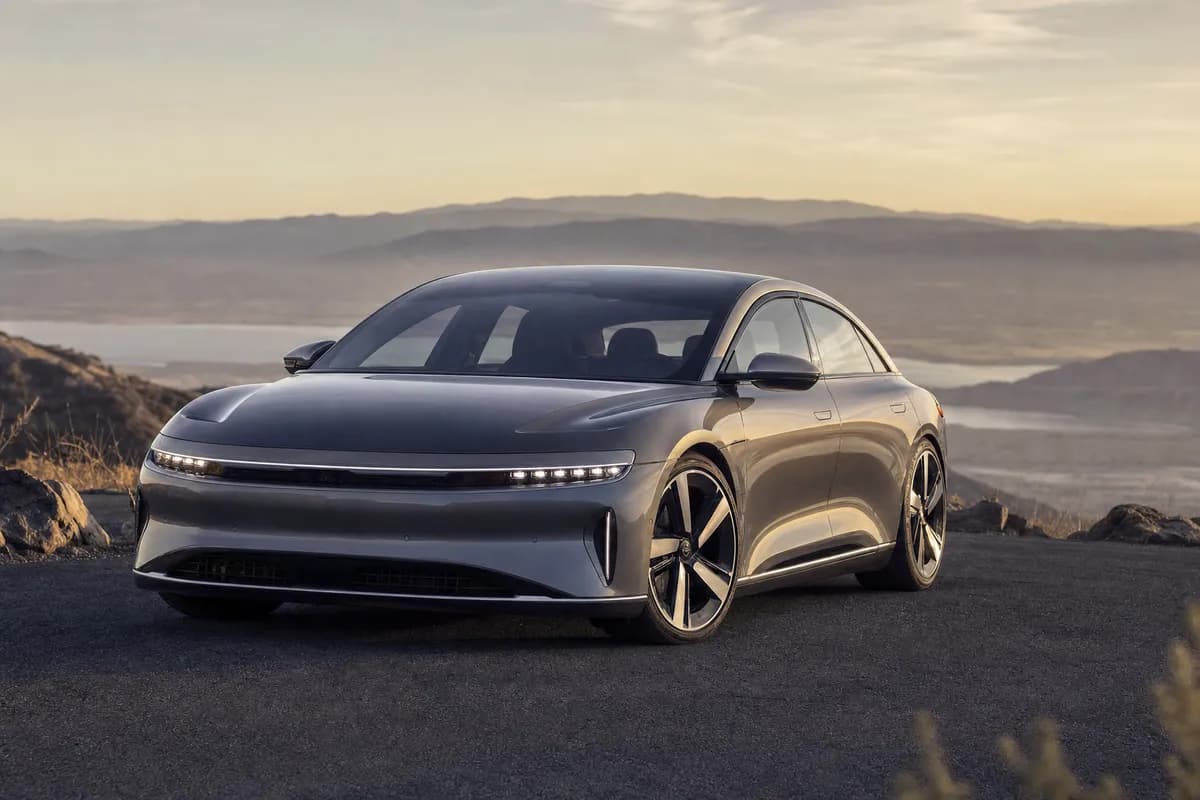
The delay matters because Lucid’s existing lineup remains concentrated at the expensive end of the market. The Air is a technical showcase, while the Gravity is designed to bring that technology to a more practical three-row SUV format. Neither is positioned as a mainstream EV purchase.
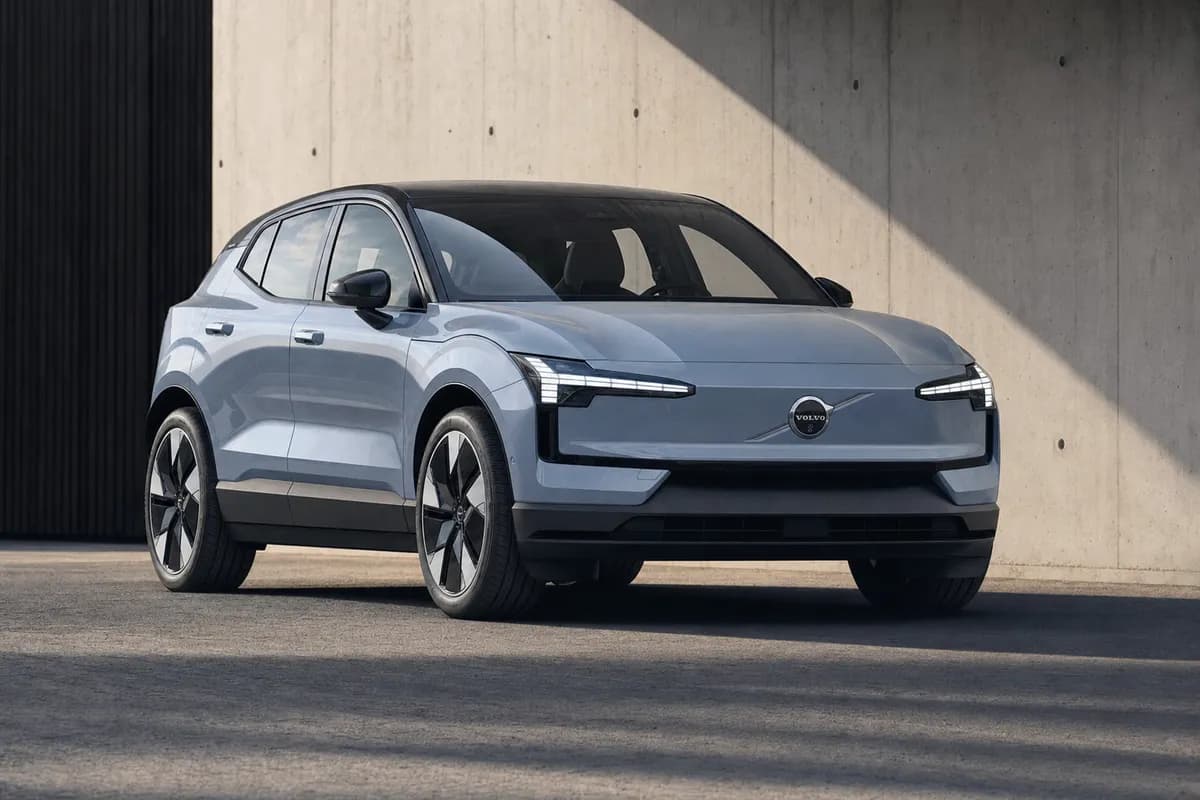
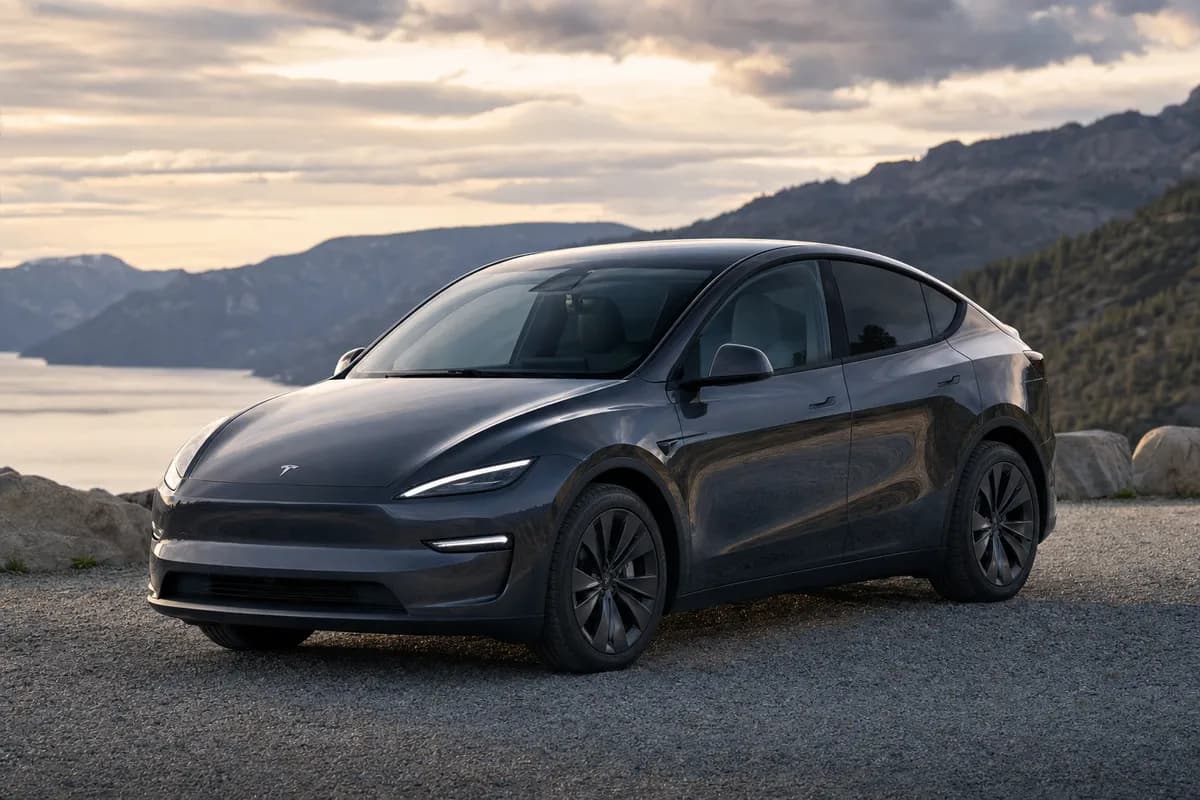
A lower-priced Lucid is expected to target an area of the market populated by vehicles such as the Tesla Model 3 and Model Y, BMW i4, Hyundai Ioniq 5, Kia EV6, and Polestar 4. That is a much larger customer pool, but it is also one where pricing, charging access, software, incentives, and monthly payments often matter more than record-setting range.
For Lucid, the central challenge is not simply building a cheaper EV. It is building one that feels distinctly Lucid while meeting the cost, volume, and quality demands of a far more competitive segment.
Why Lucid is taking a more cautious approach
Lucid Motors has spent years developing highly efficient electric-drive technology, including compact motors, power electronics, and battery systems. That engineering has helped the Air achieve exceptional EPA range figures in certain configurations, including an EPA-estimated 516 miles for the Air Grand Touring on 19-inch wheels.
But efficiency alone does not guarantee a profitable mass-market vehicle. A lower-priced model requires a supply chain that can support substantially higher production volume, lower unit costs, consistent quality, and a sales-and-service network capable of handling many more customers.
Lucid’s operational reset appears aimed at matching product ambitions with financial and manufacturing realities. The company has access to significant backing from Saudi Arabia’s Public Investment Fund, but it still faces the discipline required of any young automaker: preserving cash while ramping production and reducing losses per vehicle.
That puts the Lucid Gravity at the center of the near-term strategy. The three-row SUV is likely to be the company’s most important volume product before the midsize EV arrives, because it competes in a high-margin luxury-SUV category while offering more everyday utility than the Air.
- Air: Lucid’s flagship luxury sedan and engineering halo vehicle.
- Gravity: The brand’s three-row electric SUV, positioned to expand sales among families and luxury-SUV buyers.
- Midsize EV: The planned lower-priced Lucid intended to reach a broader market, now facing a later launch timetable.
What buyers should expect from Lucid through 2027
For shoppers who want a Lucid in the next one to two years, the realistic choices remain the Air and Gravity. Buyers waiting specifically for a more accessible Lucid should assume that timing and final pricing remain uncertain until the company provides formal production and order information.
The Air remains compelling for drivers who prioritize range, ride quality, cabin space, and long-distance efficiency. It is less compelling for buyers who need a hatchback, third-row seating, broad service access, or an EV priced closer to the segment’s mainstream luxury models.
The Lucid Gravity addresses several of those concerns. It brings SUV packaging, three rows, and a more family-oriented format, but it remains a premium purchase rather than the affordable luxury electric car many buyers may be waiting for.
| Model |
Vehicle type |
Position in Lucid lineup |
Best suited to |
| Lucid Air |
Luxury sedan |
Current flagship sedan |
Range-focused buyers and luxury-sedan shoppers |
| Lucid Gravity |
Three-row SUV |
Current expansion model |
Families seeking premium EV space and performance |
| Planned Lucid midsize EV |
Expected smaller, lower-priced EV |
Future volume model |
Buyers seeking a more attainable Lucid |
| Tesla Model Y |
Compact SUV |
Established high-volume rival |
Buyers prioritizing price, charging access, and availability |
Lucid has said little publicly about the future model’s final price, but prior expectations have placed it well below the Air and Gravity. A price around the broader premium EV market would be essential if Lucid wants to compete for buyers cross-shopping Tesla, BMW, Mercedes-Benz, Hyundai, Kia, and Polestar.
Buyers should also be careful about using a headline price as the only comparison. Federal EV tax-credit eligibility can change, lease incentives vary by location, and a vehicle’s real cost depends on financing, insurance, home-charging installation, electricity rates, and resale value.
Should buyers wait for the Lucid 2027 EV?
Waiting makes sense only for shoppers who specifically want Lucid’s design, efficiency, and driving character in a smaller and less expensive package. Those buyers should be prepared for uncertainty, because a delayed product program can move again and final features may differ from early expectations.
Buyers who need an EV sooner should shop the market that exists today. The number of credible alternatives has grown, especially among compact electric SUVs and entry-luxury sedans, and many brands are offering lease support or inventory discounts that a future Lucid cannot match yet.
The best decision depends on how long a buyer can reasonably wait. A household replacing a vehicle in 2026 should not postpone its purchase solely on the assumption that the Lucid affordable EV will arrive on a fixed schedule with a specific price.
- Buy a Lucid Air now if maximum range, sedan comfort, and Lucid’s established product are the priorities.
- Consider the Lucid Gravity if three-row capability, cargo space, and SUV practicality justify a premium budget.
- Wait for the midsize Lucid only if a lower price point is essential and your purchase timing is flexible.
- Cross-shop current rivals if charging convenience, incentives, dealer support, or near-term delivery matter most.
One advantage for Lucid is that its brand has a clear identity. The Air did not try to win by being the cheapest EV; it won attention through efficiency, performance, and an unusually spacious luxury interior. The company will need to preserve those traits in a lower-cost vehicle, even if some flagship features are simplified.
The verdict: a delay is risky, but a rushed Lucid would be worse
The Lucid affordable EV delay is disappointing for buyers hoping for a premium EV at a more attainable price by 2027. It also gives established competitors more time to improve their own vehicles, lower prices, expand charging access, and strengthen their software platforms.
Still, an operational reset may be the more responsible course if it helps Lucid protect quality, control costs, and avoid launching a vehicle before its manufacturing and service systems are ready. The company’s credibility will depend less on announcing an aggressive target date than on delivering a finished product with competitive pricing and reliable ownership support.
Lucid does not need to become Tesla to succeed. But to move beyond the Air and Lucid Gravity, it must prove that its technology can scale from a premium halo product into an affordable luxury electric car that buyers can actually find, finance, charge, and service with confidence.
Frequently Asked Questions
When will Lucid’s affordable EV come out?
Lucid has not confirmed a final production date or customer delivery schedule for its lower-priced EV. Reuters reported that the program has been delayed, so buyers should treat a 2027 arrival as a possibility rather than a guaranteed launch date until Lucid provides formal details.
How much will the Lucid 2027 EV cost?
Lucid has not announced official pricing for its planned midsize EV. The vehicle is expected to cost substantially less than the Air and Gravity, but buyers should not rely on rumored pricing because specifications, battery size, and market conditions can change before launch.
Is the Lucid Gravity cheaper than the Lucid Air?
The Lucid Gravity is positioned as a premium three-row electric SUV, not as Lucid’s entry-level vehicle. Exact pricing varies by trim and model year, but the Gravity is expected to remain a luxury-priced product rather than the brand’s affordable alternative.
Should I wait for the cheaper Lucid instead of buying an EV now?
Wait only if you can delay your purchase and specifically want a smaller, lower-priced Lucid. If you need a vehicle soon, compare currently available EVs on total cost, charging access, insurance, range, and local incentives rather than buying based on an unconfirmed future launch.
Get the latest car reviews in your inbox
Join thousands of car enthusiasts. No spam, unsubscribe any time.




Comments
Leave a comment