The 2027 Volvo EX50 could grow bigger and get cheaper, challenging premium EV rivals to deliver more space and lower payments per sale.
Volvo’s next entry-level electric SUV may be getting bigger while its price moves in the opposite direction. Reports of a 2027 Volvo EX50 point to a crucial test for premium EV makers: can they offer more useful space and lower payments without turning every sale into a margin problem?
A reported Volvo EX40 replacement with a different mission
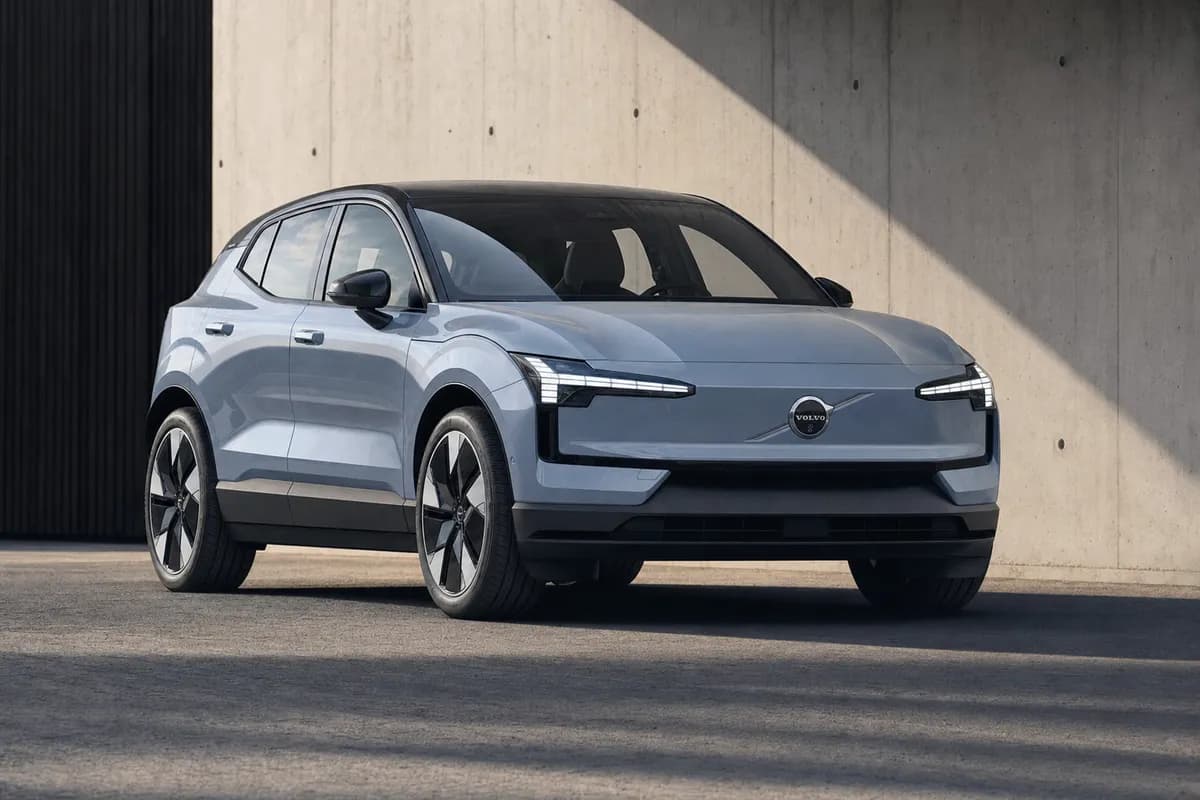
The reported 2027 Volvo EX50 would replace the current EX40, Volvo’s compact electric SUV formerly known as the XC40 Recharge. But the proposed change appears to be more than a simple name swap or mid-cycle redesign.
Volvo has not formally announced the EX50, its specifications, markets, production location, or pricing. Still, reports describing the model suggest it could sit above the EX30 in size while undercutting the EX40’s current price position, creating a more accessible electric SUV for buyers who need family-car practicality.
That is a notable shift. The EX40 is a capable and familiar product, but it began life as a combustion-platform vehicle and carries the cost compromises that come with adapting an existing architecture for battery power.
A clean-sheet successor could give Volvo more freedom to package the battery under the floor, stretch wheelbase without making the vehicle unwieldy, and reduce manufacturing complexity. Those are the basic ingredients needed to make an affordable electric SUV feel less like a stripped-down alternative.
- EX30: Volvo’s smallest electric SUV and its lowest-priced EV in many markets.
- Reported EX50: A potential volume-focused compact electric SUV positioned between the EX30 and EX60.
- EX40: The outgoing compact EV, based on an older architecture shared with the XC40 and C40.
- EX60: Volvo’s forthcoming midsize electric SUV, expected to occupy a more premium and larger segment.
Why a larger EV could cost less
“Bigger and cheaper” sounds contradictory until the underlying vehicle platform is considered. A purpose-built EV can be less expensive to build than a smaller vehicle adapted from an internal-combustion model, particularly when batteries, motors, wiring and software are designed into the architecture from the start.
The current EX40’s U.S. pricing has generally started above the $50,000 mark before destination charges, placing it firmly in premium territory. That is difficult ground for an electric crossover when buyers can find larger mainstream alternatives with longer advertised range for less money.
Volvo needs a vehicle that preserves its design and safety identity while broadening its customer base. The reported EX50 could be that product if it delivers the essentials buyers expect: realistic range, usable rear-seat room, fast charging, good winter efficiency and a price that does not require a luxury-brand budget.
Scale will be central to the equation. Volvo is part of Geely Holding, whose brands have access to shared EV engineering, battery sourcing and software development; those common components can lower costs if Volvo avoids excessive complexity and costly model-specific hardware.
| Model |
Approximate position |
Current or reported role |
Key pricing challenge |
| Volvo EX30 |
Subcompact SUV |
Entry point to Volvo EV ownership |
Keeping the lowest advertised price viable across markets |
| Reported 2027 Volvo EX50 |
Compact SUV |
Potential Volvo EX40 replacement and higher-volume family EV |
Offering more space without drifting into EX60 pricing |
| Volvo EX40 |
Compact SUV |
Current premium compact electric crossover |
Competing against newer dedicated EV platforms |
| Volvo EX60 |
Midsize SUV |
Higher-end electric family SUV |
Protecting premium margins in a crowded segment |
The margin problem behind affordable electric SUVs
Lower sticker prices alone do not make an EV strategy sustainable. Volvo, like other established automakers, must pay for battery cells, software development, regulatory compliance, factory tooling and a retail network while also protecting the premium pricing that supports the brand.
That is why the EX50’s likely engineering choices will matter more than its badge. A lower-cost battery chemistry, potentially lithium iron phosphate for entry versions, could reduce cost and improve durability, though it may come with trade-offs in energy density and cold-weather performance.
Volvo could also simplify its lineup. Fewer battery sizes, fewer motor combinations, standardized driver-assistance hardware and more tightly controlled option packages would help reduce build complexity and make production planning less risky.
The industry has already shown how difficult this balance can be. Tesla has used scale and frequent price changes to defend demand, while legacy manufacturers have often had to cut EV prices, delay investments or adjust production plans when sales did not match early forecasts.
For Volvo, the pressure is especially acute because it has stated an ambition to become fully electric, even as the broader market’s transition has proved uneven. A profitable compact EV is more strategically valuable than a low-volume halo model because it can bring new buyers into the brand and support fleet-emissions targets.
The reported EX50 matters not because it may be Volvo’s cheapest EV, but because it could become the vehicle that determines whether Volvo can sell electric cars at scale without abandoning its premium positioning.
Where the EX50 would fit in Volvo’s EV strategy
Volvo’s electric lineup is becoming more clearly tiered. The EX30 targets urban buyers and younger customers, the EX90 serves the three-row luxury market, and the coming EX60 is expected to address the high-volume midsize SUV class.
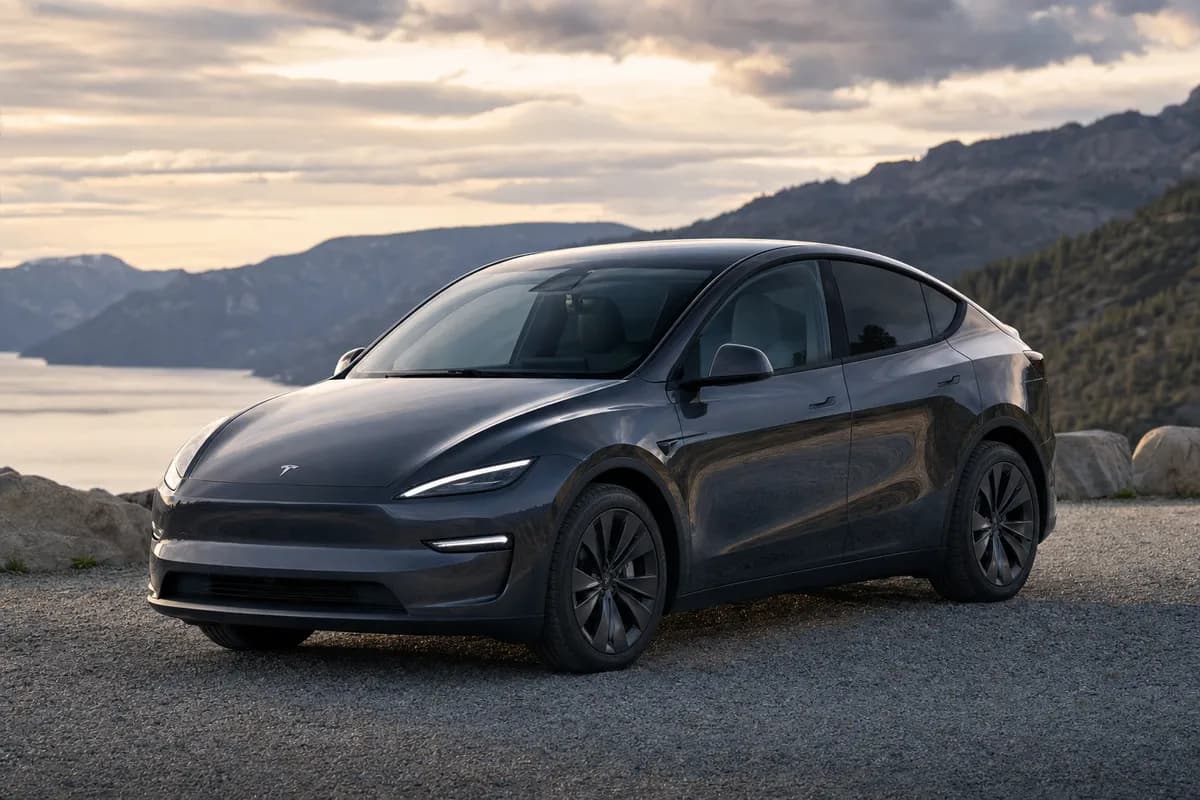
The gap is the mainstream compact segment. That is where the Volvo EX40 replacement would need to compete with vehicles such as the Tesla Model Y, Hyundai Ioniq 5, Kia EV6, Volkswagen ID.4 and Ford Mustang Mach-E, depending on market.
Those rivals make the assignment difficult. Some offer more range, more cargo room or lower transaction prices than the EX40, while Volvo counters with a distinctive Scandinavian interior, strong safety reputation and a growing software-defined vehicle approach.
The 2027 electric cars market may also look very different from today’s market. Battery costs could continue falling, lower-cost lithium iron phosphate packs may become more common in Europe and North America, and local-content rules could increasingly shape which models qualify for purchase incentives.
| Model |
Vehicle class |
Brand position |
What the buyer expects |
| Volvo EX30 |
Subcompact electric SUV |
Entry premium |
Compact dimensions, stylish design and lower entry cost |
| Reported Volvo EX50 |
Compact electric SUV |
Accessible premium |
Family space, competitive range and manageable monthly payments |
| Tesla Model Y |
Compact/midsize electric SUV |
Volume EV leader |
Efficiency, charging access and strong value |
| Hyundai Ioniq 5 |
Compact/midsize electric SUV |
Mainstream near-premium |
Fast charging, interior space and technology |
Volvo does not need to beat every rival on every metric. It does need to avoid a situation in which the EX50 is priced like a premium product but delivers range, charging performance or interior utility closer to a cheaper one.
Production geography will be another deciding factor. Building close to key sales regions can reduce logistics costs and tariff exposure, but local manufacturing requires enough volume to justify the investment and dependable battery supply.
Verdict: the EX50 could be Volvo’s most important EV
The reported 2027 Volvo EX50 is promising because it addresses a real weakness in the premium EV market: many buyers want a practical electric SUV, but not a $60,000 commitment. Replacing the EX40 with a dedicated, better-packaged model could make Volvo more competitive in the segment that matters most.
There is no guarantee that a lower price will follow, and Volvo has yet to confirm the vehicle. But if the company can combine a modern platform, disciplined equipment strategy, credible range and a meaningful price reduction, the EX50 could become the cornerstone of its Volvo EV strategy rather than simply another model name.
Frequently Asked Questions
Is the 2027 Volvo EX50 officially confirmed?
No. Volvo had not formally confirmed the 2027 Volvo EX50, its name, specifications or launch timing at the time of writing. The vehicle is based on reported product plans, so details including price, range and market availability could change.
Will the Volvo EX50 replace the EX40?
Reports indicate that the EX50 is intended to succeed the Volvo EX40 in the compact electric SUV lineup. If that happens, it would likely use a newer dedicated EV platform rather than the EX40’s combustion-era architecture.
How much could the Volvo EX50 cost?
Volvo has not announced pricing. The key expectation is that it could cost less than the current EX40 while offering more interior room, but its final price will depend on battery size, production location, tariffs and available incentives.
Where would the EX50 fit in Volvo’s electric SUV range?
The EX50 would likely sit above the smaller EX30 and below the larger EX60 and EX90. That would give Volvo a more direct competitor in the high-volume compact electric SUV market, where price and practicality carry more weight than flagship features.
Get the latest car reviews in your inbox
Join thousands of car enthusiasts. No spam, unsubscribe any time.



Comments
Leave a comment