Volvo’s June 2026 EV momentum stays strong as the EX30 and EX40 lead, setting up the EX60 to shake up 2027 premium SUV rivals.
Volvo’s electric push in Europe still has real traction. In June 2026, the brand remained one of the region’s most credible premium EV players, with the EX30 and EX40 giving it broad coverage in the two fastest-growing SUV sweet spots. That matters because 2027 premium electric SUV competition is shaping up around lineup depth, not just one headline model.
Volvo EV sales in Europe in June 2026 show a brand with momentum
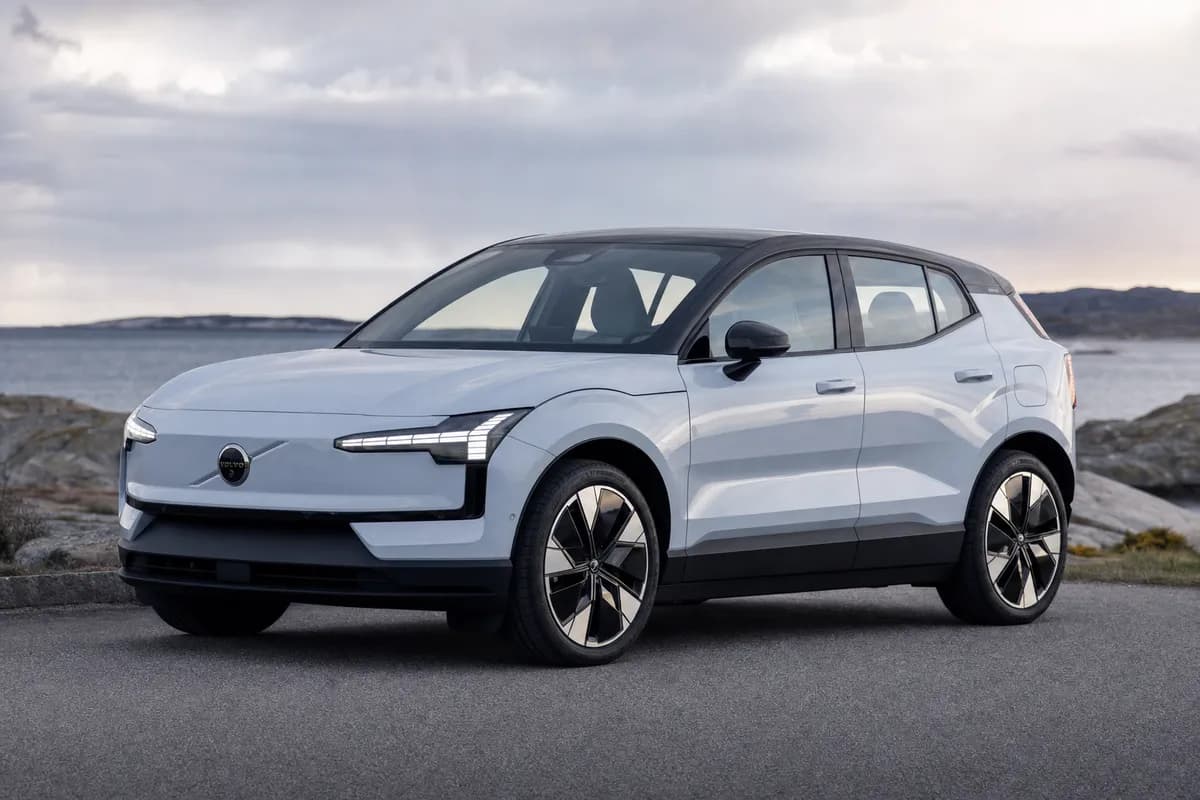
The key story in Volvo EV sales Europe June 2026 is consistency. Volvo is no longer leaning on a single flagship EV to carry its electric narrative. Instead, it now has a compact premium crossover in the Volvo EX30, a larger family-oriented SUV in the Volvo EX40, and the upcoming EX60 positioned to attack the heart of the midsize premium market.
That spread matters in the Europe electric car market 2026, where growth is increasingly uneven by country, fleet demand remains volatile, and consumers are still price-sensitive even in premium segments. Brands that can cover multiple SUV sizes with recognizable products have an advantage. Volvo now looks better placed than it did even a year ago.
Europe remains Volvo’s most natural EV battleground. The company benefits from strong brand recognition in Nordic markets, a loyal customer base in Germany, the UK, the Netherlands, and Belgium, and an identity built around safety, restrained design, and plug-in credibility. In a market where Tesla still leads mindshare and German brands dominate premium badges, that combination gives Volvo a defensible lane.
Why the EX30 and EX40 are doing the heavy lifting
The Volvo EX30 EX40 EX60 lineup strategy starts with the two models already in market. The EX30 gives Volvo an entry point that many premium rivals still do not match cleanly. It is smaller, more urban-friendly, and generally positioned at a price point that opens the brand to buyers who might otherwise shop a Tesla Model Y, a high-spec mainstream EV, or a lower-trim German premium crossover.
The EX40, meanwhile, remains the more established and more familiar product. It sits in a practical middle ground for European buyers who want premium branding, real family usability, and EV range without moving into larger, more expensive flagship territory. That makes it a useful bridge between compact premium EV shoppers and traditional Volvo loyalists moving out of combustion or plug-in hybrid models.
Together, the pair helps Volvo avoid a common problem in premium EV rollouts: over-reliance on one body style, one price band, or one customer type. The EX30 attracts younger buyers and urban households. The EX40 speaks more directly to families and existing Volvo owners. The EX60 should expand that reach again.
- EX30: compact premium electric SUV, lower entry price, urban appeal, strong design differentiation.
- EX40: established midsize-leaning compact SUV, broader family usability, familiar Volvo proposition.
- EX60: expected to target the most contested premium midsize electric SUV segment in Europe.
This is where Volvo’s June 2026 European performance matters beyond one month of sales. The company has a lineup architecture that can scale. In the premium EV market, scale now comes from covering adjacent segments well, not just selling a single breakout model.
The EX60 could become Volvo’s most important EV in 2027
If the EX30 got attention and the EX40 provided continuity, the EX60 could be the model that changes Volvo’s competitive weight in Europe. The midsize premium SUV class is where some of the biggest EV battles will be fought in 2027. It is also where buyers tend to spend more, expect stronger refinement, and compare brands more directly on technology, charging, and residual value.
Volvo knows the significance of the “60” badge. In combustion and plug-in form, the XC60 has long been one of the brand’s most important products. An electric successor with the right pricing, range, and software execution would place Volvo squarely in the middle of the market where BMW, Mercedes-Benz, Audi, and Tesla all want volume.
The challenge is not just engineering. It is positioning. The EX60 must be premium enough to justify Volvo’s badge and margins, but not so expensive that it gets squeezed between larger luxury EVs above and aggressive mainstream-plus models below. In Europe, that balance will be critical.
For 2027, the EX60 could matter for three reasons:
- Segment size: midsize SUVs remain the core family format in many European premium markets.
- Brand fit: Volvo’s safety-led, understated identity naturally aligns with buyers in this class.
- Competitive timing: several rival premium EV lineups are still being refreshed, renamed, or repositioned.
How Volvo stacks up against Tesla, BMW, Mercedes-Benz, and Audi
The broader Tesla BMW Mercedes Audi EV sales picture in Europe is becoming more fragmented. Tesla remains a benchmark on charging, software familiarity, and scale, but its dominance is less absolute once the market is split by segment and price. The Model Y still sets the pace for many rivals, yet not every premium buyer wants Tesla’s design philosophy, interior minimalism, or brand image.
BMW is expanding its EV presence with a wider range of products and typically remains strong in driving dynamics, brand pull, and fleet relevance. Mercedes-Benz continues to chase premium differentiation through comfort, technology, and luxury positioning, though some of its dedicated EV designs have had mixed reception. Audi has premium credibility and dealer reach, but in some segments it still faces pressure to sharpen software performance, charging value, and product clarity.
Volvo’s opportunity is not to outsell all of them across the board. It is to target the overlaps where its brand is strongest and buyer expectations are more specific. In Europe, those overlaps include safety-conscious families, urban premium households, and former diesel-SUV customers who want an EV without making a radical change in lifestyle or taste.
- Against Tesla: Volvo offers a more traditional premium interior feel and a stronger comfort-and-safety identity.
- Against BMW: Volvo can compete on design restraint, simplicity, and lower-profile premium appeal.
- Against Mercedes-Benz: Volvo may appeal to buyers who want less visual theater and more functional premium packaging.
- Against Audi: Volvo has a chance to win buyers looking for a fresher EV narrative and a cleaner product hierarchy.
That does not mean Volvo has a clear path. Tesla still has scale advantages. BMW, Mercedes-Benz, and Audi have enormous customer retention power in Europe. But Volvo no longer looks like a niche premium EV side player. By June 2026, it looked more like a focused contender building from the compact end upward.
Why Volvo’s lineup depth could reshape premium electric SUV competition in 2027
The real significance of Volvo’s 2026 European EV momentum is strategic. Premium EV competition is moving beyond launch headlines and into portfolio battles. Buyers want choice on size, price, range, and design, while regulators and market conditions continue pushing brands toward cleaner mixes and stronger EV penetration.
Volvo’s compact-to-midsize approach is well timed. The EX30 gives the brand a relatively accessible entry point. The EX40 keeps Volvo present in a proven family segment. The EX60, if executed well, could become the high-volume center of gravity that ties the lineup together.
That three-step structure could make Volvo more disruptive than brands with either a narrower EV offer or a lineup that is still in transition. In the 2027 premium electric SUV competition, that is a serious advantage. Customers shopping within premium badges increasingly expect a ladder of choices, not a one-model pitch.
Volvo’s edge is not flash. It is lineup logic. In Europe’s premium EV market, that may prove more durable than hype.
Verdict: Volvo is not leading the premium EV race, but it is getting harder to ignore
June 2026 did not make Volvo the dominant force in Europe’s premium EV market. Tesla remains hugely influential, and BMW, Mercedes-Benz, and Audi still have deeper scale, broader portfolios, and entrenched customer bases. But Volvo has done something important: it has built enough EV coverage to become relevant across multiple premium SUV buying decisions.
That is why Volvo EV sales Europe June 2026 deserve attention. The EX30 and EX40 are already giving the brand a stronger electric foundation, and the Volvo EX30 EX40 EX60 progression could make it one of the most coherent premium SUV lineups in Europe by 2027. If the EX60 lands in the right place on price, usability, and execution, Volvo could become one of the market’s most effective disruptors without ever trying to be the loudest brand in the room.
Affiliate disclosure: This article contains affiliate links. RevvedUpCars may earn a small commission on qualifying purchases at no extra cost to you.