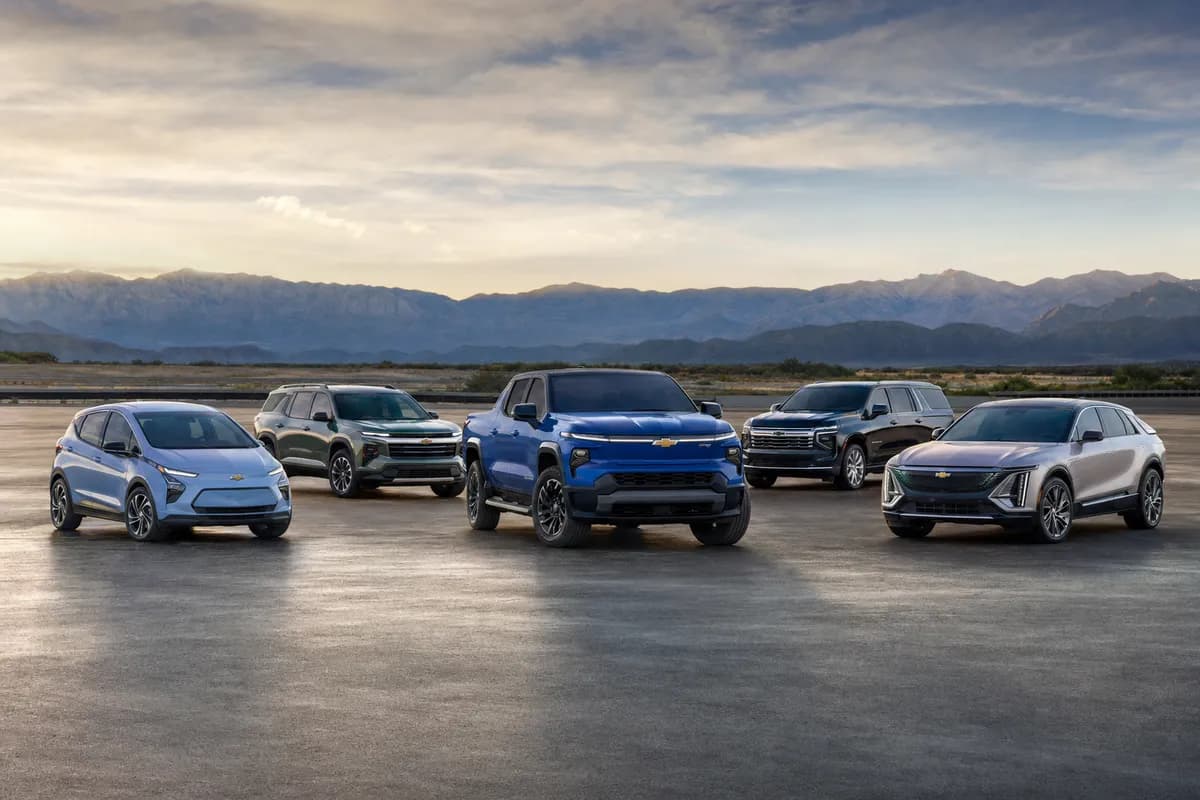
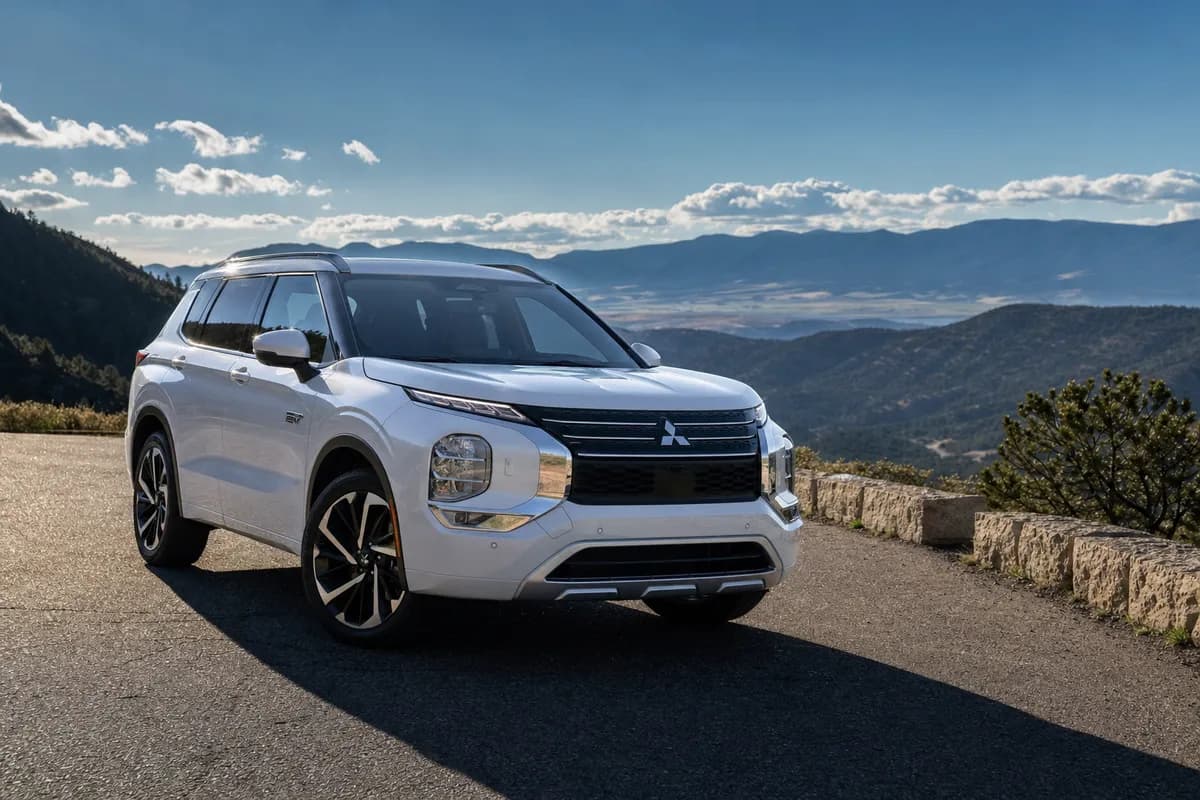
GM’s July 2026 product reset signals fewer “all-in EV” bets, more hybrids, and pricing caution, reshaping plans for the 2027 Bolt and beyond.
General Motors is no longer talking like an automaker racing toward an all-EV finish line. Its July 2026 product reset points to something more pragmatic: cheaper EVs where they can work, more gas and hybrid options where they still sell, and a slower, broader transition than GM once promised.
That matters because GM’s 2026-2027 lineup now looks a lot more like the U.S. market itself. Demand for EVs is still growing, but unevenly, and affordability has become the central problem for buyers.
GM’s July 2026 reset is less about retreat than recalibration
The clearest message in GM’s current lineup planning is that flexibility has replaced absolutism. A few years ago, GM framed its future around an aggressive EV ramp and a goal of moving beyond internal-combustion light-duty vehicles by 2035. In July 2026, the company’s product cadence suggests a different approach: keep launching EVs, but spread risk across gasoline, hybrid, and battery-electric models.
That shift does not mean GM is abandoning EVs. It means the company is responding to a market where charging access, battery costs, insurance, and monthly payments are limiting mainstream adoption more than early forecasts assumed. For shoppers, the new GM EV strategy July 2026 looks less ideological and more grounded in what people can actually afford.
GM has several reasons to change course. EV demand in the U.S. has cooled from its earlier breakneck pace, especially in the higher-priced parts of the market. At the same time, hybrid sales have surged industrywide because they cut fuel use without asking buyers to change how or where they refuel.
- EVs remain a priority, especially in lower-cost crossovers and entry models.
- Large premium EVs face more pressure because price and charging habits matter more at scale.
- Hybrids and efficient gasoline models now play a larger role in protecting volume and margins.
That makes GM look more like Ford, Hyundai, and Toyota in strategic terms. The difference is that GM had previously tied more of its identity to an all-in battery-electric narrative, so this reset carries more symbolic weight.
What the 2027 Chevrolet Bolt says about affordability
If one vehicle captures GM’s revised thinking, it is the 2027 Chevrolet Bolt. The Bolt name survived because it still means something valuable in the U.S. market: attainable EV ownership. GM’s plan to bring back a next-generation Bolt on its newer battery architecture always mattered, but it matters more now because the entire market has shifted toward value.
The original Bolt succeeded despite compromises in charging speed, interior refinement, and packaging because it offered something many rivals did not: a recognizable brand-name EV at a relatively reachable price. That same formula is even more relevant in 2026. Buyers worried about affordability do not need another halo vehicle. They need a monthly payment that makes sense.
For GM, the new Bolt serves several jobs at once:
- It gives Chevrolet a true entry EV below larger crossovers and trucks.
- It helps the company keep EV volume moving even if demand softens at the high end.
- It provides a fallback if mainstream buyers hesitate on pricier Ultium-based models.
The key question is execution. If GM can price the next Bolt clearly below the Equinox EV and keep range competitive with other compact EVs, it could become one of the company’s most strategically important launches of the decade. If it creeps upmarket on price, it risks losing the very role that made the Bolt valuable.
Equinox EV affordability remains the real test of GM’s mass-market EV push
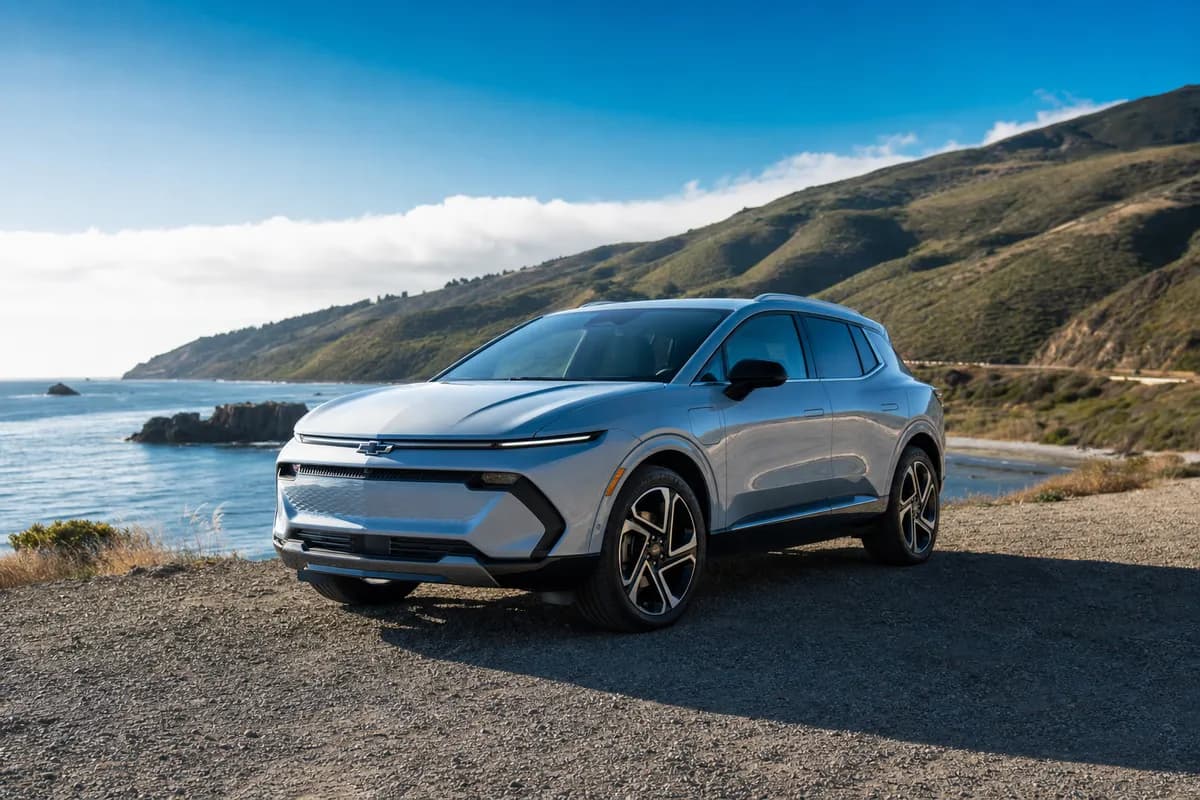
The Equinox EV affordability story matters more than any single luxury launch because compact crossovers are where the U.S. market lives. GM has long positioned the Equinox EV as its breakthrough mainstream electric product. In practice, that promise depends less on headline range and more on transaction prices, trim availability, and financing.
On paper, the Equinox EV checks the right boxes. It sits in one of America’s strongest segments, carries a familiar badge, and offers a more approachable size than oversized electric pickups or premium SUVs. But mainstream buyers do not shop on paper. They shop around monthly cost, insurance, and whether the lower trims are actually available in volume.
That is where GM’s product reset becomes revealing. The company still needs the Equinox EV, but it appears less willing to assume that EV demand alone will carry the nameplate family. A broader mix of gas, hybrid, and electric utility vehicles gives GM more ways to hold share if the Equinox EV lands too close to gasoline alternatives in real-world ownership cost.
For buyers cross-shopping, the Equinox EV now sits in a tougher context:
- Against gas compact SUVs, it must justify a higher upfront price with fuel and maintenance savings.
- Against hybrids, it loses the convenience argument for households without easy home charging.
- Against lower-priced EVs, it must prove that its space and range are worth the premium.
If GM can keep the Equinox EV available in genuinely attainable trims, it remains central to the company’s electric future. If affordability slips, the model risks becoming another well-reviewed EV that still misses mainstream volume targets.
Silverado EV and Lyriq show the limits of the premium-and-large EV playbook
The outlook for the Silverado EV and Lyriq helps explain why GM is broadening its powertrain strategy. Both vehicles matter technologically and strategically, but they also sit in parts of the market where EV adoption is less straightforward than early enthusiasm suggested.
The Silverado EV demonstrates GM’s battery capability, towing ambition, and software-heavy truck future. It also carries the core challenge of electric pickups: they are expensive, physically large, and highly sensitive to real-world use cases such as towing, cold weather, and charging speed on long trips. For commercial fleets with fixed routes, the equation can work. For many retail buyers, it is still harder.
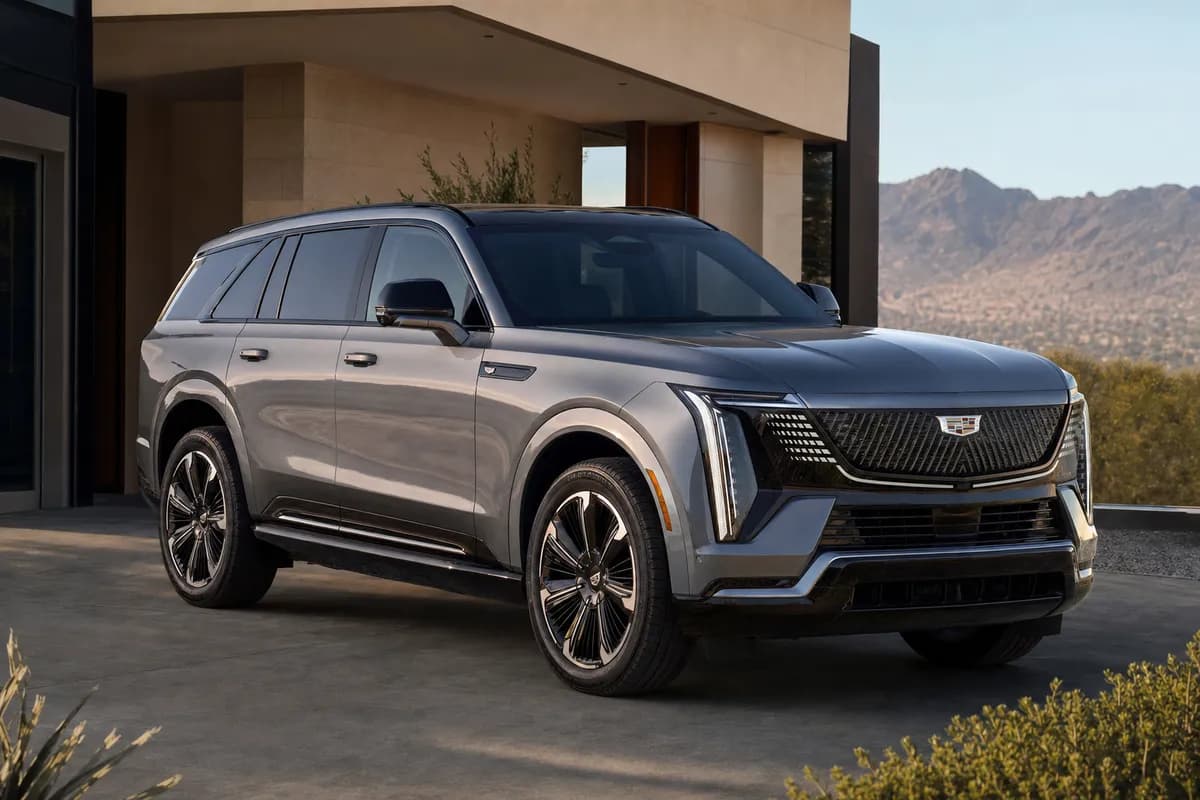
Cadillac’s Lyriq has arguably made the cleaner consumer case. It combines luxury branding, strong design, and the quiet, smooth driving character that suits an EV well. But luxury EV demand is no longer limitless, and competition from Tesla, BMW, Mercedes-Benz, Volvo, and Hyundai’s premium-adjacent entries has intensified.
Taken together, these two products show why GM cannot rely on expensive EVs alone to define the next phase of growth. High-end EVs build image and help absorb battery investment, but they do not automatically solve the volume problem.
- Silverado EV: strong tech story, but constrained by price and truck-buyer expectations.
- Cadillac Lyriq: credible luxury EV, but in a crowded premium field.
- Broader lesson: GM still needs cheaper, simpler EVs to scale meaningfully.
GM hybrid expansion marks the biggest strategic change
The most consequential part of the reset may be the one GM once resisted most clearly: GM hybrid expansion. For years, the company emphasized battery EVs over conventional hybrids, leaving that middle ground to rivals such as Toyota and Ford. Now, hybrids look increasingly useful as a hedge against slower EV adoption and tougher affordability math.
This is not just about fuel economy. Hybrids give GM a way to lower emissions, meet customers where they are, and preserve buyer choice in regions where public charging remains patchy. They also let the company offer more efficient versions of high-volume models without requiring the full battery cost of a pure EV.
From a business perspective, hybrid expansion also buys time. It allows GM to keep improving battery costs and manufacturing scale while still competing in segments where fully electric products remain either too expensive or too compromised for mass adoption. That is a much more defensible position than forcing every product category into an EV timetable the market has not fully accepted.
GM’s revised lineup suggests the company now sees hybrids not as a distraction from electrification, but as a bridge that can hold profit, volume, and compliance together while EV demand matures.
For consumers, that is likely good news. More hybrid options usually mean lower fuel bills without the charging anxiety that still keeps many households on the sidelines. For GM, it is also an admission that the path to an electric future will be longer and messier than its earlier messaging implied.
Verdict: this is a smarter GM, but buyers should watch pricing closely
GM’s July 2026 product reset signals a bigger pullback from its earlier all-in EV posture, even if the company would not frame it that way. The 2027 Bolt, Equinox EV, Silverado EV, and Cadillac Lyriq all still matter. But they now sit inside a strategy that is less about proving a point and more about surviving a slower, cost-sensitive transition.
The winners in that approach are likely to be buyers who want options. A cheaper Bolt could become one of the most important mainstream EV launches in America. The Equinox EV still has a path to relevance, but only if affordability remains real at the dealership, not just in press materials.
Meanwhile, the Silverado EV and Lyriq will continue to showcase GM’s electric capability, but they are no longer enough to define the company’s trajectory by themselves. The bigger story is the expansion of gas and hybrid offerings around them. That is not a reversal of electrification. It is a recognition that in 2026 and 2027, the U.S. market is asking for a transition plan, not a purity test.
For shoppers worried about cost, that may be the most encouraging signal of all. GM seems to understand that the next phase of adoption will be won on price, practicality, and patience.
Affiliate disclosure: This article contains affiliate links. RevvedUpCars may earn a small commission on qualifying purchases at no extra cost to you.