Hybrid pickup owners are building a new DIY community around 12-volt power, high-voltage know-how, and smart brake-and-tire setups for real towing.
Something interesting is happening in truck circles. Owners of hybrid and range-extended pickups are starting to swap notes the way diesel guys, overlanders, and autocross nerds always have—except now the talk is about inverters, battery cooling, regen feel, and how to run a campsite off the bed without making the truck look like a science project.
That is why the 2026 Ford F-150 PowerBoost, 2027 Toyota Tundra i-FORCE MAX, and 2027 Ram 1500 Ramcharger are becoming the backbone of a new DIY community. These trucks still tow, haul, and commute like real half-tons, but they also reward owners who understand both 12-volt basics and high-voltage common sense.
The New Hybrid-Truck Crowd Is Built Around Real Use, Not Gimmicks
The old stereotype says electrified trucks are for buyers who never leave pavement. The owners proving otherwise are using these rigs for jobsite duty, trailers, tailgates, hunting camps, and daily school-run miles, then comparing notes online about what actually helps and what just adds weight, glare, and monthly payments.
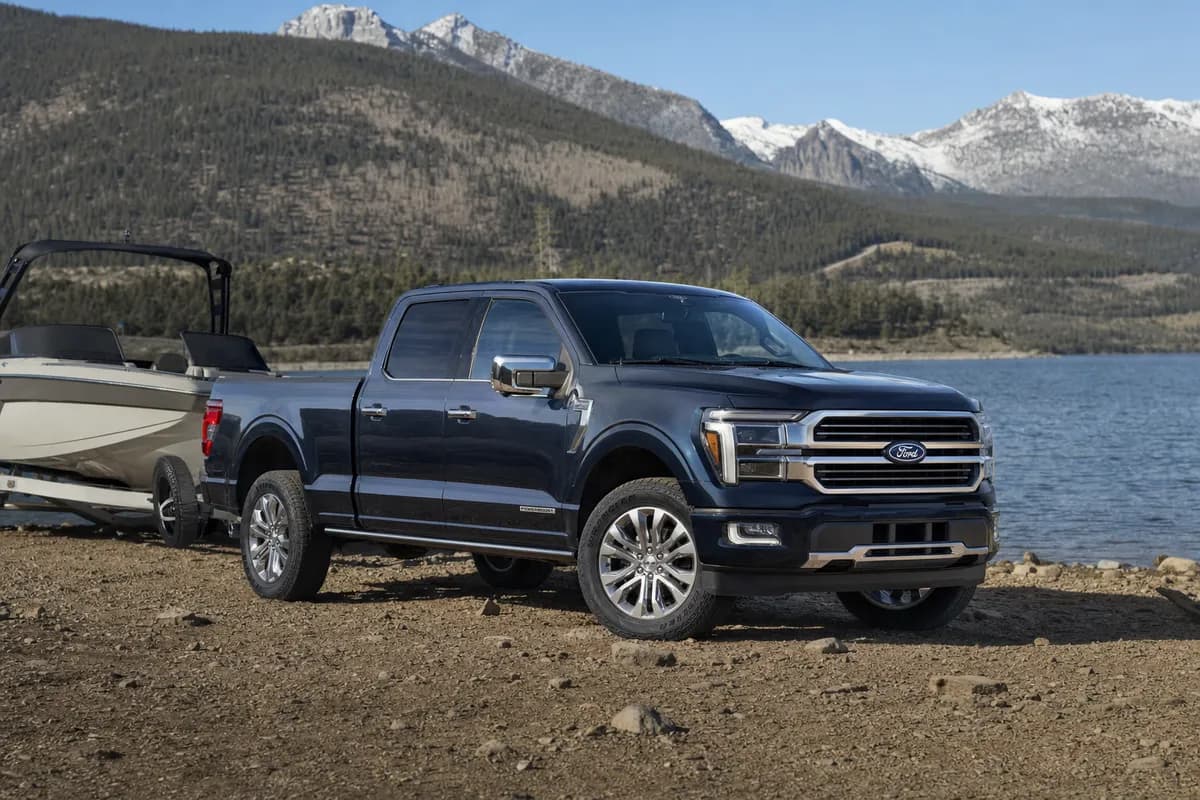
The 2026 Ford F-150 PowerBoost remains the most familiar template for this crowd. Its twin-turbo 3.5-liter EcoBoost hybrid setup still blends V6 torque with strong low-speed response, and Ford’s Pro Power Onboard system made bed power mainstream years ago. That head start matters because it taught owners to think of a truck as both tow rig and rolling generator.
The 2027 Toyota Tundra i-FORCE MAX maintenance conversation is different but just as active. Toyota’s 3.4-liter twin-turbo V6 hybrid has built a reputation for stout torque and good drivability, and owners tend to focus on longevity, cooling-system cleanliness, brake feel, and tire choices that preserve refinement while improving payload and trailer stability.
Then there is the 2027 Ram 1500 Ramcharger DIY scene, which could get very big, very fast. Ram’s range-extended layout uses a battery-electric drive system with a gasoline engine acting as a generator, creating a truck that feels EV-smooth at the wheels but still suits long-distance towing and rural use where charging can be inconvenient. That makes it catnip for tinkerers who want modern tech without surrendering road-trip flexibility.
12-Volt Confidence and High-Voltage Respect: The New DIY Baseline
If this community has a rule, it is simple: learn the difference between accessories you can safely touch and systems you should not casually disturb. The 12-volt side still powers familiar items like lights, trailer accessories, compressors, relays, and many aftermarket modules. The high-voltage side is where the traction battery, orange-cabled components, and serious risk live.
You do not need to fear these trucks, but you do need discipline. Good owners are learning to do the same thing experienced techs do: leave sealed high-voltage hardware alone unless service information explicitly says otherwise and you have proper training, PPE, and lockout procedures. That is not gatekeeping. That is staying alive and keeping your truck insurable.
Smart DIY jobs owners can handle
- 12-volt battery testing and replacement using manufacturer procedures and battery registration when required.
- Bed lighting upgrades that plug into factory accessory circuits without hacking the main harness.
- Trailer brake controller, dash cam, and air-compressor installs using fused, documented power sources.
- Scan-tool monitoring of charging-system health, brake wear data, and fault codes before they become expensive problems.
Jobs best left to trained hybrid/EV technicians
- High-voltage battery, inverter, and motor service
- Orange-cable repairs or modifications
- Thermal management system work involving battery cooling loops or HV isolation checks
- Post-collision electrical diagnosis on any electrified drivetrain component
The biggest culture shift is that responsible owners now brag less about “beating the system” and more about doing clean installs. That means weatherproof connectors, proper loom, documented fuse sizing, and OEM service manual screenshots in the glove box. That is enthusiast maturity, and it is long overdue.
Hybrid Truck Bed Power Upgrades Are the Gateway Mod
Ask ten owners what sold them on electrified pickups and several will mention onboard power before fuel economy. Ford made this mainstream with Pro Power Onboard outputs that can support tools, cookers, lights, and event gear right from the truck. Tundra and Ram owners are now chasing the same practical payoff with factory accessory integration and smart inverter strategies where applicable.
The best hybrid truck bed power upgrades are not flashy. They are organized, reversible, and built around the loads you actually run. A clean bed-side panel with labeled outlets, weatherproof USB-C charging, and a tied-down portable fridge setup beats a rat’s nest of extension cords every time.
OEM-plus bed power ideas that actually improve truck life
- Factory-style bed lighting for campsite setup, hitching after dark, and jobsite use
- Weather-sealed 12-volt accessory ports mounted in existing bed panel locations
- Lockable power storage boxes for cords, adapters, gloves, and recovery gear
- Quick-disconnect air system setups for airing tires up after towing or trail use
- Low-draw fridge/freezer integration with proper fuse protection and tie-downs
The trick is load planning. Know what wattage your cooker, grinder, charger, or induction plate really pulls, and leave margin. Enthusiasts who treat onboard power like a real system—not a novelty—end up with trucks that are more useful at football games, race weekends, and remote campsites than many older gas-only pickups.
Brake-and-Tire Strategy Matters More Than Chrome Add-Ons
Electrified pickups are heavy. Even when regenerative braking helps reduce pad wear in some conditions, curb weight, tongue weight, and all the extra gear owners tend to carry can punish mediocre tires and bargain brake parts. That is why the smartest mods are usually boring from 20 feet away.
For electrified pickup towing tips, start with tires before suspension lifts or oversized wheels. A quality LT tire or a properly rated XL tire, depending on payload needs and manufacturer guidance, can sharpen trailer stability and improve steering feel without wrecking ride quality. Choose a tread that matches your real use, not your social-media fantasy.
What works for towing and daily use
- Premium tires with strong wet braking and stable sidewalls
- OEM or high-quality aftermarket pads and rotors designed for truck duty
- Fresh brake fluid on schedule, especially on trucks that tow often in heat
- Alignment checks after tire changes, pothole hits, or accessory weight additions
- Trailer brake tuning matched to load, road conditions, and regen behavior
This is especially relevant for 2027 Toyota Tundra i-FORCE MAX maintenance. Tundra owners who tow regularly should pay attention to tire wear patterns, brake feel consistency, and cooling-system health, because hybrid torque can mask mechanical issues until they become expensive. Smooth, quiet operation is great, but it can hide neglect.
On the Ford side, the best 2026 Ford F-150 PowerBoost mods are often simple: upgraded all-weather brake pads, a tire-and-wheel package that keeps overall diameter close to stock, and a bed setup that improves utility without adding hundreds of pounds. Ramcharger owners should think the same way. Added mass hurts efficiency, stopping distance, and ride, no matter how advanced the drivetrain is.
OEM-Plus Mods Are Defining the Look of This Community
The aesthetic of the hybrid-truck crowd is refreshingly restrained. These owners want trucks that look factory-correct, tow well, and age gracefully. You see fewer angry grilles and more subtle wheel choices, factory-style switches, and accessories that appear as if the truck should have come that way.
That approach makes sense because these drivetrains are already complicated and expensive. Cutting into harnesses for bargain LEDs or bolting on aero-wrecking junk for style points is a bad trade. The best trucks in this scene are the ones that still look clean in five years and still pass a serious pre-trip inspection.
OEM-plus upgrades owners keep recommending
- Factory accessory switches or relay-triggered control panels instead of universal toggle chaos
- Mild tire upsizing without major gearing or calibration headaches
- Bed mats, modular cargo dividers, and rail systems for gear control
- Quality trailer mirrors and camera aids for safer backing and lane changes
- Underbody protection and splash-control pieces that preserve wiring and connectors
The best electrified pickup mod is the one that makes the truck more useful on Monday, not just more impressive on Saturday.
That attitude also shapes the emerging 2027 Ram 1500 Ramcharger DIY culture. Owners are likely to focus on software-friendly accessories, rolling power management, cargo organization, and trailer support gear instead of hot-rodding the core propulsion system. With a range-extended truck, the clever move is improving the mission, not fighting the architecture.
Verdict: The Hybrid-Truck DIY Scene Is Real, and It Is Getting Smarter
The new electrified pickup community is not trying to replace old-school truck culture. It is adding a new branch to it. These owners still care about towing numbers, tire wear, brake feel, bed utility, and road-trip range; they just also care about inverter loads, regen behavior, and whether a truck can power a tailgate setup without a noisy generator.
If there is a lesson here, it is that restraint wins. Learn your 12-volt systems, respect the high-voltage hardware, choose bed-power upgrades that solve real problems, and spend money on brakes, tires, and clean OEM-plus accessories before cosmetic fluff. Done right, the 2026 Ford F-150 PowerBoost, 2027 Toyota Tundra i-FORCE MAX, and 2027 Ram 1500 Ramcharger can be better tow rigs, better daily drivers, and better weekend tools without looking tacky or trying too hard.
Affiliate disclosure: This article contains affiliate links. RevvedUpCars may earn a small commission on qualifying purchases at no extra cost to you.