Cadillac is slowing its all-electric push and extending gas SUV life, reshaping expectations for the 2027 Escalade IQ, Lyriq, Optiq, and more.
Cadillac is no longer pretending the luxury market will flip to electric on command. In July 2026, the brand’s all-EV transition has clearly slowed, with key gasoline SUVs staying in the lineup longer than many expected. That matters because Cadillac now has to sell both the future and the familiar at the same time.
Cadillac’s July 2026 EV delay is really a demand reality check
For several years, Cadillac positioned itself as General Motors’ clearest luxury EV play. The Lyriq launched first, the Escalade IQ followed, and the smaller Optiq broadened the range. The message was simple: Cadillac would move fast, go upscale, and leave gasoline behind.
That timetable now looks looser. The Cadillac EV delay July 2026 is less about abandoning electrification than admitting that luxury buyers are transitioning unevenly. Some want the technology, the quiet, and the design of an EV. Others still want a familiar V6 or V8, fast refueling, and no charging compromises.
Cadillac’s response is practical. Keep selling EVs aggressively, but extend the life of profitable internal-combustion SUVs like the XT5 and XT6 while demand remains. For dealers, that is not backtracking. It is inventory strategy.
The move also reflects a broader 2026 market trend. EV adoption is still growing, but not at the straight-line pace many automakers once projected. In the luxury space, where buyers often have multiple vehicles and high expectations for convenience, hesitation around charging, road-trip usability, and resale value remains real.
What it means for the 2027 Escalade IQ, Lyriq, and Optiq
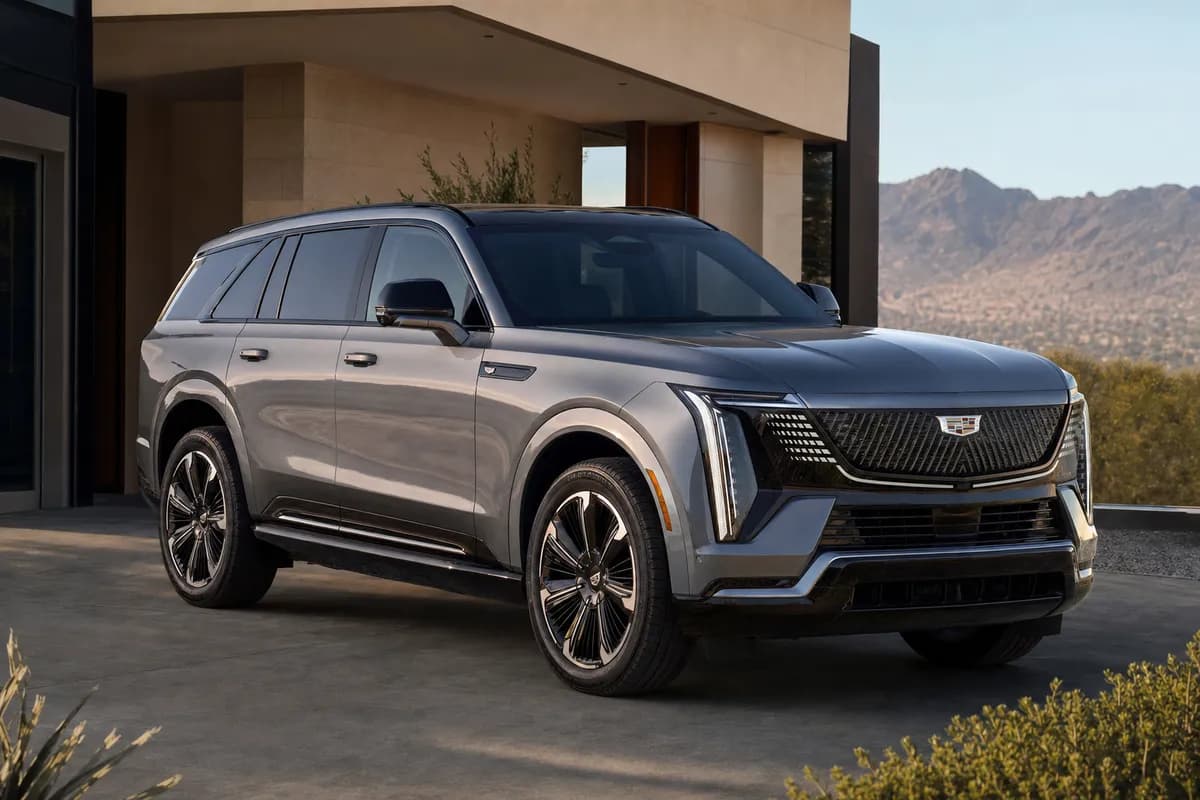
The electric side of Cadillac’s portfolio is still expanding, and the 2027 Escalade IQ remains central to that plan. It is the flagship statement vehicle: large, expensive, tech-heavy, and designed to prove that a full-size luxury SUV can go electric without giving up presence. But Cadillac now appears more willing to let the EV Escalade coexist with gasoline models for longer, rather than forcing a hard handoff.
That matters because the Escalade name carries enormous brand equity. Traditional Escalade buyers are often loyal, affluent, and conservative in their buying habits. Many may admire the IQ’s design, packaging, and performance while still choosing a gasoline Escalade because it fits their routine better today.
The Lyriq remains Cadillac’s most important mainstream luxury EV. It established the brand’s electric look, brought the Ultium-based hardware into showrooms, and gave Cadillac a genuine competitor in the midsize premium EV segment. But strong product reviews do not automatically translate into a complete shift away from ICE, especially when buyers can cross-shop hybrid, plug-in hybrid, and conventional rivals.
The smaller Optiq plays a different role. It is intended to broaden access to the brand and capture younger luxury shoppers who may be more open to an EV as a primary vehicle. Even so, Lyriq Optiq sales will now be judged not just on volume, but on whether they can pull buyers out of BMW, Mercedes-Benz, Audi, Tesla, and Volvo without forcing Cadillac to give up profitable gasoline sales too early.
- Escalade IQ: halo product, high-margin, image-defining, but still a tougher leap for traditional full-size SUV buyers.
- Lyriq: core luxury EV, broadest relevance, and the clearest test of Cadillac’s electric execution.
- Optiq: entry point for conquest buyers and a volume builder if pricing and lease terms stay competitive.
In short, Cadillac’s EV models are still crucial. The difference is that they no longer have to carry the entire brand transition on their own by a fixed date.
The Cadillac XT5 and XT6 future now matters more than expected
The biggest immediate impact of Cadillac’s strategy shift may be on its conventional crossover lineup. The Cadillac XT5 XT6 future looked increasingly uncertain when the brand was talking most aggressively about going all-electric. Now both models have fresh relevance.
The XT5 remains a useful vehicle for Cadillac even late in its lifecycle. It sits in a sweet spot for buyers who want a premium SUV without the price, size, or attention of an Escalade. It also gives dealers a familiar product for customers who are not ready to jump into a Lyriq.
The XT6 serves a similar purpose, especially for families who want three rows but are not sold on a large EV yet. In many parts of the U.S., a gasoline three-row luxury SUV still answers practical concerns more cleanly than an electric alternative. That includes road-trip flexibility, towing expectations, and charging access outside major metro areas.
For Cadillac, extending these vehicles does three things:
- Protects showroom traffic from buyers who would otherwise leave for Lexus, Acura, BMW, or Mercedes-Benz.
- Supports dealer profitability with familiar, easier-to-explain products alongside newer EVs.
- Buys time for battery costs, charging infrastructure, and consumer confidence to improve.
This is especially important in the luxury market, where buyers expect choice. A premium brand can push technology, but it cannot ignore convenience. If Cadillac had pulled XT5 and XT6 too quickly, some customers would not have “graduated” into an EV. They would have defected to another brand.
Why luxury SUV electrification is moving slower than early forecasts
Luxury SUV electrification is happening, but the pace is uneven because premium buyers are not a single group. Some adopt early and treat EV ownership as part of a lifestyle. Others are willing to pay for innovation, but only when it creates no practical tradeoffs.
That distinction matters. A buyer considering a Lyriq or Optiq may love the instant torque, the quiet cabin, and home charging convenience. The same buyer may still hesitate if apartment charging is unreliable, if public fast charging is inconsistent, or if long-distance travel requires too much planning.
Cadillac is not alone here. Mercedes-Benz has adjusted its EV expectations. Ford slowed some EV spending plans. Even brands with strong electric offerings have found that hybrids and efficient ICE models still do heavy lifting in the market. Cadillac’s July 2026 shift fits that industry pattern.
There is also a pricing issue. Luxury EVs can deliver strong performance and advanced tech, but transaction prices remain high, and incentives can change quickly. For some buyers, a well-equipped gasoline XT5, XT6, or traditional Escalade still feels like the safer purchase.
Cadillac’s reset does not mean its EVs failed. It means the brand is aligning production and product timing with how luxury customers are actually shopping in 2026.
Dealer strategy is a big part of this. A Cadillac retailer needs multiple paths to close a sale: full EV for the ready buyer, gasoline SUV for the hesitant one, and enough flexibility in the lineup to keep both in the franchise. That is not ideological. It is commercial reality.
Verdict: Cadillac is making the smart luxury move, even if it looks less bold
Cadillac’s decision to delay a full all-EV transition and keep gasoline SUVs alive longer is a sign of discipline, not weakness. The brand still needs the Lyriq, Optiq, and 2027 Escalade IQ to define its future. But it also needs XT5, XT6, and conventional Escalade models to hold buyers who are still unsure about going fully electric.
For luxury buyers, that means more choice and less pressure. Shoppers ready for an EV will still find credible Cadillac options with strong design and modern tech. Buyers who are not ready to abandon ICE will still have a path into the brand without feeling pushed into a compromise.
The key question now is not whether Cadillac will go electric. It will. The real question is whether it can manage the transition better than rivals by matching product timing to actual demand rather than to old headlines.
Right now, that looks like the smarter play. Cadillac is still chasing an electric future, but in July 2026 it is finally doing so with a more realistic view of the luxury SUV market.
Affiliate disclosure: This article contains affiliate links. RevvedUpCars may earn a small commission on qualifying purchases at no extra cost to you.