Mitsubishi’s EV rollout is slipping further in July 2026 as it leans on Nissan and Foxconn, raising questions for the 2027 Outlander PHEV.
Mitsubishi has spent years talking about electrification while moving slowly in the market that now needs it most. In July 2026, that delay looks deeper, not smaller, as the company leans harder on Nissan and Foxconn instead of pushing a clear in-house EV rollout for the U.S.
That matters because the biggest gap in the American EV market is no longer the six-figure halo car. It is the affordable electric crossover 2027 buyers have been waiting for, and Mitsubishi risks missing the moment again.
Mitsubishi’s EV strategy in 2026 is becoming a dependence story
The core issue with the Mitsubishi EV strategy 2026 is not that the brand lacks access to electric technology. It is that Mitsubishi increasingly appears to be sourcing its future from partners rather than defining it itself.
Mitsubishi remains part of the Renault-Nissan-Mitsubishi Alliance, and that gives it a path to shared platforms, batteries, software, and manufacturing. More recently, Foxconn has emerged as another potential piece of Mitsubishi’s electric future, reflecting a strategy built around external capability instead of internal speed.
On paper, that can be rational for a smaller automaker. Mitsubishi does not have the scale of Hyundai, General Motors, or Volkswagen, and developing a dedicated EV architecture from scratch for low-volume U.S. sales would be hard to justify.
The problem is timing. The U.S. EV market in 2026 is no longer rewarding vague promises. Buyers want lower prices, better charging access, and vehicles that feel purpose-built, while dealers need product they can actually sell against the Tesla Model Y, Chevrolet Equinox EV, Hyundai Kona Electric, Kia EV3-class entries, and the next wave of compact electric crossovers.
Why Nissan and Foxconn matter to Mitsubishi’s next moves
The Mitsubishi Nissan Foxconn EV dynamic matters because it shows two very different solutions to the same problem. Nissan offers platform familiarity and alliance economics. Foxconn offers contract-manufacturing speed and the promise of lower-cost development.
Nissan is the more obvious near-term lifeline. It already has EV experience with the Leaf and Ariya, and it has alliance precedent for platform sharing. If Mitsubishi wants a U.S.-relevant EV without spending billions, a Nissan-derived compact or subcompact crossover is the shortest path.
Foxconn is more disruptive. The company has pushed hard into EV manufacturing, pitching itself as an electronics-style contract builder for automakers that need speed, flexibility, or lower capital expense. For Mitsubishi, Foxconn could be a way to launch an EV faster than a traditional in-house program would allow.
But neither path is risk-free. A Nissan-based Mitsubishi EV could arrive competent but visually and technically derivative. A Foxconn-backed model could hit cost targets, yet still face questions around brand identity, dealer service readiness, software integration, and long-term product support.
- Nissan route: lower engineering risk, easier alliance synergy, stronger chance of proven components
- Foxconn route: potentially faster development, flexible production, possible lower-cost packaging
- Main downside of both: Mitsubishi risks looking like a badge-engineering brand rather than an EV leader
What this means for the 2027 Outlander Plug-In Hybrid
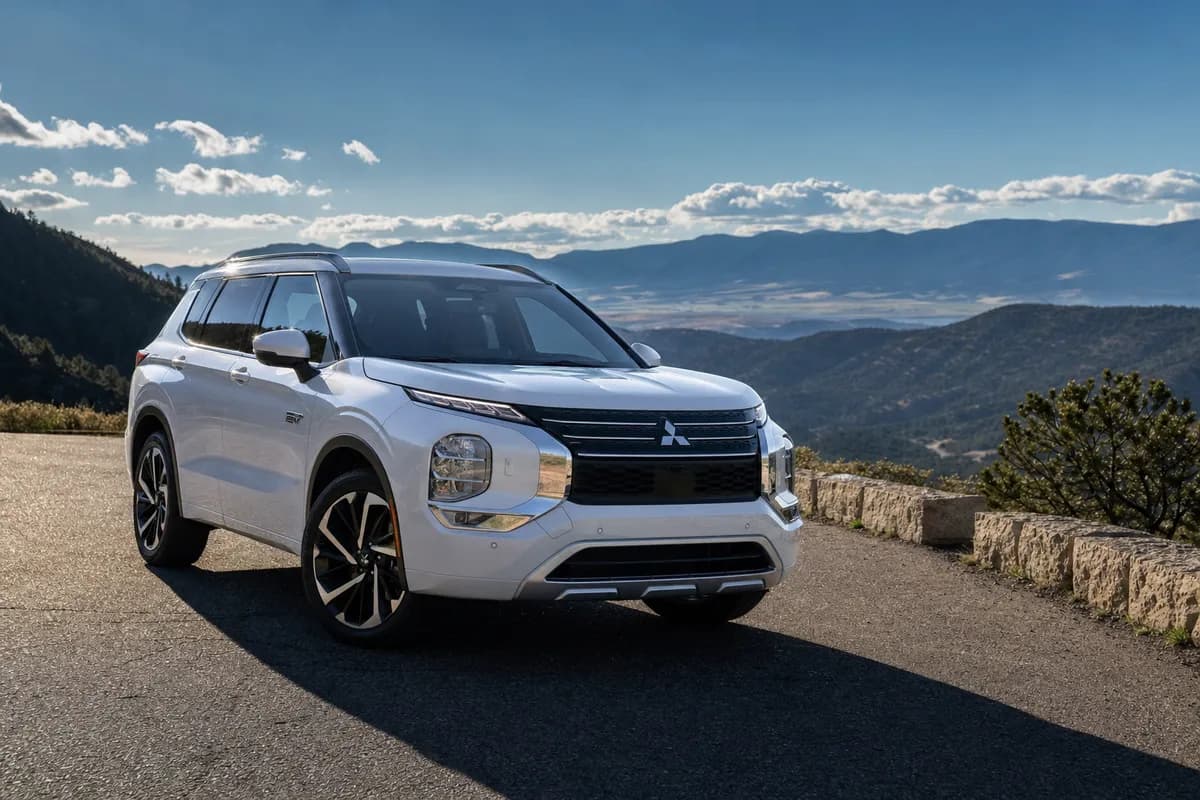
The 2027 Outlander PHEV now becomes more important, not less. If Mitsubishi cannot deliver a standout battery-electric crossover quickly, the plug-in hybrid Outlander remains the brand’s best bridge product for U.S. buyers who want some electric driving without fully committing to charging dependence.
The current Outlander Plug-In Hybrid has been one of Mitsubishi’s most credible products in America. It combines familiar crossover packaging, standard all-wheel drive, and a plug-in format that still resonates in regions where public charging remains inconsistent.
For 2027, expect Mitsubishi to keep leaning on that formula. The key questions are whether the next update brings more electric range, better efficiency, faster charging, and cleaner packaging inside, because rivals are not standing still.
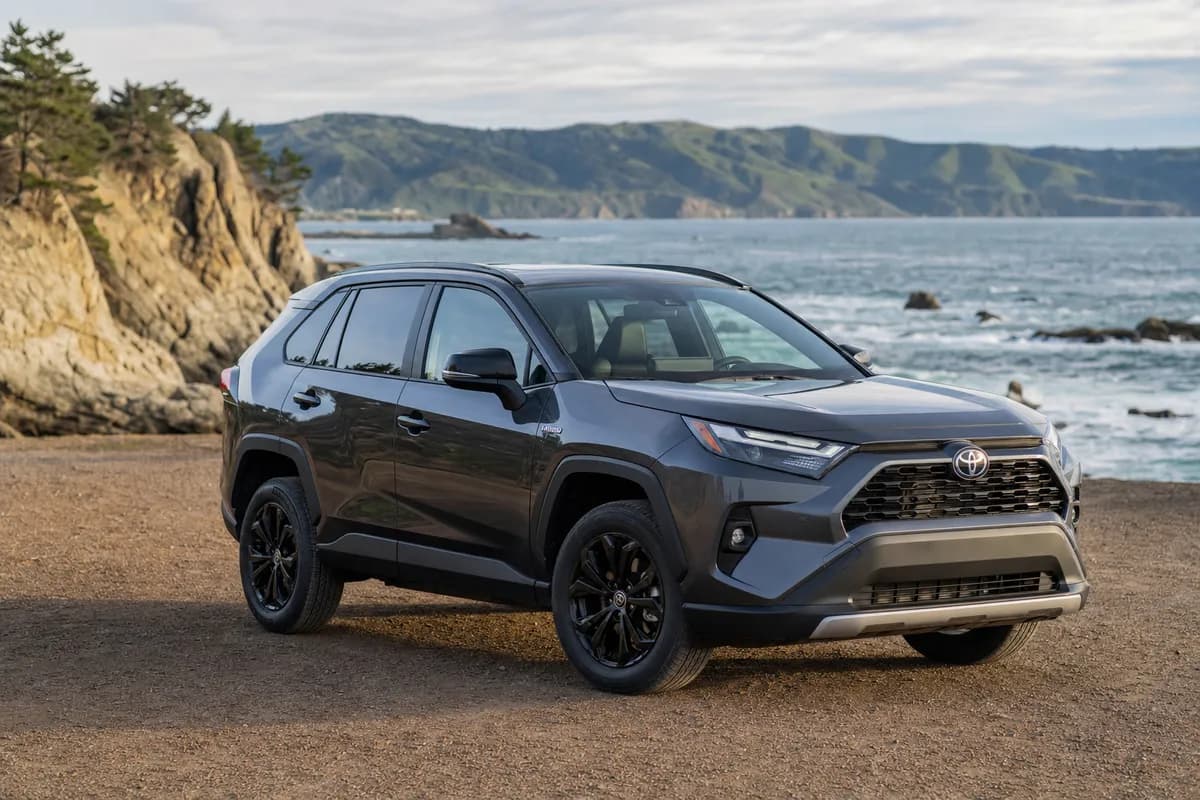
By 2027, the Outlander PHEV will face pressure from multiple sides. Toyota continues to expand hybrid and plug-in hybrid coverage. Hyundai and Kia are getting stronger in electrified crossovers. Ford, GM, and Honda are all chasing broader electrified affordability, even if not every entry is a plug-in hybrid.
If Mitsubishi can push the Outlander PHEV’s electric range meaningfully upward and improve refinement, it stays relevant. If it merely tweaks the current formula while promising a future EV, the vehicle starts to look like a holding action.
- What the 2027 Outlander PHEV needs:
- More usable EV range than today’s package
- Faster charging and better energy management
- A lower effective price after incentives, where available
- Clear differentiation from Nissan and other alliance products
The missing product: an affordable electric crossover for 2027
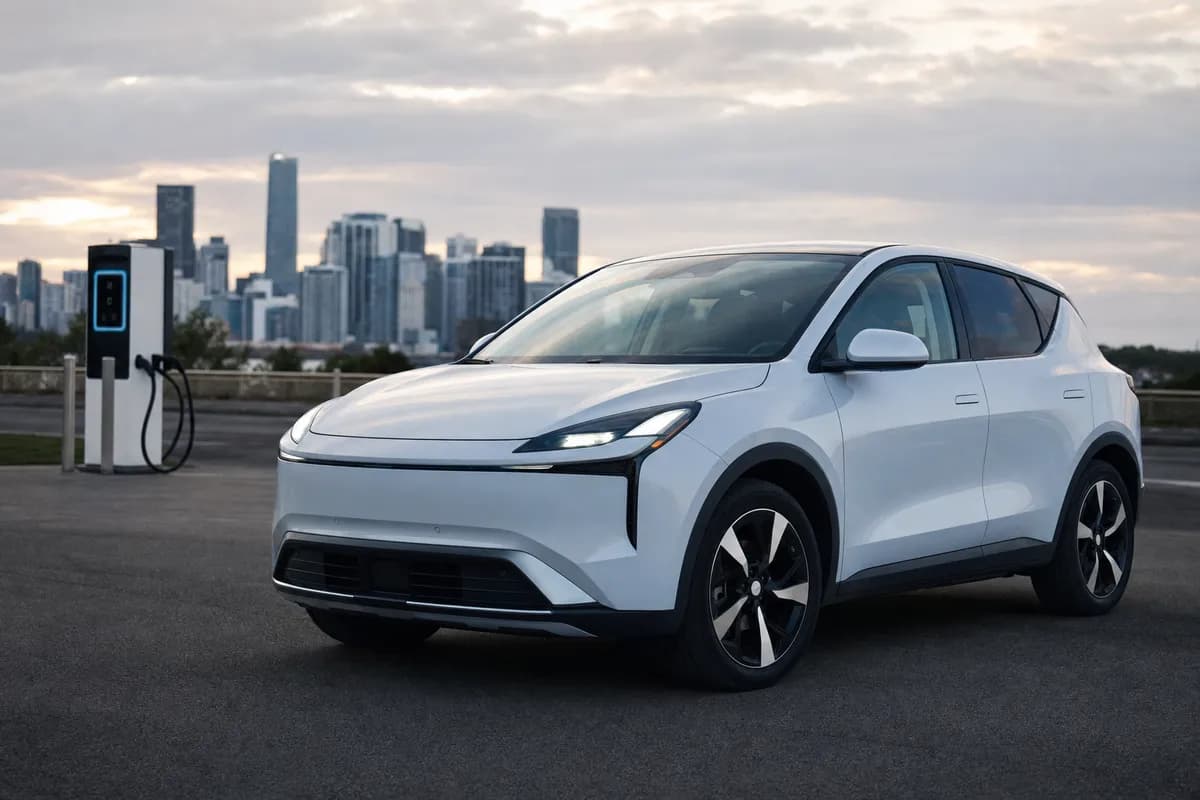
This is where the market context gets serious. The biggest unmet demand heading into 2027 is for a genuinely attainable EV crossover from a mainstream brand that is not Tesla, does not feel stripped out, and does not push deep into the $40,000 range before options.
That is the opening Mitsubishi should be chasing. The brand has long operated in price-sensitive parts of the market, and its U.S. image has been tied less to premium polish than to value, warranty coverage, and accessible crossover ownership.
A well-executed Mitsubishi EV in the high-$20,000 to mid-$30,000 band could make sense if the company gets the basics right. Size matters. Range matters. DC fast-charging performance matters. Dealer confidence matters. Software quality matters more than many legacy automakers expected.
The issue is that competitors are also targeting that same hole. Chevrolet has been aggressive on EV pricing. Hyundai and Kia have become fast-moving EV brands. Volvo’s EX30 showed how much interest there is in smaller electric crossovers, even if rollout complexity and tariffs can complicate affordability.
For Mitsubishi, a delayed launch means less room to define the segment and more pressure to undercut on price. That can work, but only if the vehicle does not feel obviously compromised in range, charging, cabin technology, or safety content.
- An affordable electric crossover 2027 winner will likely need:
- At least 250 miles of real-world competitive range
- Fast charging that feels modern, not entry-level
- A starting price that lands below many mid-size gasoline crossovers after incentives
- Enough interior space for small families
- Dealer and service support that does not scare first-time EV buyers
Why this matters for Mitsubishi U.S. dealers and buyers
Mitsubishi U.S. dealers have a direct stake in how this plays out. Dealers can sell a delay once. They cannot keep selling future intent if showroom traffic is asking for EVs, affordable monthly payments, and a reason to choose Mitsubishi over better-known alternatives.
Mitsubishi’s U.S. retail network is smaller than many mainstream rivals, and that can cut both ways. A smaller network can be more focused, but it also means less margin for weak product cadence or unclear brand direction.
For dealers, the Outlander and Outlander PHEV remain the practical center of gravity. A credible EV would broaden the story and potentially bring in younger buyers, urban households, and shoppers crossing over from used-car budgets into lower-priced new EVs.
For buyers, the current Mitsubishi message is mixed. If you want a plug-in hybrid crossover now, the Outlander PHEV is still a sensible product. If you are waiting for Mitsubishi to deliver a low-cost, purpose-built EV crossover, the roadmap still looks softer than what many rivals are putting on the table.
Verdict: Mitsubishi still has a path, but not much time
Mitsubishi’s partner-led approach is understandable, but it also underlines how late the brand remains to the battery-electric fight. Leaning on Nissan and Foxconn may reduce cost and speed up development, yet it does not automatically create a compelling identity or a must-buy product.
The near-term winner for Mitsubishi is still the 2027 Outlander PHEV, assuming the company improves it enough to remain competitive as a bridge technology. The bigger test is whether Mitsubishi can turn alliance access and outsourced manufacturing into a true affordable electric crossover 2027 entry before the segment fills up without it.
If that EV arrives with the right price, range, and dealer support, Mitsubishi could still carve out a useful niche in the U.S. If it slips again, the brand risks becoming relevant mainly for what it plans to borrow next, not for what it is ready to sell.
Affiliate disclosure: This article contains affiliate links. RevvedUpCars may earn a small commission on qualifying purchases at no extra cost to you.