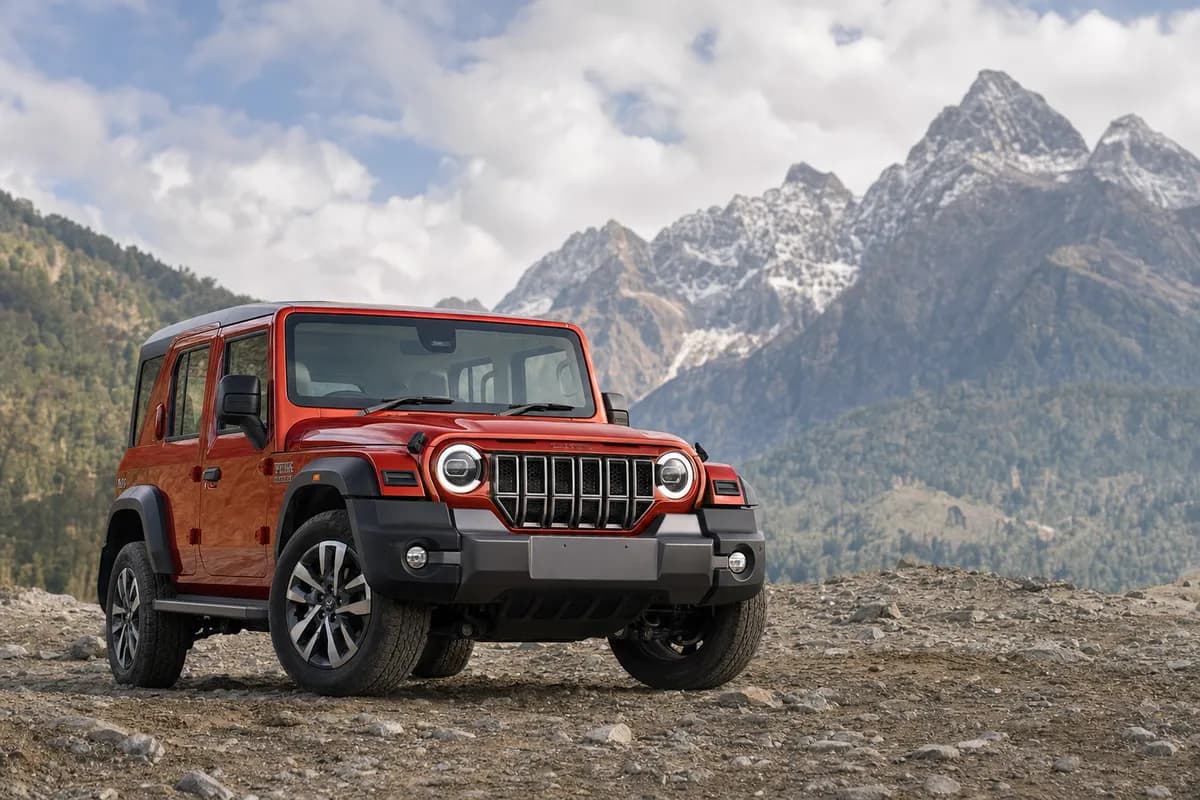
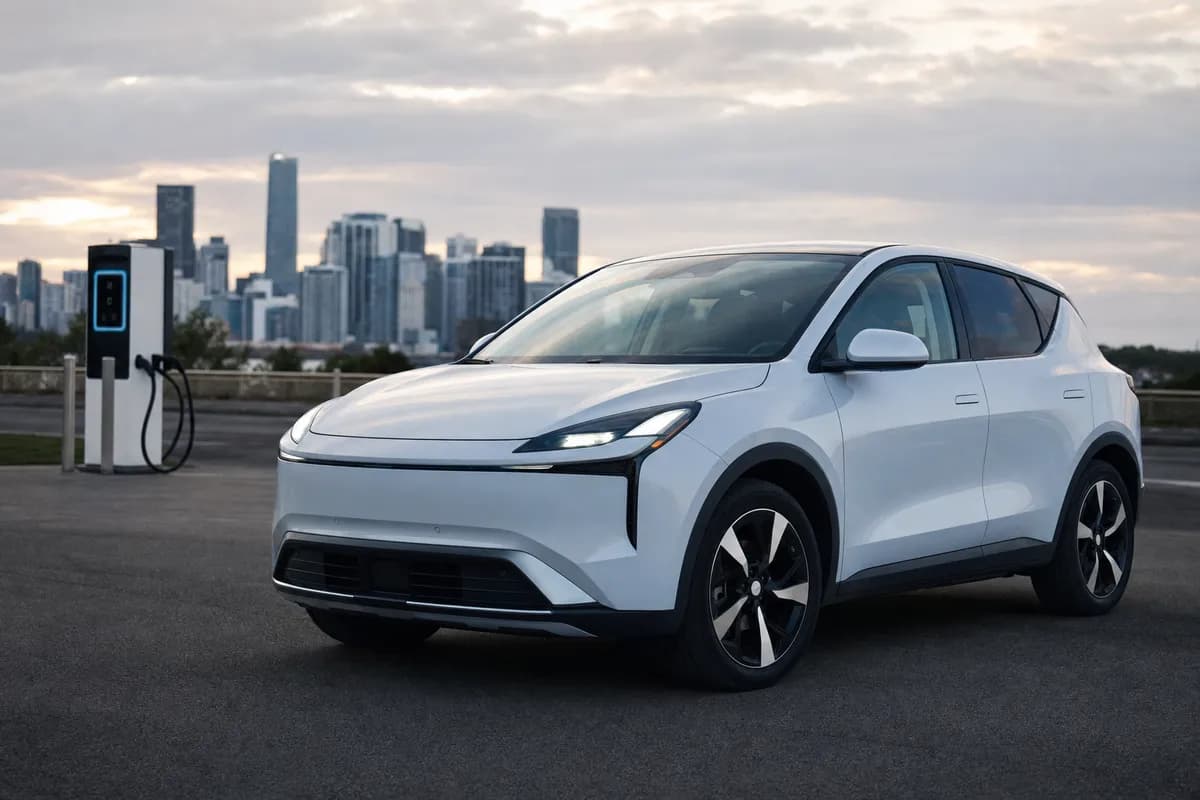
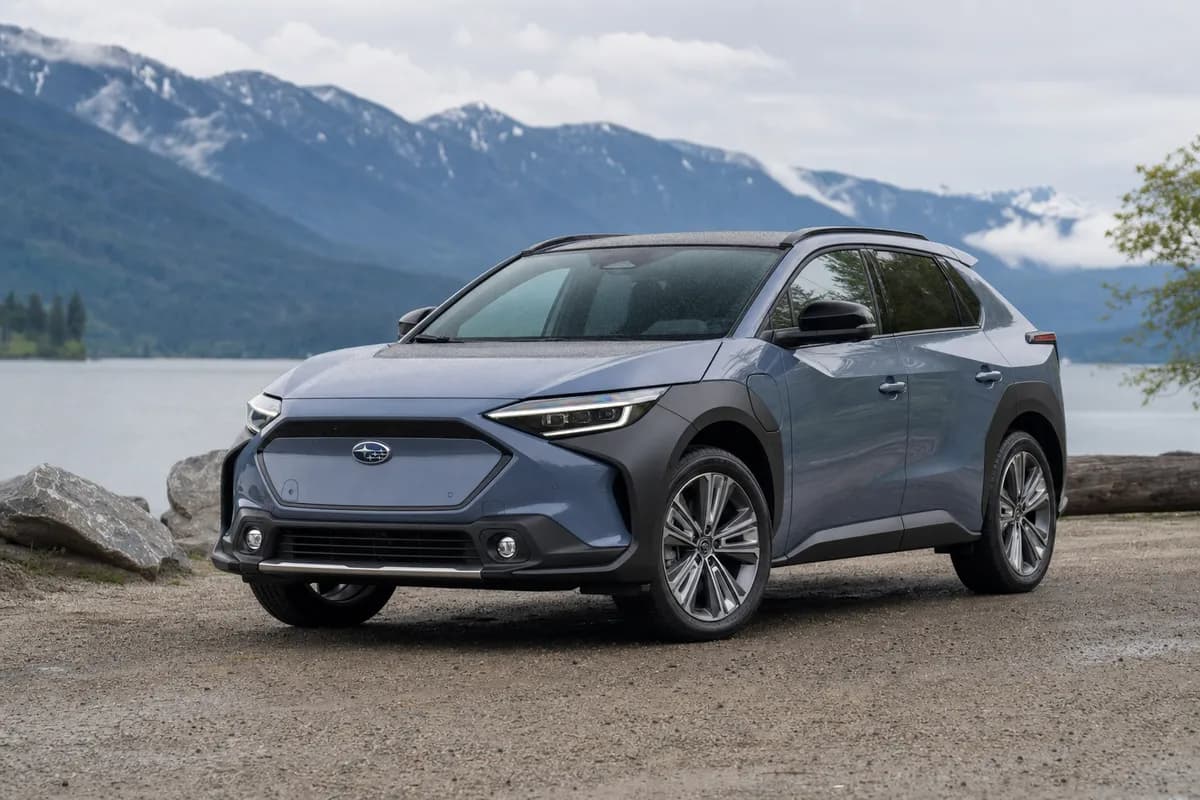
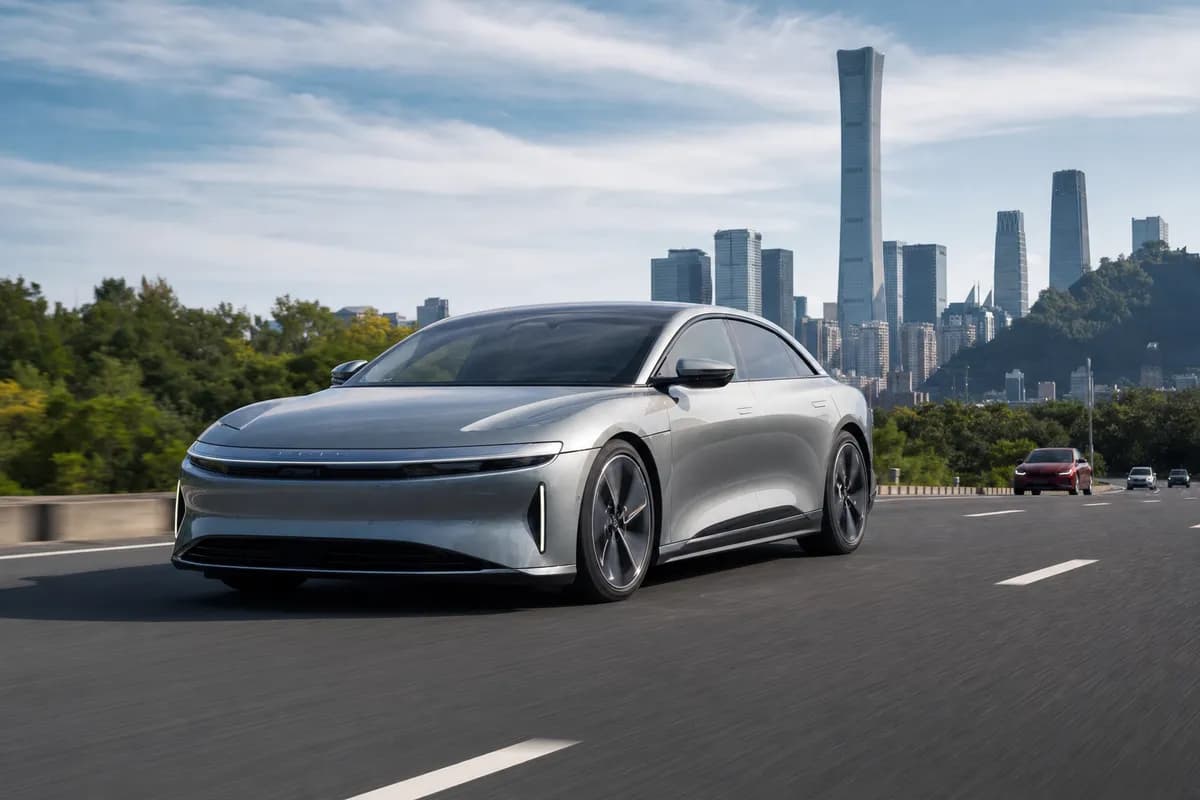
Mahindra’s July 2026 price hike reshapes its SUV and EV lineup, impacting the XUV400, BE 6, XEV 9e, Scorpio-N, and Thar Roxx.
Mahindra has raised prices across much of its SUV and EV range from July 2026, and the move lands at a sensitive moment for Indian buyers. Demand for feature-rich SUVs remains strong, but EV shoppers were hoping for sharper deals, not higher stickers.
The latest revision affects core combustion models such as the Scorpio-N and Thar Roxx, while also reshaping the value equation for electric models including the 2026 Mahindra XUV400, Mahindra BE 6, and XEV 9e. For buyers comparing waiting versus booking now, this Mahindra price hike July 2026 is less about a single increase and more about where Mahindra thinks demand still has room to absorb higher prices.
Mahindra’s July 2026 price hike: what changed
Mahindra has implemented a fresh round of price revisions across its lineup in India, covering both internal-combustion SUVs and its newer electric offerings. The increase comes after a period of heavy product action, with the company pushing hard on premium positioning, larger screens, ADAS features, connected tech, and higher-spec powertrains.
As with most mid-year revisions, the exact increase varies by model and variant. That matters because Mahindra now has a broader ladder than before: lifestyle off-roaders, family SUVs, fleet-friendly EVs, and new-age born-electric products all sit under the same umbrella, but buyer sensitivity is very different in each segment.
- 2026 Mahindra XUV400 price: now under pressure as entry EV affordability remains a key buying factor
- Mahindra BE 6 XEV 9e: premium EVs where buyers may absorb increases more easily if features and range remain competitive
- Scorpio-N: a strong-demand SUV with relatively better pricing power
- Thar Roxx: a lifestyle SUV where demand, image, and waiting periods often reduce discount expectations
That is the core of this Mahindra SUV price increase India story. Mahindra is not raising prices evenly because it does not need to. It is likely leaning hardest where booking momentum, brand pull, or limited direct competition gives it room.
What the higher prices mean for the 2026 XUV400, BE 6, and XEV 9e
For EV buyers, the biggest question is simple: does a higher price weaken Mahindra’s value pitch just as the Indian market gets more crowded? The answer depends on which EV a buyer is considering.
The 2026 Mahindra XUV400 price is the most sensitive in practical terms. The XUV400 competes in a space where buyers track on-road cost very closely and often compare monthly EMI, charging convenience, and expected resale more than outright performance. Even a moderate increase can push some shoppers toward rival compact EVs or toward waiting for festive-season schemes.
The picture is different for the Mahindra BE 6 XEV 9e duo. These are image-led, technology-heavy EVs aimed at buyers moving up from mainstream ICE SUVs or entering the premium EV space. In that part of the market, a price hike hurts less if Mahindra still offers a compelling mix of design, range, software, cabin tech, and fast-charging capability.
That said, higher EV prices are awkward timing. Much of the buzz around India EV prices 2026 has centered on the expectation that localization, battery scale, and stronger competition would gradually improve affordability. Mahindra’s move does not reverse that long-term trend, but it shows that near-term pricing will still be shaped by demand, feature costs, and margin discipline.
- XUV400 buyers are likely to be the most price-sensitive
- BE 6 buyers may focus more on tech, range, and design than on a small sticker increase
- XEV 9e buyers are more likely to compare it with larger SUVs and premium EVs, not just with smaller electric crossovers
For shoppers waiting for a big EV correction, the message is mixed. Discounts may still appear at dealer level on specific stock, but factory-level pricing is not moving in the direction many value-focused buyers expected.
Why Scorpio-N and Thar Roxx buyers are in a different position
Mahindra’s combustion SUV customers face a different reality. Models like the Scorpio-N and Thar Roxx benefit from strong brand equity, broad recognition, and a buyer base that often prioritizes capability, road presence, and ownership appeal over razor-thin price comparisons.
The Scorpio-N has maintained a strong place in the body-on-frame SUV market because it offers size, diesel and petrol options, family usability, and a badge that still carries weight outside major cities. A price increase is unwelcome, but it does not radically alter the product’s positioning if rivals are also getting costlier.
The Thar Roxx sits in an even more insulated niche. It appeals to buyers who want style, lifestyle image, and the flexibility of a more practical Thar-based package. In segments driven partly by aspiration, price hikes often sting less than they do in commuter-focused categories.
- Scorpio-N: price rise matters, but demand strength cushions the blow
- Thar Roxx: aspirational appeal reduces price sensitivity for many buyers
- Mainstream EVs like XUV400: a smaller increase can have a bigger impact on purchase timing
This helps explain why Mahindra can raise prices across SUVs and EVs without creating the same risk everywhere. The company knows some buyers will delay, but it also knows some nameplates have enough momentum to hold booking flow.
Should buyers book now, wait for offers, or look at rivals?
The best move now depends on the model and the buyer’s flexibility. A blanket “buy now” or “wait” answer does not work in this market.
If you are considering the XUV400, waiting can still make sense if your purchase is not urgent. Dealers may try to protect volume with exchange bonuses, finance support, or stock-clearance benefits, especially if a new batch, updated feature set, or festive push is around the corner.
If you are looking at the BE 6 or XEV 9e, the decision is less about chasing a discount and more about locking a preferred variant. Early demand, waiting periods, and variant availability can matter more than a modest future offer. Buyers in this bracket should compare not only price but also charging ecosystem, after-sales readiness, and software support.
For Scorpio-N and Thar Roxx shoppers, waiting for a major list-price rollback is unlikely to pay off. The better strategy is to negotiate on insurance, accessories, finance rates, and exchange valuation rather than expecting the ex-showroom number to soften meaningfully.
- Budget-led EV buyer: compare XUV400 on on-road price, real-world range, and charging support before booking
- Premium EV buyer: focus on total product value in the BE 6 and XEV 9e, not just the revised sticker
- SUV buyer: negotiate dealer-side benefits on Scorpio-N and Thar Roxx rather than waiting for list-price cuts
Rivals also matter more now. Every price hike reopens cross-shopping, especially when buyers can choose between strong hybrids, diesel SUVs, compact EVs, and premium electric crossovers. Mahindra’s products still have pull, but price revisions reduce the room for error.
Verdict: Mahindra is betting that demand stays ahead of price fatigue
The Mahindra price hike July 2026 is a sign of confidence, not caution. The company appears comfortable pushing pricing on vehicles that either have strong brand pull or enough product substance to defend a higher number.
For buyers, the impact is uneven. The 2026 Mahindra XUV400 price matters most to value-conscious EV shoppers, while the Mahindra BE 6 XEV 9e range can likely absorb some increase if Mahindra continues to deliver on technology and ownership experience. On the SUV side, the Mahindra SUV price increase India story is less disruptive for Scorpio-N and Thar Roxx buyers because those vehicles compete as much on image and capability as on sticker price.
The broader takeaway for India EV prices 2026 is straightforward. Better affordability is still the long-term direction, but buyers should not assume every new EV launch or scale gain will immediately translate into lower prices. In Mahindra’s case, July 2026 shows that strong demand can still outweigh bargain expectations.
Affiliate disclosure: This article contains affiliate links. RevvedUpCars may earn a small commission on qualifying purchases at no extra cost to you.