Performance EV owners are swapping DIY brake, tire, and 12-volt fixes to stay faster and safer on track days and road trips.
The new EV performance crowd is starting to look a lot like the old track-day crowd. The difference is that today’s garage talk is about brake fluid boiling points, 12-volt battery health, tire load ratings, and whether your next road trip needs a NACS adapter in the trunk.
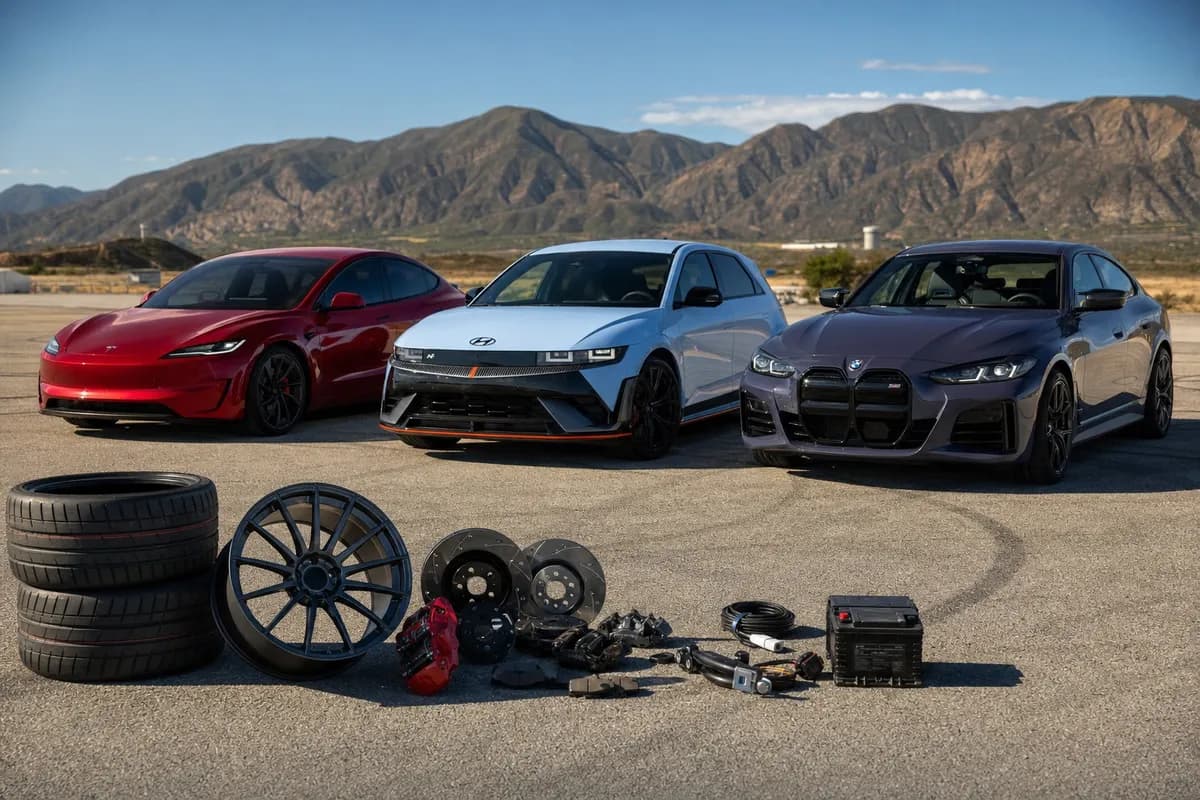
Owners of the 2026 Tesla Model 3 Performance, 2027 Hyundai Ioniq 5 N, and BMW i4 M50 are building a fresh DIY community around the stuff that actually matters. Not neon trim, not fake vents—just smart, reversible upgrades that make heavy, very fast EVs easier to live with and harder to overheat.
Why Heavy Performance EVs Are Creating a Different Kind of DIY Culture
These cars are quick enough to embarrass old-school sports sedans, but they ask more from tires and brakes than many first-time EV owners expect. A 2026 Tesla Model 3 Performance lands around the 4,000-pound mark, the BMW i4 M50 is closer to 5,000 pounds, and the Hyundai Ioniq 5 N sits deep in the heavyweight class too.
That mass changes the maintenance conversation fast. A single hard canyon run or novice track day can expose weak points in brake fluid, front tire shoulders, and alignment settings that felt fine in normal commuting.
What makes this moment interesting is how enthusiast priorities have matured. The hottest 2026 Tesla Model 3 Performance mods are increasingly practical: higher-temp fluid, better pads, extra wheel-and-tire sets, mud flaps that actually protect paint, and data-driven charging planning rather than cosmetic add-ons.
The same goes for 2027 Hyundai Ioniq 5 N track prep and BMW i4 M50 DIY maintenance. Owners are sharing repeatable setups, reversible tweaks, and service routines that preserve warranty friendliness while making the cars faster and more durable in the real world.
Brake Heat and Tire Wear: The First Two Problems Everyone Meets
Ask any experienced instructor what fades first on a heavy EV, and the answer is usually simple: brakes, then tires. Regenerative braking helps on the street, but once speed climbs and sessions stack up, friction brakes still do a huge amount of work.
The early DIY playbook is less glamorous than a horsepower tune, but it is far more effective. Most owners are starting with fluid, pads, alignment, and dedicated wheels before doing anything more aggressive.
The brake upgrades owners are actually doing
- High-temperature brake fluid: Popular choices include Motul RBF 600, Castrol SRF, and Endless RF-650 for drivers seeing repeated heat cycles.
- Track-capable pads: Owners are moving away from stock compounds for events, then swapping back for street use when noise and dust matter.
- Stainless brake lines: Not mandatory, but many like the firmer pedal feel and consistency.
- Cooling discipline: A cool-down lap and no parking-brake abuse after a hot session still matter, EV or not.
This is the heart of an EV brake fluid and tire wear guide. It is not about reinventing the car. It is about reducing heat soak and keeping the pedal the same on lap eight as it was on lap one.
Tires are disappearing faster than many new owners expect
Instant torque and curb weight are brutal on rubber, especially at the front outside edge. The Model 3 Performance can chew through its outer shoulders if alignment stays conservative. The i4 M50 adds another challenge with its mass and appetite for rear tires under hard acceleration. The Ioniq 5 N can do both, because it encourages hooligan behavior and has the hardware to back it up.
The smart response has been predictable and old-school. Owners are measuring temperatures, rotating when possible, and building square wheel setups where the platform allows it.
- Alignment changes: More negative camber is one of the biggest improvements for track-day tire life.
- Dedicated wheel-and-tire packages: Street tires for daily use, 200-treadwear rubber for events.
- Load rating awareness: Heavy EVs need tires with the right load index, not just the right size.
- Pressure management: Starting too high can ruin the contact patch after a few hot laps.
That last point matters more than people think. A heavy EV that starts a session with “street safe” pressures can end up greasy and imprecise once the carcass heats up. Experienced owners are now logging hot pressures just like club racers have done for decades.
12-Volt Reliability Has Become a Real DIY Topic
The weirdest maintenance item in modern performance EV ownership is still the small 12-volt battery. Big traction pack, huge power, stunning acceleration—and then a lowly 12-volt issue leaves the car unhappy, offline, or unable to wake key systems.
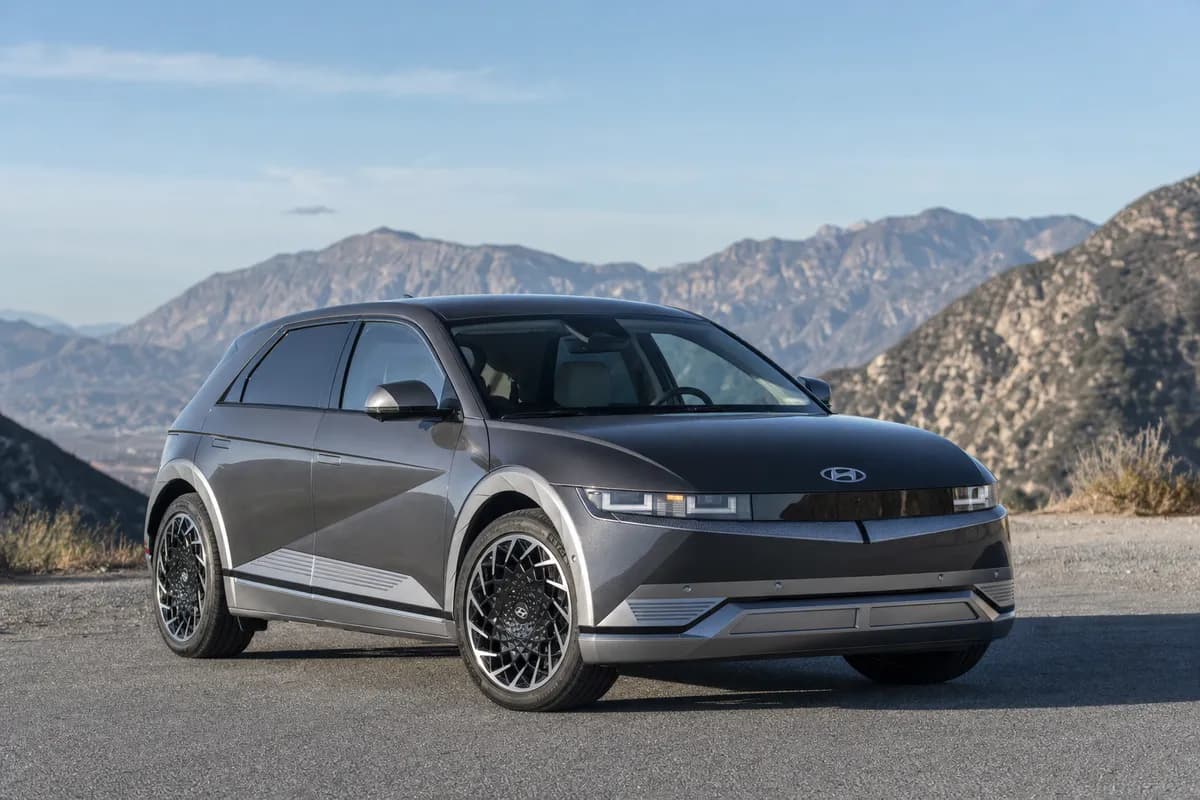
Tesla owners have dealt with this conversation for years, but now the wider performance EV crowd is comparing notes. The Ioniq 5 family has seen plenty of owner attention on low-voltage health, and BMW drivers are no strangers to battery management complexity either.
What the DIY community is doing
- Testing resting voltage regularly with a quality multimeter instead of waiting for warning messages.
- Carrying a compact jump pack that can safely revive low-voltage systems in a pinch.
- Watching accessory loads like dash cams, OBD devices, sentry-style monitoring, and parked telematics behavior.
- Replacing aging 12-volt batteries proactively before a trip or track event if test results are marginal.
None of this is glamorous, but it is exactly how a grassroots ownership community gets built. A lot of first-time EV enthusiasts are learning the same lesson old mechanics have preached forever: reliability is often won with boring habits.
The good news is that these checks are reversible, cheap, and easy to share. Forum posts and owner groups are now full of voltage baselines, battery chemistry discussions, and simple checklists that keep a track weekend from becoming a tow-truck story.
NACS Charging Logistics Are Part of Performance EV Prep Now
Fast EV ownership in 2026 is not just about lap times. It is also about knowing exactly how you are getting home, especially if your event venue is two hours out and your car is wearing sticky tires that hurt efficiency.
This is where NACS charging adapter planning 2026 becomes a real enthusiast topic rather than a tech-footnote. Tesla’s connector standard keeps becoming more central to road-trip planning, and owners of non-Tesla performance EVs are learning to think ahead about access, adapter compatibility, and charger reliability.
What owners are packing and planning
- Verified NACS adapters: Not all adapters have the same approval status or current-handling confidence.
- A backup charging plan: One preferred stop, one alternate, and one “limp-home” option.
- Arrival state-of-charge targets: Track sessions and cold weather can wreck optimistic range estimates.
- Hotel and overnight charging checks: A Level 2 charger at the hotel can matter more than a fancy breakfast.
The practical split between these three cars is interesting. A Tesla Model 3 Performance usually has the easiest path in the NACS ecosystem, while Ioniq 5 N and i4 M50 owners often need more deliberate planning depending on region, software support, and approved adapter access.
That planning affects wheel-and-tire choices too. Aggressive fitments, softer compounds, and sustained high-speed driving can cut range enough that a route which worked on stock all-seasons suddenly becomes annoying.
The new EV enthusiast mantra is simple: if the car is fast enough to need track prep, it is fast enough to need charging prep too.
The Best Reversible Mods for the 2026-2027 Performance EV Crowd
The most respected builds in this scene are not hacked-up science projects. They are clean, reversible, warranty-conscious setups that improve the car without making it miserable on Monday morning.
That is especially true for owners balancing commute duty, road trips, and a few events per year. The sweet spot is a car that feels sharper, stops harder, and survives consumables better without becoming noisy, harsh, or difficult to charge.
Smart, non-tacky upgrades gaining traction
- Second wheel set: Still the best mod for preserving street tires and unlocking track-specific compounds.
- Performance alignment: Big payoff, low drama, and fully reversible.
- Brake fluid and pad upgrade: Essential for anyone doing repeated hard stops.
- High-quality paint protection in high-impact areas: Rock chips arrive fast on sticky tires.
- 12-volt monitoring routine: Not flashy, but genuinely useful.
- Frunk and trunk charging kit organization: Adapters, extension options where appropriate, gloves, and tire tools in one place.
The old import-tuner idea that mods had to be visible to matter is fading here. The new community values lap consistency, pad life, and arriving at the charger with enough margin to avoid stress. Honestly, that is a pretty healthy evolution.
Verdict: This Is the Most Useful EV Enthusiast Scene We’ve Seen Yet
The 2026 and 2027 grassroots performance EV crowd is not chasing gimmicks. It is building a knowledge base around what these cars really need: brake temperature control, tire management, 12-volt reliability, and sane charging logistics.
That makes the Tesla Model 3 Performance, Hyundai Ioniq 5 N, and BMW i4 M50 more interesting than their spec sheets suggest. They are not just quick EVs. They are creating a new DIY culture where the best modifications are subtle, reversible, and grounded in mechanical reality.
If this community keeps moving in that direction, it will do more than make heavy EVs easier to own. It will teach a new generation of enthusiasts the same lesson track rats have known forever: the fastest car is usually the one that finishes the day without cooking its brakes, shredding its tires, or dying over something as small as a 12-volt battery.
Affiliate disclosure: This article contains affiliate links. RevvedUpCars may earn a small commission on qualifying purchases at no extra cost to you.