Owners are building a smarter DIY E-GMP community for Hyundai Ioniq 5, Kia EV6, and Genesis GV60—covering 12-volt prevention and ICCU recall checks.
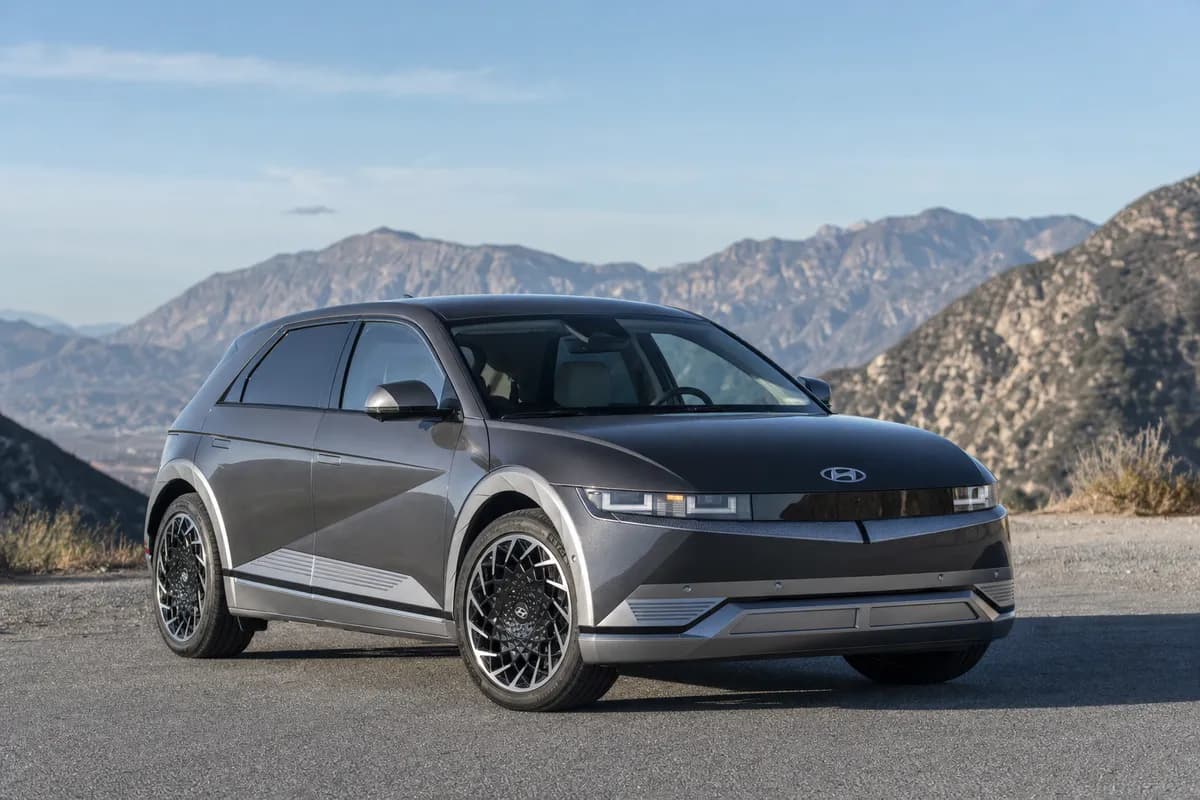
The 2026 and 2027 Hyundai Ioniq 5, Kia EV6, and Genesis GV60 sit in a sweet spot. They are still among the quickest-charging mainstream EVs you can buy, but owners have also learned that living happily with an E-GMP car means paying attention to a few very specific weak points.
That is why a new DIY E-GMP community is taking shape. These owners are not trying to reinvent the cars. They are sharing fixes, habits, and OEM-plus upgrades that make daily ownership easier while keeping the clean factory look intact.
Why the E-GMP DIY Crowd Is Growing Fast
Hyundai Motor Group’s E-GMP platform changed the conversation around charging speed. The Hyundai Ioniq 5, Kia EV6, and Genesis GV60 all use an 800-volt architecture that can charge from roughly 10 to 80 percent in under 20 minutes on a powerful DC fast charger, depending on battery size, temperature, and charger output.
That performance still feels special in 2026. A lot of owners came for the fast charging, the sharp design, and the rear-drive or dual-motor punch. They stayed because the cars are genuinely enjoyable, but they also discovered that E-GMP ownership rewards people who pay attention to software campaigns, charging habits, tire wear, and 12-volt battery health.
The result is a practical community, not a flashy one. Search terms like 2026 Hyundai Ioniq 5 DIY, 2027 Kia EV6 ICCU recall, and Genesis GV60 12-volt battery issues are popping up because owners want prevention more than drama. They are comparing scan tool screenshots, charging logs, alignment settings, and accessory choices that actually help.
12-Volt Prevention and ICCU Recall Awareness Are Priority One
If you spend any time in owner groups, two topics come up again and again: the low-voltage 12-volt system and the ICCU. The Integrated Charging Control Unit manages charging functions and plays a major role in how the high-voltage pack supports the 12-volt battery.
Past E-GMP models built the reputation, for better and worse, that a seemingly healthy EV can still strand you with a weak 12-volt battery. In many cases, owners reported warning lights, no-start conditions, charging faults, or intermittent electrical weirdness before software updates or hardware replacements addressed the root problem.
That is why 2027 Kia EV6 ICCU recall awareness is becoming a standing item for owners, even on newer cars. The smart move is simple: verify open campaigns with a dealer, make sure every software update is current, and do not assume a later model year automatically means the issue no longer matters.
What owners are doing to stay ahead of 12-volt trouble
- Checking recall and service campaign status regularly: especially after buying used or dealer-demo inventory.
- Monitoring 12-volt voltage: with a compact Bluetooth battery monitor or periodic multimeter checks.
- Replacing weak factory 12-volt batteries early: instead of waiting for a no-start event.
- Watching charging behavior: repeated failed AC charging sessions can be an early clue that something is off.
- Keeping software current: battery management and charging updates matter on these cars.
The DIY community is also getting smarter about symptoms. A random Christmas-tree dash, flaky door handle behavior, or sudden charger disconnects may not be separate problems. On E-GMP cars, they can point back to low system voltage or an ICCU-related issue.
My shop rule still applies here: do not parts-cannon an electrical problem. Start with 12-volt battery condition, charging history, and campaign status. That saves time and money, and it keeps owners from blaming the whole car for one fixable fault chain.
Tire-Wear Strategy Matters More Than Many New Owners Expect
The other hot topic in the E-GMP owner world is tires. These cars are quick, heavy, and loaded with torque from a standstill. That is a recipe for accelerated tire wear, especially on dual-motor models and especially if the alignment is even slightly off.
The Hyundai Ioniq 5, Kia EV6, and Genesis GV60 can all chew through the inner shoulders or rear tires faster than owners of lighter gas cars expect. Aggressive factory toe settings, enthusiastic launches, and underinflation do the rest. This is not unique to Korean EVs, but the combination of curb weight and instant torque makes it more obvious.
A smart E-GMP tire plan looks like this
- Check pressures monthly. EVs are sensitive to even small pressure drops, both for wear and range.
- Inspect inner shoulders. Do not trust a quick glance at the outer tread.
- Rotate on time. Many owners are moving to 5,000- to 7,500-mile intervals rather than waiting too long.
- Get a real alignment printout. Ask for before-and-after specs, not a verbal “you’re good.”
- Choose replacement tires carefully. Noise, load rating, rolling resistance, and wet grip all matter on these cars.
For 20-inch and 21-inch wheel owners, tire costs add up quickly. That is one reason the OEM-plus crowd often prefers modest downsizing for winter or road-trip wheel sets. A slightly smaller, lighter wheel with a quality EV-friendly tire can improve ride quality, cut replacement cost, and help protect range without making the car look modified.
This is where the community is especially useful. Owners are sharing real-world tire life numbers, road-noise impressions, and alignment settings by trim level. That beats marketing copy every time.
E-GMP NACS Adapter Planning Is the New Ownership Checklist Item
Charging-standard transition planning is now part of the ownership conversation, too. With North American charging moving toward NACS, E-GMP owners are thinking ahead about adapter availability, charge-port compatibility, and whether a future road-trip setup will rely on factory support or third-party hardware.
For the E-GMP NACS adapter planning crowd, the big concern is not hype. It is logistics. These cars already charge very well on CCS hardware when the charger is healthy, but owners want the best possible access to more stations, simpler routing, and less charger hunting on long drives.
What owners should plan for now
- Confirm official adapter guidance from Hyundai, Kia, or Genesis. Not all adapters are equal, especially for DC fast charging.
- Know your use case. Home AC charging and public DC charging may require different solutions.
- Do not cheap out on high-current hardware. A bargain adapter is not worth a melted connector or unreliable session.
- Keep firmware updated. Public charging compatibility often improves with software revisions.
- Carry a backup plan. That means a trusted CCS site in your route planner and a Level 2 option if needed.
The practical takeaway is simple. If you own a 2026 Ioniq 5, a 2027 EV6, or a GV60, do not wait until your next 600-mile trip to figure out your charging ecosystem. Build your kit early, test it locally, and know what works with your specific car and account setup.
The Best OEM-Plus EV Mods for 2026 Without Ruining the Car
The strongest part of this new owner scene may be its taste level. The best OEM-plus EV mods 2026 crowd is not bolting on fake vents or covering the dash in ambient-light kits from the internet. They are making small, reversible changes that improve usability, protection, and charging convenience.
That approach fits these cars. The Ioniq 5 already looks concept-car weird in the best way. The EV6 is sleek and low. The GV60 has enough design personality that tacky add-ons age it instantly.
Popular subtle upgrades in the E-GMP community
- High-quality all-weather mats and cargo liners: especially for families and road-trippers.
- Matte-finish screen protectors: to cut glare and fingerprints without looking aftermarket.
- Better 12-volt battery monitoring: hidden and functional, not flashy.
- Clean dashcam installs: hardwired neatly with factory-style routing.
- Charge-port and cable organization: trunk bins, frunk organizers, and proper storage straps.
- Mud guards and PPF in high-impact areas: useful on wide-tire EVs that pick up debris.
- OEM or OEM-style V2L accessories: for camping, tools, and power-outage backup.
A few wheel and tire changes also make the cut when they are done with restraint. Flush fitment, sensible offsets, and factory-adjacent finishes work. Giant spacers, stretched tires, and bargain cast wheels do not belong on a 4,500-pound EV that sees highway duty.
The best mod for an E-GMP car is the one you notice every day and nobody else notices at all.
Verdict: The New E-GMP DIY Community Is Making Good EVs Better to Live With
The 2026 and 2027 Hyundai Ioniq 5, Kia EV6, and Genesis GV60 remain compelling because the fundamentals are strong. They charge fast, drive well, and still feel more special than many similarly priced EVs. But experienced owners now know that smart ownership means staying ahead of the 12-volt system, tracking ICCU recall and software status, managing tires proactively, and planning for the NACS transition.
That is exactly why this DIY community matters. It is turning scattered owner frustration into practical knowledge, and it is helping newer buyers skip the mistakes early adopters already paid for. For anyone shopping or already searching 2026 Hyundai Ioniq 5 DIY, 2027 Kia EV6 ICCU recall, or Genesis GV60 12-volt battery issues, the message is clear: these Korean EVs are easiest to love when you treat ownership like a craft, not just a payment.
Done right, the payoff is real. You get one of the best fast-charging EV platforms on the market, plus a growing playbook of owner-tested habits and OEM-plus upgrades that make daily life smoother without making the car look like a rolling accessory catalog.
Affiliate disclosure: This article contains affiliate links. RevvedUpCars may earn a small commission on qualifying purchases at no extra cost to you.