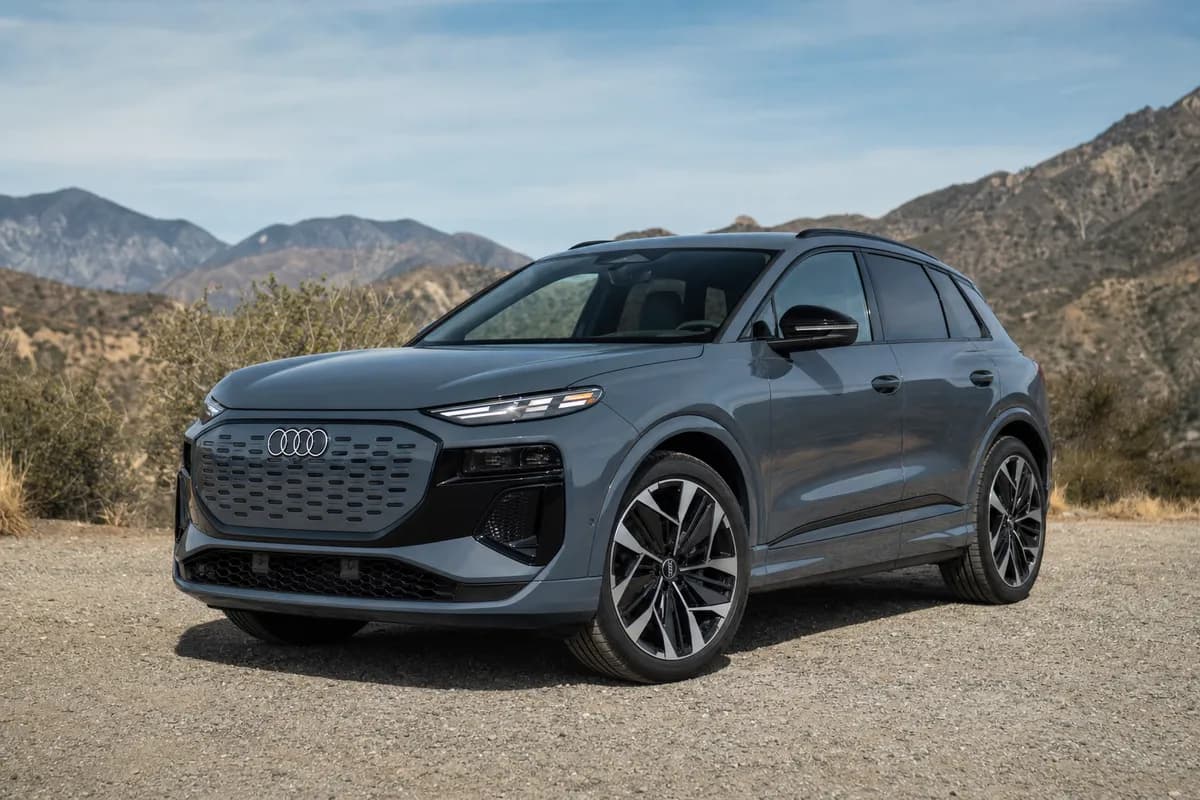
BMW’s Neue Klasse iX3 arrives in the EV spotlight—can it beat the Audi Q6 e-tron, Porsche Macan Electric, and Model Y on everyday appeal?
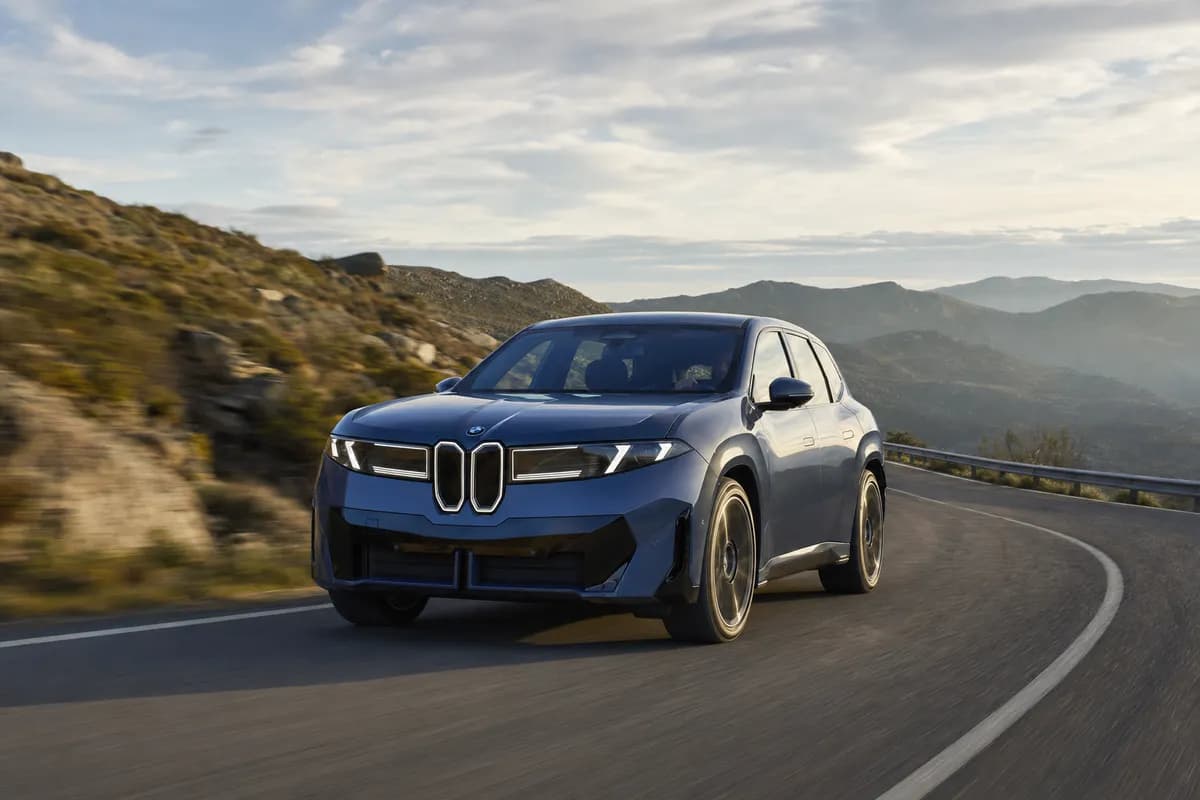
BMW has spent years insisting its next-gen EVs would reset the game. Now the 2026 iX3 is here, first out of the BMW iX3 Neue Klasse gate, and it lands in the hottest part of the market. This is where the Audi Q6 e-tron, Porsche Macan Electric, and Tesla Model Y already throw serious punches.
Neue Klasse finally feels like a real step forward
The old iX3 was a polite electric crossover. The new one is a statement. Built on BMW’s dedicated Neue Klasse architecture, the 2026 iX3 gets an 800-volt electrical system, new cylindrical battery cells, faster charging, and a cleaner software stack that feels engineered for EV duty rather than adapted to it.
BMW says the new battery chemistry improves energy density by roughly 20 percent, charging speed by up to 30 percent, and overall efficiency by about 25 percent versus its prior-generation EV tech. Those are not rounding-error gains. In a segment where the difference between excellent and merely adequate can be 40 miles of highway range or 10 minutes at a charger, they matter.
At launch, the iX3 lineup centers on two trims: a rear-drive iX3 50 and a dual-motor iX3 xDrive50. Final U.S. specs are still market-dependent, but BMW is quoting a usable battery around the low- to mid-90-kWh range and a WLTP maximum beyond 500 miles for the most efficient version. Translated into reality, expect roughly 330 to 360 miles EPA for the sweet-spot model if BMW doesn’t fumble the certification game.
That would put it right where it needs to be. The Audi Q6 e-tron tops out at 321 miles EPA in U.S. form depending on trim, the Porsche Macan Electric ranges from 288 to 315 miles EPA, and the Tesla Model Y Long Range still sits around 327 miles EPA. If the iX3 lands near the upper end of expectations, BMW will have a genuine range advantage instead of a brochure fantasy.
On the road, the iX3 feels more like a BMW than the iX ever did
Here’s the good news: this does not drive like a tech appliance. The steering is cleaner than the numb tiller in the outgoing iX, body control is tighter, and the chassis feels lighter on its feet than an SUV this size has any right to. BMW has clearly targeted the annoying dead zone that infects too many luxury EVs, where speed exists but engagement does not.
The rear-drive version is the one enthusiasts should watch. It turns in with more natural balance and puts its power down progressively, rather than relying on brute-force front-axle rescue. The dual-motor xDrive50 is quicker, obviously, with a 0-60 mph time expected in the mid-4-second range, but the single-motor car feels more coherent on a proper road.
Compared with the BMW iX3 vs Audi Q6 e-tron question, the BMW is the more entertaining machine. The Audi is composed, quiet, and deeply competent, but it still feels calibrated by a committee that fears oversteer and emotion in equal measure. The iX3 has more front-end bite and a more organic brake pedal, which is not a sentence you often get to write about regenerative-braking-heavy SUVs.
The BMW iX3 vs Porsche Macan Electric matchup is harder. The Porsche remains the sharper tool when the road goes technical. Its steering has richer detail, its damping is more disciplined at the limit, and it shrinks around the driver in a way the BMW doesn’t quite match. But the Macan Electric also rides firmer, costs more, and in mainstream trims does not clearly beat the iX3 for range or everyday usability.
- BMW iX3: Best blend of comfort, steering fidelity, and real-world usability
- Audi Q6 e-tron: Quiet, polished, tech-heavy, but less engaging
- Porsche Macan Electric: The driver’s choice, but pricey and less relaxed day to day
- Tesla Model Y: Still efficient and quick, but dynamically crude next to the Germans
Range, charging, and efficiency: this is where BMW had to show up
This first drive matters because BMW could not afford another “pretty good” EV. It needed a class-leading answer on efficiency and charging, and the iX3 comes much closer to that than the old generation ever did. The 800-volt system supports charging rates up to around 300 kW, and BMW claims a 10 to 80 percent session can take roughly 21 minutes in ideal conditions.
That puts the iX3 right in the thick of the premium EV fight. The Audi Q6 e-tron, on PPE architecture, can charge at up to 270 kW. The Porsche Macan Electric reaches similar numbers. Tesla’s Model Y is still effective on the Supercharger network, but its aging 400-volt architecture no longer looks especially exotic when the Germans show up with faster peak rates and better sustained curves.
More important is efficiency at speed. Early indications suggest the iX3 is notably thriftier on the highway than the larger iX and less susceptible to the kind of cold-weather and 80-mph range collapse that punishes some heavier EVs. That won’t make headlines like a Nürburgring lap time, but it will matter to owners who actually drive beyond the school run and the coffee shop.
If BMW delivers an EPA number north of 340 miles with repeatable 300-kW charging, the iX3 stops being “competitive” and starts being a problem for everybody else.
Cabin tech is smart, mostly elegant, and blessedly less annoying than Tesla’s
Neue Klasse also brings BMW’s new interior philosophy, and for once “minimalist” doesn’t mean “hostile to humans.” The panoramic vision display stretches across the base of the windshield, the central touchscreen is cleaner and quicker than BMW’s previous interface, and voice functions finally feel useful rather than performative. There’s still a learning curve, but at least the software no longer seems to resent your existence.
Material quality is strong, though not quite decadent. BMW has gone for a lighter, more open aesthetic instead of trying to mimic old-school 5 Series heft with recycled trim and giant screens. The result is modern and airy, if slightly less special than the cocooning cabin of the Macan Electric.
Against the Tesla Model Y, the BMW is simply in another league for perceived quality and noise isolation. The Tesla still wins for charging ecosystem simplicity and over-the-air agility, but its cabin now feels thin, acoustically busy, and dynamically unfinished at this price point. The Model Y remains the value play; it no longer feels like the luxury benchmark.
- BMW iX3: Best user experience balance between physical logic and digital capability
- Audi Q6 e-tron: Flashy screens, slick graphics, occasionally fussy layout
- Porsche Macan Electric: Premium and driver-focused, but expensive when properly specced
- Tesla Model Y: Fast software, weak luxury ambiance, too much buried in the screen
Verdict: Is the 2026 iX3 the best luxury electric SUV of 2026?
As a 2026 BMW iX3 first drive review verdict, this is the most convincing mainstream BMW EV yet. It looks like the company finally stopped building electric cars as side quests and started treating them as the main event. The iX3 combines strong projected range, genuinely competitive charging, polished tech, and a chassis that remembers BMW used to build the default enthusiast luxury car.
Is it perfect? No. The Porsche Macan Electric is still the sharper performance SUV if driving pleasure is your sole religion. The Audi Q6 e-tron may prove the more neutral family choice for buyers who value serenity over character. And Tesla’s Model Y still undercuts them all on ecosystem convenience and likely price.
But if you want the most complete answer to the best luxury electric SUV 2026 question, the new iX3 makes the strongest early case. It feels like a modern BMW first and an EV second, which is exactly what Munich needed to achieve. For once, the hype around Neue Klasse doesn’t feel like marketing theater. It feels earned.
Bottom line: The 2026 BMW iX3 doesn’t just belong in the conversation with the Audi Q6 e-tron, Porsche Macan Electric, and Tesla Model Y. On first drive, it may be the one to beat for buyers who want range, charging speed, premium tech, and a pulse.
Affiliate disclosure: This article contains affiliate links. RevvedUpCars may earn a small commission on qualifying purchases at no extra cost to you.