Rivian’s July 2026 forecast jump signals steadier U.S. premium EV demand, with ripple effects for the 2027 R1T, R1S, and R2 timing.
Rivian’s latest guidance bump is more than a good quarter headline. It is an early signal that premium EV demand in the U.S. is holding up better than many expected, even as pricing pressure spreads across the market.
That matters well beyond 2026. If Rivian can sustain R1T and R1S momentum into next year, the company enters the 2027 Rivian R2 phase with stronger footing against Tesla, Ford, and GM at a moment when buyers are getting more price-sensitive.
Rivian’s July 2026 outlook points to firmer demand for the R1 lineup
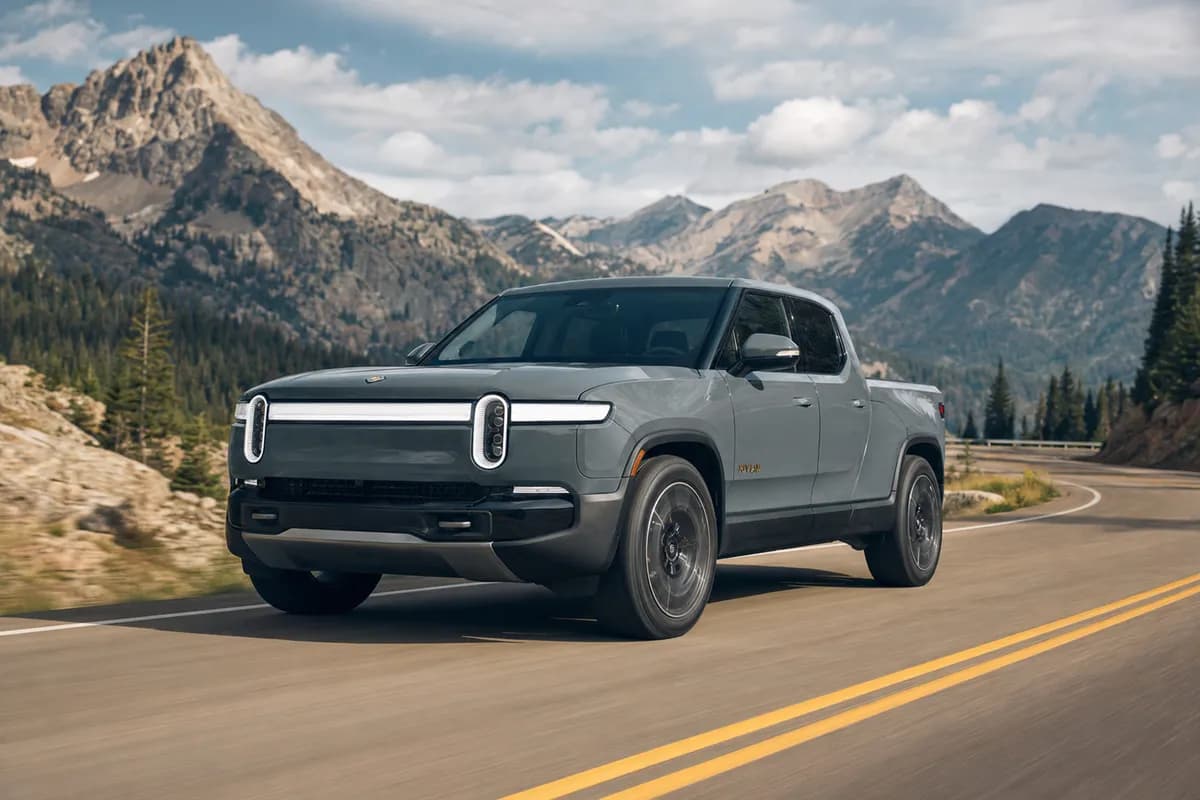
Rivian raised its Rivian 2026 delivery forecast in its July 2026 outlook, a notable move in a market where many automakers are still adjusting production to softer-than-expected EV growth. The revised guidance suggests the company is seeing steadier order flow for the Rivian R1T pickup and Rivian R1S SUV, two vehicles that remain squarely in the premium end of the U.S. EV market.
That is significant because Rivian is not competing on price alone. The R1T and R1S sit well above mainstream EV transaction levels, and both models have had to navigate higher interest rates, broader EV discounting, and a more crowded field of electric SUVs and trucks.
The key takeaway from the July update is simple: Rivian R1T R1S demand appears strong enough for management to publicly lift expectations rather than merely defend existing targets. For a company still balancing growth, margins, and capital spending, that is a better signal than an isolated sales spike or a one-time incentive push.
Why premium EV demand still matters ahead of the 2027 Rivian R2
Rivian’s current business is built on the R1 platform, but its next growth story depends heavily on the 2027 Rivian R2. The R2 is expected to move the brand into a more accessible price band, where volumes should be much higher but competition will also be more intense.
If the R1T and R1S continue to sell well through late 2026 and into 2027, Rivian gains two advantages. First, it preserves pricing power and brand strength in the premium segment. Second, it gives the company more flexibility as it prepares for the much larger launch and manufacturing ramp tied to R2.
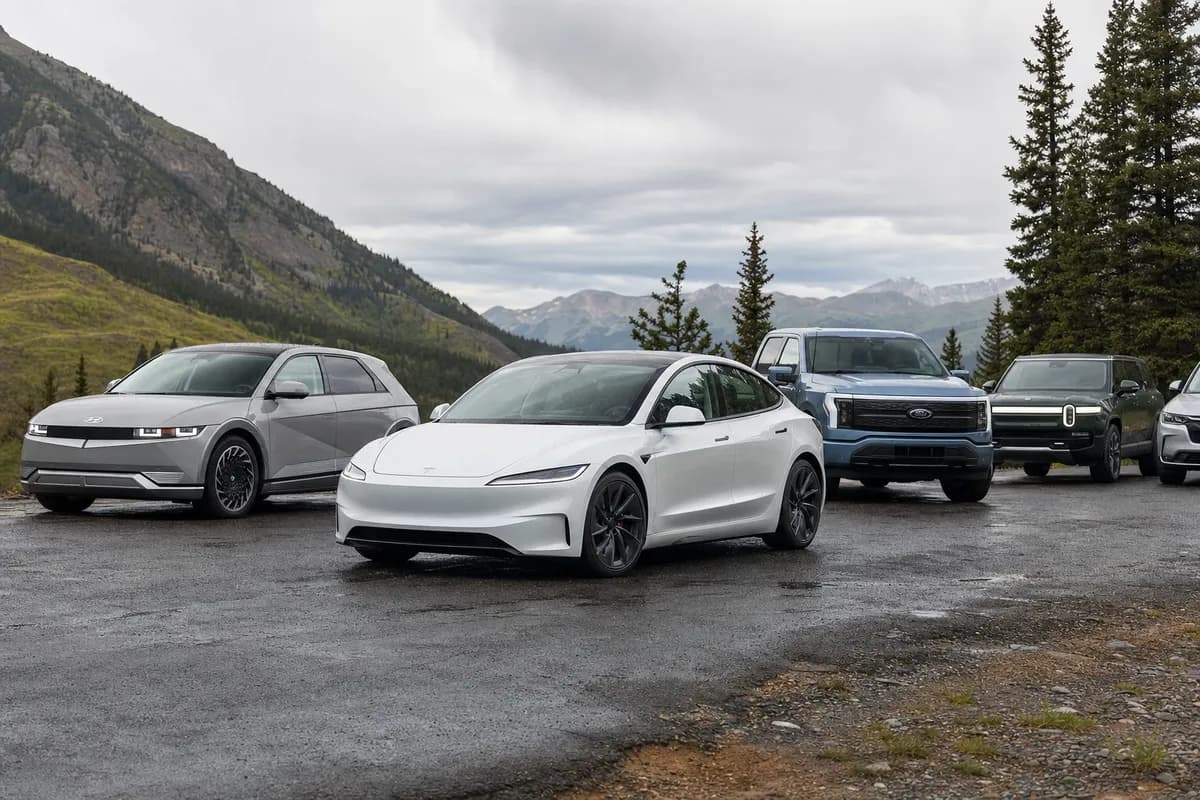
That link matters because R2 is not arriving in a vacuum. By 2027, buyers shopping below the six-figure range will be comparing Rivian not only with Tesla, but also with Ford, GM, Hyundai, Kia, and a growing list of legacy and startup entries.
- R1T and R1S strength supports cash flow and factory utilization ahead of R2.
- Premium demand durability suggests Rivian’s brand has room to stretch downward without losing its identity.
- Stable guidance lowers the risk that Rivian enters the R2 launch under heavy financial pressure.
In other words, the July 2026 outlook is not just about this year’s deliveries. It is also an early read on whether Rivian can bridge from a premium niche player to a broader EV brand without sacrificing product positioning.
What the July 2026 U.S. EV market says about pricing pressure
The U.S. EV market July 2026 picture remains defined by a basic split. Demand is still growing, but not evenly, and pricing has become the central battlefield. Automakers are leaning on lease deals, financing offers, and targeted incentives to keep inventory moving.
That creates a tougher environment for any brand trying to protect margins. Tesla has spent the last two years using price, financing, and software positioning to defend share. Ford has continued to adjust production and incentives around the Mustang Mach-E and F-150 Lightning, while GM is pushing a wider spread of Ultium-based crossovers and trucks into the market.
Rivian’s improved guidance stands out because it implies demand is strong enough to offset at least some of that industry-wide pressure. Buyers in the premium segment are still willing to pay for range, capability, design, and brand identity, especially when the product feels differentiated rather than interchangeable.
That does not mean Rivian is insulated. Price pressure in EVs tends to travel downmarket and upstream at the same time. If mainstream brands and Tesla keep reducing effective transaction prices through discounts or financing, premium makers eventually feel the effects in trade-ins, lease residuals, and shopper expectations.
- Tesla remains the reference point for EV pricing discipline and rapid market response.
- Ford is still balancing demand for electric trucks and SUVs against profitability concerns.
- GM is expanding its EV lineup and chasing scale, which can intensify competition across multiple price bands.
- Rivian is trying to prove it can grow without joining every discount cycle.
How Rivian stacks up against Tesla, Ford, and GM heading into 2027
The core question for investors and buyers is whether Rivian’s current momentum is durable. On product, Rivian still has a clear identity. The R1T and R1S offer a blend of off-road capability, premium cabin execution, and distinct design that neither Tesla nor Detroit has matched directly in the same way.
But scale changes everything. Tesla still holds the strongest EV manufacturing base in the U.S. and can move faster on price. Ford has a deep truck brand and dealer reach, even if its EV economics remain under pressure. GM has the advantage of breadth, with multiple brands and body styles that can cover more segments as EV adoption spreads.
That puts Rivian in a narrow but meaningful lane. It does not need to outsell Tesla overall or match GM model for model. It needs to hold premium demand now, execute manufacturing cleanly, and launch R2 on time and at a price point that widens the brand without flattening margins.
For U.S. buyers, the competitive picture heading into 2027 looks like this:
- Rivian R1T/R1S: strong brand appeal, lifestyle positioning, premium pricing, limited direct substitutes.
- Tesla: strongest charging integration and scale, aggressive pricing flexibility, broad brand recognition.
- Ford: truck credibility and retail footprint, but continued questions around EV profitability and demand pacing.
- GM: expanding EV portfolio, potentially stronger volume play, growing pressure on rivals in crossover and truck segments.
The biggest strategic variable is launch timing. If Rivian keeps demand and production stable through 2026, it reduces the odds of a rushed or compromised R2 rollout. If the company were forced into heavier incentives or weaker output before then, the 2027 story would look much less secure.
Verdict: Rivian’s raised forecast is encouraging, but the R2 era is the real test
Rivian’s improved 2026 guidance is a real positive. It suggests premium EV demand has not faded as quickly as some feared, and it reinforces the idea that the R1T and R1S still occupy a valuable space in the U.S. market.
Still, the July 2026 outlook should be read as a bridge, not an endpoint. The company’s long-term position will depend on whether it can carry today’s Rivian R1T R1S demand into the 2027 Rivian R2 launch while navigating relentless Tesla Ford GM EV competition.
For buyers, that is good news. Stronger Rivian demand means more evidence that the U.S. EV market can support premium products without constant discounting. But it also raises the stakes for 2027, when pricing, scale, and execution will decide whether Rivian becomes a durable national player or remains a well-liked specialist brand.
Right now, the company has momentum. The next challenge is turning that momentum into a successful R2 launch and proving it can grow as the EV market gets tougher, cheaper, and more crowded.
Affiliate disclosure: This article contains affiliate links. RevvedUpCars may earn a small commission on qualifying purchases at no extra cost to you.