Thailand’s car output drops 17.9% in May 2026 while EV demand climbs, reshaping 2027 plans for Toyota, Isuzu, Honda, BYD and Great Wall.
Thailand’s auto industry is sending two signals at once. Factory output is falling hard, but electric-car demand is still climbing. That split matters far beyond Bangkok, because Thailand remains one of Asia’s most important production and export bases for pickups, small cars, and now EVs.
Thailand car production in May 2026 fell sharply, and the weakness was broad
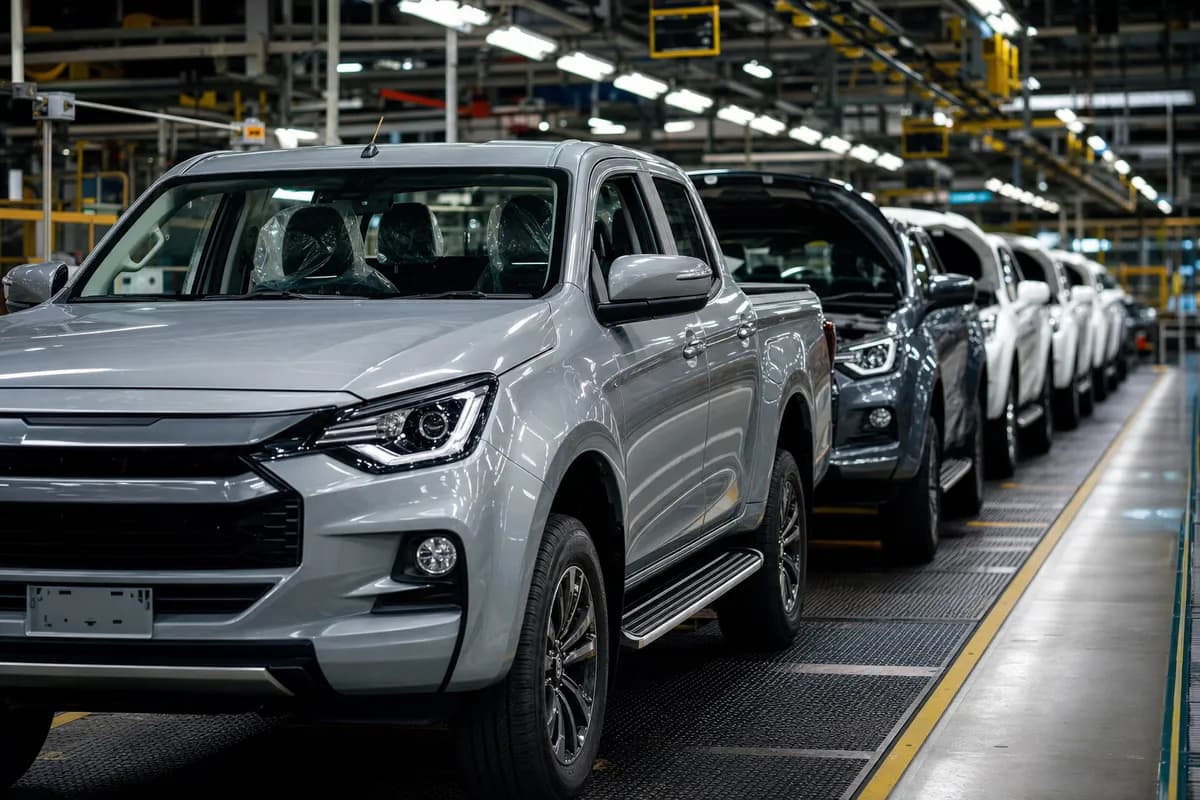
Thailand car production May 2026 dropped 17.9% year over year, a steep decline for a country long known as the “Detroit of Asia.” The slide points to weaker domestic demand in conventional vehicles, softer export momentum in some segments, and continued stress in the pickup market that underpins much of Thailand’s manufacturing base.
That matters because Thailand does not just build cars for local buyers. It is a core production hub for Toyota, Isuzu, and Honda, and it has become increasingly important for Chinese EV makers including BYD and Great Wall Motor. When Thai output falls, the effects can ripple into export allocations, model lead times, and pricing across Southeast Asia, Oceania, the Middle East, and selected global markets.
The biggest pressure point is still pickups. Thailand has long specialized in one-ton trucks, led by the Toyota Hilux and Isuzu D-Max, with Mitsubishi Triton and Ford Ranger also central to the market. When production declines in Thailand, the first question many fleets and retail buyers ask is simple: will there be enough trucks, and what happens to prices in 2027?
EV demand is rising even as legacy output weakens
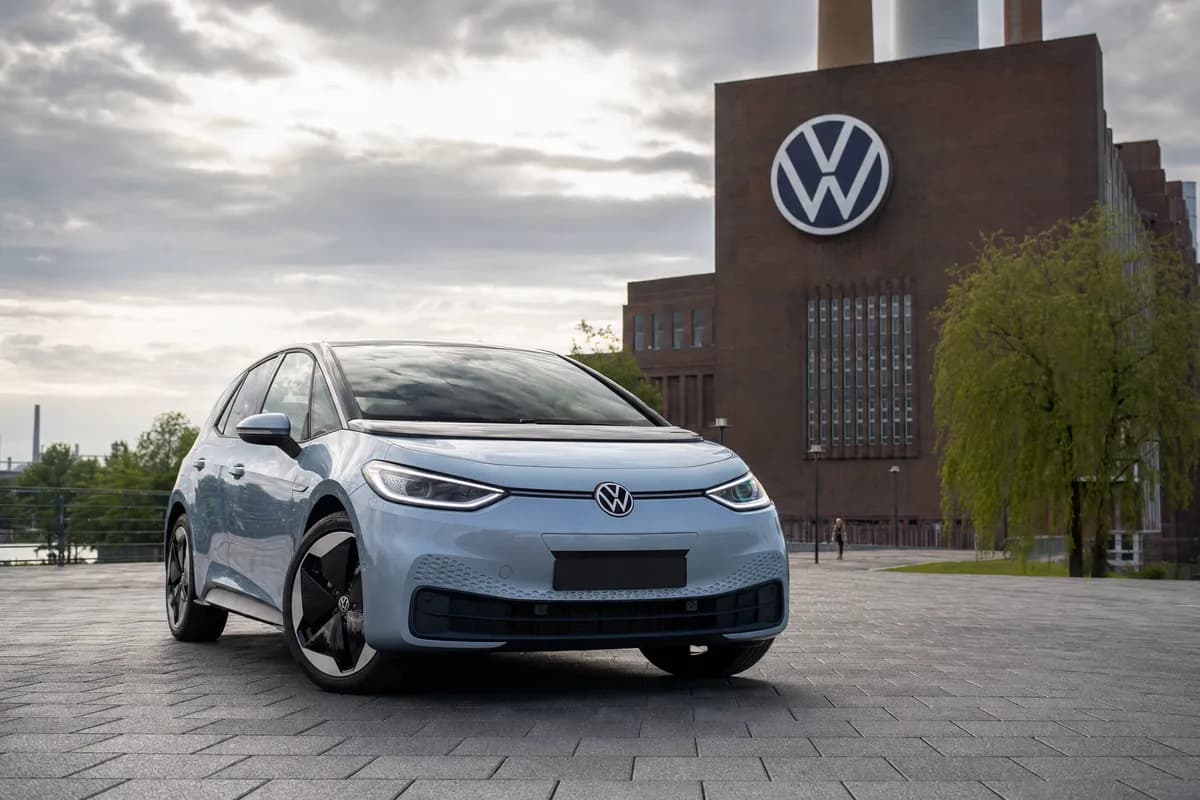
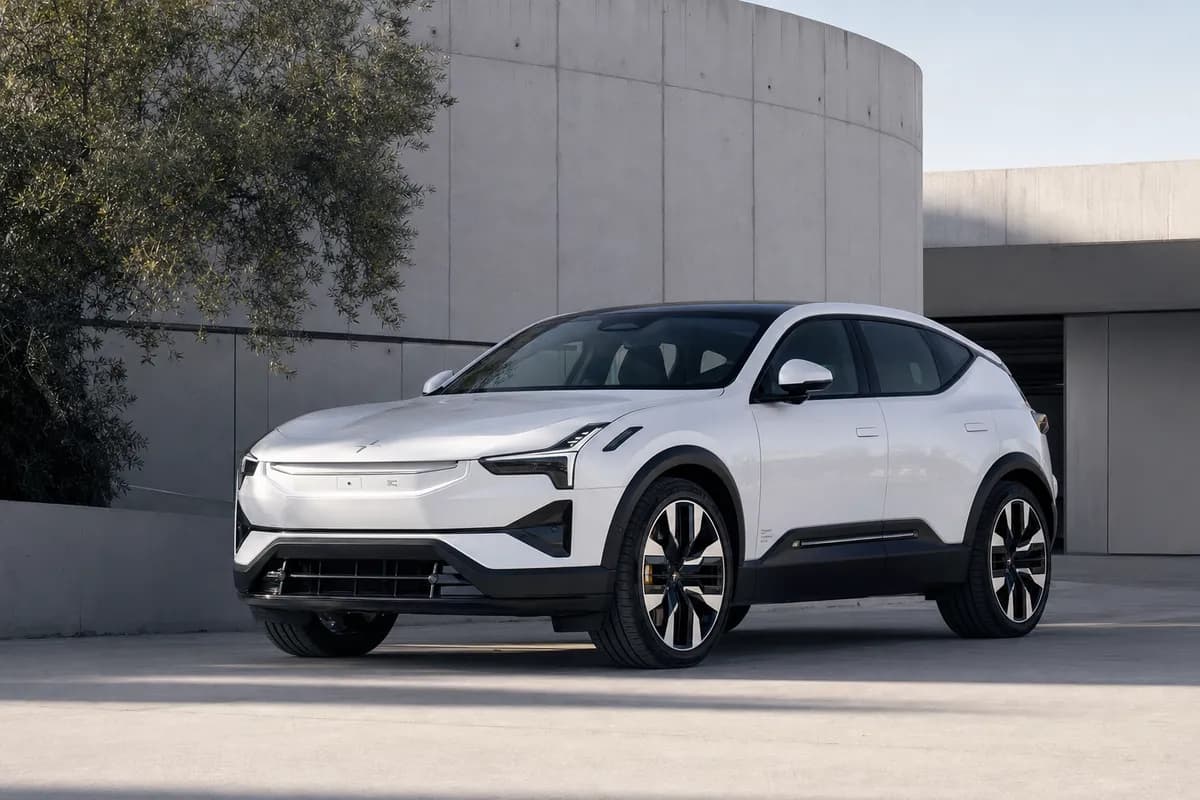
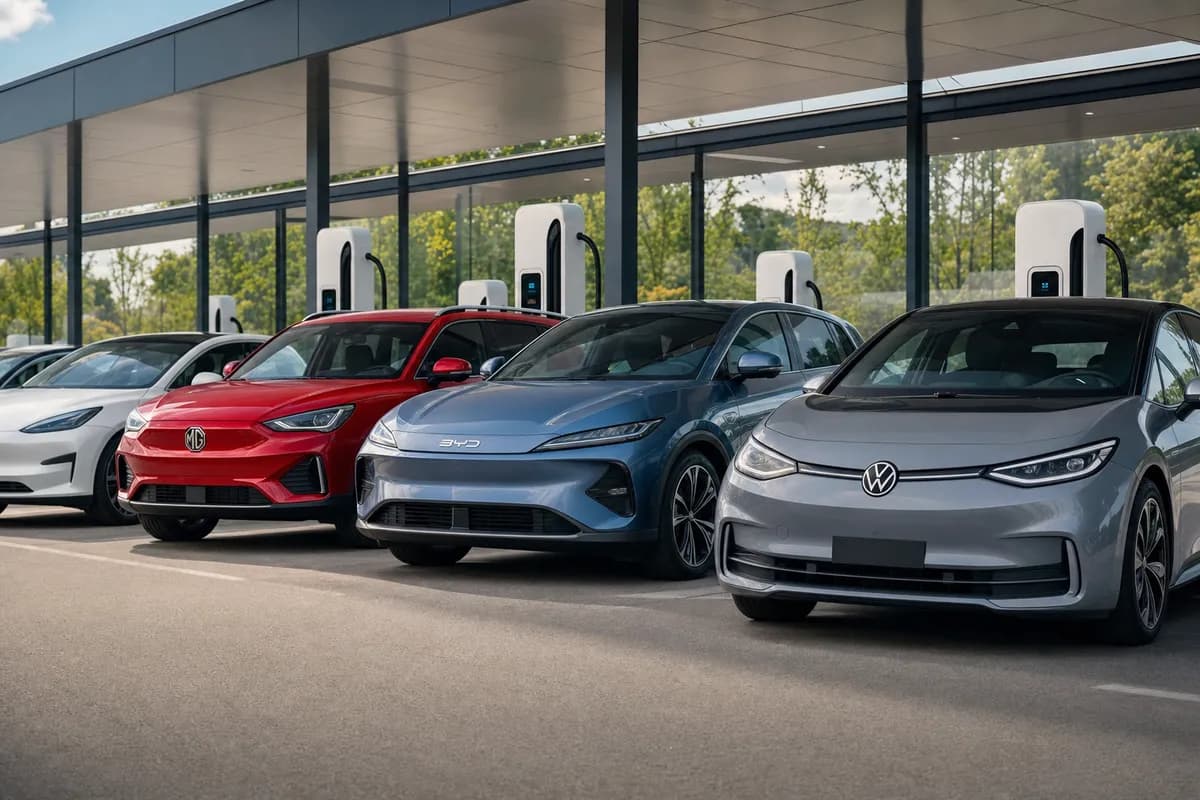
The unusual part of the story is that Thailand EV sales rise even while total vehicle production contracts. That split shows how quickly the Thai market is changing. Battery-electric passenger cars are gaining share, helped by government incentives, Chinese brand expansion, and a wider spread of lower-priced models.
In practice, Thailand now has two auto cycles running at once. The legacy cycle is tied to pickups, internal-combustion exports, and rural purchasing power. The EV cycle is driven by urban demand, price competition, and local assembly plans from brands that want to avoid import costs and secure longer-term market access.
That divergence helps explain why the production slowdown does not automatically mean every automaker in Thailand is facing the same problem. Companies with a heavy pickup and diesel exposure are navigating a weaker core business. Companies investing aggressively in EV assembly may be preparing for a stronger 2027, even if current total industry output looks soft.
- Legacy winners in Thailand: Toyota Hilux, Isuzu D-Max, Honda’s mainstream passenger models
- EV growth brands: BYD, Great Wall Motor, and other Chinese manufacturers expanding local footprints
- Main market divide: commercial pickups and exports versus fast-growing urban EV demand
What this means for 2027 Toyota, Isuzu, Honda, BYD, and Great Wall output
Toyota is still the company to watch if you want to understand the bigger supply picture. Thailand is central to pickup production, especially for the Hilux, and that makes any prolonged weakness a direct issue for 2027 Toyota Hilux supply. If domestic pickup demand remains under pressure and factories run below ideal utilization, Toyota could respond by adjusting export mix, trimming some lower-margin configurations, or prioritizing stronger overseas markets.
For buyers, that does not necessarily mean a global Hilux shortage. But it could mean tighter availability of specific trims, less discounting, and more disciplined inventory management in 2027. If supply remains constrained while demand stabilizes, pickup truck prices 2027 could stay firm rather than easing.
Isuzu faces a similar issue because Thailand is vital to D-Max output. Isuzu’s exposure to the pickup segment is even more concentrated, which makes Thailand’s production downturn especially significant. If the Thai market remains weak and export conditions stay mixed, Isuzu may need to defend margins through production discipline rather than chasing volume.
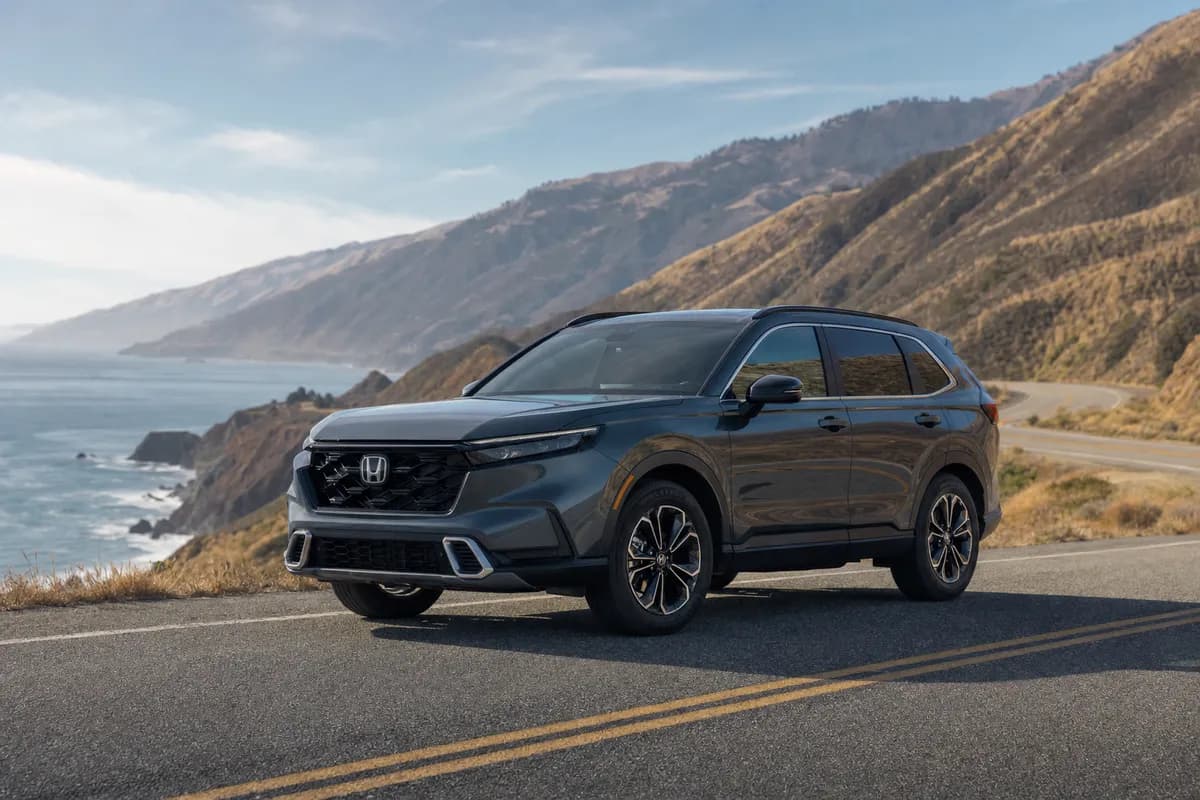
Honda is less tied to pickups, but it is still affected by Thailand’s role as a regional passenger-car manufacturing base. A weaker overall industry environment can raise pressure on suppliers, logistics, and plant utilization. Honda’s advantage is flexibility: it can shift attention toward hybrids and more efficient local-market products if the pure internal-combustion segment stays sluggish.
Then there is BYD Thailand production, which may be the clearest sign of where the market is heading. BYD has been building out its Thailand presence as part of a broader regional push, aiming to localize output and reduce dependence on imports. If EV demand keeps rising into 2027, BYD’s local production footprint could become a competitive weapon, letting it price more aggressively and respond faster to Thai and ASEAN demand.
Great Wall Motor is in a similar strategic position, though its execution will matter. Great Wall has already shown it wants Thailand to serve as more than a sales market. It wants a manufacturing base that can support both local deliveries and regional exports, especially as Chinese automakers try to lock in scale before Japanese incumbents fully respond in affordable EVs.
- Toyota: likely to protect Hilux export supply, but may keep allocations tight
- Isuzu: most exposed to a prolonged pickup slowdown in Thailand
- Honda: better insulated, with room to lean on hybrid and passenger-car mix
- BYD: positioned to benefit if local EV assembly ramps on schedule
- Great Wall: could gain share if it turns Thai production into regional volume
Why Thailand’s split matters for exports, supply chains, and pickup buyers
Thailand is not just another national car market. It is a regional production platform with deep supplier networks, major port access, and decades of pickup manufacturing expertise. That is why a near-18% output drop in May 2026 matters even if local EV registrations are rising.
For exports, the main risk is not a dramatic collapse in shipments overnight. The bigger issue is product mix. If plants make fewer conventional vehicles while EV assembly lines gain priority over time, export markets that rely on Thai-built pickups and combustion passenger cars may see more selective supply in 2027.
That is especially relevant for countries that import Thai-built trucks rather than source them locally. Toyota Hilux, Isuzu D-Max, and other Thailand-built models have been prized for consistency, volume, and competitive pricing. If factories run leaner and companies become more cautious on incentives, overseas buyers may face longer waits or less aggressive deal support.
Supplier economics are another key factor. A broad output decline can strain parts makers that depend on high ICE and pickup volumes, while EV-focused suppliers gain importance. Over time, that can reshape what Thailand is best at building, and which manufacturers can scale profitably there.
Thailand’s current split is not just a short-term sales quirk. It is a transition signal: legacy truck manufacturing is weakening at the same time EV capacity is becoming more strategically valuable.
For pickup buyers, the practical takeaway is straightforward. If you are waiting for a big drop in truck prices in 2027, Thailand’s production picture does not guarantee one. Lower output often means fewer bargains, not more, especially if brands keep tight control over inventory and protect margins.
Verdict: 2027 availability may tighten for pickups while EV choice expands
The contradiction in Thailand’s market is real, but the direction is clear. Traditional auto production is under pressure, especially in pickups and combustion-heavy segments, while EV demand and local EV investment continue to build. That makes Thailand a case study in how an established manufacturing hub changes course without flipping overnight.
For Toyota and Isuzu, the immediate challenge is preserving pickup profitability and export reliability as Thai output softens. For Honda, the test is how well it can navigate a weaker industry backdrop while shifting toward electrified products. For BYD and Great Wall, the opportunity is bigger: use Thailand’s transition to secure local scale before the market fully resets.
The likely 2027 outcome is a market with two very different supply stories. Pickup availability, including 2027 Toyota Hilux supply, could stay disciplined, with pickup truck prices 2027 remaining relatively firm if output does not recover strongly. At the same time, EV buyers may see broader model choice, sharper pricing pressure, and faster local delivery as BYD Thailand production and rival assembly plans expand.
Thailand’s May 2026 numbers look like a downturn at first glance. In reality, they may be the early shape of the next regional auto map.
Affiliate disclosure: This article contains affiliate links. RevvedUpCars may earn a small commission on qualifying purchases at no extra cost to you.