Jeep returns with the electrified 2026 Cherokee, aiming to top CR-V Hybrid, RAV4 Hybrid, and Forester comfort, capability, and value.
Jeep killed the Cherokee in 2023, then watched America keep buying CR-Vs, RAV4s, and Foresters by the truckload. Now it’s back for 2026 with electrification, fresh packaging, and a lot to prove in the most brutally rational corner of the SUV market.
The new Cherokee can’t survive on seven-slot nostalgia and trail-rated swagger alone. Buyers want fuel economy, rear-seat room, a quiet ride, and a monthly payment that doesn’t feel like a personal insult.
A Comeback With Better Timing Than the Last Cherokee
The 2026 Jeep Cherokee returns on Stellantis’ STLA Large-based architecture and, crucially, launches first with electrified powertrains. Jeep says the lineup includes a standard hybrid and a plug-in hybrid, putting the Cherokee directly in the path of the Honda CR-V Hybrid, Toyota RAV4 Hybrid, and a likely hybridized future Subaru Forester buyer who still cares about traction and bad-weather confidence.
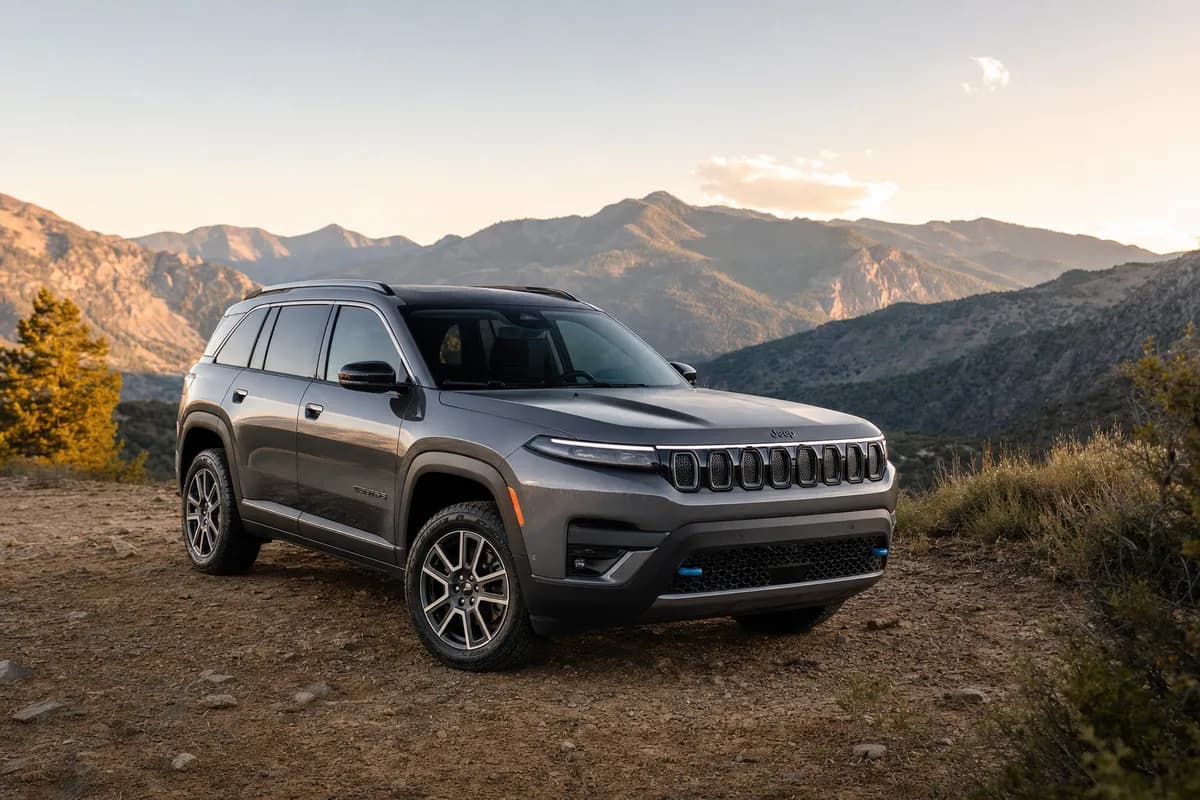
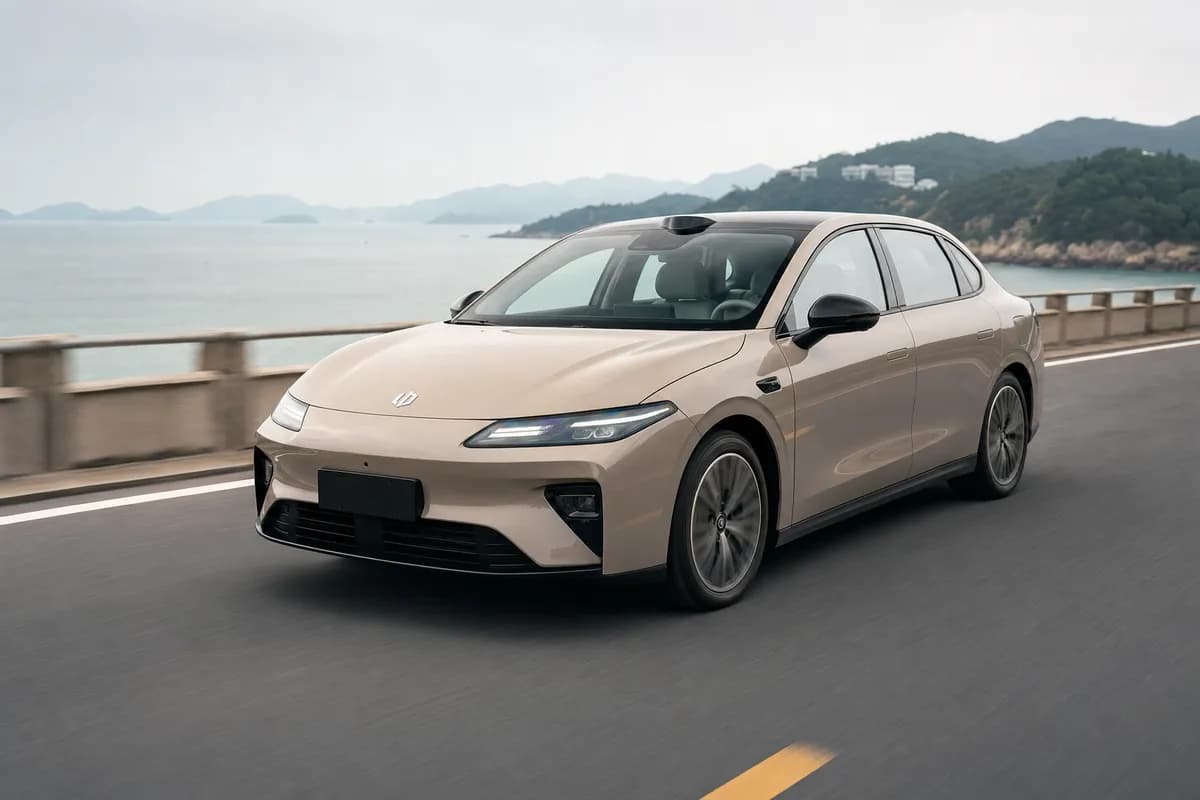
From a design standpoint, Jeep played this smart. The new Cherokee looks cleaner and more upright than the awkwardly softened last generation, with a boxier profile, short overhangs, and just enough Grand Cherokee influence to make it look expensive from 30 feet away.
Size matters here, because this class is won and lost by family usefulness. The new Cherokee slots into the compact-SUV sweet spot, right where the CR-V and RAV4 live, rather than drifting toward the larger two-row midsize crowd. That means Jeep isn’t dodging the fight. It’s walking straight into it.
2026 Jeep Cherokee First Drive: How the Hybrid Powertrain Feels
Jeep has not yet published every final U.S. trim breakdown, but the headline is simple: the new Cherokee hybrid is meant to be the volume seller, while the plug-in hybrid adds power and electric-only range for buyers willing to pay more. Based on our first drive, that strategy makes sense.
The standard hybrid setup delivers the kind of low-speed shove buyers expect now from electrified crossovers. It pulls away cleanly, avoids the rubber-band misery that still plagues some CVT-based hybrids, and feels better insulated than the Toyota RAV4 Hybrid, whose powertrain remains efficient but not exactly charming under load.
More important, the Jeep feels calibrated for normal humans. Throttle response is smooth in traffic, regenerative braking is easy to modulate, and the handoff between gas and electric power is mostly seamless. That may sound basic, but half this segment still trips over exactly those details.
The likely wildcard is the plug-in hybrid. If Jeep follows the formula that made the Wrangler 4xe a sales hit, the Cherokee PHEV could be the enthusiast’s choice in a class usually powered by appliances. Instant torque suits Jeep’s brand far better than a droning four-cylinder ever did.
- Honda CR-V Hybrid: Class benchmark for smoothness and daily drivability
- Toyota RAV4 Hybrid: Efficiency champ with proven resale, but coarser under hard acceleration
- Subaru Forester: Excellent visibility and AWD confidence, but currently down on hybrid credibility versus Jeep’s new push
- 2026 Jeep Cherokee hybrid: Better low-speed punch and stronger personality than most of the class
Comfort, Cabin Quality, and the Stuff You Notice Every Day
This is where Jeep had to get serious. The old Cherokee had fans, but it was never the default recommendation in this class because rivals simply nailed the fundamentals better. The 2026 model feels like Jeep finally studied the homework instead of trying to charm its way past the grading rubric.
Ride quality is the first pleasant surprise. The new Cherokee absorbs broken pavement with real composure, landing closer to the Honda CR-V Hybrid comparison standard than the firmer, busier setups you sometimes get from Jeep’s more rugged products. It doesn’t float, and it doesn’t crash. That’s a win.
Noise isolation is also improved. Wind and road noise are well suppressed at highway speeds, and the hybrid system’s ability to loaf around town on electric assistance helps make the Cherokee feel more premium than its likely price point suggests.
The cabin design is straightforward rather than gimmicky. Physical controls remain for key functions, the screens are crisp, and the driving position is upright in the way SUV buyers actually like. Visibility is good, though Subaru still owns this category on sheer greenhouse generosity.
Material quality looks competitive, not revolutionary. That’s fine. Buyers in this segment don’t need hand-stitched theater; they need durable surfaces, smart storage, and rear seats that don’t punish adult passengers.
- What the Cherokee gets right inside:
- Comfortable front seats with a commanding driving position
- Quieter cabin than the outgoing Cherokee
- Useful physical controls instead of touchscreen overreach
- Family-friendly packaging with genuinely competitive rear-seat space
Can It Still Do Jeep Things?
It had better, because “pretty good hybrid crossover” is not enough to justify another nameplate revival. The Cherokee needs to offer at least some meaningful capability edge over the CR-V and RAV4, or it becomes just another face in the Costco parking lot.
On a first drive route that included rough pavement, gravel, and light off-road terrain, the new Cherokee showed the kind of easy competence buyers will actually use. Ground clearance, wheel control, and torque delivery over loose surfaces all felt more natural than in the typical front-drive-based hybrid crossover. This is still a Jeep, not a cosplay package.
That said, don’t confuse this with a baby Wrangler. Most Cherokee buyers will care far more about snow, rain, rutted camp roads, and pothole-blasted suburbs than axle articulation. For those jobs, the Jeep’s available all-wheel-drive hardware and terrain-management calibration give it a legitimate advantage over the average soft-roader.
The Subaru Forester remains the default pick for outdoorsy pragmatists, especially those who value visibility and simple, confidence-building controls. But the Cherokee feels more polished and more modern in its powertrain strategy, which matters when fuel prices and emissions rules keep squeezing conventional AWD crossovers.
Value Verdict: Can It Beat the CR-V Hybrid and RAV4 Hybrid?
Here’s the blunt truth: the 2026 Jeep Cherokee review story does not end with “best in class.” The Honda CR-V Hybrid is still the segment’s cleanest all-rounder, and the Toyota RAV4 Hybrid still owns the reliability-and-resale argument until proven otherwise. Those are not minor obstacles. They are the entire game.
But Jeep doesn’t need to dominate every spreadsheet category to matter. It needs to offer enough efficiency, enough comfort, and enough everyday usability while preserving the capability edge that gives buyers a reason to choose it over the usual Japanese default picks. Based on this first drive, it does exactly that.
If pricing lands close to the heart of the segment, the new Cherokee will be very easy to recommend. If Jeep gets greedy and pushes it too far above a comparably equipped CR-V Hybrid or RAV4 Hybrid, buyers will walk. This class is ruthlessly logical, and brand romance only gets you so far.
The verdict: the new Cherokee is a credible comeback, not a nostalgia exercise. It rides well, feels thoughtfully electrified, looks like a Jeep should, and finally brings genuine compact-SUV practicality to the badge without sacrificing its identity.
Would I pick it over a Honda CR-V Hybrid sight unseen? No. The Honda remains the safest recommendation for most people. But if you want a compact electrified SUV with more character, more rough-road confidence, and fewer appliance vibes than the segment norm, the Jeep Cherokee hybrid has gone from afterthought to serious contender.
Bottom line: The 2026 Cherokee doesn’t overthrow the CR-V Hybrid or RAV4 Hybrid outright, but it absolutely deserves to be cross-shopped with them. For buyers who want comfort, usable efficiency, and authentic Jeep-flavored capability in one package, this comeback lands harder than expected.
Affiliate disclosure: This article contains affiliate links. RevvedUpCars may earn a small commission on qualifying purchases at no extra cost to you.