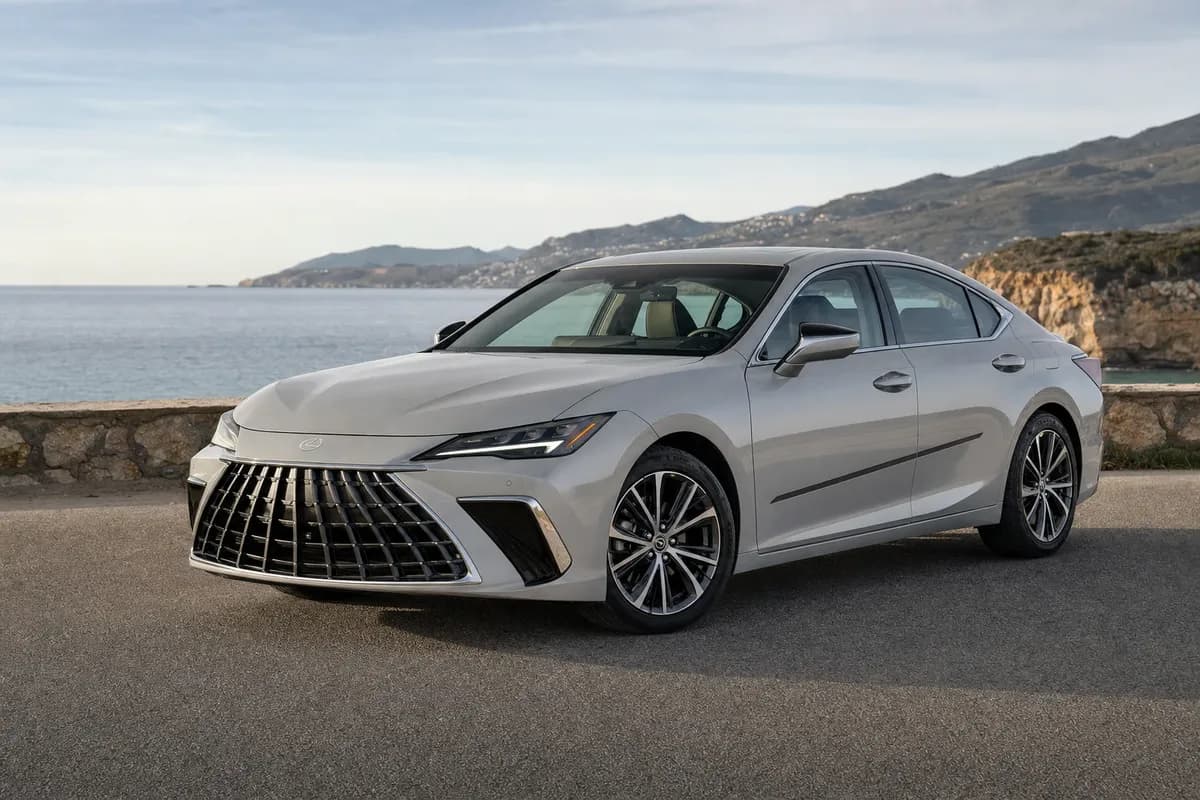
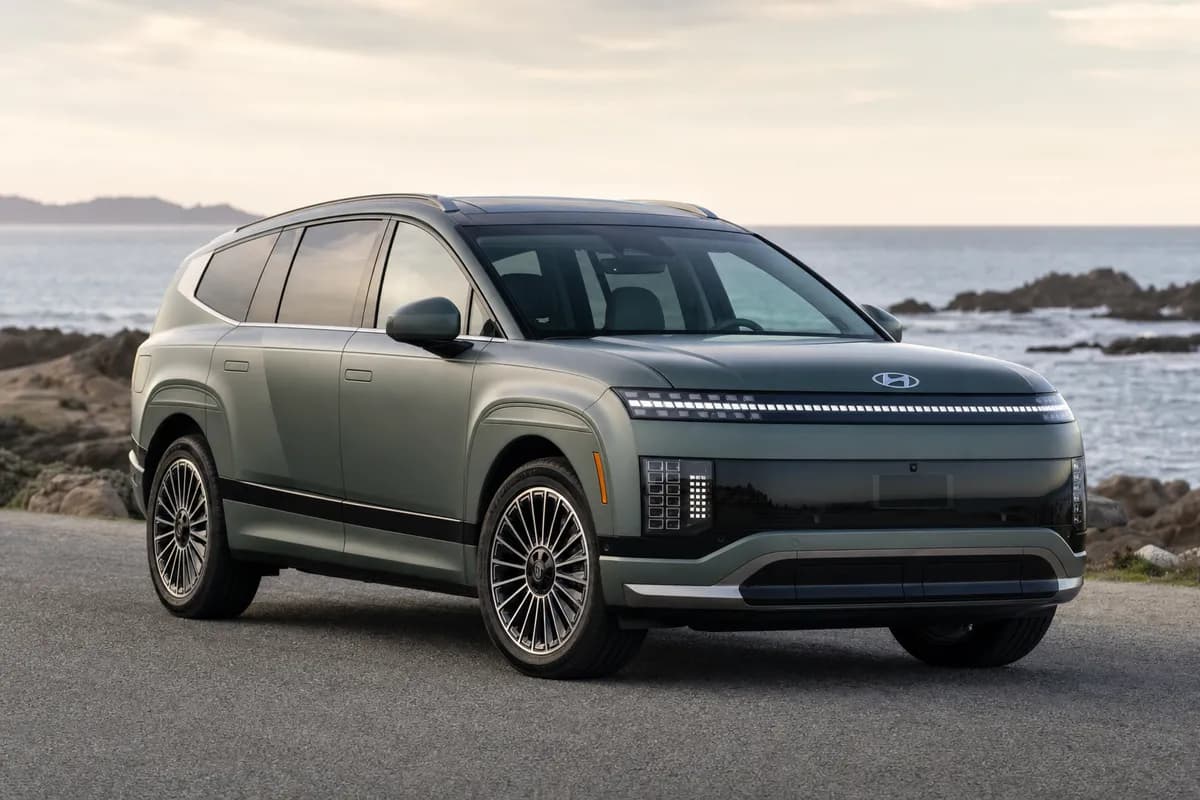
Lexus reinvents the ES with the ES 350h AWD, aiming for silent luxury and real-world mpg while taking on the Mercedes E-Class and BMW 5 Series.
Lexus picked an interesting moment to reinvent the ES. EV enthusiasm has cooled, luxury buyers still want silence and comfort, and fuel prices remain annoying enough to make a 40-plus-mpg sedan look very smart. The new 2026 Lexus ES 350h AWD aims straight at that gap.
A bigger, calmer ES with a very clear mission
The old ES was already the anti-sports sedan. For 2026, Lexus leans harder into that identity rather than pretending it built a Japanese 5 Series fighter. That is the right call.
The redesigned ES rides on an updated front-wheel-drive-based platform, grows in overall length, and adopts a cleaner, lower, more expensive-looking shape. Lexus says the new body is stiffer, aerodynamics are improved, and cabin insulation has been upgraded. You feel all three within the first mile.
In ES 350h AWD form, the headline is the hybrid system. Lexus pairs a 2.5-liter four-cylinder with Toyota’s latest hybrid hardware and an electronic all-wheel-drive setup that adds a rear motor for traction rather than genuine rear-drive playfulness. Total output lands at 236 horsepower, which is enough, but the point here is not lap times. The point is wafting without paying dearly at the pump.
Lexus targets fuel economy in the low-to-mid 40-mpg range combined depending on wheel size and trim. That immediately gives this car a huge talking point against six-cylinder German sedans and even against four-cylinder mild hybrids that still struggle to feel genuinely frugal in real use. If you are shopping the best luxury hybrid sedan 2026, that number gets the ES onto the shortlist before you even touch the door handle.
How the 2026 Lexus ES 350h AWD drives: quiet, polished, and refreshingly honest
Let’s get this out of the way: if your idea of a luxury sedan is clipping apexes and bragging about rear-wheel-drive balance, buy something else. The 2026 Lexus ES 350h AWD review story is about composure, not corner-entry attitude.
On the road, the new ES feels more substantial than before. The steering is light but no longer vague, body motions are tidier, and the suspension does an excellent job of dismissing broken pavement without the float and rebound slop that used to creep into softer Lexus sedans. It does not shrink around you like a BMW 530i, but it also does not punish you for living somewhere with actual roads.
The hybrid powertrain is smoother than many CVT-based rivals, and Lexus has done a respectable job muting the droning nonsense that plagues lesser hybrids under load. Put your foot down for a highway merge and you still hear the four-cylinder working, because physics remains undefeated. But around town and at a cruise, the ES is whisper-quiet in the way luxury buyers actually care about.
Performance is adequate rather than thrilling. Expect 0-60 mph somewhere in the low-7-second range, which is fine for this class and mission, but clearly behind quicker German options like the BMW 530i xDrive and Mercedes-Benz E 350 4Matic, both of which feel more urgent when asked. The Lexus counters with smoother low-speed response, less driveline fuss, and much better efficiency.
The AWD system is best understood as a security blanket. In rain, cold, and light snow, it adds confidence and cleaner launches. It does not transform the ES into a back-road toy, and thank goodness Lexus did not waste money pretending otherwise.
Cabin quality, tech, and comfort: this is where the ES lands its punches
The interior is where the new ES makes its strongest case. Lexus has finally brought the sedan’s cabin design into line with its newer crossovers, which means cleaner surfaces, better integration of screens, and fewer fiddly bits trying too hard to seem futuristic.
Material quality is excellent in the places that matter. The seats are superb, the driving position is relaxed, and rear-seat space remains one of the ES’s quiet advantages over sportier rivals that treat back-seat passengers like an afterthought. If your luxury sedan regularly carries adults in the second row, the Lexus feels smarter than a 5 Series configured for someone’s imaginary Nürburgring commute.
The infotainment system is vastly improved from older Lexus efforts. A large central touchscreen, modern software, wireless Apple CarPlay and Android Auto, and a proper suite of driver aids are all here. Lexus also continues to score points for ergonomics by keeping key controls easy to find, rather than burying basic functions in submenu hell like some premium brands that should know better by now.
- Standout comfort strengths: low cabin noise, excellent seat cushioning, supple ride tuning
- Luxury-value wins: generous rear-seat room, strong standard equipment, likely lower ownership costs
- Still not class-leading: outright screen wow-factor, badge swagger, enthusiast appeal
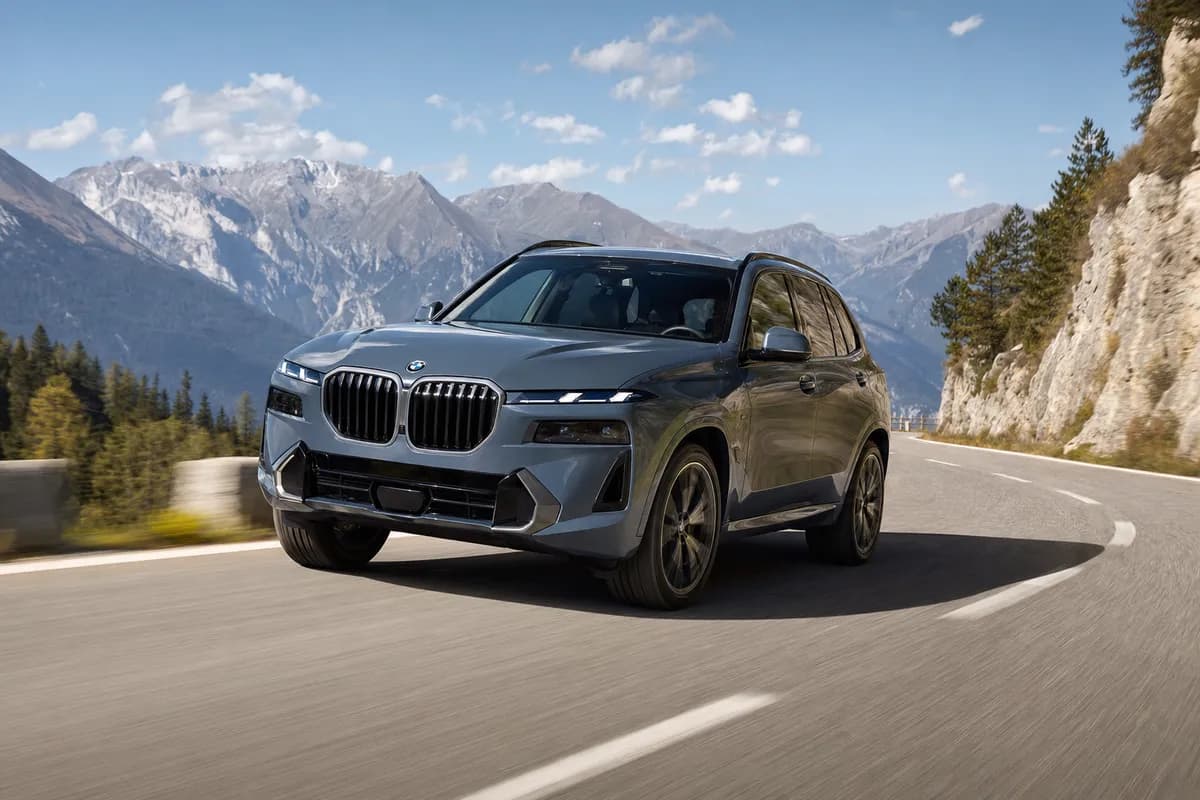
That last point matters. The Mercedes-Benz E-Class still feels more overtly special in some trims, with richer ambient lighting, flashier displays, and a stronger sense of occasion. The BMW 5 Series still looks and feels like the driver’s choice. But the Lexus delivers the thing many people actually use every day: calm.
2026 Lexus ES vs BMW 5 Series and Mercedes E-Class: where Lexus wins, and where it doesn’t
The key to understanding the 2026 Lexus ES vs BMW 5 Series and 2026 Lexus ES vs Mercedes E-Class debate is this: Lexus is not trying to beat them at their own game. It is trying to make their game look overpriced.
A comparably equipped BMW 530i xDrive and Mercedes-Benz E 350 4Matic will almost certainly cost more than the ES 350h AWD. They also return worse real-world fuel economy for most drivers, especially in city use where the Lexus hybrid shines. Add Lexus’s long-standing advantage in reliability reputation and resale steadiness, and the numbers start looking very persuasive.
Here is the practical breakdown:
- Lexus ES 350h AWD: best for comfort, efficiency, low ownership stress, and value
- BMW 530i/530i xDrive: best for steering precision, chassis balance, and driver engagement
- Mercedes-Benz E 350 4Matic: best for tech theater, prestige feel, and polished long-distance cruising
The Lexus also arrives at a time when some luxury buyers are stepping back from EVs. Not because EVs are bad, but because charging logistics, depreciation anxiety, and six-figure pricing have dulled the romance. A hybrid sedan that can realistically return more than 40 mpg, cruise in silence, and skip charger drama looks less conservative now and more sensible.
Still, the ES does have limits. If you care about rear-drive dynamics, the BMW remains the clear answer. If you want the latest wow-tech and a more overtly premium showroom aura, the Mercedes has the stronger emotional pull. The Lexus is the rational choice, but for once that does not mean it feels cheap or compromised.
Verdict: one of the smartest luxury sedans you can buy
The Lexus ES hybrid first drive leaves a strong impression because the car knows exactly what it is. It is not a sport sedan in disguise. It is a comfort-first, efficiency-rich, all-weather luxury sedan built for people who would rather arrive relaxed than self-satisfied.
And honestly, that focus makes it more appealing than a lot of overcomplicated rivals. The 2026 Lexus ES 350h AWD is roomy, refined, impressively quiet, and likely to be far cheaper to run than an equivalent German sedan. In a market full of expensive electrified experiments and luxury cars trying too hard to be everything at once, the ES feels gloriously, almost rebelliously coherent.
If your priority list starts with ride quality, cabin serenity, hybrid efficiency, and value, this may well be the best luxury hybrid sedan 2026. The BMW 5 Series is still better for drivers. The Mercedes E-Class still has more showroom sparkle. But if you want the car that makes the most sense every single day, the new ES 350h AWD is the one to beat.
Affiliate disclosure: This article contains affiliate links. RevvedUpCars may earn a small commission on qualifying purchases at no extra cost to you.