2026 Peugeot E-408 First Drive Review: Can Peugeot’s Sleek Electric Fastback Crossover Beat the Tesla Model 3, BYD Seal, and Volkswagen ID.7 on Style, Comfort, and Real-World Range?
Peugeot’s E-408 turns a stylish fastback crossover into an electric family car—so can it top the Model 3, BYD Seal, and ID.7 in real life?
In this article
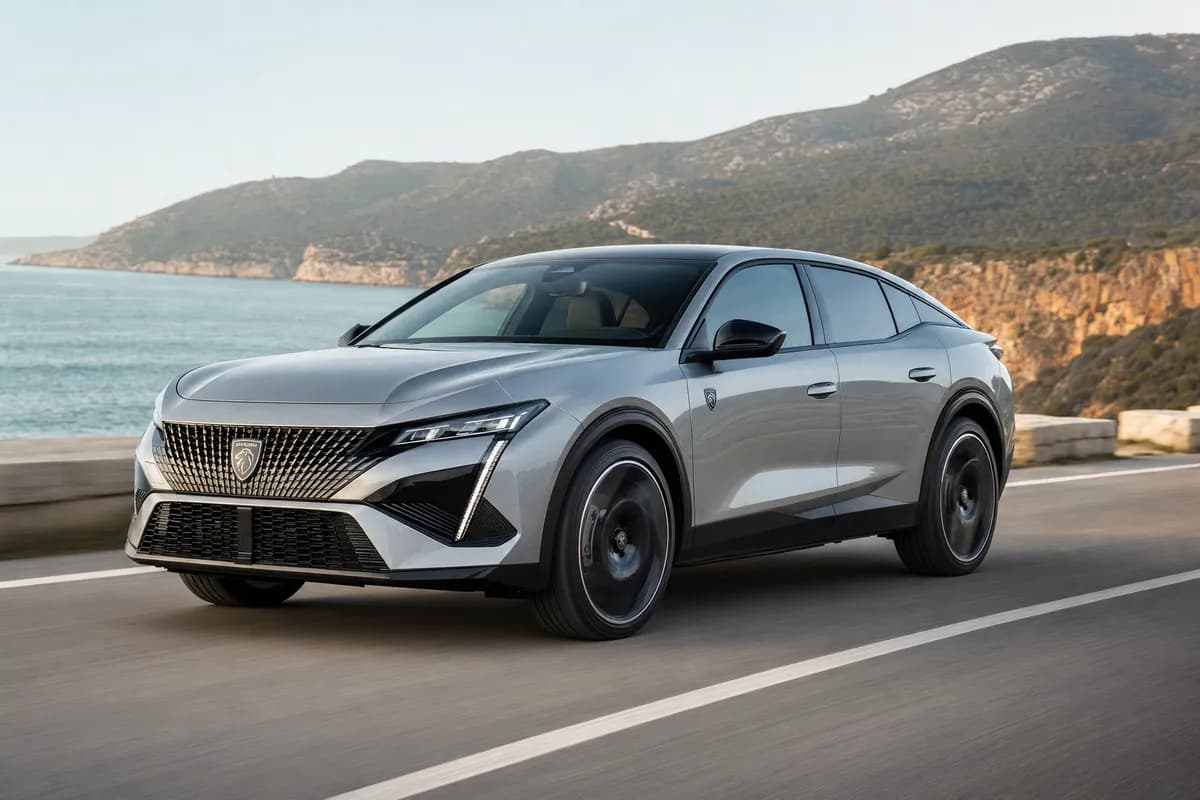
Peugeot has built its recent reputation on cars that look expensive even when they are not. The 2026 Peugeot E-408 doubles down on that trick, turning a left-field fastback crossover into a fully electric family car. After a first drive, the question is not whether it looks good. The real question is whether this stylish oddball can genuinely trouble the Tesla Model 3, BYD Seal, and Volkswagen ID.7 where buyers actually care: comfort, range, and day-to-day usability.
A stylish answer to a market full of electric clones
The 2026 Peugeot E-408 lands at exactly the right moment. Europe is filling up with electric saloons and crossovers that are competent, aerodynamic, and about as emotionally engaging as a white fridge. Peugeot’s answer is a raised fastback with coupe-ish proportions, chunky lower cladding, and just enough visual drama to stand apart in a supermarket car park full of Model Ys and ID.4s.
It sits in an interesting gap. The E-408 is not a conventional saloon like the Tesla Model 3 or BYD Seal, and it is not a full SUV either. Instead, Peugeot is pitching it as an electric fastback crossover 2026 buyers might choose if they want easier access than a low-slung sedan but do not want the bulk or blandness of a family SUV.
Underneath, the E-408 uses Stellantis hardware closely related to the group’s latest medium-to-large EVs. In launch form, it pairs a single front-mounted motor with 210 hp and 345 Nm of torque, fed by a usable battery in the high-50s to low-60s kWh bracket depending on market specification. Peugeot quotes WLTP range around the 280- to 300-mile mark, which sounds fine on paper. As ever, paper is cheap.
First drive impressions: soft edges, sharp looks, and one obvious limitation
From the first few miles, the E-408’s priorities are clear. This is not a sports saloon in disguise. Peugeot has tuned it for refinement, light control inputs, and a supple low-speed ride that shrugs off broken urban surfaces better than a Tesla Model 3 and with less suspension fidget than a BYD Seal on big wheels.
The higher ride height helps. You step into it rather than drop into it, and visibility is better than the rakish roofline suggests. That said, rearward sightlines are still compromised by the styling, so the camera and sensors earn their keep.
The front motor delivers smooth, progressive shove rather than neck-snapping acceleration. Expect 0-62 mph in roughly 7.5 to 8.0 seconds depending on trim and wheel size. That is perfectly adequate, but against a rear-drive Tesla Model 3 at around 6.1 seconds, or a dual-motor BYD Seal that can dip into proper quick territory, the Peugeot feels more relaxed than rapid.
That is not necessarily a criticism. In normal driving, the E-408 feels quieter and less frantic than some rivals obsessed with headline sprint numbers. It settles into a motorway cruise nicely, and the body control is tidy enough that it never feels woolly, only measured.
Ride comfort: Better than Tesla Model 3 on poor roads, close to Volkswagen ID.7 for compliance
Steering: Light, accurate, not especially chatty
Performance: Enough for family buyers, but not a class benchmark
Refinement: Strong at urban and motorway speeds, with low wind noise
If you are hoping Peugeot has secretly built an electric 405 Mi16 for the crossover age, stop dreaming. The E-408 is a comfort-first machine. Frankly, that is the smarter call for this audience.
Advertisement
Cabin, practicality, and the usual Peugeot quirks
Inside, the E-408 majors on design. The latest i-Cockpit layout still looks distinctive, with layered surfaces, a compact steering wheel, and digital displays that make a Tesla interior seem like a budget airport lounge. Material quality is good in the places you touch most, and the cabin has more visual flair than either the Model 3 or the ID.7.
There is still a catch. Peugeot’s small steering wheel and high-set instrument binnacle remain divisive. If the wheel rim blocks the dials for your seating position, you will either adapt or spend years mildly annoyed. This is not a new problem, and Peugeot still refuses to admit it exists.
Space is decent rather than class-leading. Front-seat accommodation is generous, and the raised seating position will appeal to buyers trading out of SUVs. Rear headroom is acceptable despite the sloping roof, though the Volkswagen ID.7 feels airier in the back and the BYD Seal offers a slightly more conventional saloon seating posture.
The hatchback opening is a genuine advantage over sedan-style rivals. Boot access is easier than in the Tesla Model 3 or BYD Seal, especially for bulky luggage, pushchairs, or the random flat-pack furniture every family pretends it does not carry. The E-408’s shape is not just for Instagram. It actually helps in the real world.
Big win: Easier entry and exit than low saloon EVs
Big win: More practical hatch opening than Model 3 or Seal
Minor gripe: Rear space is fine, not exceptional
Major quirk: i-Cockpit ergonomics still will not suit everyone
Peugeot E-408 real world range: good enough, not class-leading
This is where the E-408 faces its hardest test. Peugeot claims close to 300 miles WLTP in the right specification, but in mixed first-drive conditions the more believable figure looks to be around 220 to 245 miles. That estimate factors in motorway use, moderate temperatures, and driving like a normal human rather than a range-hunting monk.
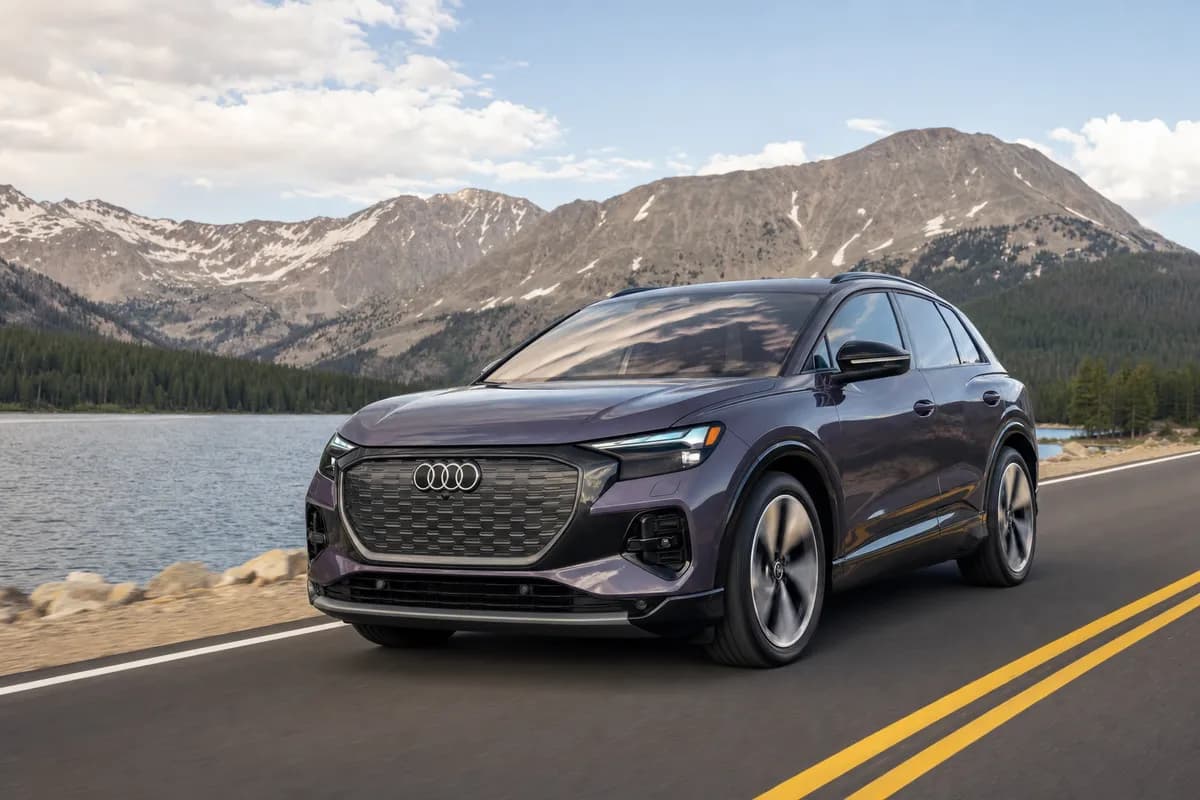
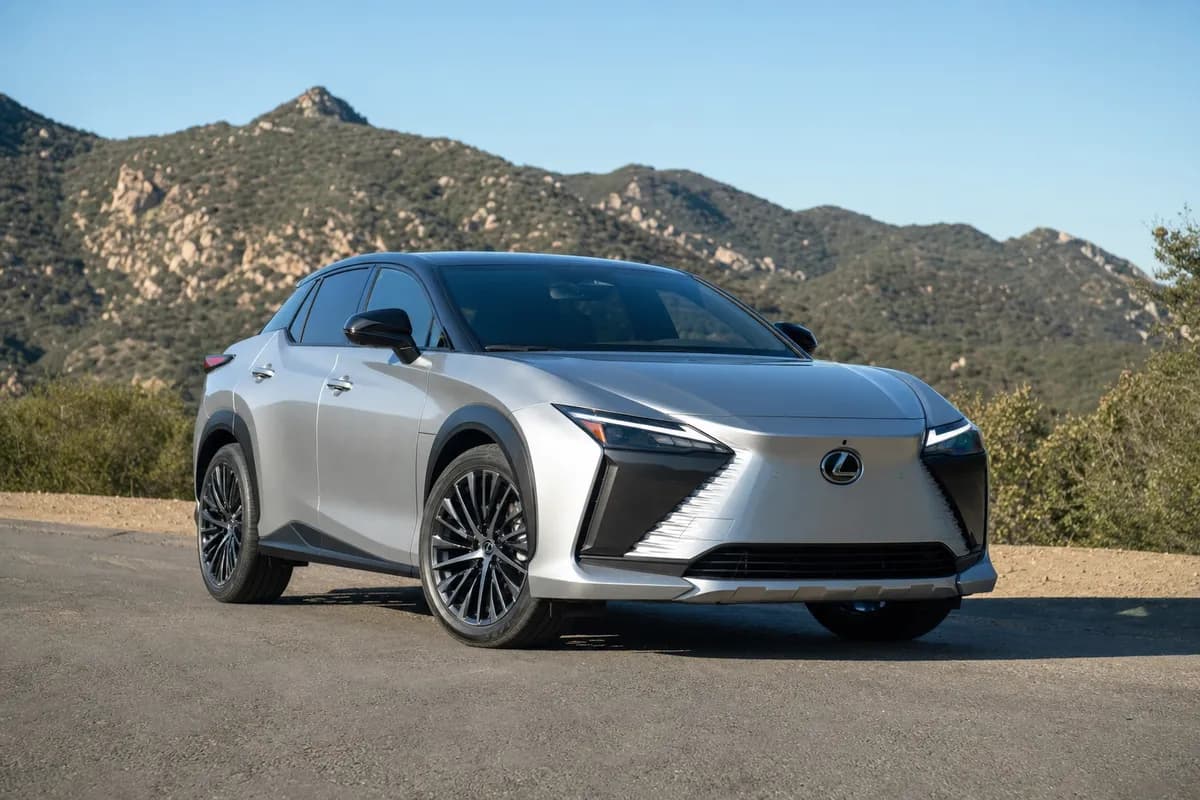
That puts the Peugeot in respectable company, but not at the front. A rear-drive Tesla Model 3 routinely delivers some of the best efficiency in the class, often capable of 250 to 300 real miles depending on conditions. The Volkswagen ID.7, with its larger battery and slipperier long-distance brief, can comfortably exceed the Peugeot on motorway range. The BYD Seal is also competitive, though its real-world efficiency can vary more with wheel and powertrain choice.
Charging matters just as much. The E-408 supports DC rapid charging at around 160 kW, allowing a 10 to 80 percent stop in roughly 30 minutes under ideal conditions. That is acceptable in 2026, but it is not a knockout blow when Tesla’s charging ecosystem remains the easiest in practice and the ID.7 can also post strong long-trip numbers with its larger energy reserve.
Efficiency, then, is solid rather than spectacular. The Peugeot is not wasteful, but it does not rewrite the rules either. Buyers choosing one over a Model 3 will do so for design, seating position, and comfort more than because it stretches a kilowatt-hour further.
Key rivals at a glance
Peugeot E-408: Best for style, comfort, hatchback practicality, and crossover seating position
Tesla Model 3: Best for efficiency, performance per pound, software, and charging network
BYD Seal: Best for value, equipment, and strong all-round capability
Volkswagen ID.7: Best for space, motorway comfort, and long-range cruising
Peugeot E-408 vs Tesla Model 3, BYD Seal, and Volkswagen ID.7
The Peugeot E-408 vs Tesla Model 3 battle is really a heart-versus-head exercise. The Tesla is still the more rational EV. It is quicker, more efficient, and backed by better charging integration. But the Peugeot feels more special inside, rides better on rough roads, and does not look like it was designed by an algorithm trained on office stationery.
Against the BYD Seal, the fight is tighter. The BYD offers impressive equipment levels, strong build quality, and keen pricing. Yet Peugeot’s higher driving position, hatchback practicality, and more distinctive design give it a clear identity. If the Seal is the sensible all-rounder, the E-408 is the stylish alternative that makes a stronger emotional case.
The Volkswagen ID.7 is the mature long-distance choice. It is roomier, often more efficient on the motorway, and feels engineered for people who spend half their life on the A1. The Peugeot counters with more visual flair and a footprint that feels less cumbersome in town. For urban and suburban buyers, that matters.
The E-408 is not the best EV in this class on pure numbers. It may be the most convincing if you want your family electric car to have a pulse.
Verdict: a likeable, stylish EV that wins on character more than class-leading stats
The 2026 Peugeot E-408 first drive reveals a car that knows exactly what it is. It is not a Tesla-chasing efficiency champion, and it is not trying to outgun the BYD Seal on value or the Volkswagen ID.7 on long-haul range. Instead, it offers something many mainstream EVs still struggle to deliver: genuine desirability without premium-brand pricing.
Its strengths are clear. The ride is polished, the cabin is distinctive, the hatchback body is useful, and the raised seating position broadens its appeal. Real-world range looks good enough for most buyers, even if not segment-leading, and the overall package feels thoughtfully judged for European roads.
The weaknesses are just as clear. Performance is merely adequate, charging is competitive rather than outstanding, and the i-Cockpit remains a love-it-or-hate-it gamble. If your buying spreadsheet rules your life, the Tesla Model 3 still makes more objective sense.
But cars are not bought on spreadsheets alone. The E-408 has personality, comfort, and curb appeal in a class where too many rivals feel anonymous. If Peugeot prices it sharply, this electric fastback crossover could become one of 2026’s smartest EV alternatives for buyers bored of the usual suspects.
Affiliate disclosure: some links on this page earn us a commission at no extra cost to you.
Alex Torque is a lifelong gearhead who grew up in Detroit with motor oil in his veins. After a decade as a performance driving instructor at Laguna Seca and the Nurburgring, he traded his racing helmet for a keyboard—though he still logs track days whenever possible. Alex specializes in sports cars, supercars, and anything with forced induction. His reviews blend technical precision with the visceral thrill of pushing machines to their limits. When he’s not testing the latest performance machines, you’ll find him restoring his 1973 Datsun 240Z or arguing about optimal tire pressures. Alex believes that driving should be an event, not a commute.
Get the latest car reviews in your inbox
Join thousands of car enthusiasts. No spam, unsubscribe any time.



Comments
Leave a comment