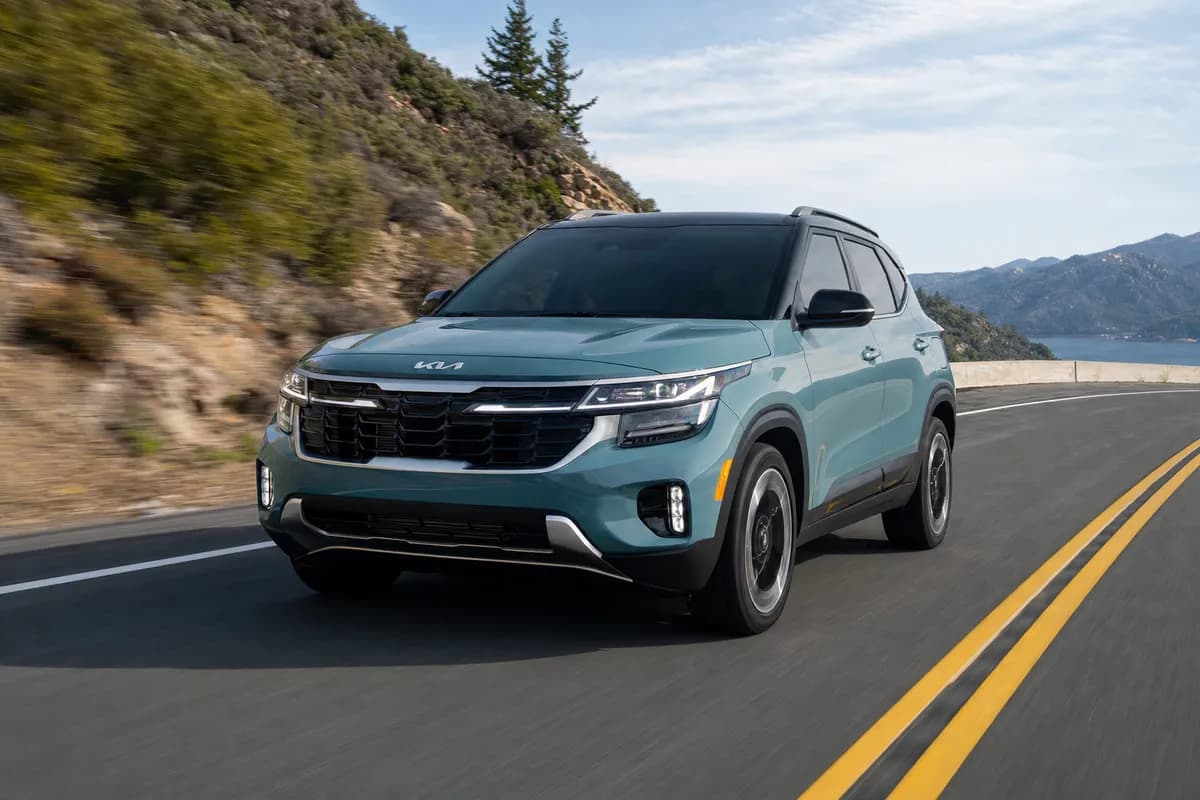
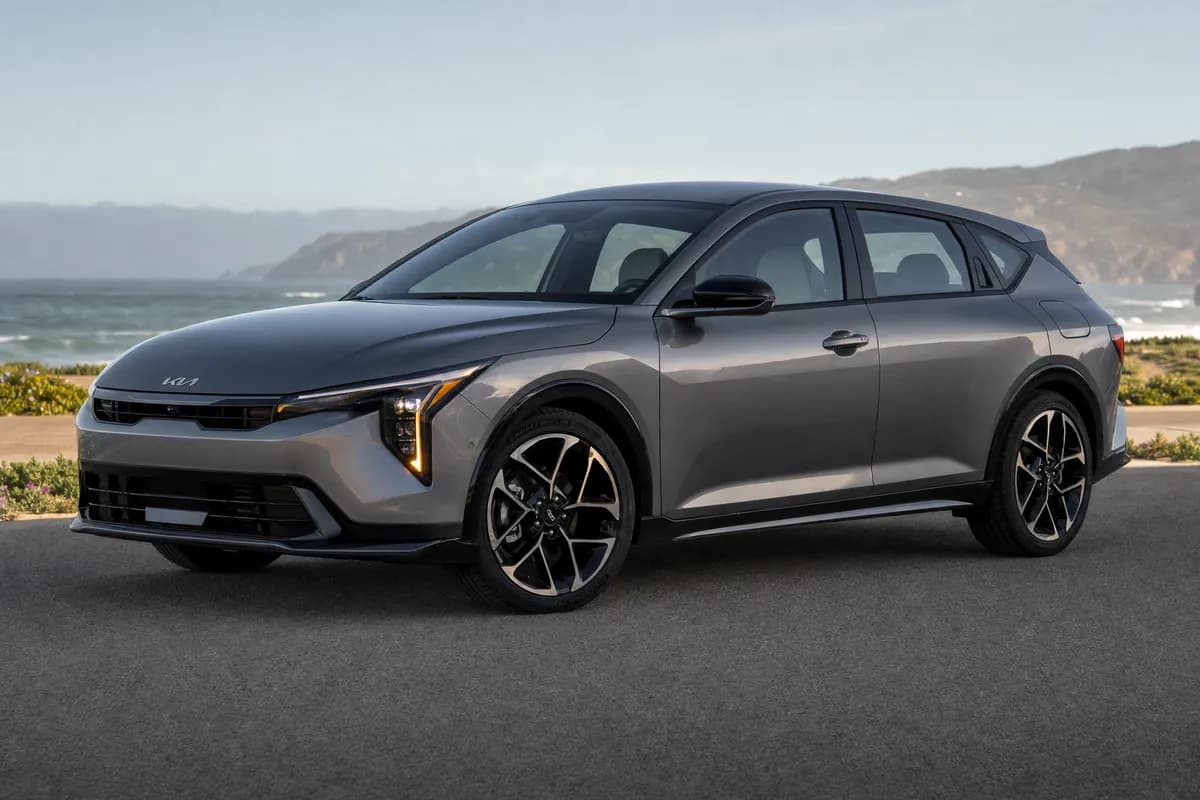
Kia aims to make the 2027 Seltos feel quieter and smarter without raising payments, and this first drive shows real promise against the Kona and CX-30.
The 2027 Kia Seltos is trying to pull off a neat trick. It wants to feel richer, quieter, and smarter without forgetting that buyers in this class still count every monthly payment. After a first drive, the good news is that Kia mostly threads the needle.
This 2027 Kia Seltos review matters because the subcompact SUV field is no longer cheap-and-cheerful. The Hyundai Kona went tech-heavy, the Chevrolet Trax went big on value, and the Mazda CX-30 still plays the premium driver's car. Kia's answer is a Seltos that feels more mature, more polished, and just upscale enough to make rivals sweat.
A Familiar Shape, But a More Grown-Up Mission
The Seltos has always been the "slightly bigger than you expect" option in the subcompact SUV class. For 2027, Kia leans harder into that advantage with cleaner trim execution, improved material quality, and a cabin that feels less entry-level rental special than before. It still looks like a Seltos, but the vibe has shifted from bargain buy to budget SUV with luxury feel.
That matters because this segment is getting crowded with pseudo-premium ambition. The 2027 Kia Seltos vs Hyundai Kona fight is especially interesting, since the two share corporate DNA but chase different personalities. Kona is flashier and more design-forward. Seltos is calmer, roomier, and, frankly, more useful.
Kia says the updated Seltos focuses on everyday refinement, connectivity, and perceived quality. That sounds like marketing mush until you drive it back-to-back with the usual suspects. Then you notice the quieter cabin, the smoother low-speed behavior, and the fact that the interior doesn't look like it was styled by a committee of app developers.
Powertrain, Ride, and Road Manners: Better Than Before, Still Not a Hot Hatch
In most trims, the Seltos continues with a naturally aspirated 2.0-liter four-cylinder making around 147 horsepower and 132 lb-ft of torque, paired with a CVT. Higher trims use the far better 1.6-liter turbo four with roughly 195 horsepower and 195 lb-ft, sending power through an 8-speed automatic and available all-wheel drive. If you care at all about merging without prayer, buy the turbo.
On the road, the base engine is competent but uninspiring, much like the Chevrolet Trax's mission in life. The difference is that the Trax makes do with less power on paper, around 137 horsepower from its 1.2-liter turbo-three, yet often feels honest about its economy-car roots. The Seltos 2.0 tries to act refined, but when pushed, the CVT still lets the engine drone like a leaf blower trapped in a steel drum.
The turbo Seltos is the one worth wanting. It is not fast in a hot-crossover sense, but sub-8-second 0-60 mph capability is realistic, which puts it ahead of mainstream versions of the Trax and close enough to the Mazda CX-30 2.5 S to matter. The CX-30 Turbo remains the class hooligan, but it also gets expensive quickly and drinks fuel like it knows premium cabins have consequences.
Ride quality is where the Kia scores real points. The suspension tuning absorbs broken pavement with more composure than the Mazda CX-30, which still has a tendency to feel busy and firm on rough city streets. Compared with the Hyundai Kona, the Seltos also feels less fidgety and less obsessed with proving it has European tastes.
Steering is light, accurate, and forgettable, which is exactly what many buyers want. This is not the best subcompact SUV 2026 contender if your metric is steering feel or corner-carving joy. But if your metric is not arriving at work mildly annoyed, the Seltos makes an excellent case for itself.
Interior Quality, Space, and Tech: The Upscale Push Is Real
Open the door and the Seltos makes its strongest argument. The dashboard design is cleaner than before, the materials on upper trims look convincingly rich, and the switchgear has that reassuringly solid Kia click. It does not quite reach Mazda CX-30 richness, but it beats the Chevrolet Trax handily and feels more cohesive than the Kona's futuristic-for-the-sake-of-it layout.
The packaging advantage remains a big deal. The Seltos offers more rear-seat friendliness than the CX-30 and feels airier than the Kona, both of which can get tight once adults climb into the back. Cargo room is another Kia strength, with the Seltos generally offering about 26.6 cubic feet behind the rear seats and over 62 cubic feet with them folded, depending on drivetrain.
That makes it more practical than the CX-30, which trails in cargo utility, and right in the fight with the Trax, one of the roomiest vehicles in this class. The Chevy still wins points for sheer packaging cleverness at the money, but the Kia counters with a far more polished environment. One feels like a great deal. The other feels like a class above with only a modest hit to your bank account.
Technology is strong without becoming annoying. Expect Kia's dual-screen layout on better trims, with available 10.25-inch displays, wireless Apple CarPlay and Android Auto availability depending on configuration, over-the-air update capability, and a robust suite of driver-assistance features. Kia's infotainment remains one of the least frustrating systems in the business, which is worth more than another half-inch of screen diagonal.
- 2027 Kia Seltos: Roomy cabin, strong turbo option, polished infotainment, upscale trim execution.
- Hyundai Kona: Bolder styling, strong tech presentation, less airy cabin, firmer attitude.
- Chevrolet Trax: Outstanding value, surprising space, less refinement, no AWD.
- Mazda CX-30: Best interior richness and driving feel, tighter rear seat, smaller cargo area, pricier when equipped well.
Value and Trim Strategy: Where the Seltos Has to Be Careful
Kia's entire pitch hinges on price discipline. If the Seltos starts in the mid-$20,000 range and keeps well-equipped trims below the low-$30,000 mark, it lands in a sweet spot. Push too far north, and buyers start looking at lightly upgraded compact SUVs or better-equipped versions of the CX-30 and Kona.
This is why the Trax remains such an irritant to every automaker in the segment. Chevrolet built a genuinely usable crossover with a starting price typically in the low-$20,000s, and that changes the value conversation. The Trax does not feel premium, but it does make many rivals explain themselves.
The Seltos answers with available all-wheel drive, better powertrain choice, more refinement, and a cabin that actually feels designed for adults with standards. That is a valid upsell. But Kia cannot let option packages bloat the sticker into absurdity, because nobody shopping this class wants to hear the phrase "approaching $35,000" unless the vehicle is exceptional. The Seltos is very good. It is not miracle-grade good.
The Seltos works best when it behaves like a smart buy with premium manners, not a bargain Audi in denial.
Against the Kona, the Kia feels like the more rational pick. Against the Trax, it feels like the nicer pick. Against the CX-30, it feels like the more spacious and sensible pick. That is a strong place to live if Kia keeps trims and pricing honest.
Verdict: One of the Smartest Small SUVs, If You Skip the Weakest Version
The Kia Seltos first drive verdict is simple: Kia has made its small SUV feel more expensive in all the right ways. It is quieter, more mature, and more convincing as daily transport than before. It also avoids the design gimmickry and cramped compromises that weaken some rivals.
Would I take it over the Hyundai Kona? Yes, unless you are infatuated with the Kona's styling or screen-heavy cockpit. Would I take it over the Chevrolet Trax? If the budget allows, absolutely, because the Seltos feels like money spent, not just money saved. Would I take it over the Mazda CX-30? That is closer, but for family use and all-around practicality, the Kia is the easier recommendation.
My main caveat is the base 2.0-liter/CVT setup. It is adequate, and "adequate" is reviewer code for "you will notice every uphill on-ramp." The turbo 1.6 is the powertrain that unlocks the Seltos' character and makes the upscale mission believable.
So, can Kia's more premium-minded small crossover beat the Kona, Trax, and CX-30 on value, tech, and everyday refinement? Mostly, yes. The 2027 Seltos is not the cheapest, not the sportiest, and not the flashiest, but it may be the class's best all-rounder — and in this segment, that is often the smartest victory of all.
Affiliate disclosure: This article contains affiliate links. RevvedUpCars may earn a small commission on qualifying purchases at no extra cost to you.