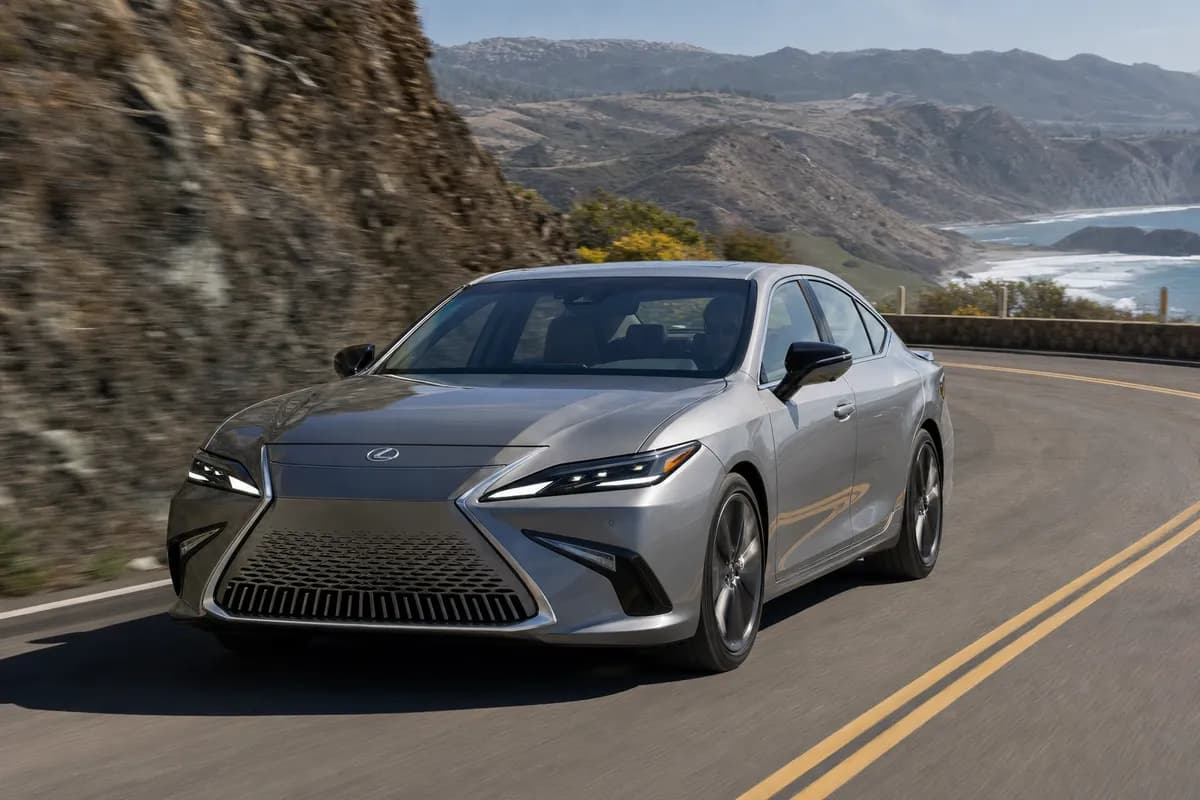
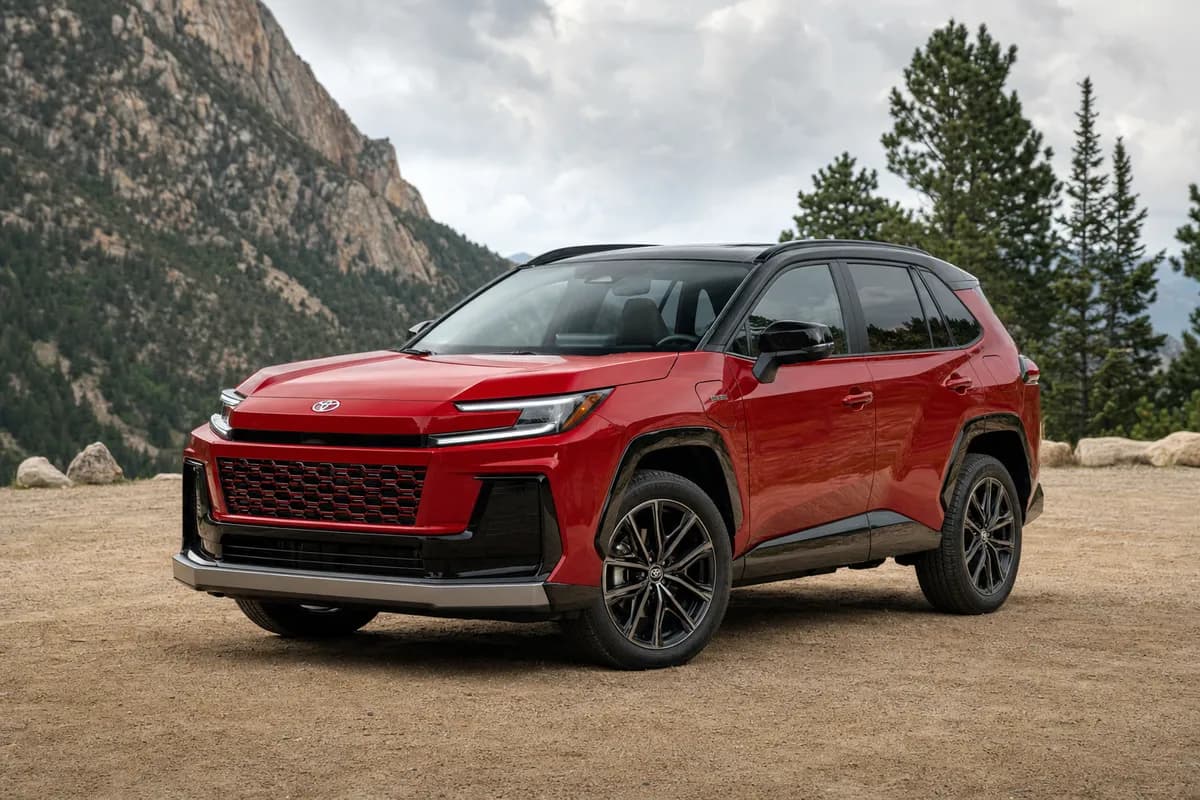
The 2026 Lexus ES 350h blends calm comfort with hybrid efficiency, aiming to outshine the Toyota Crown, Volvo S90 B5, and BMW 530e.
Sedans aren’t dead. They’ve just been waiting for buyers to remember that a low roof, a long wheelbase, and a hybrid powertrain can make daily driving feel gloriously effortless.
The redesigned 2026 Lexus ES 350h arrives at exactly the right moment. Crossovers keep getting taller, heavier, and more irritating, while this calm new hybrid sedan asks a sharper question: why spend more for less comfort?
A Bigger, Smarter ES That Knows Its Job
The 2026 Lexus ES 350h review starts with a simple truth: Lexus did not reinvent the executive sedan. It refined the formula with real discipline. The new ES is longer, roomier, and visibly cleaner than before, with a sharper nose, slimmer lighting, and less of the overwrought surfacing that has plagued too many recent Lexus designs.
Underneath, the ES 350h continues to lean into what buyers actually want from a real-world luxury car: quiet, efficiency, and low stress. This is not a sport sedan in disguise. It is a comfort-first hybrid meant to devour commutes, airport runs, and long highway slogs without asking for constant forgiveness.
Lexus pairs a 2.5-liter four-cylinder hybrid setup with front-wheel drive or available all-wheel drive, depending on market and trim. Combined output lands around 240 hp, and while Lexus isn’t pretending this thing is a stoplight assassin, the numbers are entirely adequate for the mission. Think 0-60 mph in the mid-7-second range, not BMW-quick, but quicker than the old “appliance” stereotype suggests.
The key is calibration. Power delivery is smooth, the hybrid system transitions cleanly, and the electronically controlled CVT behaves with far less droning protest than many rivals. If you hated old-school hybrid moaning, this new ES will not convert you into a Nürburgring hero, but it may stop you from complaining.
Comfort First, and Proud of It
This is where the Lexus ES hybrid first drive gets interesting. Lexus has doubled down on ride isolation, seat comfort, and cabin serenity, and the result is a sedan that feels expensive in the ways that matter after 90 minutes behind the wheel, not five minutes in a dealership lot.
The suspension tuning is supple without turning floppy. On broken pavement, the ES 350h rounds off impacts better than the Toyota Crown and with less secondary jiggle than many big-wheel German sedans. It doesn’t float like an old land yacht, but it also doesn’t punish you in the name of fake sportiness.
Steering is light, accurate enough, and mostly free of drama. Good. The ES should not be trying to impersonate a 5 Series. Buyers looking for steering feel can go chase a BMW brochure and a lease payment. Buyers who want a sedan that leaves them fresher after a 300-mile day should stay right here.
Cabin noise is impressively low, especially at highway speeds where hybrid luxury sedans often reveal tire roar or coarse engine note. The ES keeps wind noise in check and uses its powertrain sparingly when cruising. It feels engineered by people who understand that luxury is often just the absence of irritation.
Interior Quality and Space
The cabin is classic Lexus in the best sense. Materials look rich, switchgear feels solid, and the seats remain among the best in the segment for all-day support. There’s enough design flair to avoid boredom, but not so much that you need a tutorial to adjust the vents.
Rear-seat space is a major strength. The ES has always been friendly to adults in the back, and the new car improves on that with generous legroom and a relaxed seating position. If you’re cross-shopping a Toyota Crown because you think a lifted roofline is the answer to comfort, drive this first.
Lexus has also modernized its infotainment and driver interface. The latest touchscreen system is faster, clearer, and less annoying than some older Lexus efforts, while physical controls remain for key climate functions. That alone counts as a public service in 2026.
Fuel Economy: One of the ES 350h’s Best Tricks
Efficiency is where the Lexus argument gets brutally practical. Lexus estimates the 2026 ES 350h fuel economy at roughly 44 mpg combined, depending on configuration. In mixed real-world first-drive use, seeing low-40s mpg without trying especially hard feels entirely believable.
That matters because this car does not require plug-in diligence to deliver savings. Unlike a BMW 530e, the ES 350h does its best work for owners who simply get in and drive. No charging cable, no workplace charger politics, no discovering that your plug-in hybrid is suddenly just a heavy gasoline sedan once the battery is empty.
Compared with rivals, the numbers stack up like this:
- 2026 Lexus ES 350h: around 44 mpg combined, roughly 240 hp
- Toyota Crown Limited/Platinum hybrids: typically around 30-41 mpg combined depending on powertrain
- Volvo S90 B5: around 25-28 mpg combined in real use, with a mild-hybrid setup that helps but doesn’t transform operating costs
- BMW 530e: excellent efficiency if charged regularly, but gasoline-only operation usually falls well behind the Lexus
The ES wins the realism contest. It delivers meaningful fuel savings every day, not just on a spreadsheet or during the first 30 electric miles.
2026 Lexus ES vs Toyota Crown, Volvo S90 B5, and BMW 530e
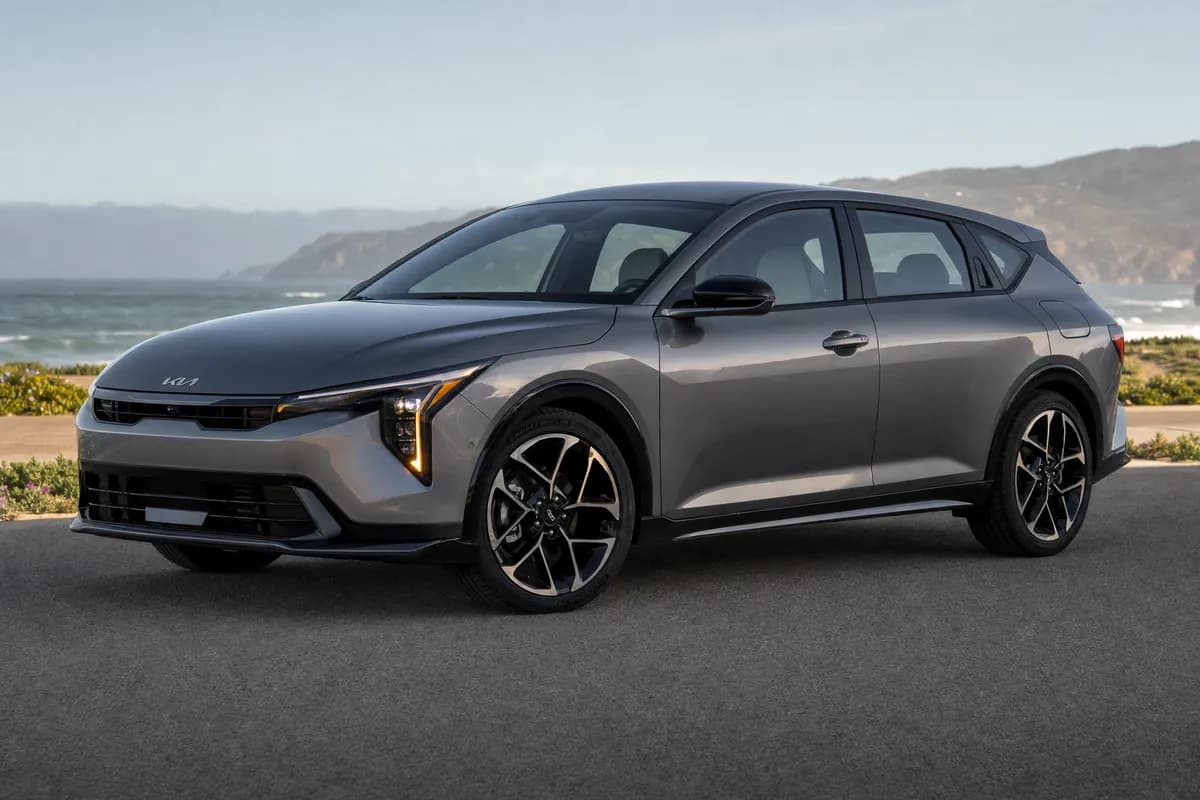
The 2026 Lexus ES vs Toyota Crown comparison is closer than badge snobs may admit. The Crown offers a higher seating position, bold styling, and Toyota reliability, but it never feels as cohesive or as luxurious as the ES. It rides well enough, yet the Lexus is quieter, more elegant inside, and simply better at being a premium sedan.
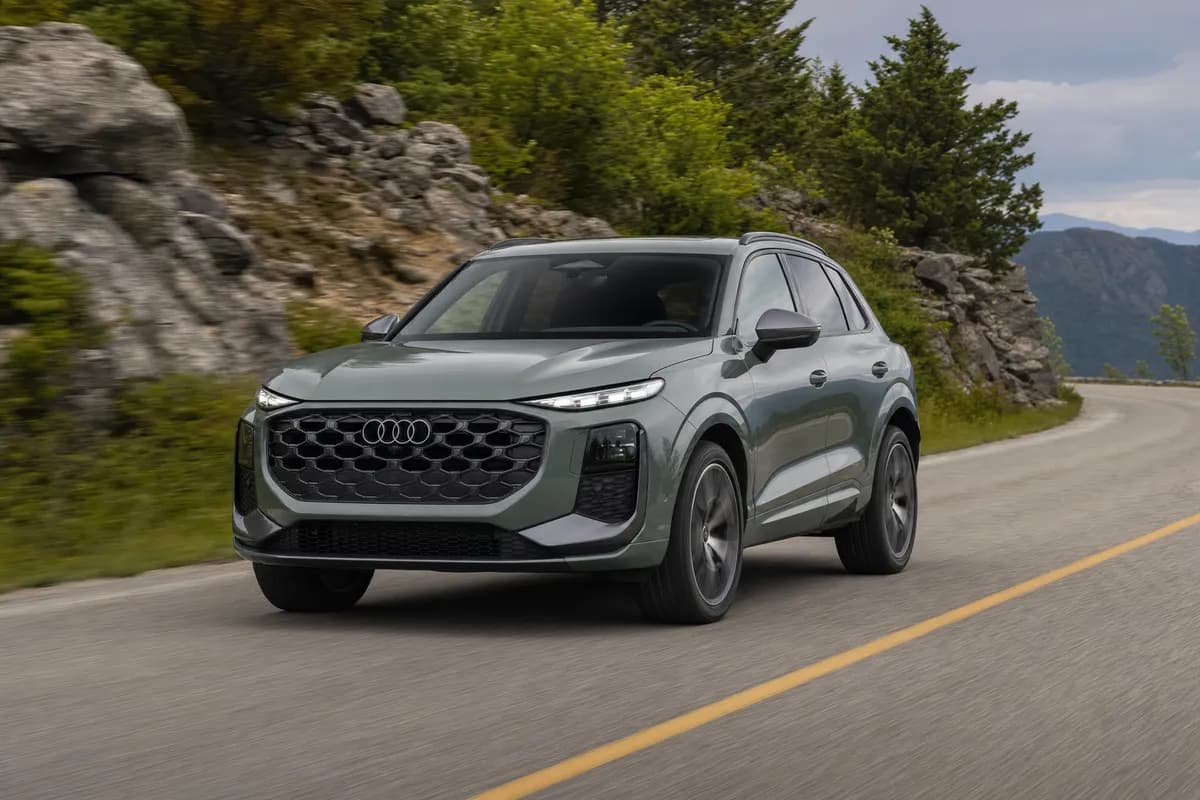
The Volvo S90 B5 brings gorgeous Scandinavian design and superb seats, but it also feels like the old aristocrat in this group. Its mild-hybrid powertrain is smooth, not especially frugal, and the infotainment-heavy control layout can frustrate. The Lexus lacks some of the Volvo’s visual drama, but it is easier to live with and likely less costly to own over time.
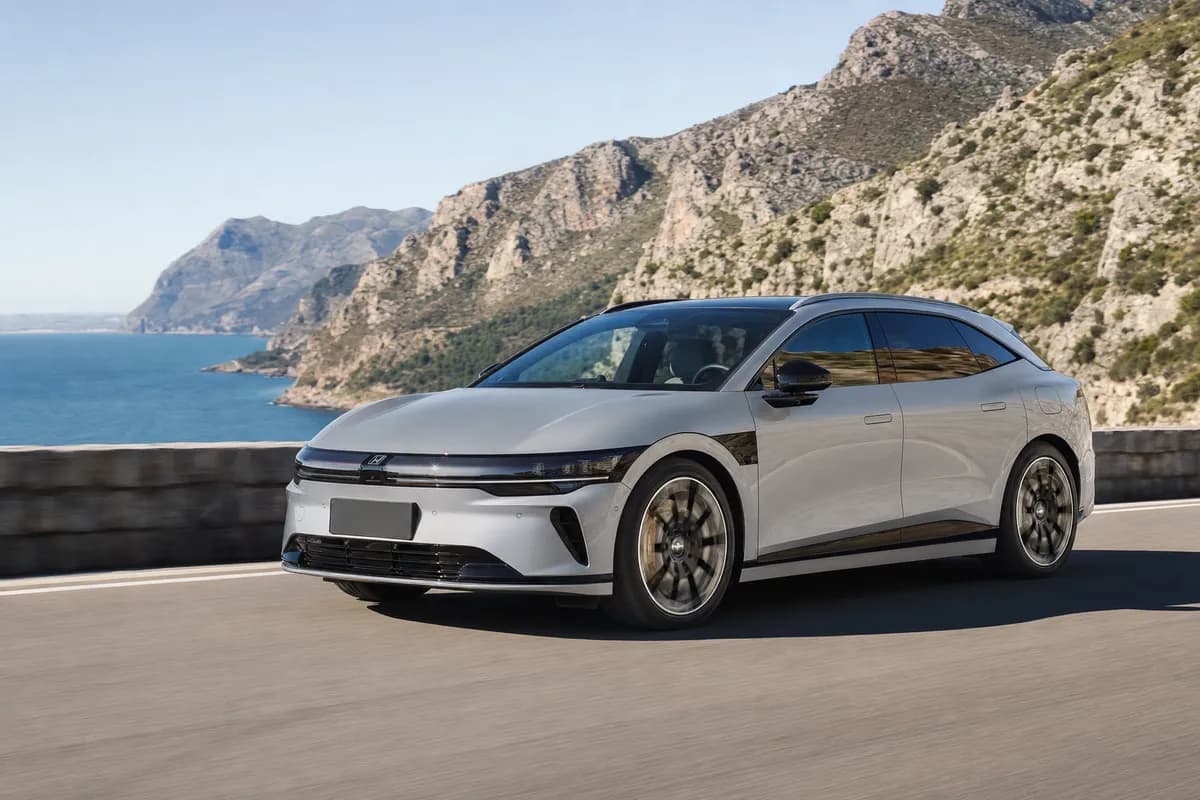
The BMW 530e is the driver’s choice here, and that’s both its strength and its trap. It’s quicker, sharper, and more entertaining on a back road. It’s also more expensive once comparably equipped, less serene over rough surfaces, and heavily dependent on charging discipline if you want to justify the plug-in hardware.
Here’s the real-world breakdown:
- Best for comfort: Lexus ES 350h
- Best for driver engagement: BMW 530e
- Best style statement: Volvo S90 B5
- Best value-adjacent alternative: Toyota Crown
- Best all-around daily ownership play: Lexus ES 350h
Where the ES Still Falls Short
Let’s not pretend this is perfect. The ES still won’t thrill enthusiastic drivers, and even in its new form it carries a whiff of front-drive-based detachment when pushed hard. If you measure luxury by corner-entry speed and rear-drive balance, this is not your car.
Some buyers will also want more power for the money. Around 240 hp is enough, but only enough. A richer-sounding engine and a bit more passing punch would make the ES feel less conservative, especially against turbocharged European alternatives.
And while Lexus has improved the tech, BMW still does software polish better, and Volvo still makes prettier cabins. The ES wins on usability, not on wow factor.
Verdict: The Best Luxury Hybrid Sedan for Actual Adults?
The best luxury hybrid sedan 2026 might not be the most exciting one, and that is precisely why the 2026 Lexus ES 350h review lands so well. This car understands its assignment with rare clarity. It is comfortable, impressively efficient, quiet at speed, and luxurious in the ways owners notice every single day.
Against the Toyota Crown, it feels more premium and more resolved. Against the Volvo S90 B5, it is more efficient and easier to justify. Against the BMW 530e, it gives up handling sparkle but wins the ownership common-sense trophy by a country mile.
Buy the 2026 Lexus ES 350h if you want a serene, high-mileage luxury sedan that makes daily life easier. Skip it if you want sports-sedan reflexes or plug-in bragging rights.
The old automotive industry trick was to upsell everyone into taller, heavier vehicles and call it progress. The new ES 350h exposes that game a bit. For buyers who care about comfort, efficiency, and real-world luxury more than image theater, this Lexus is not just good. It’s the smart buy.
Affiliate disclosure: This article contains affiliate links. RevvedUpCars may earn a small commission on qualifying purchases at no extra cost to you.