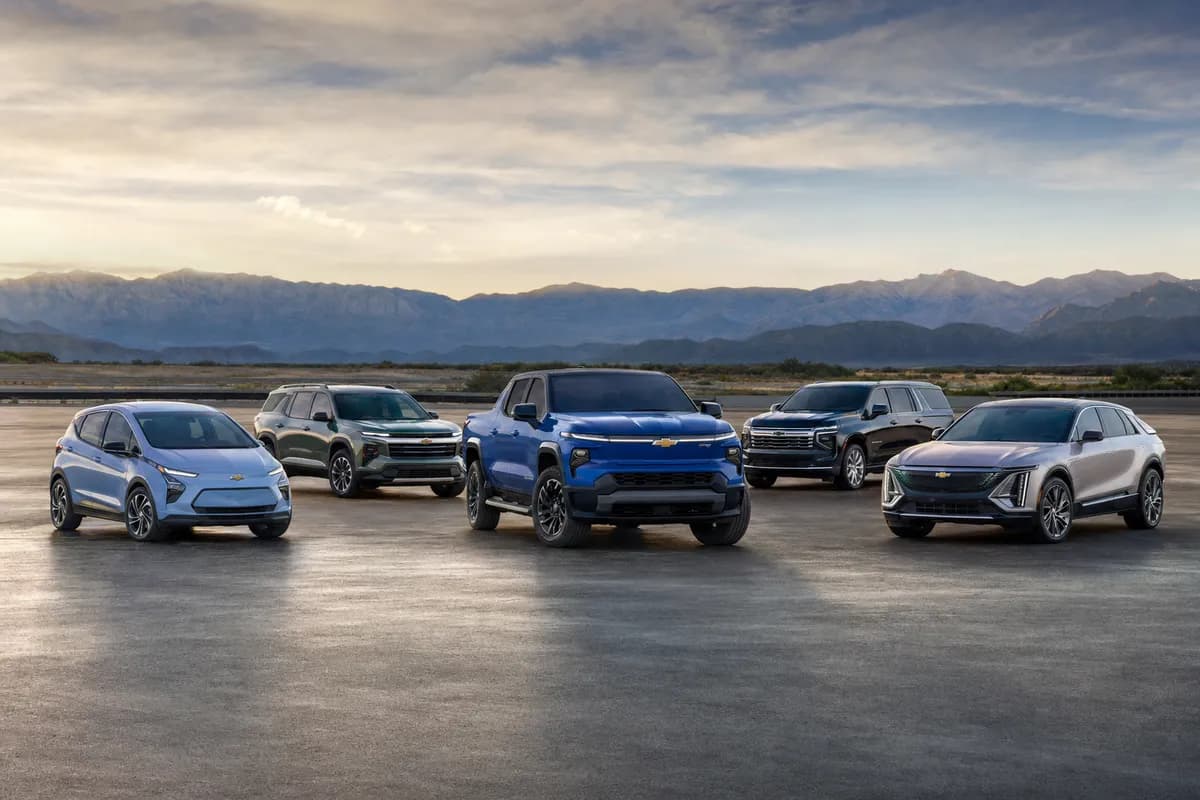
Stellantis is dialing back 2027 EV spending and betting on hybrids in July 2026, raising new questions for buyers of key electrified models.
Stellantis is pulling back on one of the industry’s boldest EV timetables. In July 2026, the company is cutting planned 2027 battery-electric spending and leaning harder into hybrids, plug-ins, and range-extended trucks. That shift matters far beyond a budget line, because it lands just as dealers are wrestling with slow EV turns and buyers are still waiting for truly affordable electric models.
Stellantis EV strategy July 2026: why the company is changing course
The backdrop is familiar across the industry. EV demand is still growing, but not at the pace automakers forecast in 2021 and 2022, especially outside luxury segments. Higher interest rates, uneven charging access, and soft residual values have made mainstream buyers more cautious.
Stellantis has been under extra pressure because its U.S. portfolio spans brands that depend on trucks, SUVs, and muscle cars. Those buyers have been more receptive to hybrids and range-extended powertrains than to pure EVs with premium price tags. In that context, trimming 2027 EV investment and redirecting capital toward hybrid programs is less a surprise than a delayed correction.
The strategic logic is straightforward:
- Lower risk: Hybrids and range-extended vehicles let Stellantis reduce fleet emissions without betting everything on fast EV adoption.
- Better dealer fit: Many U.S. dealers say hybrids are easier to sell than six-figure or near-luxury EVs.
- Higher margins: Full-size trucks and SUVs can absorb electrification costs more easily than sub-$35,000 EVs.
- More flexibility: Multi-energy platforms let Stellantis respond faster if regulations, incentives, or consumer demand shift again.
The problem is that this kind of pivot can also slow the arrival of lower-priced EVs. That is the real issue behind the latest Stellantis move. Buyers are not just asking whether EVs are coming. They are asking whether affordable EV delays are becoming permanent.
What it means for the 2027 Jeep Wagoneer S and Dodge Charger Daytona EV
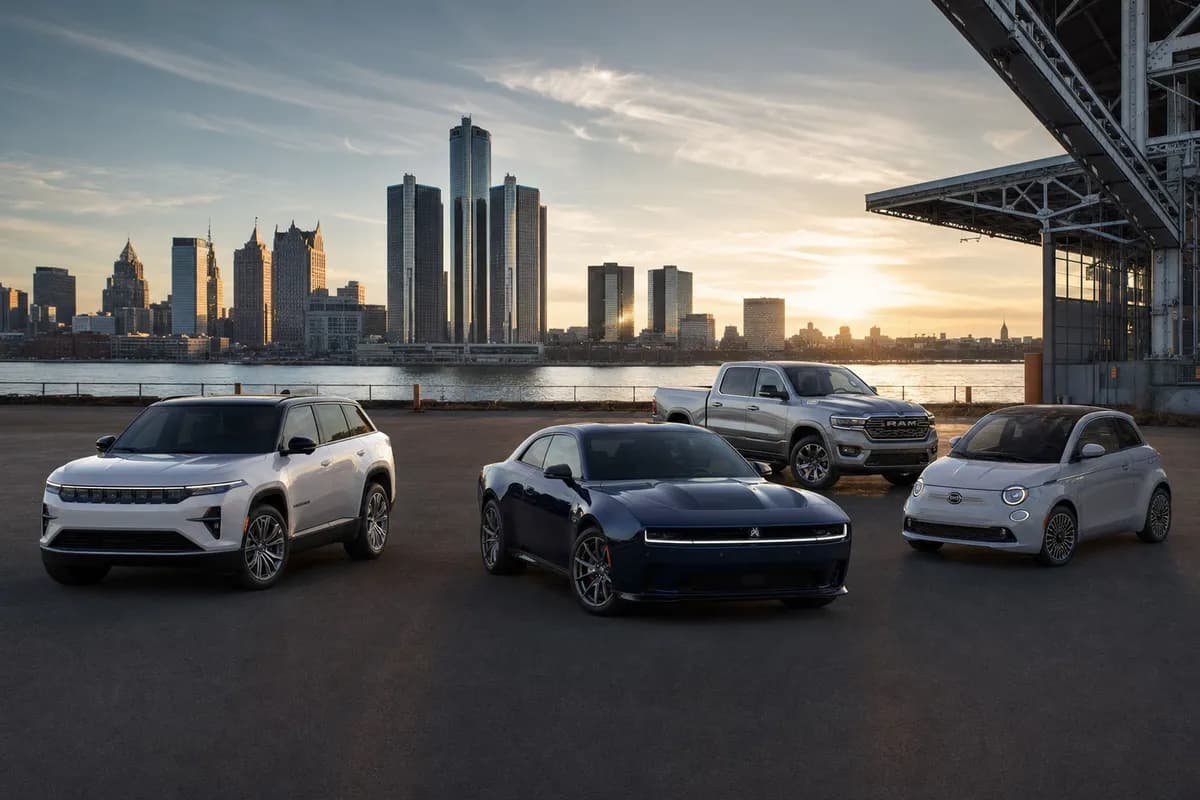
The 2027 Jeep Wagoneer S now sits in a more complicated position. Jeep’s electric SUV was supposed to help establish the brand’s premium EV identity, but premium electric SUVs remain a narrower market than many planners expected. If Stellantis is cutting 2027 EV spending, the Wagoneer S may still continue, but likely with tighter volume expectations, more disciplined incentives, and less appetite for rapid line expansion.
That does not automatically mean cancellation. It does mean Stellantis will probably prioritize versions and trims that protect pricing, rather than chase market share with aggressive discounts. For Jeep, that could translate into fewer configurations, slower production ramps, or a greater push for plug-in hybrid models alongside the EV.
The Dodge Charger Daytona EV faces a different challenge. Dodge is asking performance buyers to embrace an electric muscle car at a time when many still prefer combustion sound, long cruising range, and lower upfront cost. The Charger Daytona has strong branding and big power numbers, but that does not guarantee broad demand.
If Stellantis is recalibrating, Dodge may end up treating the Charger Daytona EV as one part of a wider multi-powertrain strategy rather than the centerpiece of a full electric transition. That would fit market reality. Enthusiast brands can generate headlines with EVs, but they usually need gasoline, hybrid, or other transitional options to keep volume stable.
For both Jeep and Dodge, the message is similar: EV halo products can survive a spending pullback, but they lose some strategic urgency. In 2026, that matters because urgency drives scale, and scale is what eventually lowers prices.
Why the Ram 1500 Ramcharger looks stronger in this environment
If one Stellantis product benefits most from this shift, it is the Ram 1500 Ramcharger. The range-extended pickup was already one of the company’s most pragmatic answers to EV hesitation. It offers electric drive with a gasoline engine acting as a generator, which directly addresses towing anxiety, charging gaps, and work-truck downtime.
That formula now looks even more aligned with the market than it did when first announced. Full battery-electric pickups have posted mixed results across the industry. Buyers like the performance, but many remain skeptical about cold-weather range, towing losses, charging times, and price.
The Ramcharger gives Stellantis a way to market electrification without forcing customers into a pure-EV ownership pattern. That is a strong hand in the current environment, especially in North America.
- Jeep Wagoneer S: Brand-building EV, but vulnerable to slower premium EV demand.
- Dodge Charger Daytona EV: Important image car, but not enough on its own to carry Dodge’s transition.
- Ram 1500 Ramcharger: Better matched to current buyer behavior and dealer confidence.
- Fiat 500e: Faces the toughest math if Stellantis prioritizes profit and hybrid volume.
That last point is key. In a world where capital gets tighter, products that solve practical buyer concerns tend to move up the queue. Products that rely on urban affordability and scale can move down it.
Fiat 500e and the bigger problem of affordable EV delays
The Fiat 500e is the clearest symbol of what buyers risk losing in a Stellantis reset. Small EVs help brands meet emissions goals and broaden access to electric driving, but they are hard to make profitable, especially in the U.S. market. Battery costs have improved, yet low-cost EV margins remain thin once compliance, logistics, and dealer support are factored in.
That makes the Fiat 500e especially exposed if Stellantis chooses to protect cash and steer spending toward hybrids and higher-margin utility vehicles. Even if the model remains on sale, the odds of a broad affordable EV push become weaker. Limited supply, selective-market availability, or muted promotion would all fit this new strategy.
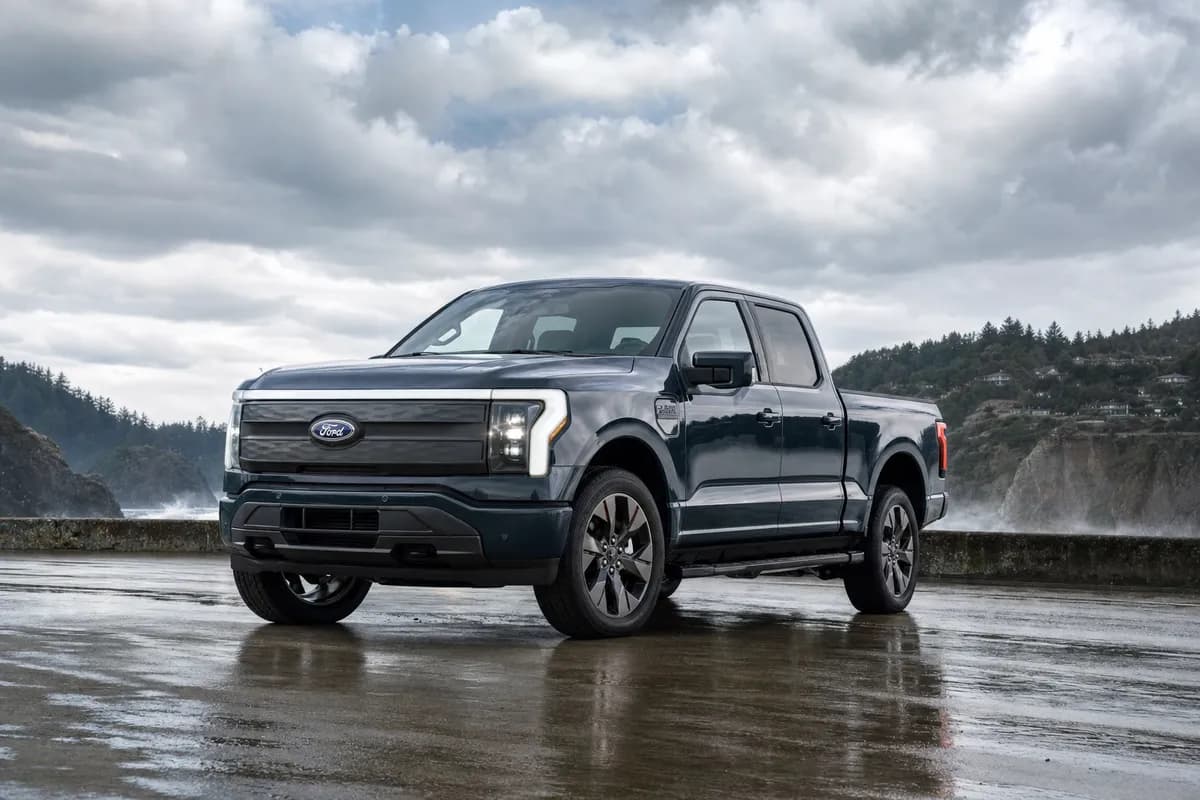
That is where the wider industry trend becomes hard to ignore. Ford, General Motors, and several global brands have already revised EV rollout expectations, delayed capacity decisions, or emphasized hybrids more heavily. Stellantis is not moving in isolation. It is moving with the market, and the market is saying mass adoption is taking longer than planned.
For buyers hoping for a wave of sub-$30,000 EVs, that is discouraging. The risk is not that affordable EVs disappear entirely. The risk is that they keep getting pushed back while automakers focus on better-margin electrified trucks, SUVs, and crossover hybrids.
What this means for U.S. dealer inventories and buyers
On the retail side, Stellantis is responding to a real problem. Dealers have been more comfortable carrying hybrids and familiar nameplates than expensive EVs that can sit longer and require heavier incentives. Slower EV turns tie up floorplan costs and put pressure on residual values.
A hybrid-heavy pivot could help normalize inventory in several ways:
- Faster turns: Hybrids usually appeal to a wider customer base than premium EVs.
- Less discount pressure: Dealers often need fewer incentives to move hybrid trucks and SUVs.
- More predictable used values: Residual risk is generally lower for established hybrid formats.
- Better regional fit: Dealers in charging-poor areas can stock vehicles that match local demand.
For consumers, though, the picture is mixed. Buyers interested in a Dodge Charger Daytona EV or 2027 Jeep Wagoneer S may see more cautious rollout plans, fewer bargains, or limited inventory depending on region. Buyers interested in the Ram 1500 Ramcharger may actually benefit, because Stellantis now has more reason to prioritize that product.
The biggest losers may be entry-level EV shoppers. If Stellantis and its rivals keep shifting money toward hybrids and range-extenders, the affordable end of the EV market could remain undersupplied into 2027. That does not kill electrification. It changes who gets it first.
Verdict: a rational move for Stellantis, but a setback for affordable EV momentum
Stellantis’ July 2026 reset is a rational response to the market now, not the market executives expected four years ago. Hybrids and range-extended trucks offer a safer bridge to tighter emissions rules and uneven consumer demand. From a business standpoint, backing vehicles like the Ram 1500 Ramcharger over a faster all-EV push makes sense.
But this Stellantis EV strategy July 2026 also reinforces a harder truth. Mainstream affordable EVs are still not the center of the industry’s investment case. Premium EVs may survive as halo products, and electrified trucks may expand, but low-cost battery vehicles such as the Fiat 500e remain vulnerable to delay, limited rollout, or reduced ambition.
So yes, buyers wondering whether affordable EV delays are happening again have a reason to be skeptical. Stellantis is not abandoning EVs. It is redefining the timeline around products it believes customers will actually buy now, and that likely means the electric future arrives first for truck and performance buyers, not for shoppers waiting on a truly affordable EV.
Affiliate disclosure: This article contains affiliate links. RevvedUpCars may earn a small commission on qualifying purchases at no extra cost to you.