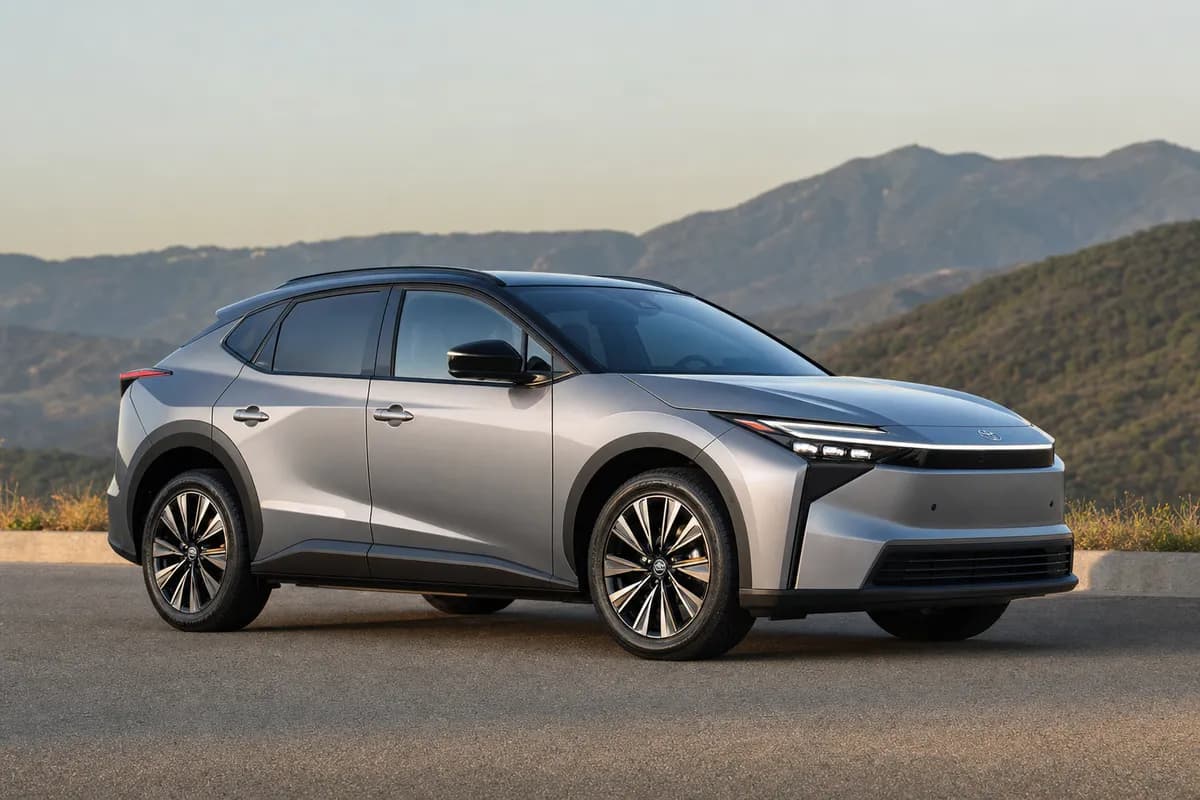
Honda plans to drop the Prologue EV after 2026, signaling a wider hybrid pivot. Here’s what this could mean for the 2027 CR-V and Accord.
Honda’s reported plan to end the all-electric Prologue after the 2026 model year looks like more than a single product change. It points to a broader industry recalibration, with hybrids moving back to the center as automakers hedge against a slower-than-expected EV ramp.
For Honda, that raises a bigger question for 2027 buyers: is the company making a disciplined market call, or falling behind just as rivals broaden their electric lineups?
Why the reported 2026 Honda Prologue exit matters
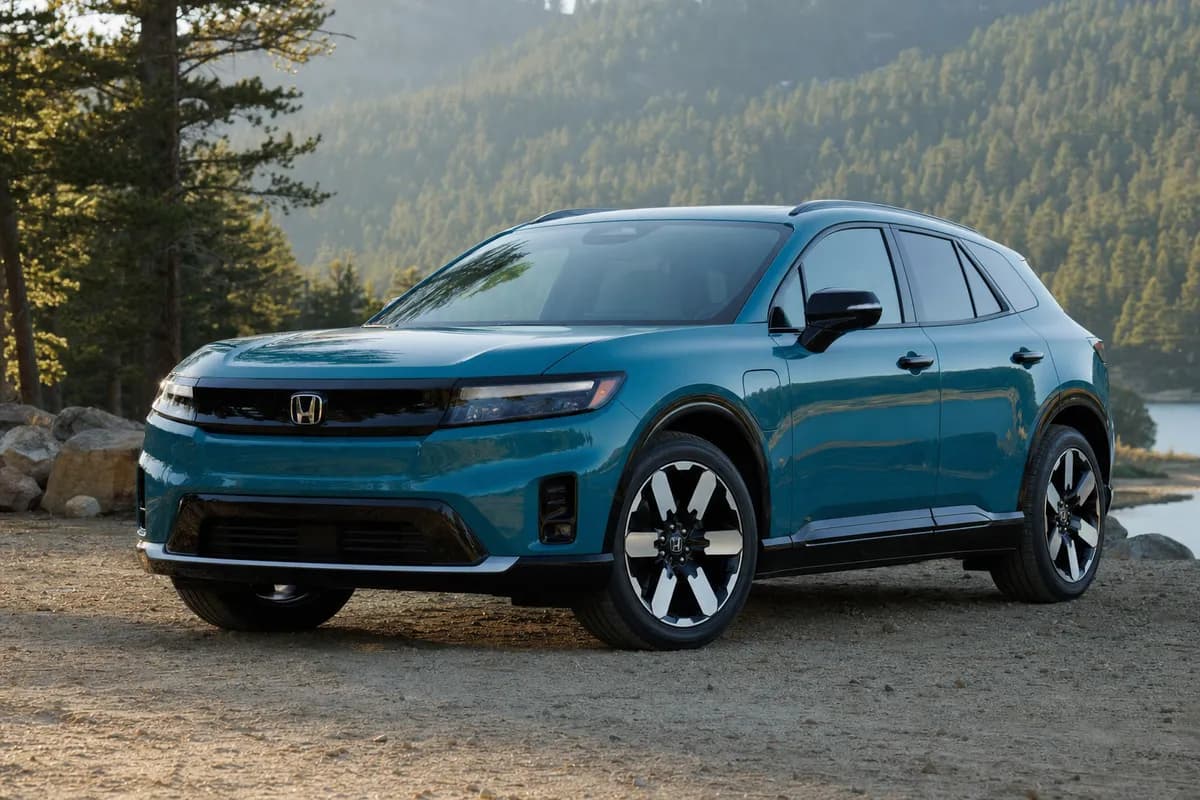
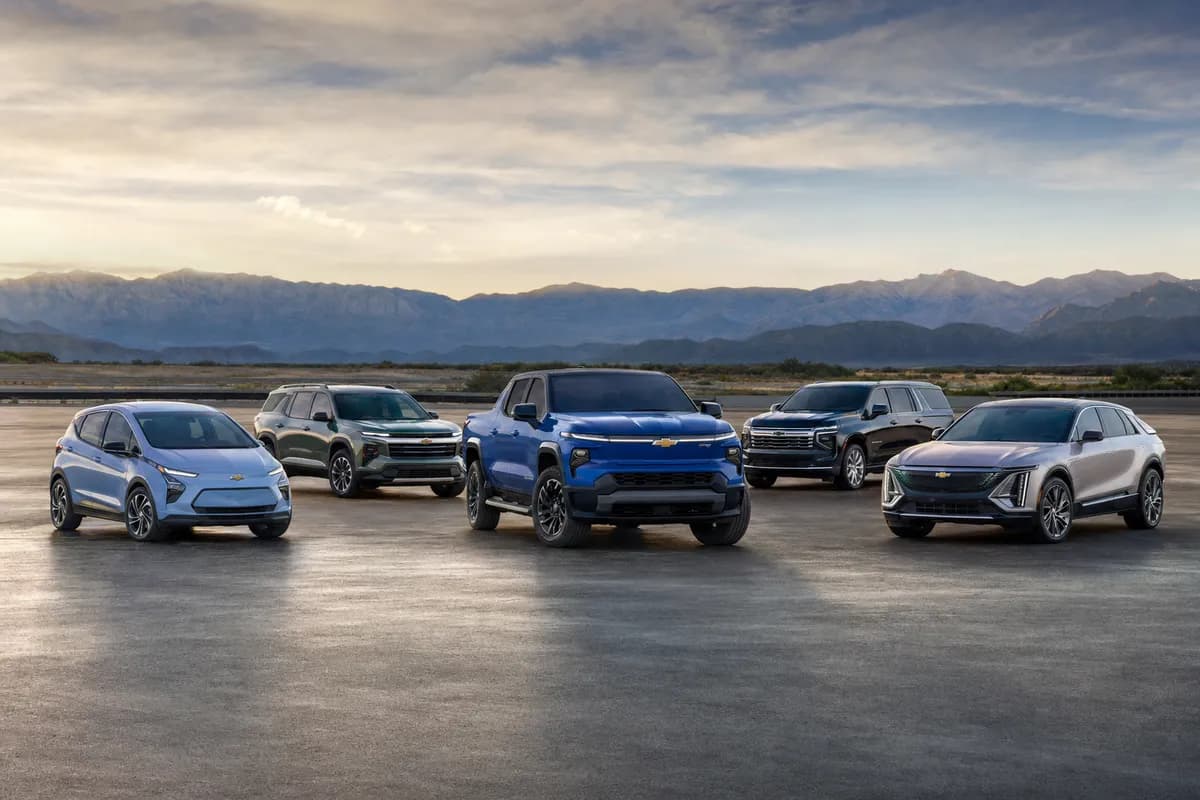
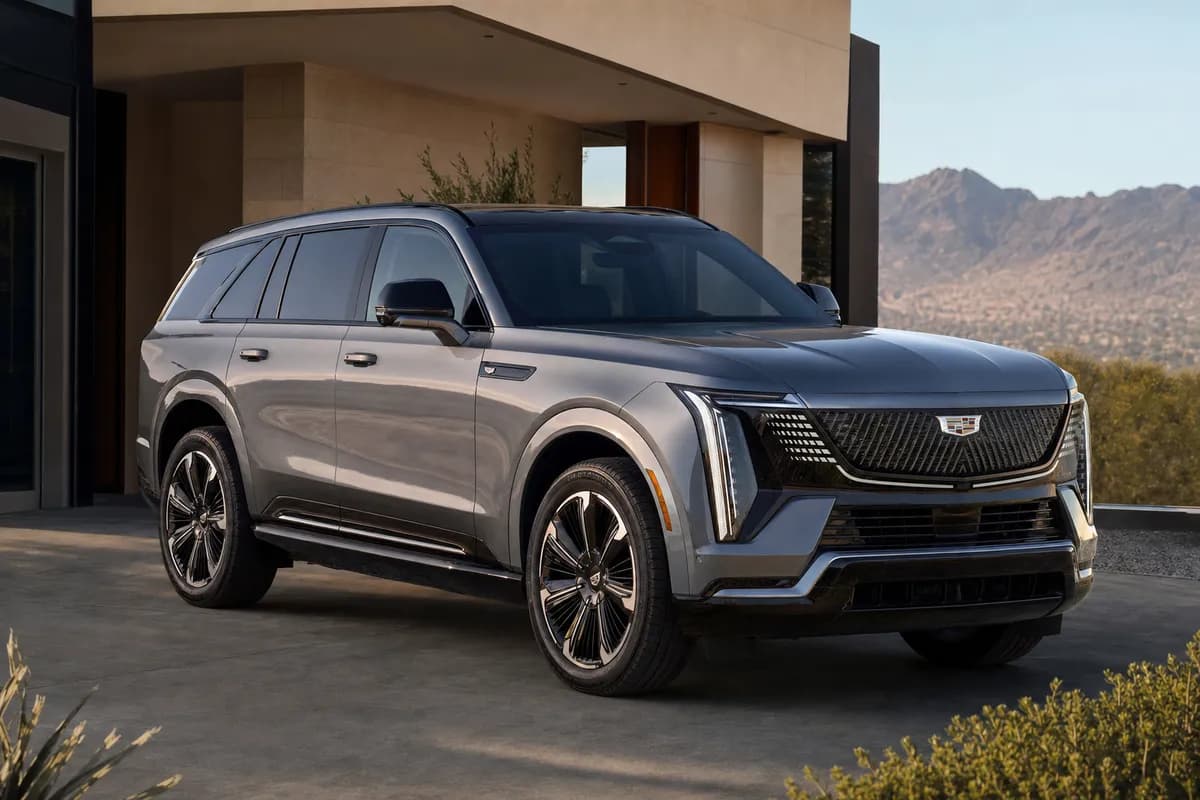
The Prologue was never a clean-sheet Honda EV. It was developed through the Honda GM EV partnership and rides on GM’s Ultium-based architecture, sharing key underpinnings with the Chevrolet Blazer EV and Cadillac Lyriq. That made it a fast way for Honda to get a volume EV into U.S. showrooms, but it also made the Prologue a bridge product from the start.
If the Honda Prologue discontinued 2026 reports prove accurate, the move would not be shocking on product-planning grounds. Honda has already signaled that its next wave of EVs will come from its own in-house platform, beginning with the Honda Zero Series EV family. The surprise is timing: ending a still-new EV after just a short run underscores how cautious Honda has become about near-term battery-electric volume.
That caution is not unique to Honda. Ford has slowed some EV spending, General Motors has adjusted launch timing on several battery-electric models, and Toyota has continued to push hybrids as its core emissions-reduction strategy. Across the mainstream market, 2024 and 2025 have brought the same message: EV growth continues, but not at the pace many boardrooms expected two years ago.
Honda’s hybrid strategy is now doing the heavy lifting
The real center of gravity in Honda’s U.S. lineup is not the Prologue. It is the brand’s expanding hybrid portfolio, especially the CR-V Hybrid and Accord Hybrid. Those are already established nameplates, and unlike EVs, they do not ask buyers to change fueling habits, install home charging, or accept uncertain resale values.
That explains why the Honda hybrid strategy 2026 looks increasingly like the company’s main profit-and-volume play. Hybrids let Honda lower fleet emissions, preserve margins, and lean on some of its strongest products in the compact SUV and midsize sedan segments.
For shoppers looking ahead, the 2027 Honda CR-V Hybrid is likely to become even more important. Unless Honda accelerates affordable EV rollouts faster than expected, the CR-V Hybrid may effectively serve as the default electrified Honda for mainstream buyers who want efficiency without jumping fully electric.
- CR-V Hybrid: Likely to remain Honda’s highest-volume electrified model in the U.S., especially if gas prices stay volatile and SUV demand remains strong.
- Accord Hybrid: Positioned to keep carrying Honda’s sedan efficiency story, with broad appeal among buyers not ready for an EV.
- Civic Hybrid: Adds another lower-cost entry point for electrification, helping Honda spread hybrid adoption faster than a new EV could.
This is where Honda’s strategy starts to look less like retreat and more like triage. The company appears to be prioritizing vehicles it knows Americans will buy in large numbers today, rather than chasing EV share with expensive, lower-margin products that still depend heavily on incentives and charging confidence.
What happens to the Zero Series and Honda’s EV ambitions?
Dropping the Prologue would not mean Honda is abandoning EVs. It would mean the company is moving on from a stopgap and betting that its real EV push starts with the Zero Series. Honda unveiled the Saloon and Space-Hub concepts at CES, then followed with plans for a new dedicated EV architecture and advanced software stack.
The problem is the gap between concept ambition and showroom reality. By the time the first major Honda Zero Series EV models arrive in meaningful numbers, several rivals will have had more time to expand their EV lineups, lower costs, and improve charging ecosystems. A short Prologue run could leave Honda with a thinner EV presence in the U.S. during a critical transition period.
That creates two risks. First, Honda could lose EV-minded buyers to Hyundai, Kia, Tesla, Chevrolet, and Ford. Second, it could reinforce the perception that Honda is treating battery-electric vehicles as a compliance exercise while others build full brand identities around them.
Still, there is a counterargument. The Prologue’s GM roots meant Honda did not fully control the hardware, software, or long-term roadmap. Waiting for its own architecture may give Honda a better chance to launch EVs that actually feel like Hondas, with stronger integration, lower costs over time, and fewer compromises tied to a partner’s platform.
The GM partnership fallout and what it says about the market
The Honda GM EV partnership once looked like a quick route to scale. GM supplied the platform and battery architecture, while Honda gained speed to market. But the alliance was always narrower than it first appeared, and broader plans for low-cost joint EVs were previously scrapped.
If Prologue production ends after 2026, the practical message is clear: Honda no longer sees enough long-term upside in selling a GM-based EV once its own products are closer to launch. That does not mean the partnership failed outright. It means Honda used it for what it was—a temporary bridge—and is now preparing to exit the bridge earlier than some expected.
For GM, the impact is smaller than the headlines suggest. The Prologue was useful incremental volume, but it was never central to GM’s EV identity. For Honda, though, the optics matter more. A brand long known for engineering consistency now risks looking indecisive in the battery-electric era.
- What Honda gained from GM: Faster EV entry, reduced upfront development cost, and access to a proven battery-electric architecture.
- What Honda gave up: Full platform control, deeper product differentiation, and a longer-term independent EV narrative.
- Why the partnership now looks temporary: Honda’s future EV roadmap is centered on the Zero Series, not Ultium-based carryovers.
What 2027 buyers should expect from the CR-V Hybrid, Accord Hybrid, and Honda’s EV lineup
For 2027 model-year shoppers, the most realistic expectation is a Honda showroom where hybrids carry the mainstream load and EVs remain a smaller, more premium, more transitional part of the mix. The 2027 Honda CR-V Hybrid should be one of the safest bets in the lineup, likely combining familiar packaging, strong fuel economy, and lower ownership friction than a full EV.
The Accord Hybrid should remain important for buyers who want efficiency without moving into a crossover. If Honda keeps refining its two-motor hybrid system, the Accord may continue to be one of the more convincing non-plug-in electrified sedans on the market, especially as competitors thin their sedan ranges.
On the EV side, buyers should expect more uncertainty. If the Prologue is indeed short-lived, Honda’s electric story may be caught between an outgoing GM-based model and incoming Zero Series products that still need to prove price, range, software quality, and charging integration in the real world.
That leaves Honda buyers with a fairly simple decision tree:
- Want the lowest-risk electrified Honda? Buy a hybrid, especially a CR-V Hybrid or Accord Hybrid.
- Want a Honda EV right now? The Prologue may still make sense, but buyers should pay close attention to incentives, long-term support, and resale outlook.
- Want Honda’s real long-term EV vision? Waiting for the Zero Series may be smarter, but it requires patience and tolerance for launch-year unknowns.
Verdict: disciplined caution, but also a real risk of falling behind
Honda’s reported decision to phase out the Prologue after 2026 fits a wider industry pattern. Mainstream automakers are discovering that hybrids are easier to sell profitably, easier for customers to adopt, and better aligned with current demand than many early EV forecasts suggested.
From that angle, Honda is not necessarily playing it too safe. It is backing proven products like the CR-V Hybrid and Accord Hybrid while resetting its EV plan around the Zero Series. That could prove smart if today’s EV market remains price-sensitive and uneven through the second half of the decade.
But there is another side to the calculation. Every year Honda spends leaning on hybrids is a year competitors spend building EV scale, software expertise, and customer loyalty. If the Zero Series launches strong, Honda can recover. If it arrives late, expensive, or underwhelming, the short life of the Prologue will look less like a bridge strategy and more like a missed opportunity.
For buyers in 2027, the likely takeaway is straightforward: Honda should remain very strong in hybrids, especially in core models. Its all-electric future, however, still looks more like a promise than a finished plan.
Affiliate disclosure: This article contains affiliate links. RevvedUpCars may earn a small commission on qualifying purchases at no extra cost to you.