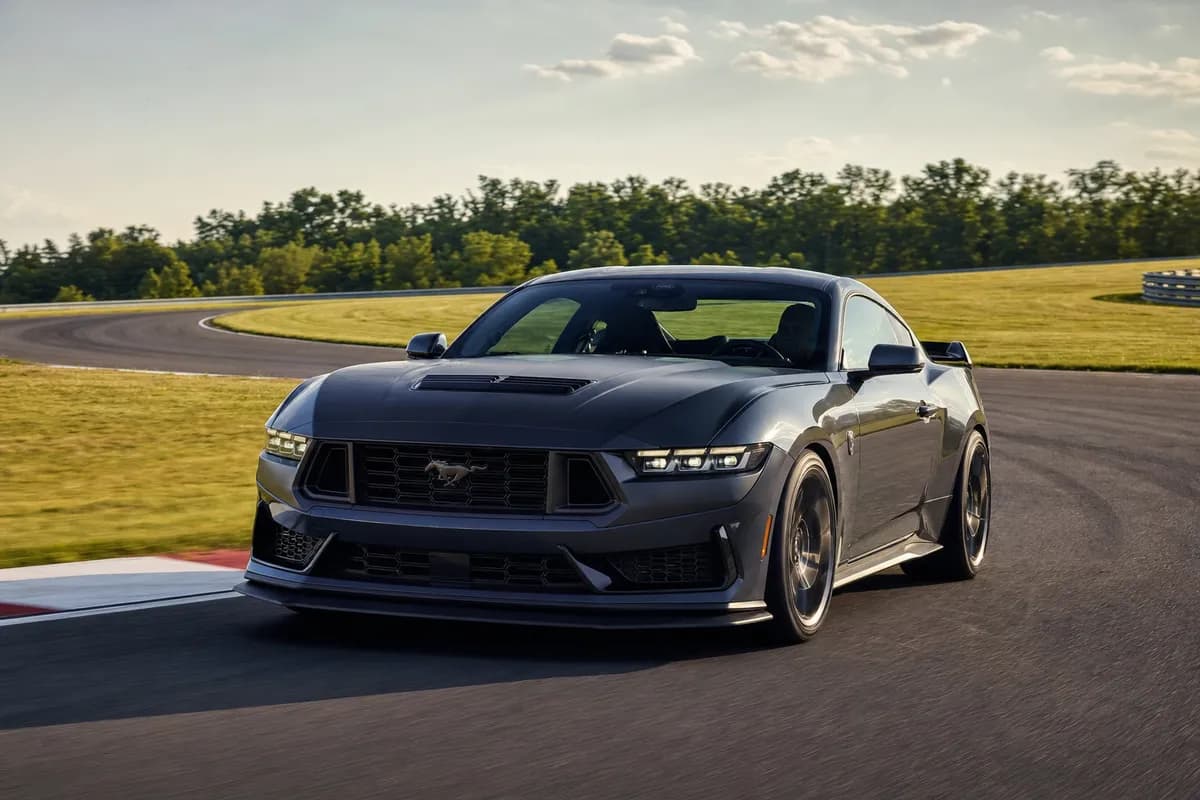
The new American DIY performance community is redefining “fast” with smart fluid, cooling, tire, brake, and street-legal mod choices that stay usable.
Something changed in the American performance world heading into 2026. The loudest builds are no longer the most respected ones, and owners of the 2026 Ford Mustang Dark Horse, legal-import Chevrolet Camaro Collector’s Edition cars, and the new Dodge Charger Sixpack are proving that fast, usable, reversible mods have more staying power than bolt-on theater.
This new crowd still loves horsepower. They just also care about fluid temps, brake pedal feel, tire wear, and whether the car can survive a track day, commute home, and still look right in a parking lot.
A New DIY Muscle-Car Culture Is Taking Shape
The old stereotype of modern muscle was simple: more noise, wider wheels, flashy cosmetics, and a social feed full of burnout clips. That culture is still around, but a different lane is growing fast. The 2026 Mustang Dark Horse mods scene, the 2027 Dodge Charger Sixpack DIY crowd, and the Camaro Collector’s Edition import community are increasingly centered on maintenance literacy and track-day reliability.
Part of that shift comes from the cars themselves. The S650 Mustang Dark Horse is already a serious platform, with a 500-hp 5.0-liter Coyote V8, available Tremec six-speed manual, MagneRide, and factory cooling hardware that makes it more capable than most older street builds ever were. The incoming Charger Sixpack, with its twin-turbo 3.0-liter Hurricane inline-six in standard-output and high-output forms, pushes buyers toward tuning discipline because turbo heat management matters more than old-school “send it” habits.
The Camaro side is more niche, but no less interesting. As the sixth-gen car ages into instant-classic territory, the Camaro Collector’s Edition import community is growing around legal-market special trims and late-production cars brought across borders under local rules. That makes preservation and reversibility a bigger deal, especially when replacement trim, edition-specific graphics, and low-volume parts are harder to source than LS-era consumables.
The result is a more mature enthusiast formula:
- Keep mods street legal and easy to reverse.
- Prioritize cooling, brakes, tires, and fluid service before adding power.
- Avoid cosmetic add-ons that age badly or hurt resale.
- Build a car that can do canyon roads, open-track days, and daily use without drama.
Manual-and-Auto Fluid Basics Owners Can’t Skip
Ask any shop owner what kills enthusiasm fastest, and the answer is usually heat and neglected fluids. Modern muscle cars make enough power from the factory that basic service matters more than ever. That is especially true when owners start mixing street miles with autocross and HPDE events.
For the 2026 Mustang Dark Horse, manual-trans cars deserve special attention because repeated high-rpm shifts and track heat can punish gear oil faster than casual drivers expect. If you track the car, shorten fluid intervals well below the normal street-service schedule. The same goes for differential fluid, especially on cars seeing sticky 200-treadwear tires.
Automatic owners are not off the hook. Whether you are dealing with Ford’s 10-speed, a performance automatic in an imported Camaro, or the Charger Sixpack’s modern automatic setup, heat is the enemy. “Lifetime fluid” is marketing language, not a track-prep strategy.
Smart fluid priorities for modern muscle
- Engine oil: Use the correct viscosity and spec, then shorten intervals if the car sees track work or repeated high-heat use.
- Brake fluid: Upgrade to a high-temp DOT 4 before any serious lapping day. Fresh fluid does more for confidence than many owners realize.
- Manual transmission fluid: Track use shears fluid and raises temps quickly. Change it early, not after it feels bad.
- Automatic transmission fluid: Heat cycles and aggressive driving degrade fluid faster than normal commuting. Service proactively.
- Differential fluid: Essential on cars that launch hard, run sticky tires, or spend time on road courses.
- Coolant: Make sure the system is full, clean, and burped correctly. Small air pockets create big headaches.
On the 2027 Dodge Charger Sixpack DIY front, turbo ownership changes the maintenance mindset. Fresh oil matters more because the turbochargers rely on it for lubrication and heat control. Letting oil degrade, or ignoring warm-up and cool-down habits, is how expensive hardware gets unhappy fast.
The best first mod for any modern muscle car is often not a mod at all. It is a baseline service with good fluids, documented intervals, and a hard look for leaks, heat-soaked hoses, and tired consumables.
Track-Day Cooling Prep Muscle Cars Actually Need
The phrase track day cooling prep muscle cars sounds technical, but the basics are straightforward. You are trying to keep oil, coolant, intake air, transmission fluid, and brake temperatures inside a safe window for 15 to 25 minutes at a time. That is very different from one highway pull or a stoplight sprint.
The Dark Horse starts with an advantage because Ford designed it with circuit use in mind. Even then, owners who track the car regularly should inspect the radiator stack, undertray seals, and grille openings to make sure airflow is not compromised by debris or cosmetic accessories. A bent condenser, blocked cooler, or missing duct can raise temps faster than people think.
The Charger Sixpack will likely create a new wave of learning for buyers crossing over from naturally aspirated V8s. Turbo engines generate serious heat under sustained load, and that means intercooler efficiency, coolant condition, and intake-side sealing all matter. A loose clamp or heat-soaked charge-air path can rob power long before a warning light shows up.
Cooling prep checklist before a track event
- Inspect coolant level, hoses, clamps, and radiator condition.
- Check oil level at the correct temperature and fill procedure.
- Look for packed debris in heat exchangers and front grilles.
- Verify fans cycle correctly and no underbody ducting is missing.
- Inspect intercooler piping on turbo cars for seepage or loose connections.
- Bleed brakes and confirm pad thickness before loading the trailer or driving out.
One more point: not every cooling “upgrade” is an upgrade. Oversized aftermarket heat exchangers, cheap catch cans, and random vent kits can create fitment problems or airflow imbalances if they are not engineered well. The new community’s better instinct is to start with OEM-plus parts, proven track packages, and mods that can be undone without cutting up the car.
Tire-and-Brake Strategy Separates Good Builds from Annoying Ones
Nothing exposes a poorly planned build like bad tires and cooked brakes. Modern muscle has enough power to overwhelm bargain rubber instantly, and too many owners still spend on appearance before they spend on contact patch. The smarter move is boring on paper and brilliant on track: choose the right tire for the job, then build your brake setup around the car’s actual use.
For street use with occasional spirited driving, max-performance summer tires remain the sweet spot for most Dark Horse, Camaro, and Charger Sixpack owners. If the car sees real HPDE use, a second wheel-and-tire setup with 200-treadwear rubber makes more sense than trying to force one tire to do everything. It also helps preserve expensive OEM wheels and keeps your daily alignment settings from becoming a compromise.
A practical tire-and-brake split
- Street-first setup: quality summer tire, mild performance alignment, low-dust performance street pads.
- Dual-purpose setup: separate track wheels, 200TW tires, high-temp brake fluid, more aggressive pads.
- Track-focused but street legal: camber solution that does not ruin tire wear, track pads swapped in for events, brake cooling attention before giant brake kits.
Brake pads are where the new DIY community is getting refreshingly honest. A true track pad on the street usually squeals, dusts, and underperforms when cold. A street pad on track overheats, smears transfer material unevenly, and turns the pedal long. The answer is not magic. It is having the discipline to swap pads when your use case changes.
That same restraint applies to wheel sizing. Big wheels can look great, but every extra inch can raise tire cost, reduce sidewall compliance, and add weight if you choose poorly. On these cars, lighter forged or flow-formed wheels in sensible sizes do more for real performance than a giant diameter chosen just for social media.
Street-Legal Muscle Car Mods 2026: Fast, Clean, Reversible
The best street legal muscle car mods 2026 are the ones you notice from the driver’s seat. They improve cooling, precision, durability, and feel without turning the car into a rolling parts catalog. That is why subtle OEM-plus builds are getting more respect than heavily stickered, permanently altered cars.
For 2026 Mustang Dark Horse mods, the smart list starts with alignment, brake fluid, pads, tires, and maybe a proven resonator-back exhaust if the owner wants more tone without drone. After that, think shifter feel improvements for manual cars, high-quality camber hardware, and data-friendly track accessories like a solid phone or lap-timer mount. None of that hurts the car’s identity, and all of it makes the car more enjoyable.
For the 2027 Dodge Charger Sixpack DIY audience, the caution flag is simple: do not chase internet boost numbers before understanding fuel quality, charge temps, and warranty consequences. A conservative, well-documented tune from a reputable source will always age better than a bargain flash with mystery calibrations. Keep emissions compliance and local inspection rules in mind, because “street legal” means more than just having a license plate.
Camaro Collector’s Edition owners tend to be even more selective, and that is probably a good thing. On rare or commemorative trims, reversible mods preserve value and keep future sourcing pain to a minimum. If a part requires cutting original panels, drilling irreplaceable trim, or deleting hard-to-find edition-specific pieces, think twice.
Mods this new community tends to respect
- Quality brake fluid, pads, and stainless lines where appropriate
- Track-capable alignment parts that do not hack up the chassis
- Good tires and lighter wheels in sensible sizes
- Mild, emissions-compliant exhaust changes
- OEM-plus cooling improvements and proven ducting
- Reversible aero that actually works at legal speeds and track-day speeds
Verdict: Modern Muscle Is Growing Up Without Getting Boring
The most interesting thing about this new American performance community is not that it has gone soft. It is that it has gotten smarter. Owners of the Mustang Dark Horse, Charger Sixpack, and imported Camaro Collector’s Edition cars still want speed, sound, and character. They just want those things without wrecking drivability, legality, or long-term reliability.
That is a healthy shift. It means more cars getting driven, more owners learning real maintenance skills, and fewer builds ruined by trends that look stale a year later. If 2026 is the year modern muscle starts valuing fluid changes, cooling prep, tire strategy, and clean reversible mods as much as dyno numbers, that is not the end of the culture. It is the part where the culture gets better.
Affiliate disclosure: This article contains affiliate links. RevvedUpCars may earn a small commission on qualifying purchases at no extra cost to you.