A no-tacky adventure-SUV blueprint for families: tire load ratings, brake heat control, recovery-point basics, and OEM-plus mods that keep modern body-on-frame rigs ready.
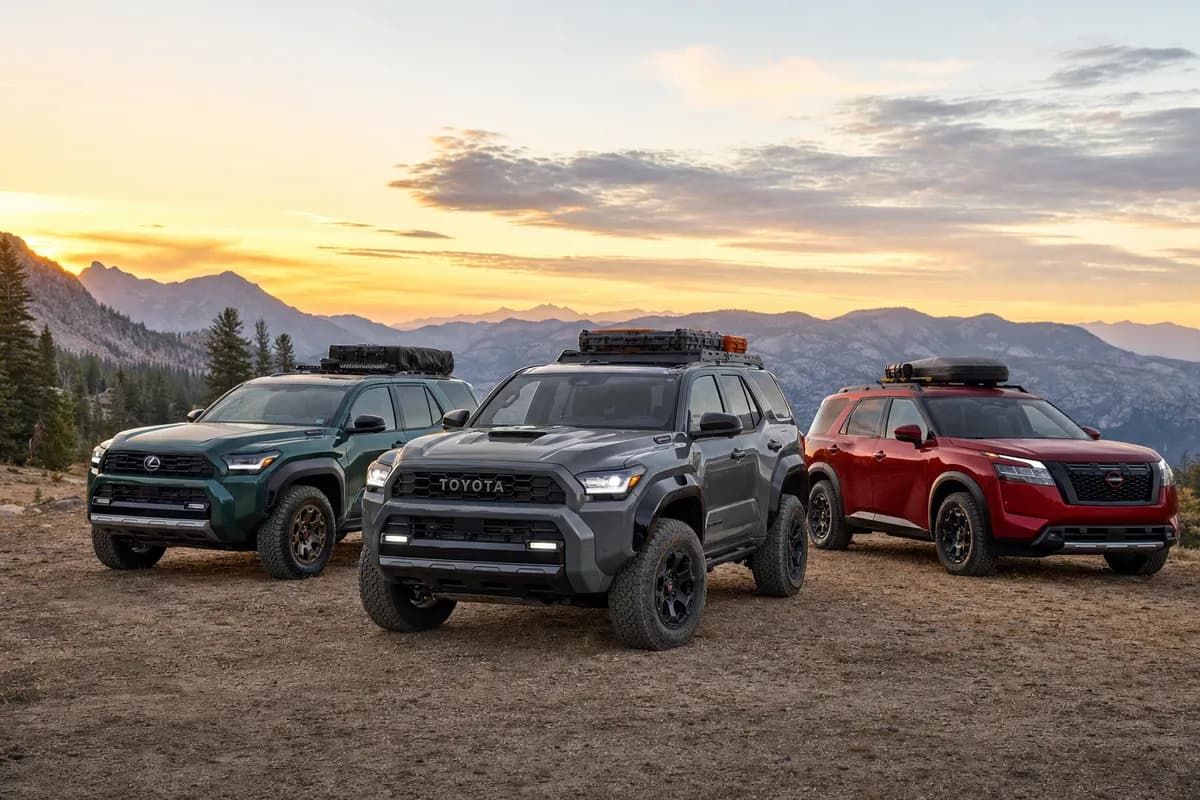
The new big adventure SUV scene is not about rooftop tents on mall crawlers or neon recovery boards bolted on for likes. It is about families buying serious body-on-frame rigs, then learning how to make them work better with smart maintenance, real recovery gear, and subtle upgrades. That is why 2026 Toyota 4Runner Hybrid, 2027 Lexus GX 550 Overtrail, and 2026 Nissan Armada PRO-4X owners are quietly building one of the most sensible enthusiast communities in the market.
The Rise of the OEM-Plus Big-SUV Crowd
These trucks hit a sweet spot. They have real frames, low-range transfer cases, available locking differentials, factory skid protection, and enough space for kids, dogs, coolers, and a week’s worth of gear. They also cost enough that owners are less interested in cutting fenders for a meme build and more interested in keeping them refined, reliable, and trail-ready.
That has created a different kind of DIY culture. Instead of chasing huge lifts and cheap bolt-ons, this body-on-frame SUV community 2026 is focused on tire load ratings, brake temperatures, alignment numbers, underbody protection, and recovery points that will not tear out under load. It is the same shift we have seen in mature overland circles, but now it is happening with factory-fresh family rigs.
The vehicles themselves encourage that approach. The redesigned Toyota 4Runner Hybrid rides on TNGA-F bones shared with the latest Tacoma and Land Cruiser. The Lexus GX 550 Overtrail brings twin-turbo V6 torque, electronic aids, and serious off-road hardware in a premium package. The Armada PRO-4X gives Nissan buyers a full-size, V6-powered ladder-frame SUV with real off-pavement intent, not just black trim and all-terrain badges.
Why Tires Matter More Than Almost Any Other Mod
If you are shopping 2026 Toyota 4Runner Hybrid DIY mods or 2026 Nissan Armada PRO-4X off-road upgrades, start with tires before suspension. A good tire changes braking, steering feel, puncture resistance, ride quality, and trail traction all at once. A bad one can make an expensive SUV feel clumsy, noisy, and overworked.
Load rating is where many new owners get tripped up. These are heavy vehicles before you add passengers, a drawer system, a full-size spare, and camping gear. A tire that looks aggressive but has a soft P-metric carcass can feel squirmy on pavement and vulnerable on sharp rock, while an overly stiff E-load tire can beat up ride quality and add unnecessary unsprung weight on midsize rigs.
What works for these SUVs
- 4Runner Hybrid: Often happiest on a quality LT C or light LT E tire in a modest upsized diameter, depending on trim, payload, and use.
- GX 550 Overtrail: Responds well to a premium all-terrain with strong sidewalls, but owners should watch total tire weight because heavier rubber affects braking and acceleration.
- Armada PRO-4X: Its full-size mass can justify a higher-load tire, especially if it tows or carries a full family load regularly.
Sidewall strength matters more than tread-block drama for most trail users. A moderate all-terrain from brands like BFGoodrich, Falken, Toyo, Nokian, or Nitto usually makes more sense than jumping straight to a mud-terrain. Mud tires look the part, but they increase stopping distances, road noise, and fuel consumption while reducing wet-road confidence.
Wheel choices matter too. Going larger in diameter for appearance usually means less sidewall and more expensive tires. That is the opposite of what helps on rough roads. The OEM-plus crowd is sticking with factory wheel diameters or moving only slightly, then spending money on better rubber and a second full-size spare strategy instead of flashy forged wheels.
Brake Heat Is the Hidden Enemy on Mountain Descents
Modern turbocharged and hybrid-assisted SUVs make easy power, and that can disguise how much weight they are carrying downhill. Long descents build brake heat fast, especially with passengers, cargo, and bigger tires. Many first-time owners think brake fade is an old truck problem. It is not.
The 4Runner Hybrid, GX 550 Overtrail, and Armada PRO-4X all have the low-range gearing to help manage descents, but drivers still need to use it. Shift early, let the transmission and transfer case do some work, and avoid riding the brake pedal for miles at a time. Short, firm applications are better than dragging heat into the rotors and pads continuously.
Simple habits that save brakes
- Use low range on steep, loose descents, even when you think high range is “probably fine.”
- Select a lower gear manually before speed builds.
- Leave more following distance than you would on flat pavement.
- Do not add oversized tires without understanding the hit to effective gearing and brake workload.
- Flush brake fluid on schedule, or earlier if the truck sees repeated mountain use.
For 2027 Lexus GX 550 Overtrail maintenance, brake fluid service deserves more attention than it gets on social media. Fluid absorbs moisture over time, and heat cycles on descents push it hard. Fresh high-quality fluid, good pad material, and proper rotor condition do more for downhill confidence than a cosmetic caliper paint job ever will.
Pad choice is another smart OEM-plus move. Many owners are stepping up to premium aftermarket pads designed for heat stability and load without going to dusty, noisy race compounds. That keeps the family-friendly refinement while improving real-world performance where these big SUVs actually struggle.
Recovery Points, Not Recovery Theater
One of the best trends in this community is the move away from decorative “recovery” accessories. Shackles bolted to thin sheet metal, hitch balls used as tow points, and bargain-bin hooks from unknown brands are exactly how people get hurt. Real recovery starts with knowing where the load goes.
Factory-rated front and rear recovery points are the gold standard if your vehicle has them. If your SUV lacks adequate front points, use a properly engineered, chassis-mounted solution from a reputable manufacturer. The key word is engineered. These trucks are heavy enough that a bad recovery setup can fail violently.
Recovery basics every new owner should know
- Use rated soft shackles or bow shackles matched to the strap and recovery point.
- Never use a trailer hitch ball as a recovery attachment.
- A hitch receiver is useful only with a proper rated recovery insert.
- Know the difference between a tow point and a dynamic recovery point.
- Take tension slowly and communicate clearly before any pull.
The smartest recovery mod is often not a winch. It is a rated front point, a real strap, and the judgment to air down and turn around before the truck buries itself to the frame.
That mindset defines OEM-plus adventure SUV mods. The goal is not to look extreme. The goal is to come home without busted trim, cooked brakes, or a bent crossmember from a bad snatch recovery.
The Best Subtle Upgrades for Modern Family Trail Rigs
The sweet spot for these trucks is a short list of upgrades that improve capability without wrecking factory balance. This is where the new community is getting it right. Owners are modifying around real use cases, not internet parking-lot trends.
High-value OEM-plus upgrades
- All-terrain tires: The single best first mod for traction and durability.
- Mild lift or leveling solution: Think quality dampers and springs, not maximum height.
- Underbody protection: Skids for vulnerable areas if you actually see rocks or ruts.
- Brake upgrades: Better pads, fluid, and sometimes slotted or higher-mass rotors from trusted brands.
- Air system: A compact compressor for airing back up after trails.
- Full-size spare plan: Crucial on remote trips, especially with upsized tires.
- Lighting done right: Useful auxiliary lighting integrated cleanly, aimed properly, and wired safely.
Notice what is missing: giant light bars, ultra-cheap beadlock-style wheels, massive spacers, and bargain suspension kits with mystery valving. Those parts often make a refined SUV drive worse every day just to look tougher in photos. The better builds keep factory manners intact, preserve safety systems, and stay easy to service.
That is especially true for hybrid and electronically complex platforms. The latest 4Runner Hybrid and GX 550 pack more sensors, driver-assist hardware, and tightly integrated control systems than old-school trail rigs ever did. Good mods work with that architecture, not against it.
Verdict: Capability Is Getting More Mature, Not Less Fun
The most interesting SUV movement right now is not the loudest one. It is the owners of 2026 and 2027 big body-on-frame family rigs who are learning the old truths: tires matter, heat matters, weight matters, and recovery points matter. That knowledge turns expensive modern SUVs into genuinely capable travel tools.
The 4Runner Hybrid, GX 550 Overtrail, and Armada PRO-4X are all strong platforms, but none of them need cartoon mods to be useful. They need thoughtful setup, honest maintenance, and drivers who understand what a heavy truck does on loose climbs and long descents. That is a healthy direction for the hobby.
If this new body-on-frame SUV community 2026 keeps leaning toward sensible tires, brake prep, rated recovery gear, and clean OEM-plus execution, it will do more than build better trucks. It will build better owners. And that is the kind of enthusiast culture worth joining.
Affiliate disclosure: This article contains affiliate links. RevvedUpCars may earn a small commission on qualifying purchases at no extra cost to you.