Toyota quietly cracked the U.S. top five for EV sales in July 2026, but hybrids stay the priority—so what does that mean for 2027 bZ and C-HR EV?
Toyota did not make a lot of noise about it, but the numbers mattered. In July 2026, the company climbed into the top five U.S. EV sellers even as it kept telling the market that hybrids, not battery EVs, remain its core volume play.
That split strategy looks contradictory on the surface. In practice, it says a lot about where Toyota sees demand heading in 2027, how the 2027 Toyota bZ and 2027 Toyota C-HR EV will be positioned, and why buyers may face a very different allocation picture depending on whether they want a battery EV or a RAV4 Hybrid.
Toyota’s July EV surge was real, even if its messaging stayed cautious
The big development in Toyota EV sales July 2026 was not that Toyota suddenly became an EV-first brand. It was that steady gains from a small lineup were enough to push it into the top tier of the U.S. electric market during a month when several legacy rivals saw uneven demand.
Toyota’s U.S. battery EV volume is still concentrated in a handful of products, led by the updated bZ and the new C-HR EV rollout. That is a narrow portfolio compared with Hyundai Motor Group, GM, or Ford, but the jump matters because Toyota has historically been a laggard in pure EV share despite its scale, dealer network, and brand strength.
Context matters here. The U.S. EV market 2026 is no longer a simple growth story where every new EV automatically wins. Pricing pressure, charging concerns, and softer demand in some mainstream segments have made disciplined launches more valuable than broad but poorly matched lineups.
- What changed for Toyota: fresher EV product, wider dealer familiarity, and more targeted allocation.
- What did not change: Toyota still frames hybrids as its highest-impact path for cutting fuel use and emissions at scale.
- Why that matters: Toyota can grow EV sales without abandoning the hybrid-heavy formula that has been working for it in the U.S.
That is the core of the current Toyota story. It is selling more EVs because it has to be more credible in battery-electric vehicles, but it is not behaving like a company that wants EVs to displace hybrids overnight.
Why Toyota is still doubling down on hybrids
Toyota’s hybrid strategy remains blunt and consistent: sell as many high-efficiency hybrids as possible, especially in high-volume nameplates. The company argues that limited battery supply can reduce more fuel consumption when spread across large numbers of hybrids rather than concentrated in fewer long-range EVs.
That argument has long irritated EV advocates, but the market has partially moved in Toyota’s direction. Mainstream buyers still show stronger demand for hybrids than for many comparably priced EVs, especially in regions where public charging remains patchy or where winter range loss is a real concern.
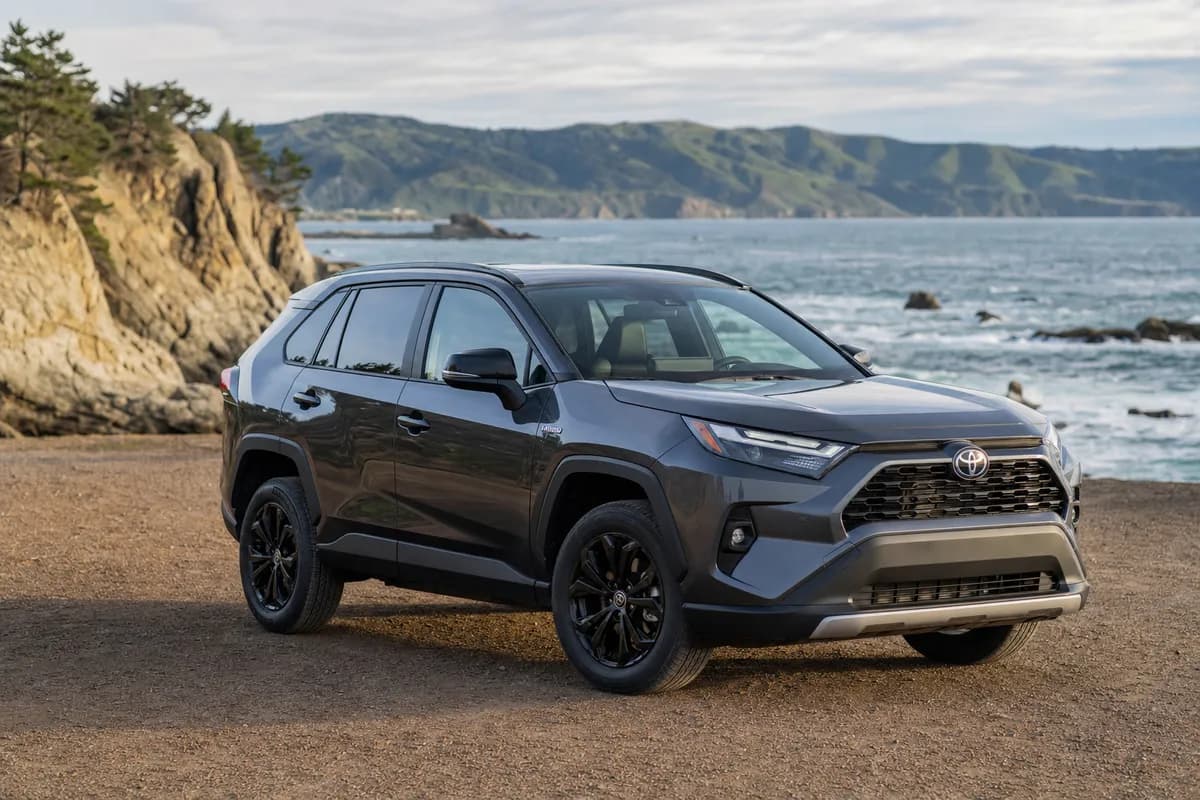
The clearest proof is the RAV4 Hybrid and related electrified Toyota crossovers. In many markets, hybrids still turn faster at dealerships than battery EVs, often with lower incentives and a broader buyer base.
- Hybrids appeal to: apartment dwellers, long-distance drivers, and buyers not ready to depend on charging infrastructure.
- EVs appeal to: buyers with home charging, stronger lease incentives, and a higher tolerance for tech transition.
- Toyota wants both groups: but it still treats hybrids as the safer volume business.
This is why Toyota’s EV rise does not automatically signal an all-in pivot. The company is expanding its EV footprint, but it is doing so while protecting hybrid margins, factory flexibility, and dealer confidence.
What the split strategy means for the 2027 Toyota bZ and 2027 Toyota C-HR EV
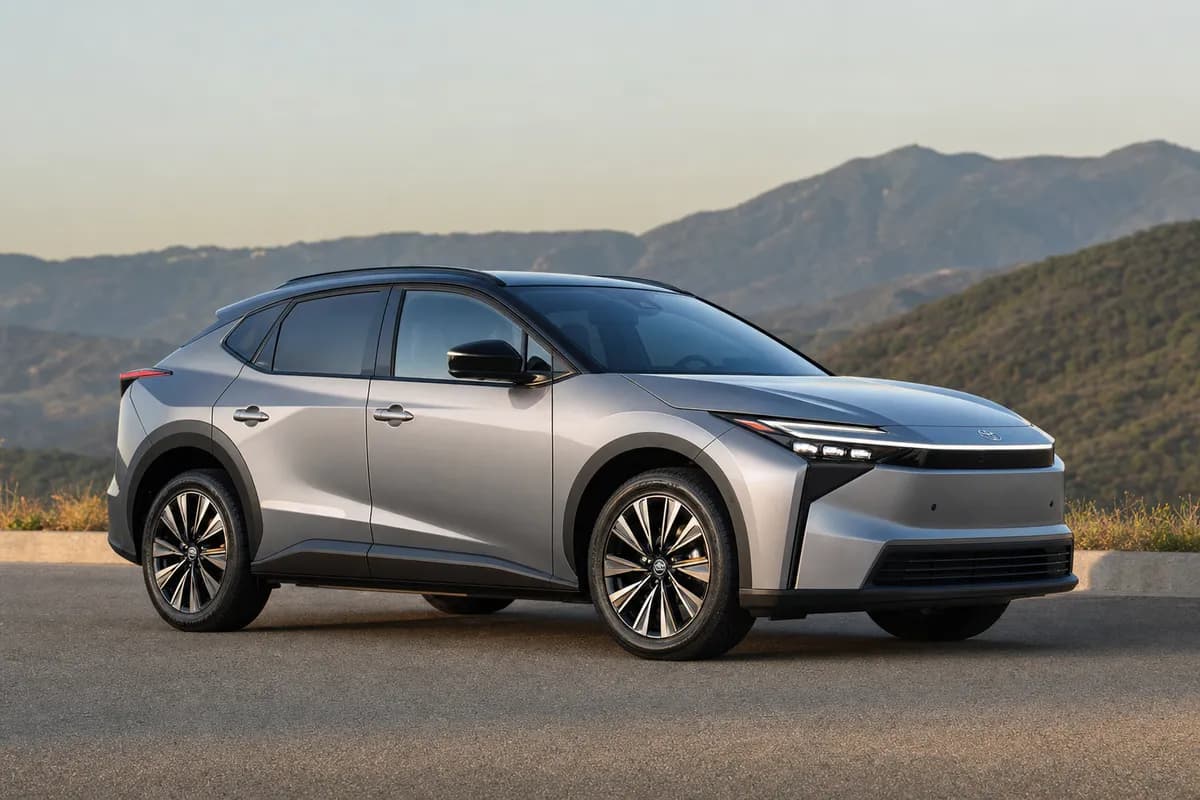
The 2027 Toyota bZ and 2027 Toyota C-HR EV now sit in a more favorable position than Toyota’s earlier EV efforts did. They no longer have to prove that Toyota can build a competent EV at all. Instead, they need to prove that Toyota can scale EV demand without undermining its hybrid core.
The bZ is likely to remain Toyota’s mainstream battery-electric anchor in the U.S. Expect Toyota to keep refining the formula with more range competitiveness, cleaner trim logic, and stronger value positioning rather than chasing headline specs for their own sake.
The C-HR EV could be even more strategically interesting. If Toyota prices it tightly and supplies enough units, it gives the brand a smaller, more urban-friendly EV crossover that can pull in first-time EV buyers who are not shopping a larger two-row family vehicle.
That matters because Toyota does not need either model to dominate the full EV market. It needs them to be credible, profitable enough, and well targeted.
- For the 2027 bZ, watch for: lease pricing, charging-package offers, and whether Toyota broadens national inventory rather than concentrating on ZEV states.
- For the 2027 C-HR EV, watch for: entry price, standard battery and motor specs, and whether Toyota positions it as a style-led urban crossover or a value-focused volume play.
- For both models, watch for: battery sourcing and tax-credit eligibility, which remain major competitive levers in the U.S.
Toyota’s pattern suggests caution on volume ramp. It is more likely to meter supply against real demand than flood lots and chase sales with aggressive incentives. That can preserve residual values, but it can also frustrate buyers in markets where interest outruns local allocation.
Dealer allocation could become the real battleground
Toyota’s dealers are used to moving hybrids quickly. EVs are different because demand is more regional, buyer education takes longer, and charging questions can slow the sales process even when the product is competitive.
That makes allocation central to what happens next. If Toyota keeps EV inventory heavily concentrated in California and other strong EV states, its national sales rank can improve while many shoppers elsewhere still struggle to find the right trim, color, or lease deal.
At the same time, hybrid allocation may remain the bigger pressure point for mainstream buyers. If RAV4 Hybrid demand stays strong into 2027, some dealers may continue prioritizing hybrid inventory because turnover is more predictable and sales staff know exactly how to sell it.
Toyota’s biggest near-term challenge may not be building more EVs. It may be deciding where to send them without starving dealers of the hybrid inventory that still pays the bills.
For shoppers, that creates a split market. In some regions, a bZ or C-HR EV may be easier to lease competitively than a high-demand hybrid. In others, the reverse will be true.
- If you want a 2027 bZ or C-HR EV: expect stronger availability in EV-friendly states and better odds on lease than purchase value.
- If you want a RAV4 Hybrid: expect continued demand pressure, especially on popular trims and all-wheel-drive configurations.
- If you are cross-shopping both: total monthly cost, not sticker price, will likely decide the winner.
So, is Toyota serious about electric cars?
Yes, but not in the way some buyers expect. Toyota is serious about EVs in the sense that it now clearly wants meaningful share in battery-electric segments and understands it cannot remain a niche player forever.
No, if “serious” means copying the strategy of brands that have bet their public identity on rapid EV conversion. Toyota still sees hybrids as the backbone of its U.S. emissions and profit strategy, and July 2026 did nothing to change that.
The practical verdict is that Toyota is not hedging because it lacks an EV plan. It is hedging because the market still rewards flexibility. The company can sell more EVs, defend hybrid leadership, and shift mix as demand changes without tying its entire U.S. business to one propulsion bet.
That should make the 2027 Toyota bZ and 2027 Toyota C-HR EV better than they would have been if Toyota were simply checking a compliance box. But it also means buyers should not expect Toyota to abandon the logic behind the RAV4 Hybrid, Prius, and the rest of its electrified lineup.
For 2027, the message is clear. Toyota is serious enough about EVs to become a top-five seller in the U.S., but disciplined enough to keep hybrids at the center of its strategy until the market proves it wants something else.
Affiliate disclosure: This article contains affiliate links. RevvedUpCars may earn a small commission on qualifying purchases at no extra cost to you.