California’s new instant ZEV rebates target first-time buyers, potentially shifting late-summer demand for the Equinox EV, Kona Electric, Model 3, and Leaf.
California is trying to do something the broader EV market has struggled with in 2026: make affordable electric cars feel affordable at the exact moment a shopper says yes. The state’s new instant rebate for eligible first-time buyers, launching in July, shifts the incentive from paperwork and waiting to a discount applied at the dealership. That could have an outsized effect on mainstream models like the Chevrolet Equinox EV, Hyundai Kona Electric, Tesla Model 3, and Nissan Leaf just as dealers head into late-summer inventory season.
Why California’s July 2026 instant rebate matters
The core change is simple. Instead of asking qualified buyers to front the full purchase price and wait for a check later, California’s new instant ZEV rebate 2026 structure moves the benefit to the point of sale for eligible first-time EV buyers.
That matters because EV demand in 2026 has become more price-sensitive, not less. Interest rates remain elevated by pre-2020 standards, monthly payments are still the main shopping metric, and national EV growth has cooled from its earlier surge as early adopters gave way to more cautious mainstream buyers.
California has long been the country’s largest EV market, so policy changes there ripple outward. A stronger first-time EV buyer rebate can influence automaker allocations, dealer ordering, and how brands position entry-level trims in the second half of the model year.
The timing is also strategic. July sits just ahead of the late-summer and early-fall period when dealers often begin managing aging inventory, incoming 2027 model-year planning, and end-of-quarter sales pushes. A real-time state incentive can turn a shopper from “maybe later” to “I can buy this month.”
Which 2026 EVs stand to benefit most
The biggest winners are likely to be vehicles that already sit near the center of the mainstream affordability conversation. In California, that means a short list of compact and midsize EVs with recognizable badges, broad dealer presence, or strong brand pull.
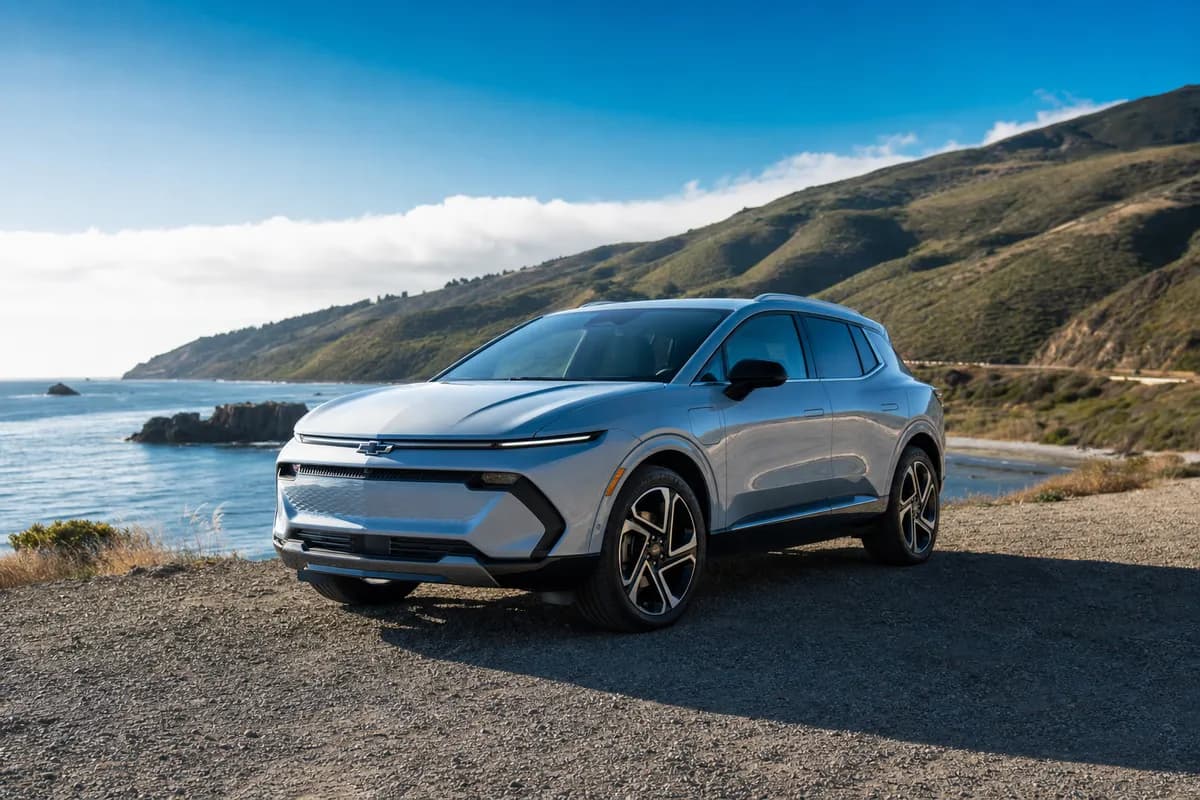
- 2026 Chevrolet Equinox EV: One of the most important mass-market EVs on sale, with crossover packaging that aligns with what U.S. buyers actually want.
- 2026 Hyundai Kona Electric: Smaller than the Equinox EV, but easier for urban buyers to park, live with, and budget for.
- Tesla Model 3: Still a volume benchmark, even if not as cheap as some buyers expect once options and insurance are added.
- Nissan Leaf: Aging relative to newer rivals, but still relevant if priced aggressively and paired with state support.
The 2026 Chevrolet Equinox EV may be the clearest test case for the new rebate policy. Chevrolet positioned the Equinox EV as a practical, attainable EV rather than a tech statement, and California’s point-of-sale structure reinforces that pitch. If the rebate meaningfully lowers the drive-off cost or monthly payment, the Equinox EV moves closer to the sweet spot where compact SUV shoppers compare it directly with gasoline crossovers rather than with other EVs.
The 2026 Hyundai Kona Electric could benefit for a different reason. It is smaller and less versatile than the Equinox EV, but that can be an advantage for first-time EV buyers in dense California markets where commutes are shorter and parking is tighter. A buyer who sees a lower price on the windshield may overlook some of the vehicle’s size limits in exchange for a simpler transition into EV ownership.
Tesla’s Model 3 remains a powerful draw, especially for buyers who prioritize charging access and software familiarity. But the new California instant rebate may have a more limited effect on Tesla than on dealer-sold rivals if the company’s direct-sales model leaves less room for local retailers to shape the purchase experience around state incentives. Even so, a lower effective transaction price would still strengthen the Model 3’s case against newly discounted mainstream competition.
The Nissan Leaf is the wildcard. It no longer leads on range, charging standard, or fresh design, but incentives can keep older products viable far longer than product planners expect. For price-first shoppers, a discounted Leaf may still function as a low-risk gateway into EV ownership, especially for households adding a second car rather than replacing their only vehicle.
How the rebate changes real-world shopping decisions
The practical effect of the July 2026 EV incentives is less about headline MSRP and more about reducing friction. Mainstream buyers tend to think in terms of monthly payment, cash due at signing, and whether the numbers feel safe enough to commit today.
That is where point-of-sale support can outperform a traditional rebate claim. A delayed incentive asks buyers to trust a future benefit. An instant rebate changes the deal sheet on the spot.
For first-time EV shoppers, the policy may also narrow the psychological gap between EVs and gasoline models. A $3,000 to $7,500 difference can feel abstract when discussed in tax-credit language, but it becomes concrete when the dealership presents a lower financed amount, lower lease payment, or reduced upfront cost.
- Equinox EV vs. Model 3: The Chevrolet may gain with crossover utility and dealer-applied affordability, while Tesla still leans on charging convenience and brand strength.
- Kona Electric vs. Leaf: Hyundai offers a newer package, while Nissan may compete hardest on final transaction price if dealers stack discounts with the state rebate.
- EV vs. hybrid: This may be the most important comparison of all. California’s incentive could pull some budget-conscious shoppers back from hybrids if the EV payment gap shrinks enough.
The policy also targets a key weak spot in the 2026 market: hesitation from consumers who are curious about EVs but have not found a financially comfortable entry point. First-time buyer support works best when it catches that exact audience before they default to a familiar gasoline SUV or hybrid sedan.
Why dealers are bracing for a late-summer demand shift
California dealers are likely to respond quickly if the rebate starts generating showroom traffic. Models that had been moving steadily but not briskly could suddenly become high-priority inventory, especially if they qualify cleanly for the incentive and sit in the most popular payment bands.
The late-summer demand shift may not look like a traditional sales boom. More likely, it will be a targeted swing toward entry-level and mid-price EV trims, with stronger pull for vehicles that combine decent range, fast enough charging, and familiar body styles.
For Chevrolet dealers, that could mean prioritizing the Equinox EV over slower-moving higher-priced EV stock. Hyundai retailers may see increased pressure on Kona Electric availability if budget shoppers migrate toward the model after comparing total out-the-door costs. Nissan stores could use the moment to clear Leaf inventory that might otherwise need heavier discounting later in the year.
There is also a margin question. Dealers prefer programs that create urgency without forcing them to absorb all of the discount themselves. A state-funded instant rebate can preserve some pricing discipline while still helping stores advertise a compelling payment.
Still, execution will matter. If eligibility rules are narrow, paperwork is cumbersome, or funding is exhausted quickly, dealers could face a burst of interest followed by customer frustration. California has seen incentive demand outrun simplicity before, and shoppers who feel burned once often do not come back quickly.
Can state incentives revive affordable EV demand in 2026?
California’s new point-of-sale rebate will not fix every challenge facing the EV market. Affordability remains uneven, public charging still varies by region and reliability, and many buyers continue to prefer hybrids as a lower-friction way to cut fuel use.
But this is the kind of policy that can still change outcomes at the margin, especially in a softer national environment. If EV momentum has slowed because mainstream buyers are payment-sensitive and incentive-fatigued, then making the discount immediate is a more rational response than simply increasing the headline number.
The models most likely to gain are the ones already closest to the mainstream: the 2026 Chevrolet Equinox EV for compact SUV shoppers, the 2026 Hyundai Kona Electric for smaller-budget urban buyers, the Tesla Model 3 for shoppers who still want the category’s most established nameplate, and the Nissan Leaf for bargain hunters willing to accept an older package.
The verdict is straightforward. The California instant ZEV rebate 2026 program has a real chance to reshape shopping behavior in the state’s second half, not by creating new EV demand out of thin air, but by converting hesitant first-time buyers at the moment of purchase. If dealers can explain the program clearly and keep the right trims in stock, July’s policy shift could become one of the most consequential affordable-EV market developments of 2026.
Affiliate disclosure: This article contains affiliate links. RevvedUpCars may earn a small commission on qualifying purchases at no extra cost to you.