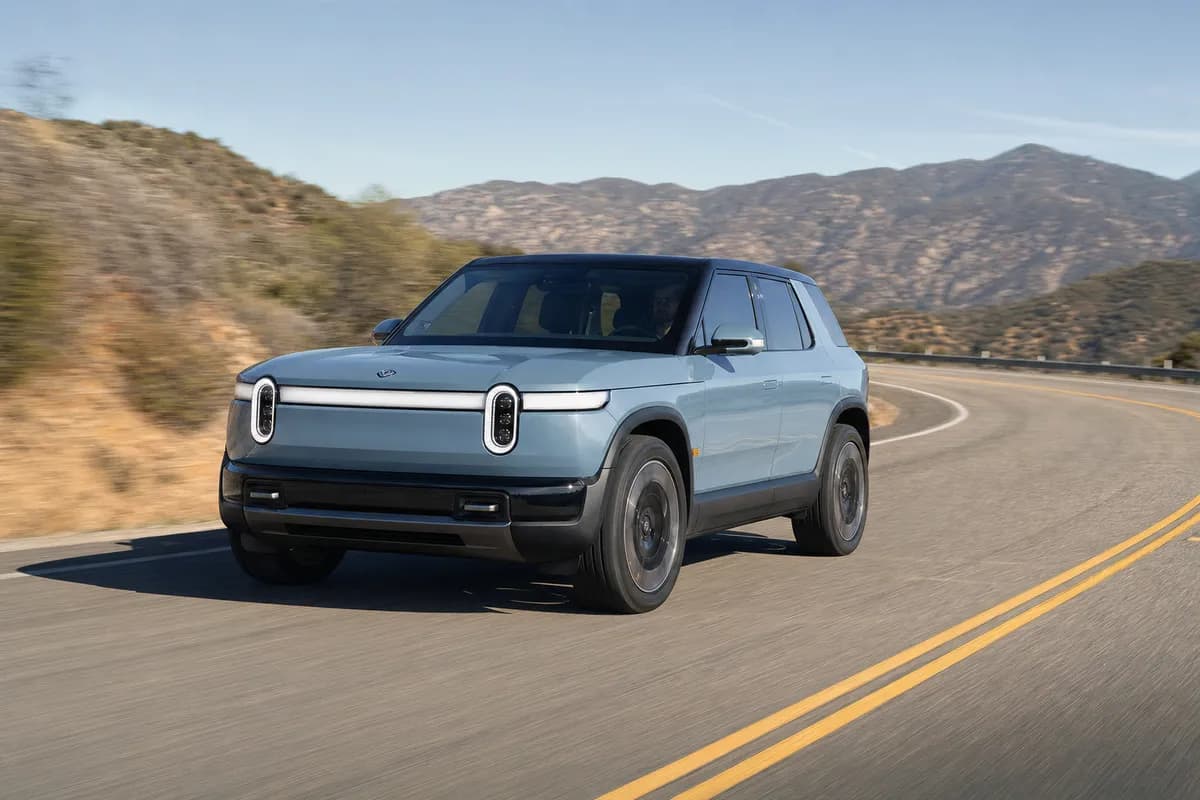
We drive the 2027 Rivian R2 to find out if its smaller size delivers the range and daily practicality rivals like the Model Y can’t match.
The 2027 Rivian R2 matters because Rivian no longer gets to be the quirky boutique EV brand with charming flaws. This one has to sell in real numbers. And that means taking a direct swing at the Tesla Model Y, Hyundai Ioniq 5, and Ford Mustang Mach-E on the stuff buyers actually care about: range, charging, space, price, and whether the thing feels special after the novelty wears off.
A smaller Rivian that still feels like a Rivian
The R2 is the company’s compact-to-midsize electric SUV, slotting below the R1S in both size and ambition. It rides on a new platform, wears a cleaner, friendlier shape, and starts around the heart of the segment rather than the luxury fringes. In person, that matters. The R2 looks purpose-built, not shrink-wrapped.
You still get the signature Rivian face, upright proportions, and a squared-off tail that prioritizes cargo space over slippery coupe nonsense. That instantly separates it from the Tesla Model Y, whose jellybean profile remains aerodynamically smart and visually forgettable. The R2 has character without trying too hard, which is rarer in EVs than it should be.
Dimensionally, the R2 lands in the sweet spot for American buyers. It is shorter and easier to place than an R1S, but it does not feel cramped or compromised. Think closer to a Model Y or Mach-E in footprint, with a more upright cabin and better outward visibility than either.
2027 Rivian R2 first drive: range, performance, and charging
Rivian says the R2 will offer single-, dual-, and tri-motor configurations, with up to more than 300 miles of range depending on battery and drivetrain. The early drive vehicles point to exactly what buyers expect in this class: usable speed, confident body control, and enough efficiency to stay relevant in a brutally competitive field. If Rivian delivers a real-world 280 to 320 miles for mainstream trims, it is in the fight. If not, the Model Y keeps its crown by default.
On the road, the R2 feels more polished than many first attempts at “affordable” EVs. The steering is direct without fake sportiness, and the suspension does a better job than the Tesla Model Y at absorbing sharp edges without flopping around afterward. The Ioniq 5 still wins for low-speed ride isolation, but the Rivian strikes the best balance between control and comfort.
Performance is brisk, not ridiculous, which is the correct answer for a family crossover. Expect a dual-motor version to hit 60 mph in the mid-4-second range, putting it right in Mustang Mach-E AWD and Model Y Long Range territory. That is more than enough for merging, passing, or quietly embarrassing a hot hatch at a stoplight.
Charging is where the R2 must be judged without sentimentality. Rivian is moving to the North American Charging Standard, which means Supercharger access is either coming or baked in depending on timing and trim. That is huge, because Tesla’s network remains the one thing everyone else still pretends is merely “competitive” when it is actually the benchmark.
- Rivian R2 estimated range: over 300 miles in higher-spec versions
- Tesla Model Y Long Range: roughly 310 to 330 miles depending on spec and wheel choice
- Hyundai Ioniq 5 SE RWD: up to about 303 miles
- Ford Mustang Mach-E Premium RWD: around 320 miles in extended-range form
Those numbers tell the story. The Rivian R2 does not need to crush the class on range. It just needs to avoid losing. In this segment, charging speed, route-planning confidence, and efficiency at 75 mph matter more than one heroic EPA figure.
Rivian R2 interior: smart packaging beats flashy minimalism
The best thing about the Rivian R2 interior is that Rivian did not copy Tesla’s worst habit. Yes, the cabin is clean and screen-led, but it does not feel like someone deleted half the car to impress a furniture designer. The dash is airy, the materials look richer than a Model Y’s, and the layout has the kind of practical logic Rivian has shown from the start.
This is where the Rivian R2 range and interior conversation gets interesting. Buyers will tolerate a few missing miles if the cabin is genuinely nicer to live with every day. The R2’s squared roofline and upright glasshouse pay off in headroom, cargo flexibility, and easier child-seat loading than the sleeker Mach-E.
The rear window drops, and both front and rear seats fold flat. That sounds gimmicky until you realize how many compact SUV buyers camp, haul bikes, or just buy too much furniture at once. Rivian understands active-lifestyle marketing because, unlike several rivals, it actually engineered the hardware to support the brochure.
- What the R2 appears to do well inside:
- Better material richness than Tesla Model Y
- More versatile cargo solutions than Mustang Mach-E
- More upright seating and visibility than Ioniq 5’s lower, hatchback-like posture
- Cleaner interface than Ford’s occasionally clumsy Sync-based setup
If there is a concern, it is software execution. Rivian’s interface design has generally been strong, but mainstream buyers are less forgiving than early adopters. Menus need to be quick, phone integration needs to be seamless, and driver-assistance features need to work consistently, not artistically.
Rivian R2 vs Tesla Model Y, Hyundai Ioniq 5, and Ford Mustang Mach-E
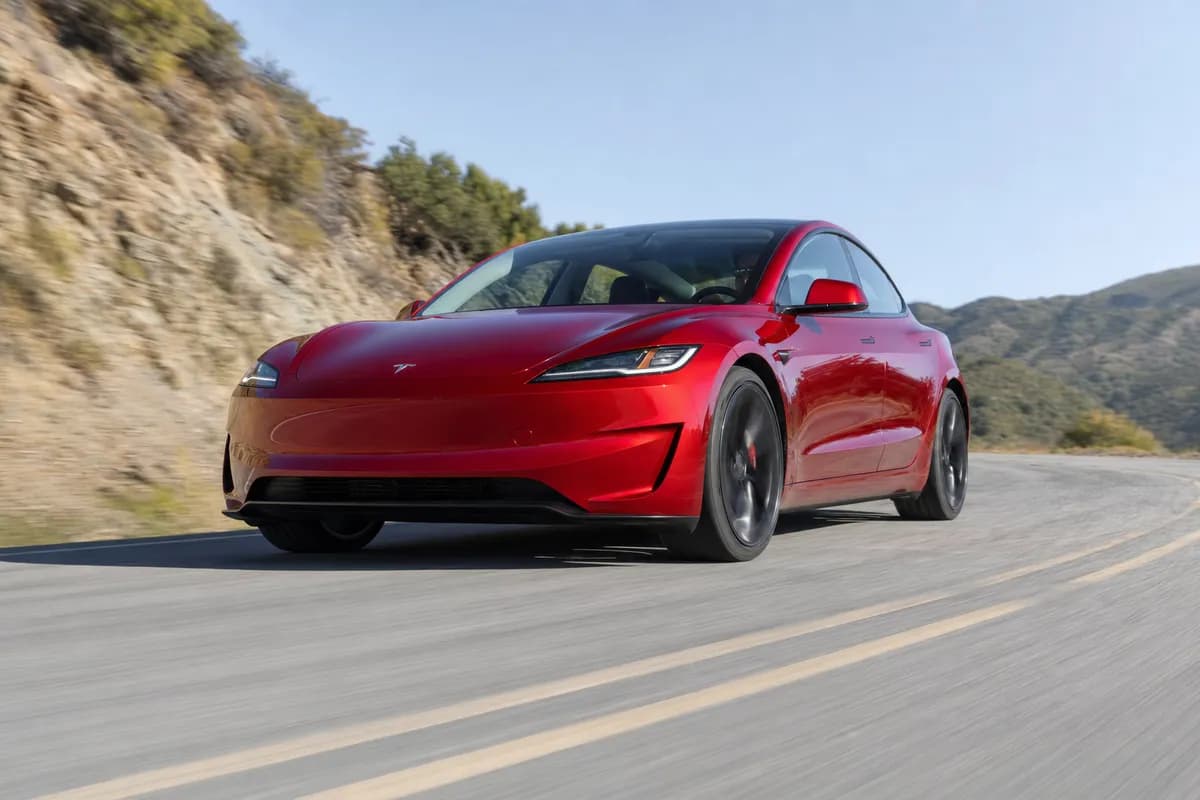
The Rivian R2 vs Tesla Model Y comparison is the one that matters most because the Model Y remains the default EV crossover purchase. It is spacious, efficient, quick, and backed by the best charging network in the country. It is also dynamically brittle on rough roads, saddled with annoying touchscreen absolutism, and about as emotionally engaging as a kitchen appliance.
The R2’s advantage is that it feels like a product made by people who have spent time outdoors and inside cars, not just around software engineers. It has more visual charm, likely a more premium-feeling cabin, and better ride composure. The Tesla still holds the advantage in ecosystem maturity, efficiency, and likely value if aggressive pricing continues.
Against the Hyundai Ioniq 5, the Rivian faces a different challenge. The Hyundai is one of the best electric family vehicles on sale because it is roomy, comfortable, fast-charging, and refreshingly distinctive. The R2 counters with a more SUV-like shape, stronger brand identity, and potentially better cargo flexibility, though Hyundai’s 800-volt charging architecture remains a serious weapon.
The Ford Mustang Mach-E sits somewhere in the middle. It is good-looking, decent to drive, and available in a wide range of flavors from sensible to juvenile. But the Mach-E now feels like an elder statesman in a segment that moves at smartphone speed, and the R2 has the fresher packaging and more coherent personality.
- Choose the Rivian R2 if you want: standout design, clever utility, better ride balance, and a more premium cabin feel
- Choose the Tesla Model Y if you want: maximum charging confidence, proven efficiency, and likely the easiest ownership experience
- Choose the Hyundai Ioniq 5 if you want: exceptional ride comfort, ultra-fast charging, and retro-futurist styling
- Choose the Ford Mustang Mach-E if you want: familiar controls, broad trim choice, and occasional bargain pricing
Is the Rivian R2 the best electric SUV 2026 shoppers should wait for?
On first drive evidence, the answer is yes, with one asterisk the size of a charging plaza. The R2 looks like one of the most complete new EVs of 2026 because it does not chase a single headline stat at the expense of daily usability. It feels thoughtfully packaged, genuinely appealing, and mature in the ways that matter on a commute, a road trip, or a wet back road.
But Rivian still has to execute. Price discipline matters. Build quality matters. And the charging experience has to be seamless enough that buyers never feel like they are beta-testing someone else’s infrastructure.
Verdict: The 2027 Rivian R2 is not just a smaller R1S. It is Rivian’s first real shot at the mainstream, and based on this first drive, it lands a clean punch. If final pricing stays competitive and real-world range lands near the top of the class, this could be the smartest, most likable alternative to the Tesla Model Y — and one of the strongest contenders for best electric SUV 2026 honors.
The short version of this Rivian R2 review is simple. The Model Y may still be the rational pick, and the Ioniq 5 remains deeply impressive, but the R2 has something both can lack: charm backed by substance. In a market full of competent electric crossovers, that might be the difference between being noticed and being bought.
Affiliate disclosure: This article contains affiliate links. RevvedUpCars may earn a small commission on qualifying purchases at no extra cost to you.