Mercedes finally delivers a compact luxury EV that targets range, fast charging, and everyday comfort head-to-head with top rivals. Read the first drive.
Mercedes finally stopped flirting with the idea of a proper compact luxury EV and built one that matters. The 2026 CLA EV arrives swinging at the Tesla Model 3, BMW i4, and Hyundai Ioniq 6 with the three things buyers actually care about: range, charging speed, and whether the thing feels expensive after an hour in traffic.
And on first drive, the headline is simple: this is the most serious small Mercedes EV yet. It’s sleek, efficient, genuinely refined, and engineered with the kind of obsessive low-drag logic that usually comes from Hyundai’s spreadsheet warriors or Tesla’s aero cult.
A new platform, a new attitude
The 2026 Mercedes-Benz CLA EV first drive makes one thing clear: this is not a lightly electrified CLA in a nicer suit. It rides on Mercedes’ new MMA architecture, gets an 800-volt electrical system, and launches with rear-drive and dual-motor all-wheel-drive versions designed to hit the sweet spot of mainstream premium EV buyers.
Mercedes says the single-motor CLA 250+ makes 268 horsepower, while the dual-motor CLA 350 4Matic pushes 349 hp. More important than the power figures, though, is the mission. This car has been tuned for efficiency first, then speed, which is exactly the right call in a segment where range anxiety still kills deals faster than a mediocre 0-60 time.
The shape helps. The CLA EV is slippery, low, and obviously aero-obsessed, with a drag coefficient around 0.21 depending on spec. That puts it in the same conversation as the Hyundai Ioniq 6 and right where it needs to be if Mercedes wants to win the CLA EV range and charging debate on merit rather than badge snobbery.
Range and charging: the numbers that matter
This is where the CLA EV gets dangerous for its rivals. In European WLTP trim, Mercedes quotes up to roughly 492 miles for the most efficient version, which should translate to about around 380 miles EPA if the usual conversion pattern holds. Until final U.S. numbers land, treat that as an educated estimate, not gospel.
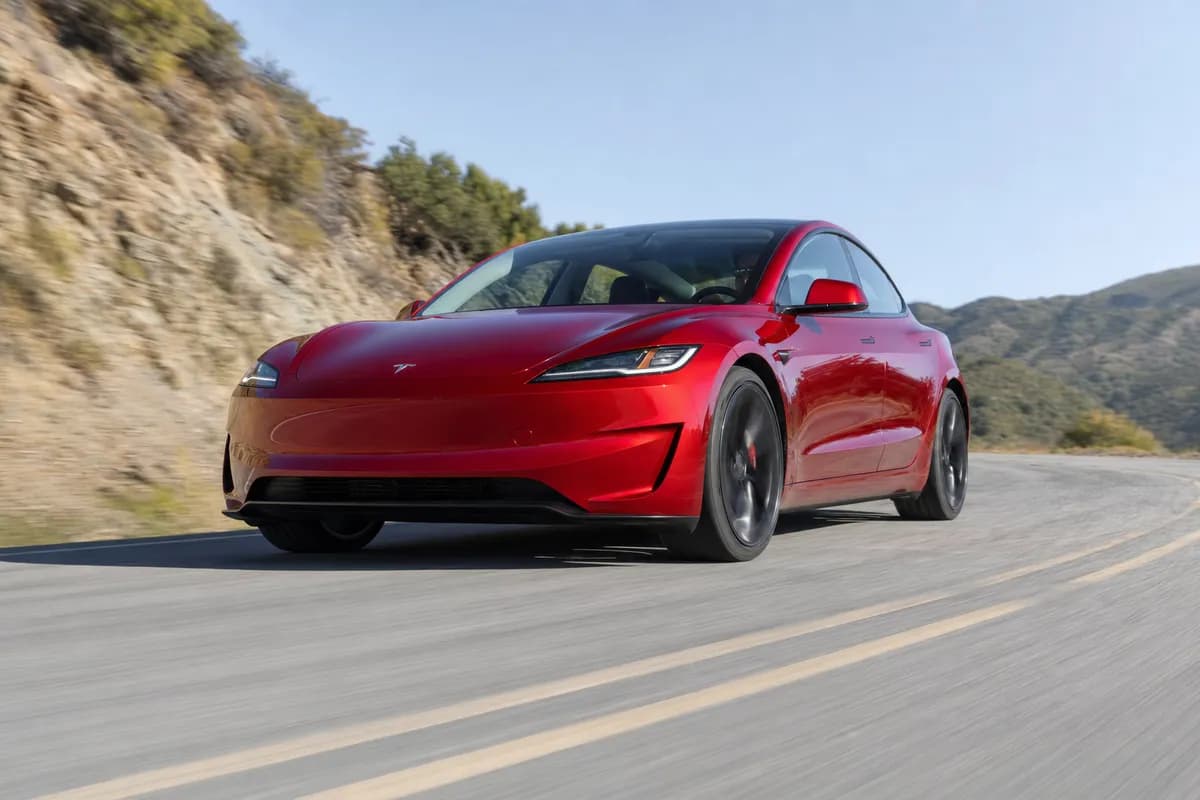
Even if the EPA figure comes in lower, the Mercedes still looks poised to lead the compact luxury pack. A long-range Tesla Model 3 is rated at 363 miles EPA, the Hyundai Ioniq 6 SE RWD sits at 361 miles, and the BMW i4 eDrive40 manages 301 miles. Mercedes has clearly targeted Tesla and Hyundai, not BMW, on efficiency.
- Mercedes-Benz CLA 250+ EV: estimated around 380 miles EPA, 800-volt architecture
- Tesla Model 3 Long Range RWD: 363 miles EPA, 400-volt class system
- Hyundai Ioniq 6 SE RWD: 361 miles EPA, 800-volt architecture
- BMW i4 eDrive40: 301 miles EPA, 400-volt class system
Charging is just as critical, and Mercedes didn’t show up half-cocked. The CLA EV can DC fast-charge at up to 320 kW, which puts it ahead of the Model 3 and i4, and right in the fight with the best Korean hardware. Mercedes says the car can add roughly 186 miles of range in 10 minutes under ideal conditions.
That’s the kind of number buyers remember. Tesla still wins on charger network simplicity, especially in North America, but on paper the CLA EV has the better electrical architecture. If Mercedes delivers consistent charging curves and decent battery preconditioning logic, the old “Mercedes looks nice but Tesla is easier to live with” line gets a lot weaker.
How it drives: more grown-up than fun, and that’s fine
If you’re expecting a baby AMG disguised as an entry sedan, reset your expectations. The CLA EV is quick, tidy, and composed, but its standout trait is refinement. It feels like Mercedes spent more time isolating road noise, smoothing low-speed responses, and calibrating regen than chasing Nürburgring bragging rights.
That was the correct decision. The Tesla Model 3 remains sharper than many people admit, especially after its recent chassis improvements, but it still has a faintly appliance-like quality to its controls. The BMW i4 is the better driver’s car, with richer steering feel and a more natural sense of balance, yet it pays for that with weight and poorer packaging.
The CLA EV threads the middle. It rides with more polish than the Model 3, feels lighter on its feet than the i4, and avoids the slightly odd, detached personality that can make the Ioniq 6 feel like a very efficient science project. In town, the Mercedes is smooth and well-mannered. On faster roads, it stays planted without becoming brittle.
Rear-wheel drive versions should be the pick for most buyers. They’re likely to be the efficiency champions, and they suit the CLA’s relaxed, intelligent character better than the heavier all-wheel-drive setup. The dual-motor CLA 350 4Matic is brisk, but the real appeal here is less stoplight violence and more effortless, expensive-feeling progress.
Cabin, tech, and everyday usability
Inside, Mercedes mostly remembers what a luxury car is supposed to do. The CLA EV cabin looks modern without falling completely into the touch-sensitive abyss, and material quality appears a step above the Model 3 and closer to what buyers expect when they’re paying for a three-pointed star. That matters, because Tesla still treats interior richness like an annoying afterthought.
The new MB.OS infotainment system is central to the car’s appeal, with AI-assisted functions, over-the-air updates, and heavy screen integration. The danger, as always, is feature bloat. Mercedes systems can be brilliant when they work and infuriating when they decide your heated seat needs three menus and a software patch.
Packaging is better than the coupe-like roofline suggests, though tall rear passengers may still negotiate with their hair. Cargo space should be competitive rather than class-leading. This is one area where the Tesla Model 3 remains brutally effective: it is simply a very sensible object, and not every premium badge can say that without crossing its fingers.
- Against Tesla Model 3: richer cabin, likely quieter, less minimalist but more traditionally luxurious
- Against BMW i4: better charging tech, better efficiency, likely less rear-seat compromise from the hatchback-free body
- Against Hyundai Ioniq 6: stronger badge appeal, more premium ambience, potentially better software ecosystem
Mercedes CLA EV vs Tesla Model 3, BMW i4, and Hyundai Ioniq 6
The Mercedes CLA EV vs Tesla Model 3 fight is the one that matters most. Tesla still has the charging ecosystem advantage and often the price advantage, depending on incentives and trim. But the Mercedes counters with superior perceived quality, a more hushed cabin, and charging hardware that finally looks world-class instead of merely acceptable.
The BMW i4 vs Mercedes CLA EV comparison is more nuanced. The i4 is still the enthusiast’s choice if you care about steering feel and a more traditional German sport-sedan flavor. But it is less efficient, doesn’t charge as quickly, and feels older in packaging and platform strategy.
As for the Hyundai Ioniq 6 comparison, this is where Mercedes faces its most underrated rival. The Hyundai remains one of the smartest EVs on sale, with excellent efficiency, rapid charging, and a distinctive shape that slices through air like it owes physics money. What the CLA EV offers is a more premium badge, a more polished cabin, and a stronger sense that you bought something indulgent rather than merely rational.
If the Model 3 is the default answer, the i4 is the driver’s answer, and the Ioniq 6 is the engineer’s answer, the CLA EV is shaping up to be the adult answer.
Verdict: Mercedes finally built an entry luxury EV worth recommending
The 2026 Mercedes-Benz CLA EV first drive suggests Mercedes has done something rare: it built an EV that feels competitive for reasons beyond styling and brand heritage. The range looks excellent, the charging specs are properly modern, and the on-road character is refined in a way that should make daily commuting feel less like a chore and more like a small reward.
There are caveats. Final U.S. pricing will decide whether this is a genuine Tesla Model 3 disruptor or just a very clever lease special for badge loyalists. Real-world charging performance, software stability, and EPA certification still need to back up the brochure.
But judged on first impression, the CLA EV is better positioned than the BMW i4, more premium than the Hyundai Ioniq 6, and more luxurious than the Tesla Model 3. If Mercedes keeps the price sane, this could be the compact luxury EV to beat in 2026.
Affiliate disclosure: This article contains affiliate links. RevvedUpCars may earn a small commission on qualifying purchases at no extra cost to you.