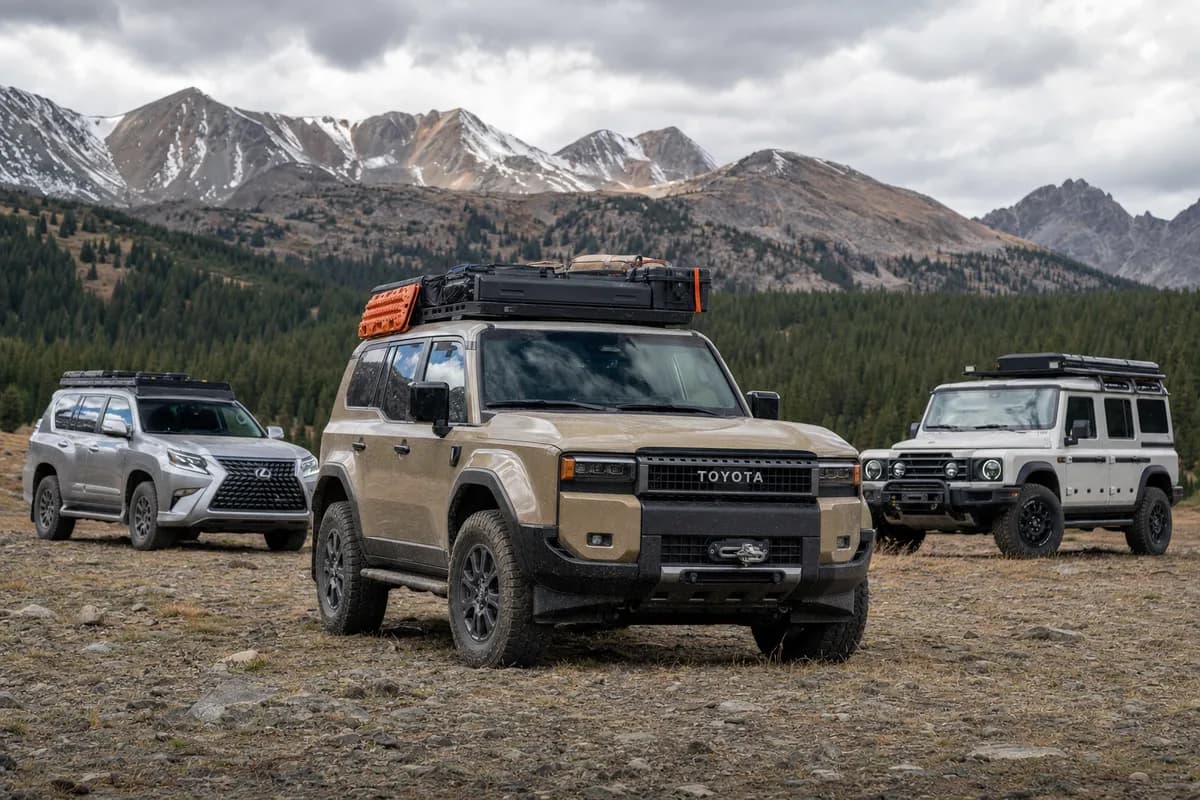
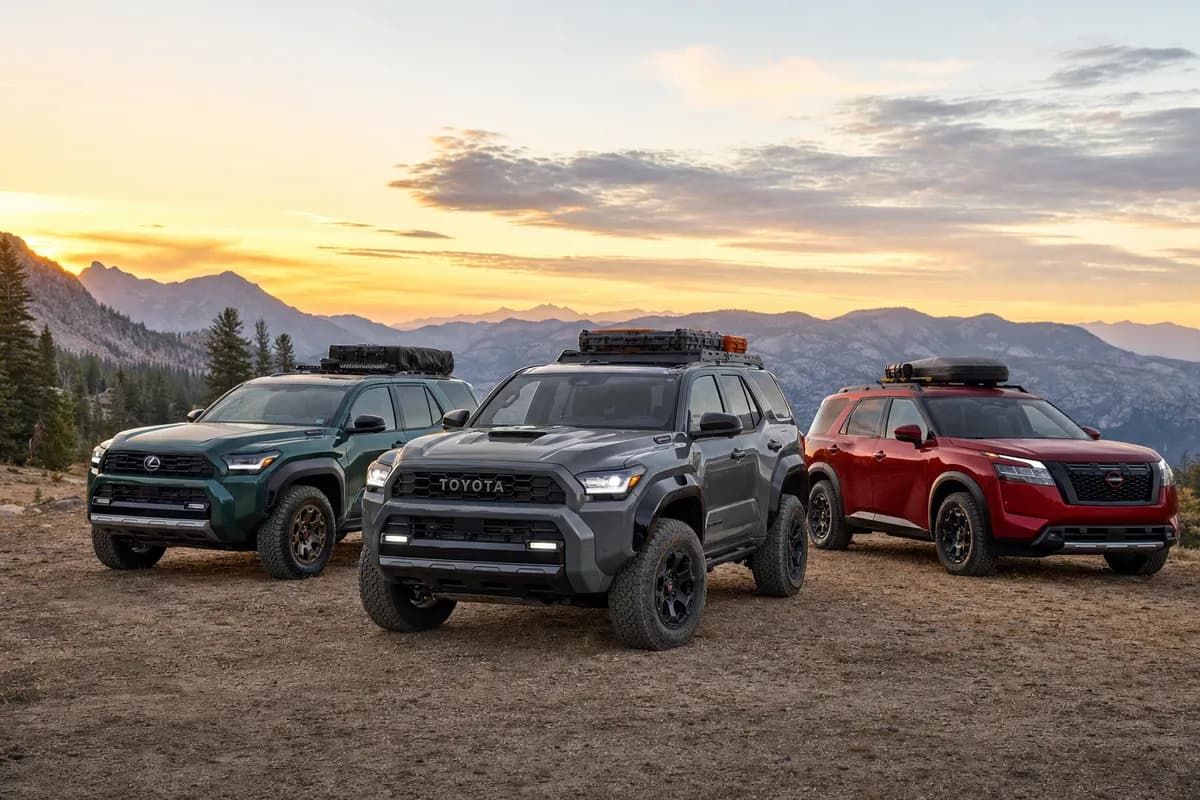
A growing DIY community is turning Land Cruiser, GX 550, and Grenadier builds into smarter, cleaner long-trip expedition setups.
The newest crop of premium 4x4s is spawning a different kind of enthusiast scene. Instead of chrome catalogs and rooftop cosplay, 2026 Toyota Land Cruiser mods, 2027 Lexus GX 550 overlanding setups, and INEOS Grenadier DIY maintenance threads are all converging around the same idea: build a better long-trip truck without ruining what made it good from the factory.
That shift matters because these rigs are expensive, capable, and loaded with electronics. Owners want reversible upgrades, sane tire choices, and service routines they can handle in the driveway. The result is a smart new expedition-wagon community with more torque specs than flex shots.
Why These Three SUVs Are Pulling the Same Crowd
On paper, the 2026 Toyota Land Cruiser, Lexus GX 550, and INEOS Grenadier come from very different worlds. In practice, they land in the same garage. All three offer full-time 4WD or permanent 4x4-style confidence, serious off-pavement hardware, and enough comfort to swallow a 500-mile highway day before a trailhead camp.
The new Land Cruiser shares its TNGA-F bones with the latest Tacoma and GX, which means a boxed frame, modern driver aids, and a hybridized turbo four in U.S.-spec versions. The GX 550 steps up with a twin-turbo 3.4-liter V6, more luxury, and serious towing muscle. The Grenadier counters with old-school packaging, solid axles, BMW-sourced inline-six power, and an interior that still feels like it expects mud on your boots.
Owners are meeting in the middle because all three rigs have the same real-world mission. They need to commute cleanly, run quietly at 75 mph, carry camping gear, and survive rough roads without turning into overbuilt caricatures. That is where OEM plus off-road SUV upgrades make sense.
- Toyota Land Cruiser: Best for buyers who want proven parts support, strong resale, and a restrained factory look.
- Lexus GX 550: Best for owners who want Land Cruiser hardware with more power, more cabin polish, and a higher trim ceiling.
- INEOS Grenadier: Best for drivers who prefer mechanical honesty, easier field access, and a more utilitarian starting point.
Full-Time 4WD Service Basics the New Community Actually Cares About
These trucks may be modern, but expedition reliability still starts with fluids, boots, filters, and fasteners. The new owner culture is less obsessed with giant lifts and more focused on keeping transfer cases, differentials, and cooling systems happy. That is smart, because long-trip failures usually come from neglected basics, not lack of light bars.
For full-time 4WD service basics, the transfer case and both differentials deserve early attention if the truck sees water crossings, dust, towing, or lots of slow-speed trail work. Factory intervals are often written for average use, not loaded travel in heat. Enthusiasts who actually rack up miles tend to shorten fluid intervals and document everything.
Driveway-friendly checks worth doing early
- Differential and transfer-case fluids: Check for seepage, discoloration, or metallic paste on drain plugs after early trail use.
- Skid-plate removal practice: Learn how many fasteners, clips, and panels stand between you and a simple oil change.
- Cooling stack inspection: Dust, bugs, and grass seeds clog radiators and intercoolers faster than most owners expect.
- Suspension fastener re-torque: Especially after fitting sliders, racks, recovery points, or larger tires.
- Brake inspection: Heavier tires and gear loads eat pads faster, especially on mountain descents.
The Grenadier crowd has embraced this especially hard because the truck invites hands-on ownership. Access to service points is better than on many luxury SUVs, and owners treat preventive maintenance like part of the hobby. GX 550 owners are trending the same way, especially those who want to keep expensive adaptive systems working properly by avoiding sloppy install work.
The Land Cruiser crowd sits in the sweet spot. There is enough Toyota familiarity for DIY confidence, but enough new-tech complexity to make careful baseline service feel worthwhile. A good notebook, a fluid pump, and a torque wrench go a lot further than a shelf full of bolt-on bravado.
Tire-and-Load Strategy Beats Random Mod Shopping
If there is one place this new expedition-SUV scene is getting smarter, it is tires. The old habit was simple: buy the biggest, most aggressive all-terrain that fits and sort out the consequences later. The newer approach weighs load rating, road manners, braking, fuel economy, and spare-tire packaging before touching the credit card.
For most mixed-use owners, a mild size bump and a quality all-terrain tire make more sense than a huge jump. Something in the 33-inch neighborhood is already plenty for a modern Land Cruiser, GX 550, or Grenadier used for travel. Going bigger often means more mass, slower acceleration, longer stopping distances, and extra wear on steering and suspension parts.
What owners are prioritizing now
- Load index over sidewall hype: Match the tire to actual vehicle weight and trip load, not internet aesthetics.
- C- or SL-rated options where appropriate: Better ride and less unsprung weight than always defaulting to E-load tires.
- Full-size spare planning: Verify underfloor fit, swing-out compatibility, and TPMS behavior before buying five tires.
- Alignment after any change: Larger tires and accessory weight can alter caster feel and tire wear quickly.
A stock or near-stock truck on the right tires often travels better than a heavily modified one on the wrong tires. That is especially true on washboard, long interstate slogs, and wet pavement. Smart 2027 Lexus GX 550 overlanding builds and restrained 2026 Toyota Land Cruiser mods are increasingly tire-led, not lift-led.
Expedition SUV Roof Rack Load Math Most People Skip
Nothing separates practical builders from parking-lot builders faster than roof-rack math. Owners love the utility and look of a clean rack, but too many ignore how quickly weight adds up. With these taller, heavier modern SUVs, bad roof loading hurts handling, braking, and rollover margin long before anything actually breaks.
Static and dynamic load ratings are not the same thing. Static load is what the roof can support while parked, such as with a tent or people leaning on it. Dynamic load is what the vehicle can safely carry while driving, and that number is the one that matters most for long trips.
A simple way to think about rack weight
- Start with the rack’s own weight. Many full-length systems weigh 50 to 80 pounds before accessories.
- Add crossbars, awning mounts, shovel brackets, traction-board mounts, and light wiring.
- Add the actual cargo: recovery boards, fuel, spare tire, camp table, or tent.
- Compare that total to the vehicle’s dynamic roof limit, not just the rack maker’s marketing.
A full rack, awning, and rooftop tent can easily put 180 to 250 pounds overhead before bedding or gear. Add a couple of recovery items and you are deep into territory that changes the way the truck corners and reacts in emergency maneuvers. That is why the smarter expedition SUV roof rack load strategy is carrying only bulky, light items up top and keeping dense gear low and centered.
The best-looking racks in this new community are also the least cluttered. Owners are choosing low-profile platforms, deleting unused brackets, and avoiding six different accessory systems fighting each other visually. That is how you keep an adventure SUV purposeful instead of tacky.
The Best OEM-Plus Mods for Long Trips
The golden rule is simple: improve the vehicle you already have instead of trying to transform it into something else. That means reversible, tested upgrades that sharpen comfort, durability, and cargo management. The result feels like a factory special, not a parts-bin dare.
Mods that consistently deliver
- Quality all-terrain tires: The single best upgrade for traction and trip confidence.
- Underbody protection in key areas: Focus on vulnerable factory gaps, not maximum plate count.
- Rock sliders or sturdy side protection: Useful on trails and handy as a step on loaded trips.
- Internal cargo systems: Drawer modules, fridge slides, and tie-down solutions beat random totes.
- Suspension tuned for load, not Instagram: Mild springs and quality dampers can restore control without going sky-high.
- Auxiliary power done cleanly: Fused circuits, proper connectors, and switch solutions that do not butcher the dash.
- Lighting upgrades with restraint: Better fogs or ditch lights for actual visibility, not stadium output.
That philosophy is showing up across all three platforms. GX 550 owners are leaning into subtle wheel-and-tire packages, hidden comms, and cargo systems that preserve the luxury cabin. Land Cruiser owners are choosing factory-adjacent wheel offsets, modest suspension tuning, and accessories that can be removed before resale.
The Grenadier crowd may be the most function-first of the bunch, but even there the taste level is improving. Better organized tool storage, sensible onboard air, and protected wiring are replacing the early rush to bolt something onto every exterior panel. The strongest INEOS Grenadier DIY maintenance builds look expedition-ready because they are tidy, not because they are busy.
Verdict: The New Adventure-SUV Community Is Growing Up the Right Way
The 2026 and 2027 premium 4x4 boom is creating a healthier enthusiast culture than we have seen in years. Land Cruiser, GX 550, and Grenadier owners are proving that long-range capability starts with service discipline, thoughtful tire choices, honest weight math, and subtle OEM plus off-road SUV upgrades.
That approach makes these trucks better to drive, easier to maintain, and more pleasant to live with every day. It also keeps them looking right. For anyone planning practical 2026 Toyota Land Cruiser mods, measured 2027 Lexus GX 550 overlanding prep, or reliable INEOS Grenadier DIY maintenance, the best build is the one that still feels factory-engineered when the trip is over.
Build for miles, not for comments. The smartest expedition wagon is the one you trust to leave tomorrow morning with a full tank, a clean service log, and no drama.
Affiliate disclosure: This article contains affiliate links. RevvedUpCars may earn a small commission on qualifying purchases at no extra cost to you.