Rivian’s July 2026 supplier changes and R2 launch countdown could reshape R1T/R1S stability and Georgia timing—drivers may find a more affordable American EV sooner.
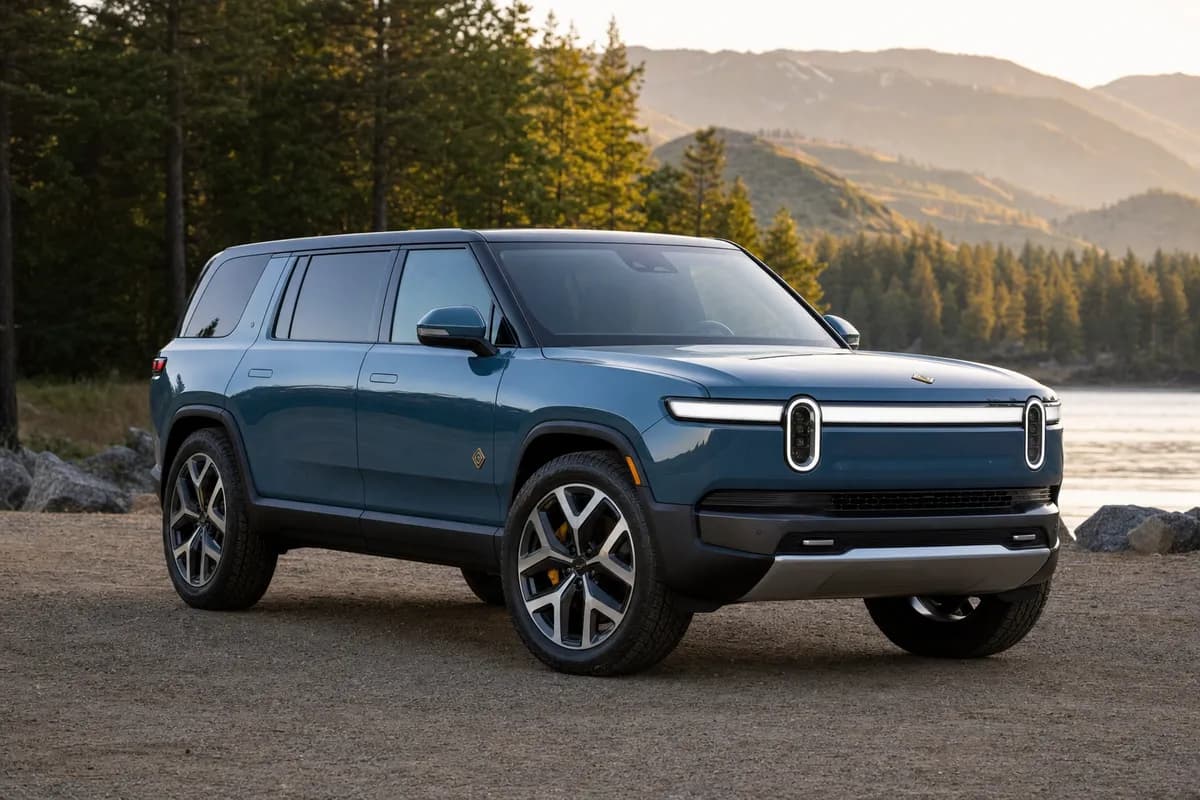
Rivian’s next 12 months look less like a routine model launch and more like a stress test for its entire business. The company is trying to hold R1T and R1S production steady, lock down suppliers, prepare Georgia for its next chapter, and get the lower-cost R2 to market without losing the momentum it rebuilt in 2025 and early 2026.
That is why the latest Rivian July 2026 news matters beyond one startup automaker. If Rivian can thread this needle, the 2027 Rivian R2 could become one of the clearest answers yet to a question hanging over the EV market: can an American brand deliver a truly more affordable EV at scale without sacrificing capability or quality?
Why Rivian’s July 2026 supplier changes matter so much
Supplier shake-ups are common in the auto industry, but they become far more consequential when a company is preparing a high-volume launch. In Rivian’s case, the R2 is not just another product line. It is the vehicle expected to broaden the brand beyond the premium-priced R1T pickup and R1S SUV.
That makes every sourcing decision in mid-2026 a referendum on execution. If Rivian is reshuffling battery, electronics, stamping, seating, or drivetrain suppliers now, the goal is usually simple: lower cost, reduce single-source risk, and protect production timing before start of manufacturing gets too close.
For buyers and investors, the key question is whether these moves look proactive or reactive. Proactive supplier changes can improve margins and de-risk launch volume. Reactive changes, especially late in the program, can lead to validation delays, quality problems, or a slower-than-planned ramp.
Rivian has strong incentives to be aggressive here. The company’s path to the affordable American EV space depends on bringing R2 to market with tighter cost control than the larger R1 vehicles ever had in their early years.
- R2 must be cheaper to build than the R1T and R1S on a per-unit basis.
- Parts commonality and simpler manufacturing will matter more than headline specs.
- Supplier resilience matters because any disruption can hit both launch timing and cash burn.
What this means for the 2027 Rivian R2
The Rivian R2 2027 story is really about whether Rivian can move from niche premium EV maker to broader-market brand. R2 has been positioned as a midsize SUV with a lower entry price than the R1S, while still carrying the outdoor-focused image that made Rivian stand out.
That positioning is exactly where the U.S. market remains competitive and unforgiving. Buyers want real range, usable cargo space, modern software, and charging convenience. They also want monthly payments that do not feel like luxury-car territory.
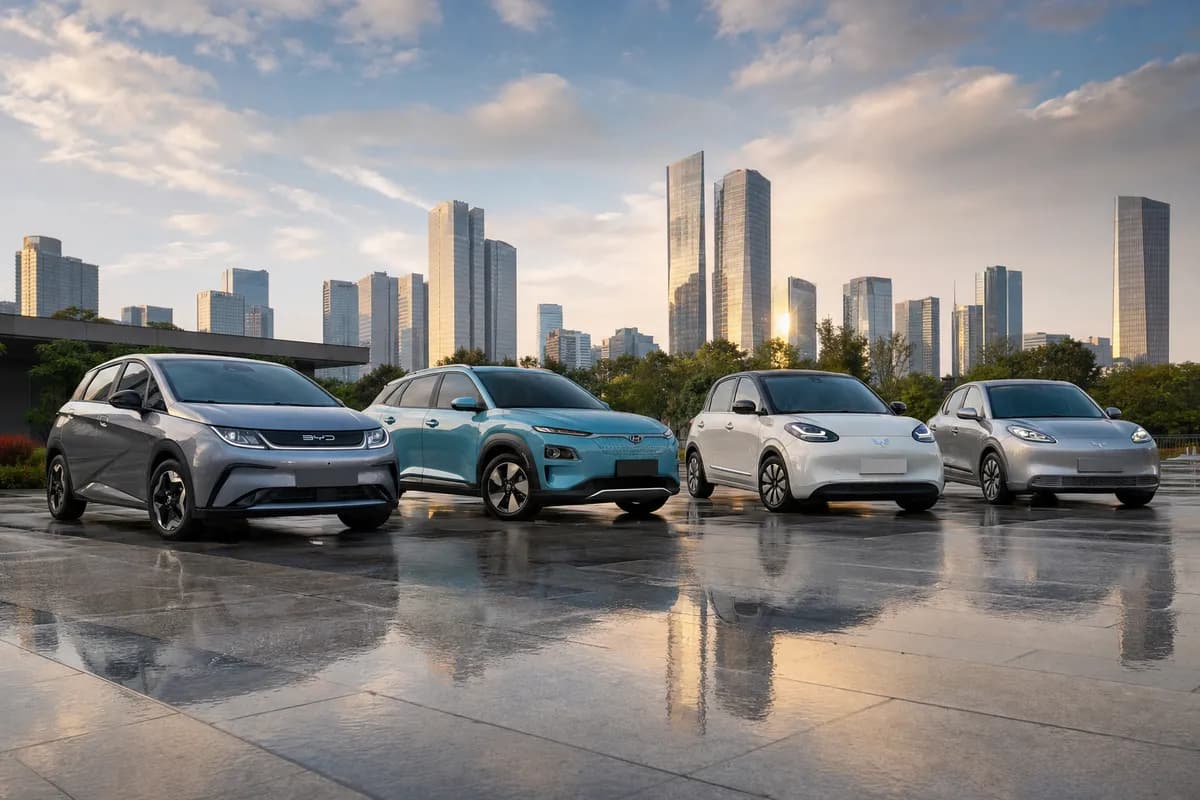
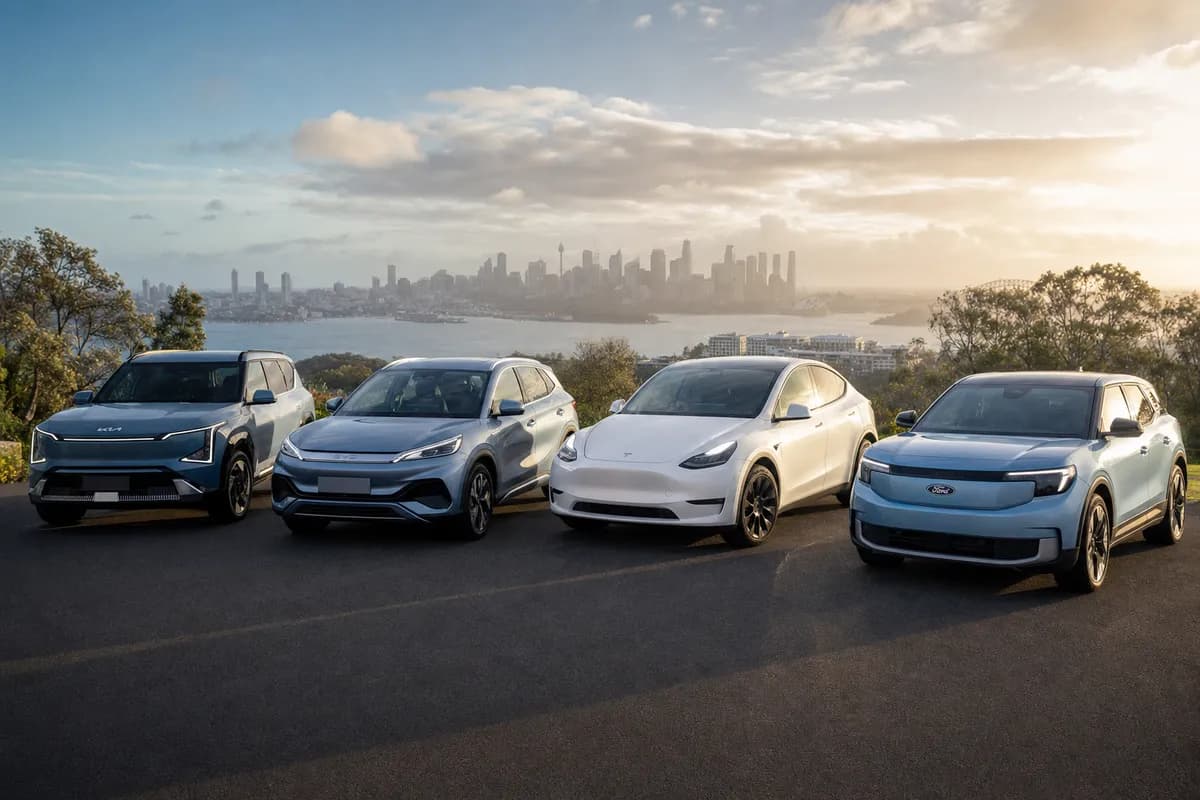
R2’s launch countdown matters because it sits in a gap the market still has not fully filled. Tesla’s Model Y dominates on scale and charging access, while Ford’s Mustang Mach-E and Hyundai’s Ioniq 5 compete on price and packaging. Rivian is trying to enter with stronger adventure branding and likely better perceived utility, but it cannot arrive too late or too expensive.
| Model |
Segment |
Positioning |
Key Launch Challenge |
| Rivian R2 |
Midsize electric SUV |
Lower-cost Rivian aimed at broader volume |
Hitting price, scale, and timing targets |
| Rivian R1S |
Large premium electric SUV |
Higher-margin flagship family SUV |
Maintaining quality while managing demand mix |
| Rivian R1T |
Premium electric pickup |
Halo truck with lower-volume niche appeal |
Protecting stable output in a softer EV pickup market |
If Rivian’s supplier restructuring leads to cleaner parts sourcing, fewer build variants, and better material economics, R2 stands a real chance of launching in stronger shape than the first R1 vehicles did. If not, Rivian risks repeating a familiar EV-industry pattern: impressive product, constrained output, and pricing pressure that narrows the addressable market.
Can Rivian keep R1T and R1S production stable while preparing R2?
This is one of the most immediate operational tests behind the headlines. R1T R1S production stability still pays the bills, supports dealer-free retail momentum, and gives Rivian breathing room as it funds the next phase.
Normal, Illinois remains central to that balancing act. Any effort to prepare lines, labor, logistics, or supplier allocations for R2 has to avoid disrupting current production of the R1T and R1S more than necessary.
That is harder than it sounds. Launching a lower-cost, higher-volume vehicle often pulls engineering attention, purchasing leverage, and capital spending away from existing products. For Rivian, the challenge is to improve R2 readiness without causing delivery volatility on the vehicles already in customer driveways and order pipelines.
- R1S remains Rivian’s broader-appeal product and a core volume pillar.
- R1T still matters for brand identity, but the EV pickup market is narrower and more sensitive to pricing.
- Service, parts, and software support for existing owners cannot slip during the R2 ramp.
If Rivian can keep output smooth through late 2026 while staging R2 tooling and validation, that will be one of the clearest signs the company is maturing operationally. Stable production is less glamorous than reveal events, but it is what separates a promising EV maker from a durable one.
Where the Georgia plant fits in Rivian’s timing
The Georgia plant Rivian plan has always represented more than extra capacity. It is the company’s long-term manufacturing bridge to higher volume, lower per-unit cost, and a product lineup that extends beyond the premium niche.
In the near term, though, the central issue is timing. If Georgia ramps too slowly, Rivian may have to stretch existing manufacturing resources harder than planned. If it comes together on schedule, it gives the company a cleaner path to scale R2 and future derivatives without bottlenecking current operations.
For local economies and policy watchers, Georgia is also a test of whether the EV manufacturing buildout announced earlier in the decade can still move forward under tighter capital conditions. Plants are not just construction projects. They are supply-chain anchors, logistics hubs, and labor-market bets that only pay off if model demand and execution line up.
From a buyer’s standpoint, Georgia matters because factory readiness affects all the practical things customers feel first: wait times, trim availability, pricing flexibility, and consistency of build quality. A well-timed plant launch can ease pressure. A delayed one can keep desirable models scarce and expensive.
NACS access and charging convenience could be a quiet R2 advantage
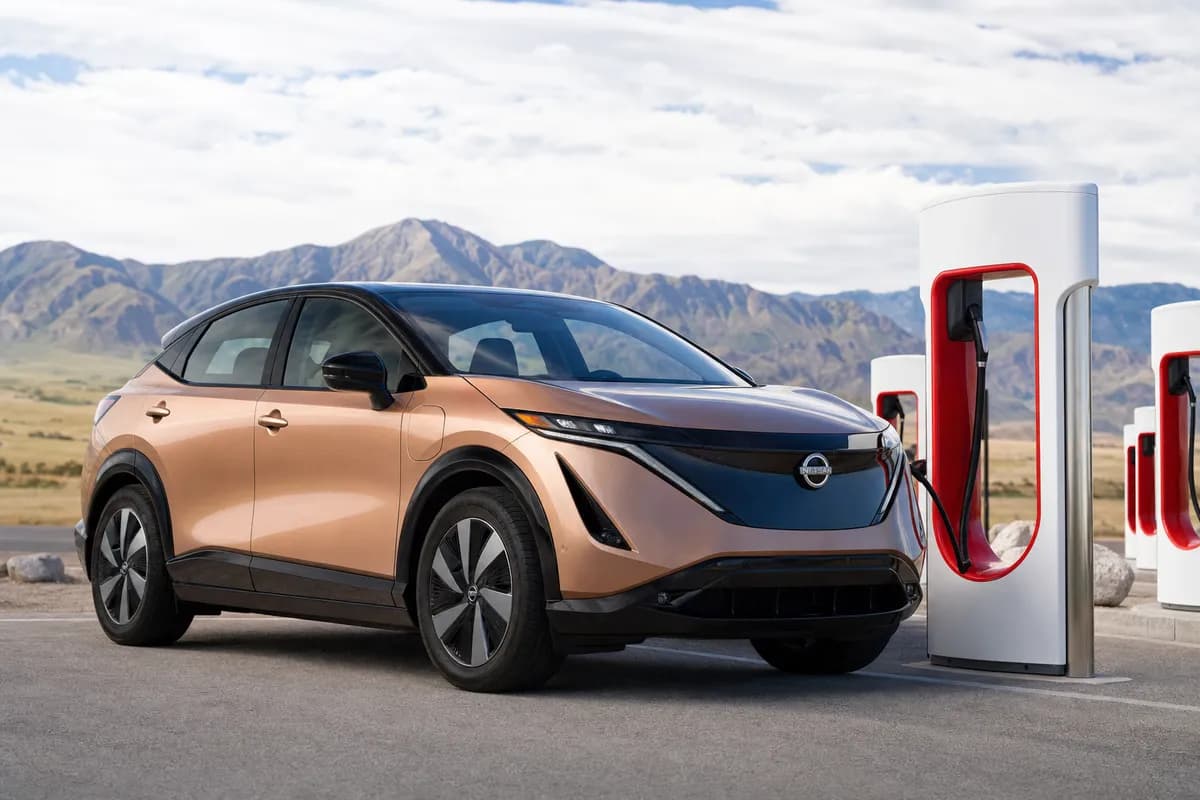
Charging access now carries almost as much weight as range on the shopping list for many EV buyers. By mid-2026, the shift toward Tesla’s North American Charging Standard, or NACS, has become one of the market’s clearest competitive dividing lines.
For Rivian, broad NACS compatibility matters in two ways. First, it reduces one of the biggest barriers for mainstream buyers considering a road-trip-capable EV. Second, it helps R2 compete in a segment where convenience often matters more than raw performance bragging rights.
If R2 launches with smooth NACS integration, reliable route planning, and straightforward access to major charging networks, Rivian gets to market with a practical advantage that buyers will actually use. That may matter more than a few extra miles of range on paper.
It also strengthens Rivian’s case against better-established rivals. A lower-priced Rivian with native or well-executed NACS access would be easier to recommend to buyers who like the brand but previously hesitated over charging complexity.
Verdict: Rivian’s R2 moment is bigger than one SUV
Rivian’s July 2026 supplier shake-up is not just procurement housekeeping. It is a live indicator of how serious and how prepared the company is for its most important product launch yet.
The 2027 Rivian R2 needs to do several jobs at once. It has to expand Rivian’s audience, improve manufacturing economics, justify factory investments, and show that a U.S. EV startup can move downmarket without losing control of quality or timing.
If Rivian keeps R1T R1S production steady, advances the Georgia plant Rivian timeline with minimal drama, and pairs R2 with broad NACS charging access, it will have a credible shot at becoming one of the most compelling affordable American EV launches of the late 2020s. If any of those pieces slip, the R2 still may be attractive, but the business case gets much tougher.
That is what makes this moment pivotal. Rivian is no longer being judged only on whether it can build desirable EVs. It is being judged on whether it can build the right EV, at the right price, in the right volume.
Frequently Asked Questions
When will the Rivian R2 come out in the U.S.?
Rivian is targeting the R2 for the next phase of its lineup, with the 2027 Rivian R2 now central to buyer expectations and industry planning. Exact production and delivery timing will depend on supplier readiness, manufacturing execution, and how smoothly Rivian manages its factory ramp.
Will the Rivian R2 be cheaper than the R1S?
Yes, that is the core idea behind the R2 program. The R2 is intended to slot below the R1S in price and broaden Rivian’s reach into a more mainstream part of the EV market.
Is Rivian still building the Georgia factory?
The Georgia plant remains a major part of Rivian’s long-term growth plan and future production strategy. Its timing matters because it could determine how quickly Rivian scales beyond current R1T and R1S capacity and supports higher-volume vehicles like the R2.
Will Rivian vehicles use Tesla Superchargers and NACS?
Charging access through NACS has become a major competitive issue for every EV brand, including Rivian. If Rivian delivers seamless NACS compatibility for current and future models, especially R2, it would significantly improve everyday usability and road-trip confidence for buyers.
Get the latest car reviews in your inbox
Join thousands of car enthusiasts. No spam, unsubscribe any time.


Comments
Leave a comment