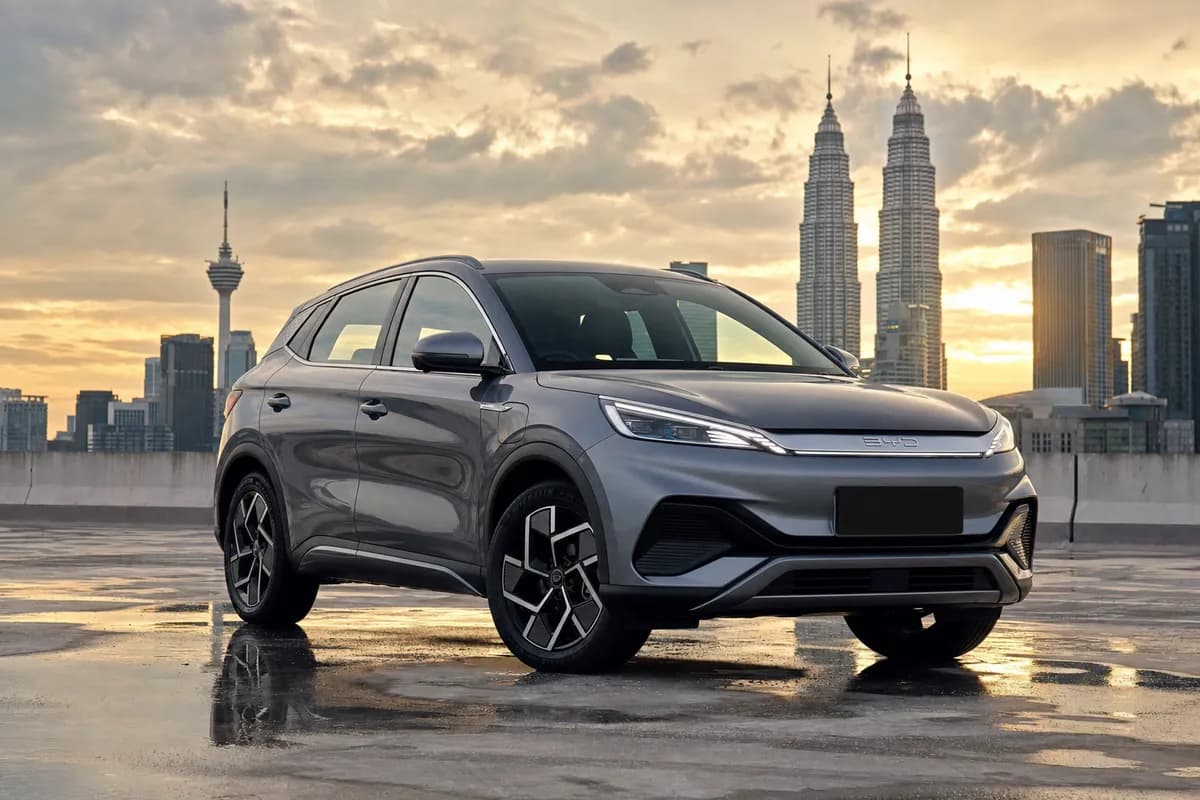
July 2026 landed close to 25% EV share in Australia, reshaping delivery timelines for Tesla Model Y, BYD Sealion 7, and charging expansion.
Australia’s EV market is no longer inching forward. In July 2026, it pushed close to one in four new-car sales, turning a gradual shift into something that looks a lot more like a market break. For buyers, brands, and charging providers, that changes the timeline.
Australia EV sales July 2026: a threshold that changes the conversation
The headline number matters because 25% has long been treated as a psychological tipping point. When a technology reaches roughly a quarter of a mainstream market, it stops looking niche and starts shaping product plans, pricing, dealer strategy, and infrastructure investment. That is why Australia EV sales July 2026 will be read as more than just a strong month.
The local market has been building toward this for two years. Fleet buyers are adding more battery-electric models, novated lease demand remains a tailwind, and household fuel bills are keeping total cost of ownership front of mind. As petrol prices stay volatile, EV math gets easier to explain, especially for suburban families and high-kilometre commuters.
There is also a model-cycle effect. Australia now has far more credible electric SUVs in the most important size and price bands than it did even 18 months ago. That matters in a market where dual-cab utes and mid-size SUVs dominate, and where the next phase of EV growth depends less on early adopters and more on families replacing a primary car.
- Why July matters: monthly sales spikes can be noisy, but a near-25% result shows EV demand is broadening.
- Why 2027 matters: a stronger installed base and a deeper charging network should favor mainstream models over niche premium entries.
- What buyers are watching: price cuts, real-world range, charging access, and resale confidence.
Which 2027 models are best placed to ride the next wave
If the market is entering a new phase, the winners in 2027 will be the models that hit the center of Australia’s demand curve: medium SUVs, usable range, sharp value, and solid charging performance. Brand strength still matters, but it matters less than before if a rival can undercut on price and deliver quickly.
2027 Tesla Model Y Australia: still the benchmark, but under pressure
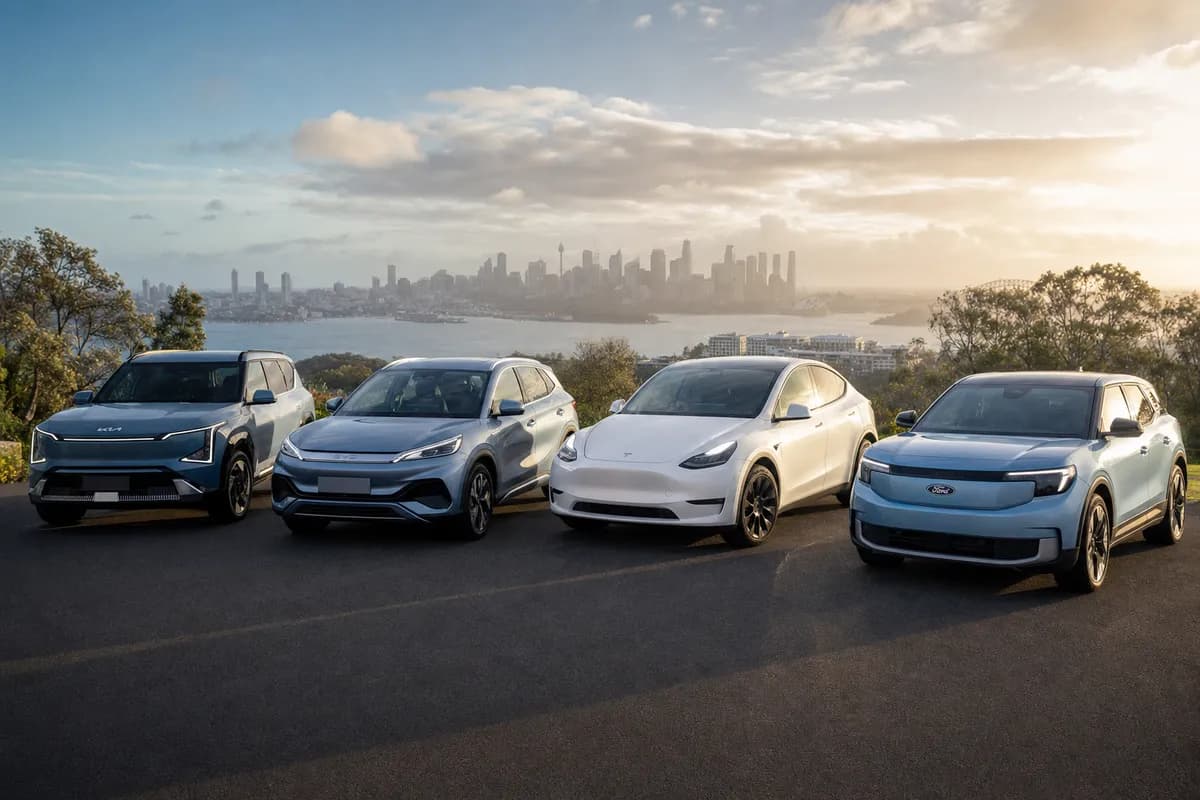
The 2027 Tesla Model Y Australia story starts with incumbency. Model Y has already done the hard work of becoming a default EV shortlist car for many households, and Tesla still benefits from strong brand recognition, simple grades, and access to a mature fast-charging ecosystem. If Tesla refreshes pricing, efficiency, and cabin quality at the right moment, Model Y should remain one of the market’s volume anchors.
But the gap has narrowed. Tesla no longer competes in a field with only a few serious alternatives. Buyers now compare Model Y against better-equipped Chinese rivals, more familiar legacy brands, and a growing number of family SUVs that look less experimental and more conventional.
BYD Sealion 7 Australia: value and packaging could make it a major disruptor
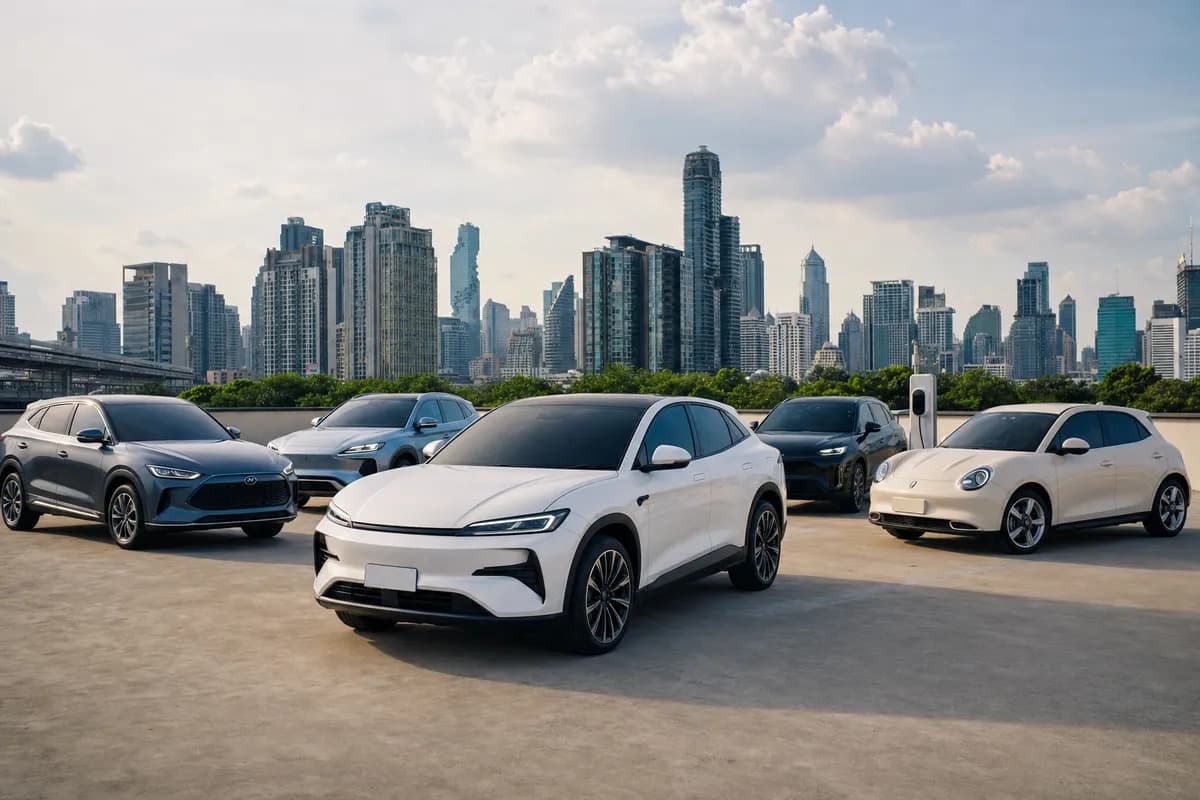
The BYD Sealion 7 Australia launch profile is almost tailor-made for this moment. It lands in the heart of the family-SUV market with the kind of pricing pressure that has already forced the rest of the industry to respond. If BYD keeps specification strong and supply healthy, Sealion 7 could become one of the most important non-Tesla EVs in the country.
Its opportunity is straightforward: many buyers want a practical electric SUV, but they do not want to pay a premium just to enter the segment. BYD has shown it can move volume when the price-equipment equation is right. Sealion 7 looks like the sort of product that can convert EV-curious households into actual buyers.
Kia EV5 Australia: the mainstream test case
The Kia EV5 Australia proposition is different. Kia is not selling novelty. It is selling familiarity, dealer reach, and a brand many Australians already trust for family transport. That could make EV5 one of the market’s most important bridge products, especially for buyers who want to step into an EV without stepping too far outside the mainstream.
For Kia, the challenge is avoiding a price mismatch. EV5 needs to sit close enough to high-spec combustion and hybrid SUVs to feel attainable. If it does, Kia can leverage one of the strongest retail footprints in the market and pull in buyers who might never have considered Tesla or BYD.
Ford Explorer EV: brand power meets a tougher local brief
The Ford Explorer EV has a recognizable badge and a chance to benefit from Ford’s broad appeal, but Australia is a harder test than Europe for a medium electric SUV with no local legacy in the EV space. Ford’s local strength is built heavily around Ranger and Everest. Turning that brand heat into EV sales will require careful positioning, competitive pricing, and confidence that public charging will support family-road-trip use.
Explorer EV could still matter if Ford uses it as a trust-building product rather than a halo model. A well-priced, well-equipped Explorer EV would give buyers another known-brand option in a segment where unfamiliarity still slows some purchase decisions.
- Best positioned on brand momentum: Tesla Model Y
- Best positioned on value disruption: BYD Sealion 7
- Best positioned for mainstream conquest sales: Kia EV5
- Biggest question mark with upside: Ford Explorer EV
Fuel-cost pressure is doing what incentives alone could not
Government policy helped open the door, especially through fringe benefits tax exemptions for eligible EVs under novated leasing. But the stronger force in 2026 is household economics. Australians have spent years absorbing high living costs, and fuel remains one of the most visible weekly expenses.
That matters because EV adoption often accelerates when buyers stop seeing the decision as ideological and start seeing it as financial. A driver covering long suburban distances can understand savings at a glance. Charge at home on a good tariff, avoid the servo, and the ownership case becomes easier to justify even before maintenance savings are counted.
Hybrids will still absorb some buyers who are not ready for full battery-electric ownership. But as EV prices soften and charging improves, the gap between “interested” and “ready” gets smaller. That is where July’s sales result becomes significant: it suggests more Australians are crossing that line now.
Can Australia charging network expansion keep pace?
This is the part that will decide whether a near-25% EV share becomes the new normal or just a high-water mark. Australia charging network expansion has improved materially, especially on key intercity routes and around major metro areas. But coverage quality still varies by state, operator uptime is inconsistent, and apartment charging remains a weak point.
Public fast charging does not need to replace home charging for most owners. It does need to remove anxiety around regional trips, holiday traffic, and households without off-street parking. That means the next phase is not just about adding plugs. It is about adding reliable, high-power sites in the right places.
- Where progress is strongest: major highways, metro fast-charging hubs, shopping-center destinations
- Where the gaps remain: regional redundancy, apartment access, uptime consistency, busy holiday corridors
- What buyers need next: more 150kW-plus sites, simpler payment, clearer pricing, and real-time availability that can be trusted
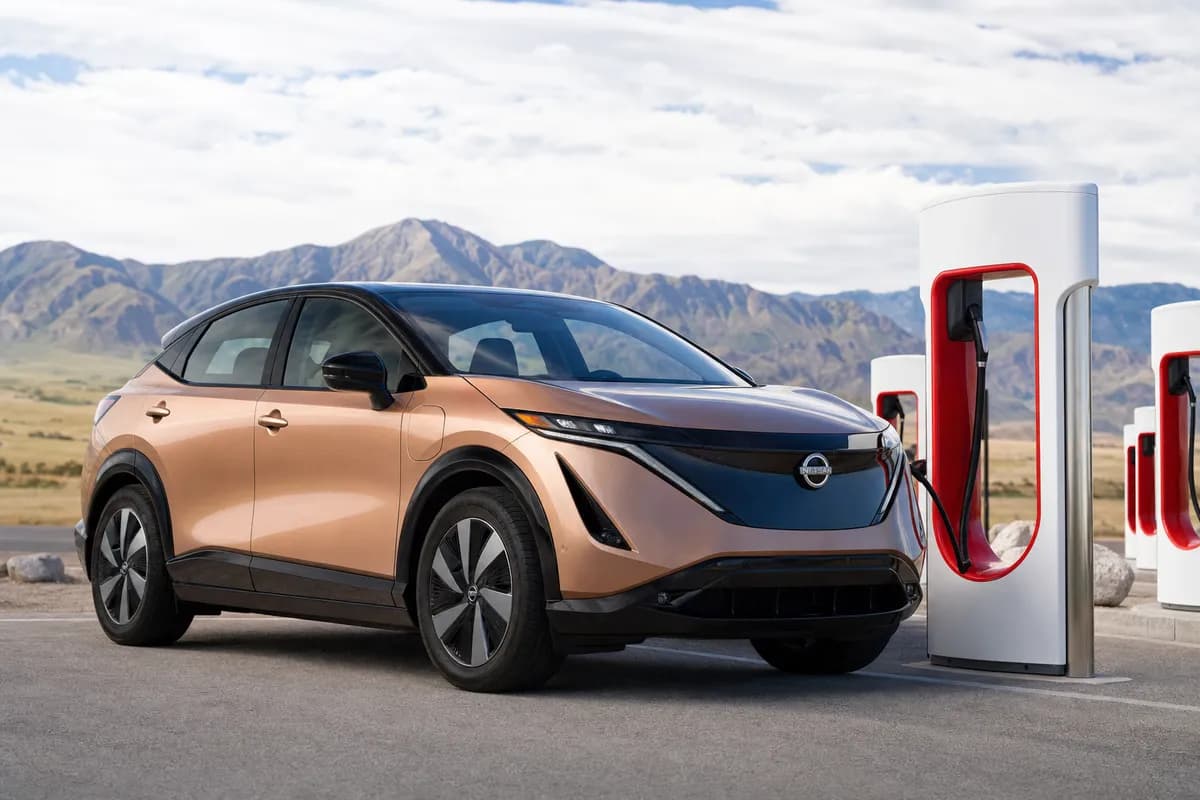
Tesla’s Supercharger network remains a major competitive advantage for Tesla owners, even as access broadens in some cases. For rival brands, partnerships with charging operators and route-planning integration are no longer optional extras. They are core parts of the ownership proposition.
Australia does not need perfect charging coverage for EVs to keep growing. It needs charging that feels dependable enough for ordinary buyers to stop thinking about it every day.
What this means for buyers in 2027
For shoppers, a stronger EV market usually brings better outcomes. More competition tends to lower prices, improve standard equipment, and force brands to sharpen warranties and finance offers. The 2027 field should also be more stable, with clearer resale trends and more owner data on battery durability and real-world running costs.
That does not mean every buyer should rush in. Households without home charging still need to think carefully about convenience. Rural buyers should pay close attention to route coverage, and anyone towing regularly will still find limits that matter more in EVs than in diesel SUVs and utes.
Still, the direction is clear. If Australia EV sales July 2026 reached nearly 25%, then 2027 will not be about whether EVs are becoming mainstream. It will be about which brands capture the mainstream first.
Verdict: the tipping point looks closer to real than rhetorical
Australia’s July 2026 EV result matters because it lines up three forces at once: stronger model choice, persistent fuel-cost pressure, and a charging network that is getting good enough in the places that matter most. That combination gives the market more momentum than it had during earlier sales spikes.
The 2027 Tesla Model Y Australia range is still likely to be one of the segment’s defining players, but it will face much tougher pressure from the BYD Sealion 7 Australia and Kia EV5 Australia in particular. Ford Explorer EV has an opening too, though it may need more aggressive positioning to capitalize. If Australia charging network expansion keeps improving at its current pace, July’s near-25% share may be remembered less as a peak and more as the point where the market finally turned.