Brake basics, trailer-weight reality checks, tire-and-spare strategy, and tasteful OEM-plus upgrades make modern three-row SUVs ready for weekend fun.
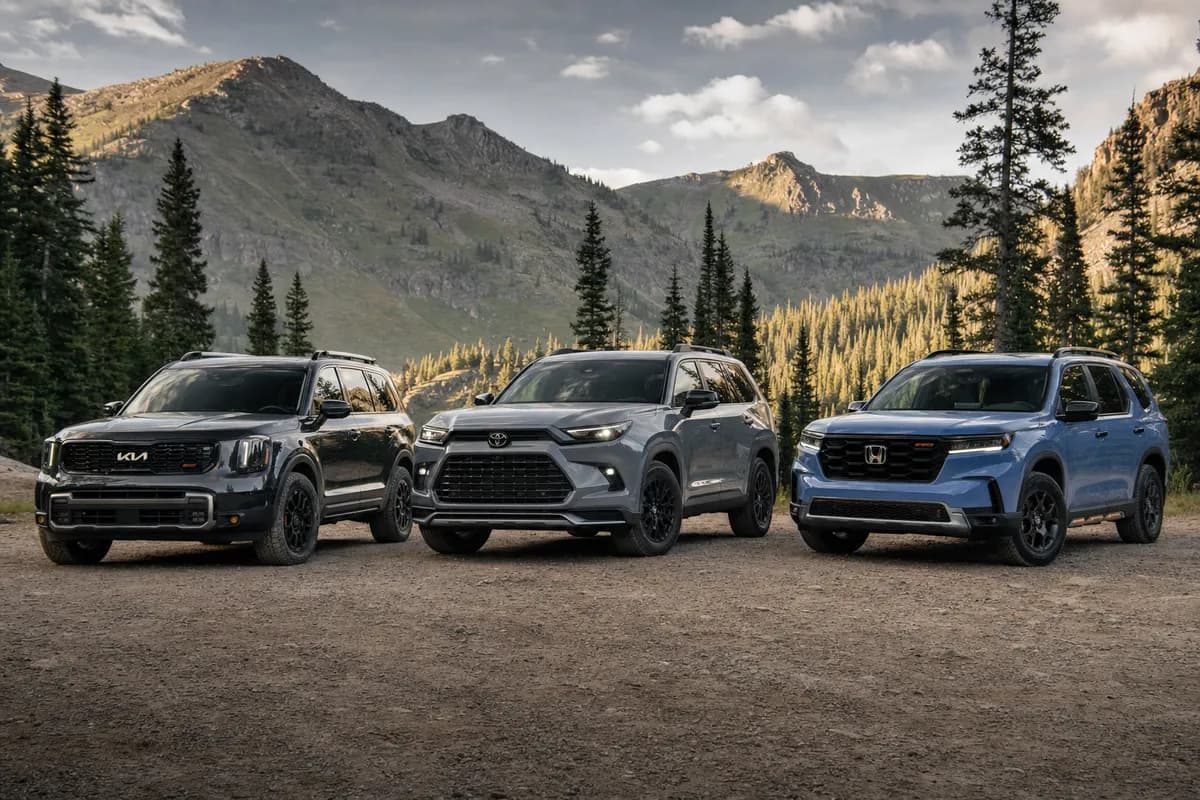
The lifted truck crowd still gets the spotlight, but a different kind of enthusiast scene is growing in driveways, campgrounds, and school pickup lines. Owners of the 2026 Honda Pilot TrailSport, 2027 Toyota Grand Highlander, and Kia Telluride X-Pro are building a smarter family adventure SUV community around DIY maintenance, towing realism, and clean OEM-plus upgrades.
That makes sense. These three-row rigs can haul kids, dogs, bikes, and a small trailer in one shot, and they do it without turning every road trip into a rolling compromise.
The New Family Adventure SUV Community Isn’t About Looking “Built”
For a lot of owners, the appeal is simple: they want one vehicle that can handle a 500-mile interstate run, a muddy campsite access road, and a week of normal life. The 2026 Honda Pilot TrailSport, 2027 Toyota Grand Highlander, and Kia Telluride X-Pro all fit that brief better than the old body-on-frame family hauler formula for people who spend 95 percent of their time on pavement.
What is changing is the enthusiast mindset. Instead of chasing flashy lifts, giant wheels, and bolt-on accessories that age badly, this crowd is leaning into three-row SUV OEM plus upgrades that look factory, drive better, and can be reversed when the lease is up or the family’s needs change.
These SUVs also have real hardware that encourages tinkering. The Pilot TrailSport brings all-terrain tires and a more dirt-road-friendly setup from the factory. The Telluride X-Pro adds a tow-focused persona and taller sidewall tire package. The Grand Highlander gives families a huge cabin and solid road-trip range, then invites owners to think carefully about payload, tongue weight, and how much “tow rating” they can actually use in the real world.
Brake-Service Basics Every DIY Owner Should Know
Modern three-row SUVs are heavy before you add people, cargo, and a trailer. That means brakes live a hard life, especially on mountain trips, stop-and-go vacations, and boat-ramp duty. If you are serious about family reliability, brake service matters more than another set of cosmetic add-ons.
The basics are not glamorous, but they pay off. Inspect pad thickness, rotor condition, brake fluid age, and caliper slide-pin movement at every tire rotation or at least every 5,000 to 7,500 miles. A sticky slide pin or glazed pad will show up long before a warning light does.
- Honda Pilot TrailSport: Watch for uneven inner-pad wear if slide hardware gets neglected after muddy or salty use.
- Toyota Grand Highlander: If used for regular highway family duty, brakes may last well, but towing or loaded mountain travel can shorten pad life fast.
- Kia Telluride X-Pro: Owners doing frequent short trips and occasional towing should inspect rear pads sooner than expected.
Brake fluid is the sleeper maintenance item here. Most owners think in terms of pads and rotors, but fluid absorbs moisture over time, which lowers boiling resistance and can make a heavy SUV feel soft or inconsistent on long descents. A fluid exchange every two to three years is cheap insurance if your family rig sees towing, steep grades, or humid climates.
For DIY work, stay disciplined. Torque wheels correctly, clean hub faces, lubricate slide points with the right grease, and bed in new pads properly. That is the kind of Kia Telluride X-Pro DIY maintenance and Pilot or Toyota garage work that actually changes how the vehicle feels on a trip.
Trailer-Weight Reality Checks Beat Brochure Bragging Rights
This is where many family SUV owners get tripped up. Max tow ratings sound impressive, but they are not the full story. Payload, passenger count, cargo, hitch weight, and frontal area often limit you before the advertised tow number does.
The 2026 Honda Pilot TrailSport is typically discussed in the 5,000-pound class when properly equipped. The Kia Telluride X-Pro is also marketed around a 5,000-pound towing ceiling in the right configuration. The 2027 Toyota Grand Highlander depends heavily on powertrain and equipment, but many shoppers focus on the higher towing figures without thinking through how fast a full family eats into available payload.
Here is the reality check. A three-row SUV loaded with two adults, three kids, a cooler, luggage, a dog, and a hitch-mounted storage tray may already be carrying 700 to 1,000 pounds before trailer tongue weight enters the picture. Add 10 to 15 percent tongue weight from a camper or utility trailer, and the margin gets thin in a hurry.
- Check the driver’s door-jamb payload sticker, not just the brochure.
- Weigh the loaded SUV at a public scale before a big towing trip.
- Estimate trailer tongue weight realistically at 10 to 15 percent of total trailer weight.
- Remember cargo behind the rear axle changes feel and can amplify sag or sway.
That is why smart 2027 Toyota Grand Highlander towing tips start with honest math, not internet bravado. A 3,500-pound trailer loaded well and towed calmly is often a happier setup than trying to flirt with the top of the rating just because the spec sheet says you can.
Owners building these vehicles for family travel are also learning to leave speed and ego out of the equation. Weight-distributing hitches, trailer brake controllers where applicable, fresh transmission fluid on severe-use schedules, and conservative cruise speeds do more for safety and drivability than any badge-engineered “adventure” package ever will.
Tire-and-Spare Strategy Matters More Than Most Mods
If there is one upgrade category that changes everything, it is tires. The right tire can sharpen steering, improve rain performance, handle gravel roads better, and reduce puncture anxiety without wrecking fuel economy or cabin noise. The wrong tire can do the exact opposite.
This is especially relevant for owners researching 2026 Honda Pilot TrailSport mods. The temptation is to jump straight to the most aggressive all-terrain tire that fits, but that can add weight, increase braking distances, and make a family SUV feel slower and less refined. For vehicles that spend most of their lives on pavement, a mild all-terrain or rugged all-weather tire is often the sweet spot.
- Best use case: mostly pavement, occasional dirt roads — choose a mild all-terrain with strong wet grip and a 3PMSF rating if winter travel matters.
- Best use case: frequent towing — prioritize load rating, heat resistance, and stable sidewalls over aggressive tread looks.
- Best use case: long family highway trips — focus on low noise, even wear, and easy nationwide replacement availability.
The spare-tire conversation is just as important. Many modern family SUVs carry a compact spare, and some trims or configurations can complicate full-size spare fitment. If you are running larger tires, test whether the spare is still usable front and rear, and know what your roadside plan is before you are stuck on a Sunday night in a national forest access lot.
A smart strategy can include a matching full-size spare when packaging allows, a quality plug kit, a portable air compressor, and a torque wrench for wheel reinstallation. That is not glamorous content for social media, but it is exactly how the family adventure SUV community is separating useful builds from decorative ones.
OEM-Plus Mods That Actually Improve These SUVs
The best upgrades for these platforms are the ones your spouse appreciates, your kids never notice, and your mechanic does not curse. Think function, fit, and reversibility. Clean execution beats catalog overload every time.
For the Pilot TrailSport, Grand Highlander, and Telluride X-Pro, the most effective upgrades usually support comfort, cargo management, towing stability, and light-trail durability. None of them need to look like a sema-project rescue mission to work better.
- All-weather floor and cargo protection: Worth it for sand, muddy shoes, and dog duty.
- Crossbars and a low-profile cargo box: Better for family packing than a basket that howls in the wind.
- Factory-style hitch and wiring: Cleaner integration, better sensor compatibility, fewer headaches.
- Upgraded recovery points or underbody protection where available: Helpful on rutted access roads, not for rock-crawling fantasies.
- LED interior and cargo-area lighting: Small change, big usability gain on night arrivals.
- Rear suspension support solutions for towing: Useful when properly chosen, but avoid band-aids that mask overload.
- Dash cam and battery monitor: Quietly smart for long family travel.
There is also a growing appreciation for maintenance-based “mods.” A fresh alignment after tire changes, higher-quality pads matched to your use case, upgraded wiper performance, and better engine-air and cabin-air filter discipline all make these SUVs nicer to live with. That is a healthier ownership culture than bolting on fake beadlock wheels and ladder accessories that never touch dirt.
Verdict: The Smart Money Is on Useful, Reversible Upgrades
The most interesting thing about the 2026 Honda Pilot TrailSport, 2027 Toyota Grand Highlander, and Kia Telluride X-Pro is not that they can cosplay as hardcore off-roaders. It is that they have become the new blank canvas for owners who want honest capability, DIY confidence, and a cleaner take on enthusiast culture.
If you keep brake service ahead of schedule, treat tow ratings as a starting point instead of a dare, choose tires with your real driving life in mind, and stick to tasteful OEM-plus improvements, these SUVs get better in all the ways that count. They stay comfortable. They stay dependable. And they do not look tacky pulling into a resort, a campsite, or the school line on Monday morning.
That is why this scene is growing. These families are not chasing attention. They are building better road-trip tools, one smart upgrade and one well-timed maintenance job at a time.
Affiliate disclosure: This article contains affiliate links. RevvedUpCars may earn a small commission on qualifying purchases at no extra cost to you.