July 2026 is tightening used-EV prices across Europe, pushing down residual values and lease deals, and leaving buyers to decide whether to wait.
Europe’s used-EV market is under fresh pressure in July 2026. That matters well beyond the classifieds, because falling second-hand prices are now feeding directly into lease quotes, factory incentives, and the timing question facing buyers eyeing the next wave of mainstream electric SUVs and hatchbacks.
For shoppers considering a 2027 Volkswagen ID.4 lease, a Tesla Model Y, a BMW iX1, or a value-led MG4, the issue is simple: weaker residual values make monthly payments harder to keep low unless automakers cut prices or subsidize finance. The result is a market that looks cheaper on the used side, but less straightforward for anyone ordering new.
Why Europe EV residual values are slipping again in 2026
The basic mechanics are unchanged, but the squeeze is getting sharper. New-car price cuts in 2023 through 2025, heavy fleet supply, and rapid improvements in battery range and software have all hurt the resale outlook for older EVs across Europe.
In July 2026, that pressure is being amplified by inventory. More ex-lease EVs are returning to the market just as many private buyers remain price-sensitive and still compare them against discounted combustion and hybrid alternatives. That is a bad mix for Europe EV residual values 2026.
Residual value is the forecast of what a car will be worth at the end of a finance or lease term. When that forecast drops, monthly lease payments rise unless the manufacturer, captive finance arm, or dealer steps in with support. In other words, weak used prices do not automatically mean cheap new EV leases.
Battery health concerns also continue to weigh on some mainstream used EVs, even where real-world degradation has proved manageable. Buyers still discount for uncertainty, and that caution is strongest in price-sensitive segments where a few thousand euros can shift demand quickly.
What the used market is signaling for Model Y, iX1, ID.4, and MG4
The pattern is not identical across brands. Tesla’s repeated price resets set the tone for the wider market, while legacy brands are trying to defend values with equipment changes, incentives, and tighter fleet management.
Tesla Model Y used prices Europe remain one of the clearest reference points. Across several large markets, late-2023 and 2024 Model Y examples have continued to soften as newer cars gained updated hardware, improved efficiency, and sharper transaction pricing. Buyers like the product, but they have learned to expect movement in Tesla pricing, which weakens confidence in future resale.
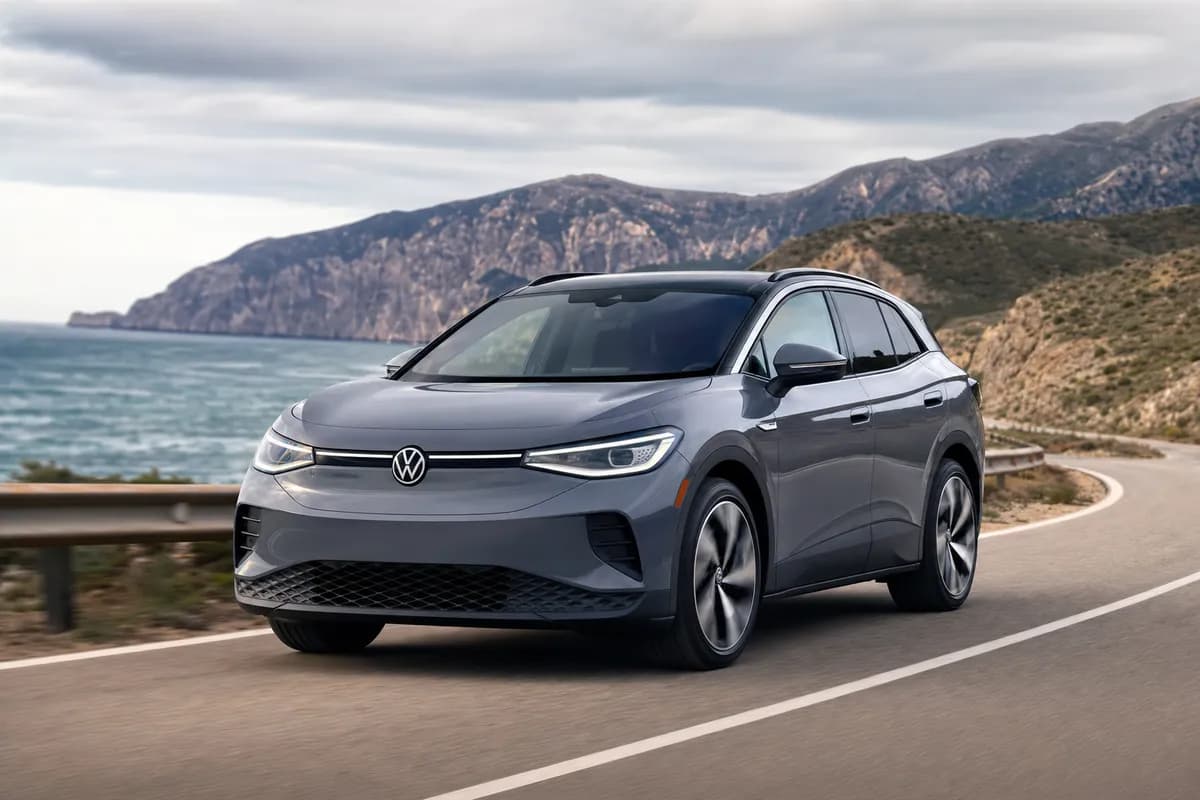
The Volkswagen ID.4 sits in a more conventional volume crossover space, but it faces a similar problem. Heavy competition from the Model Y, Peugeot E-3008, Renault Scenic E-Tech, Kia EV5 in some markets, and Chinese-branded rivals has made list-price discipline harder to maintain. That matters as Volkswagen prepares the 2027 model-year pitch.
BMW iX1 residual value has generally held up better than more aggressively discounted mass-market EVs, helped by badge strength and stronger spec mix. But even premium compact EVs are not immune. If used transaction values slip faster than expected, BMW Financial Services either has to absorb more risk or pass some of that into higher monthly rates.
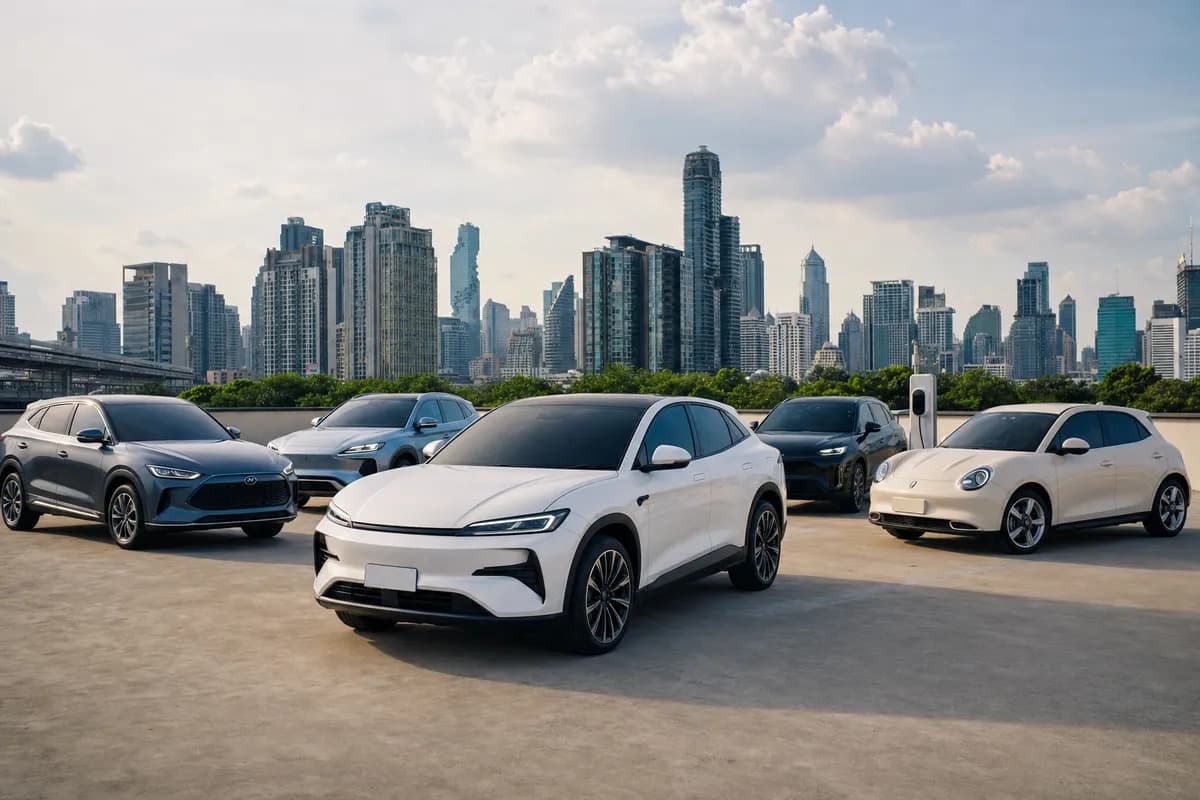
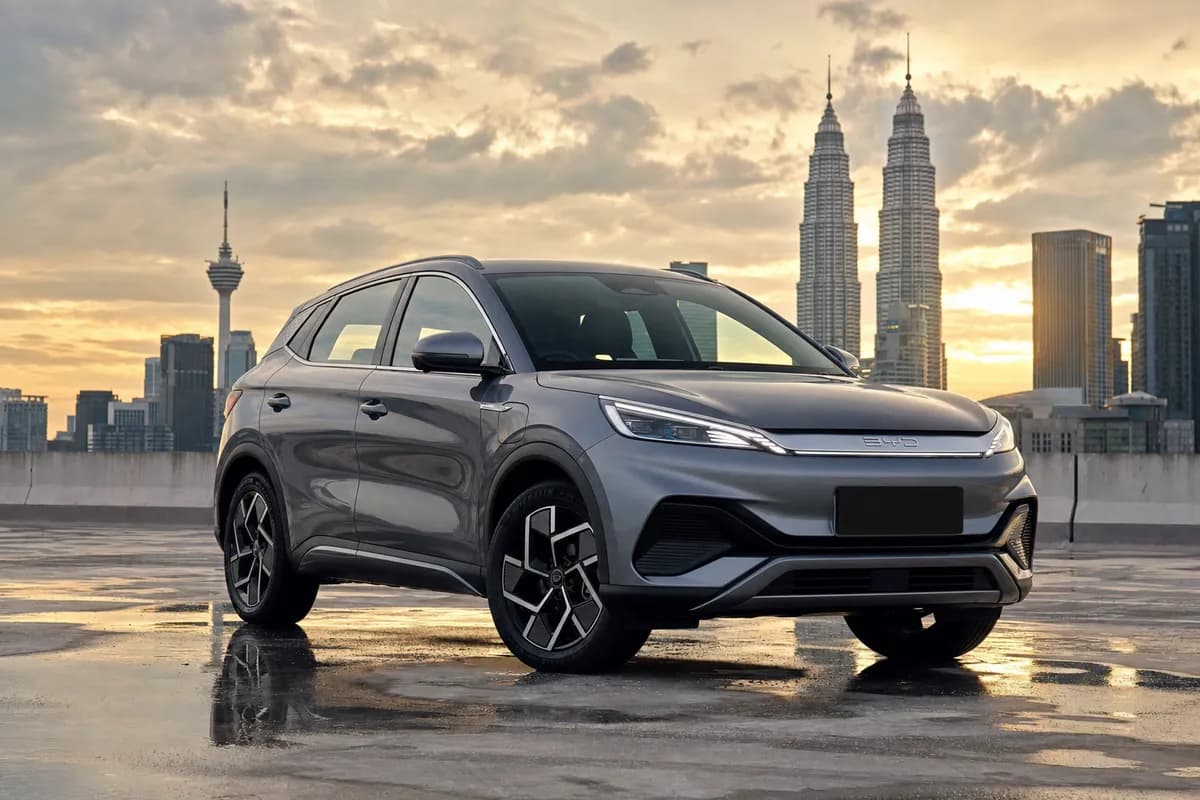
The MG4 depreciation 2026 story is the most revealing at the affordable end of the market. MG’s sharp new-car pricing made the model one of Europe’s standout EV value plays, but it also left less room to protect used values once supply built and rivals discounted. For second owners, that can look attractive. For first owners and leasing companies, it is a warning sign.
- Tesla Model Y: Strong demand, but used values remain vulnerable to further new-car price moves.
- Volkswagen ID.4: Caught between mainstream volume ambitions and intense pricing pressure in the electric SUV segment.
- BMW iX1: More resilient than many rivals, though premium-badge strength no longer guarantees firm residuals.
- MG4: Low entry pricing helps used buyers, but faster depreciation can unsettle leasing economics.
Why falling residuals can make the 2027 Volkswagen ID.4 lease more expensive
A lease payment is built around depreciation, interest, and fees. If the projected end-of-term value falls, the customer pays for a larger chunk of the car’s value over the contract period. That is why lower used prices can push monthly costs up even when the showroom sticker stays the same.
For the 2027 Volkswagen ID.4 lease, Volkswagen has a few options. It can lower list prices, add dealer cash, offer subsidized money factors or interest rates, or set more aggressive residuals and absorb more risk. None of those choices is painless.
If VW cuts prices too hard, it risks hurting existing owners and depressing future residuals again. If it props up lease deals with finance support, margins take the hit. That is the central challenge now facing nearly every volume EV brand in Europe.
Tesla has approached the issue differently by moving retail pricing quickly and letting the market reset. BMW tends to use brand positioning and richer trim levels to support values. MG often competes with headline affordability. Volkswagen sits in the middle, and that middle ground is getting harder to defend.
For buyers comparing lease quotes in the second half of 2026, expect wide variation by market. Germany, the UK, France, the Netherlands, and the Nordics all have different tax structures, incentives, and fleet dynamics. But the direction is broadly the same: if residual assumptions weaken, headline monthly deals need more factory help to stay attractive.
Should buyers wait, or does July 2026 already favor used-EV shoppers?
The answer depends on whether you are buying used, financing new, or leasing. Used buyers are in the strongest position today because price discovery is moving in their favor. New-car buyers and lessees need to be more selective.
If you want a nearly new EV, this is already a better market than it was a year ago. The combination of more stock and weaker resale expectations is creating real opportunities, especially on high-volume cars with large fleet exposure. The Tesla Model Y and Volkswagen ID.4 are obvious examples, while some MG4 variants now look particularly competitive on a euros-per-kWh and euros-per-kilometer basis.
If you are focused on a brand-new car, waiting could bring better manufacturer support later in 2026 or into early 2027. That is especially true for nameplates facing fresh competition or upcoming updates. But waiting is not risk-free, because interest rates, incentives, and list prices can all move in different directions.
For lease customers, the key is not just the monthly number. Look at total cost over the full term, mileage limits, excess-wear rules, and whether the deal is subsidized enough to offset weak future resale. A cheap-looking lease can still disappoint if the structure is tight.
- Buy used now if you want the best value and can accept a car that is one to three years old.
- Shop new aggressively if you qualify for fleet, salary-sacrifice, or business-user offers that hide some of the residual-value pain.
- Wait for better lease support if your target is a mainstream new EV and current monthly quotes still look high relative to the sticker price.
Verdict: falling used prices are good news for buyers, but not for every kind of buyer
The worsening Europe EV residual values 2026 picture is not a sign that demand for EVs has collapsed. It is a sign that the market is maturing, supply is broadening, and pricing is still adjusting after years of rapid change. That adjustment is painful for lessors, fleets, and brands trying to protect margins.
For consumers, the takeaway is more practical than dramatic. If you are shopping used, July 2026 is increasingly attractive. If you want a new EV, especially on lease, weak residuals can make deals look worse before automakers step in with stronger incentives.
That is why the next few months matter for cars like the 2027 Volkswagen ID.4, the Tesla Model Y, the BMW iX1, and the MG4. The winners will be the brands that balance list prices, lease support, and resale confidence without triggering another round of value destruction. For now, buyers should assume one thing: the used market is getting cheaper faster than the new market, and that gap is shaping Europe’s EV battleground for 2027.
Affiliate disclosure: This article contains affiliate links. RevvedUpCars may earn a small commission on qualifying purchases at no extra cost to you.