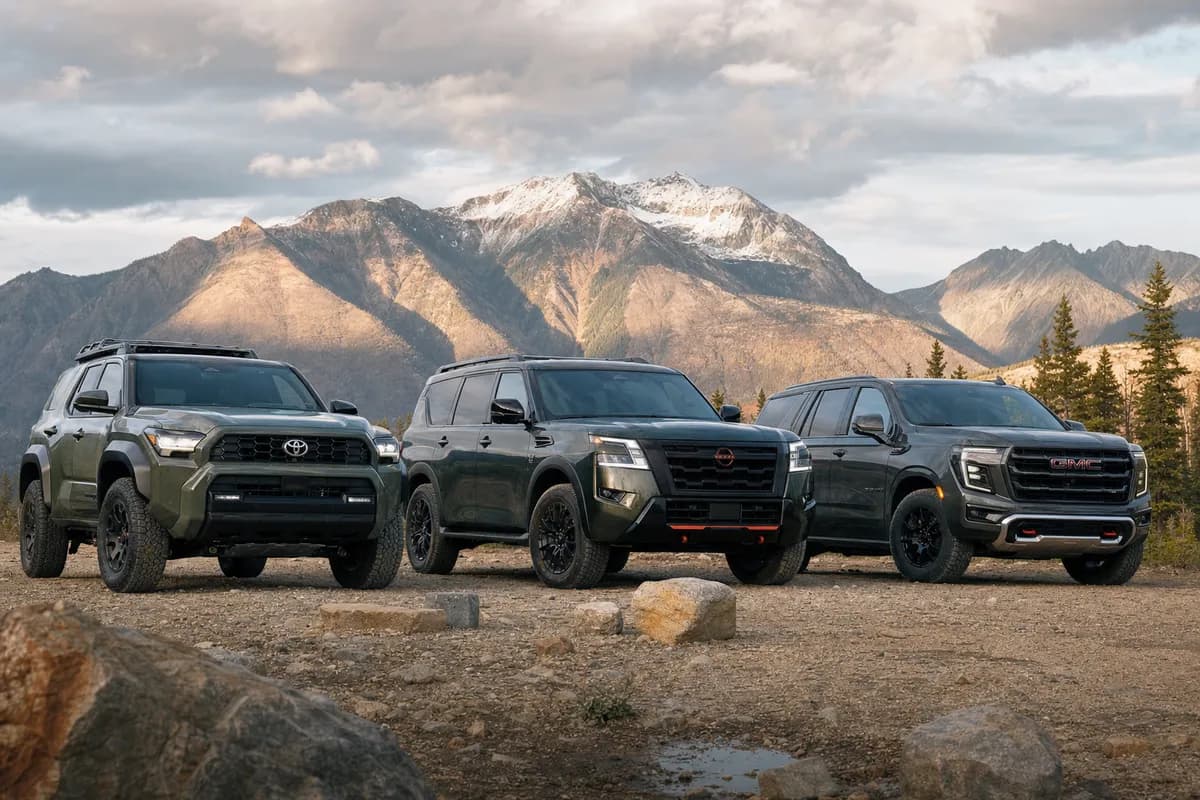
These 4Runner, Armada, and Yukon AT4 owners share smart, reversible trail upgrades that boost capability while planning tire loads and brake heat.
The newest family trail rigs are getting built in driveways, not on social media sound stages. Owners of the 2026 Toyota 4Runner Hybrid, 2027 Nissan Armada PRO-4X, and 2026 GMC Yukon AT4 are chasing capability with smart, reversible upgrades that keep warranty risk, daily comfort, and resale value in check.
That shift has sparked a new DIY adventure SUV community. The shared goal is simple: make big, expensive, kid-hauling 4x4s work better on dirt, gravel, snow, and long road trips without turning them into tacky cosplay overlanders.
The New Adventure SUV Crowd Isn’t Building Show Trucks
The 2026 4Runner Hybrid brought Toyota’s latest body-on-frame midsize into the same conversation as larger family rigs because it blends real trail hardware with better low-speed torque and better everyday efficiency. At the same time, the 2027 Nissan Armada PRO-4X and 2026 GMC Yukon AT4 pulled full-size buyers toward a more practical style of modification: less chrome catalog, more function per dollar.
These owners are not cutting fenders for 37s or hanging steel off every corner. They are choosing upgrades they can bolt on over a weekend, test on a camping trip, and remove before trade-in if needed. That is why searches for 2026 Toyota 4Runner Hybrid mods, 2027 Nissan Armada PRO-4X DIY, and 2026 GMC Yukon AT4 overlanding upgrades have spiked alongside interest in legal lighting, tire sizing, and roof storage planning.
The common thread is family use. A 4Runner Hybrid might spend Monday in the school drop-off line, Friday on the interstate, and Saturday climbing a rutted forest service road. An Armada PRO-4X or Yukon AT4 might be towing, carrying six people, and still expected to handle washboard roads without cooking brakes or smashing sidewalls.
Tire Load Ratings Matter More Than Tread Pattern
If you want one topic that separates experienced SUV owners from first-time modders, this is it. On modern family rigs, the tire’s load index and construction usually matter more than the most aggressive-looking sidewall.
The 2026 Toyota 4Runner Hybrid sits in a different weight class than the 2027 Armada PRO-4X and 2026 Yukon AT4. A midsize SUV can often tolerate a slightly lighter all-terrain tire without hurting ride quality too badly, while full-size SUVs need a tire that can handle higher curb weight, passengers, gear, and tongue weight if a trailer is involved.
What owners are learning the hard way
- P-metric tires often ride softer, but they can feel vague once you add cargo, rooftop gear, or rough terrain.
- LT tires add sidewall strength and puncture resistance, but they are heavier and can lengthen braking distances if you overshoot the right size and load range.
- Load index is not a decoration. It needs to support the SUV at full real-world weight, not empty-curb-weight fantasy.
- Unsprung weight affects everything: acceleration, brake heat, steering feel, and hybrid efficiency in the 4Runner.
For the adventure SUV tire load rating guide crowd, the sweet spot is usually a modest upsizing, not a massive jump. On the 4Runner Hybrid, many owners are targeting 33-inch-class all-terrains in a size that keeps gearing, spare-tire fitment, and crash-structure clearance sane. On the Armada PRO-4X and Yukon AT4, owners are leaning toward load indexes that preserve stability under family-trip payloads instead of blindly copying half-ton pickup fitments.
A good rule from the shop floor: weigh how you actually travel. If your SUV regularly carries four or five people, a cooler, recovery gear, and a cargo box, choose tires for that reality. The right tire is the one that keeps the footprint stable, the brakes happy, and the steering predictable at 75 mph in summer heat.
Brake Heat Management Is the Upgrade Nobody Brags About
Big SUVs build speed easily and shed it with effort. Add taller tires, mountain descents, long dirt-road corrugations, or a loaded cabin, and brake temperature becomes a real part of the conversation.
This is especially relevant for the 2027 Nissan Armada PRO-4X and 2026 GMC Yukon AT4 because both can carry serious mass before you ever hook up a trailer. The 2026 Toyota 4Runner Hybrid has the advantage of hybrid assistance and likely better low-speed efficiency, but once you add heavier wheels and tires, the brake system still has more rotating mass to manage.
Reversible brake-focused mods owners actually use
- High-quality pads with better fade resistance than the cheapest replacement compounds.
- Fresh high-temp brake fluid before summer road trips or mountain travel.
- Slotted or premium coated rotors where available, mainly for heat management and consistency.
- Wheel choices with better airflow instead of heavy, closed-face styles that trap heat.
- Staying conservative on tire weight, because every extra pound makes the brakes work harder.
The smartest DIY owners are also adjusting driving habits. They are using tow/haul modes, manual gear selection, low-range where appropriate, and engine braking on descents. That sounds basic, but it is exactly how you keep a family SUV from frying pads halfway through a national park trip.
If you have upgraded to a more aggressive tire package and suddenly notice longer pedal travel after a downhill section, do not ignore it. The flashy mod is the wheel-and-tire combo. The adult mod is making sure the brakes can live with it.
Roof-Rack Weight Planning Is Where Good Builds Stay Good
Roof racks are useful, but they are also where many clean builds go wrong fast. The problem is not the rack itself. The problem is owners confusing static load ratings, dynamic load ratings, and what their SUV actually feels like when 150 to 250 pounds moves above the center of gravity.
The 2026 4Runner Hybrid invites rooftop temptation because it looks right with a slim cargo platform. The Armada PRO-4X and Yukon AT4 have even more room to swallow gear, which makes them even easier to overload up top when a hitch basket or interior cargo plan would have been smarter.
Roof-rack planning rules that save handling and sheetmetal
- Know the rack rating and the factory roof rating. Use the lower number, not the bigger one from the marketing page.
- Separate dynamic and static load limits. Dynamic is what matters while driving. Static is for parked loads, such as a tent system.
- Put heavy items low. Water, tools, recovery boards in metal mounts, and full-size spare tires all add up quickly.
- Account for crosswinds and emergency maneuvers. Full-size SUVs already carry height and mass. Extra roof weight makes lane changes and off-camber trails less friendly.
- Watch garage and trail clearance. A low-profile rack can still become an expensive branch magnet.
For most families, the best roof setup is boring in the best way: a quiet platform, light brackets, and only bulky-but-light items up top. Think camp chairs, soft bags, and maybe traction boards. Leave fuel cans, spare wheels, and toolboxes somewhere lower.
The Best Reversible Mods Are the Ones You Notice Every Day
The rising appeal of reversible family off-road SUV mods comes down to simple math. These trucks and SUVs are not cheap, and most owners do not want to drill into bodywork, delete safety systems, or make the cabin miserable just to gain a little trail cred.
That has pushed the community toward upgrades that improve capability without changing the character of the vehicle. The best ones work on the highway, in bad weather, and at the campsite.
Popular no-drama upgrades across all three SUVs
- Quality all-terrain tires in a sensible size.
- Alignment tuned for tire wear and highway stability after any suspension change.
- Front skid plates or transmission protection using factory-compatible mounting points.
- Recovery points and a compact recovery kit instead of decorative accessories.
- Interior cargo management with drawers, tie-downs, and reversible organizers.
- Mud flaps or splash guards that reduce paint damage on gravel roads.
- OEM-plus lighting upgrades that improve visibility without turning the vehicle into a rolling light bar.
There is also a strong anti-tacky streak in this community, and honestly, that is refreshing. Owners are skipping giant decals, fake beadlocks, angry grilles, and overloaded roof setups in favor of clean wheel offsets, practical ride heights, and accessories that can be removed with hand tools.
The 4Runner Hybrid crowd tends to favor lighter-weight upgrades that protect fuel economy and preserve ride quality. Armada PRO-4X owners are focusing on payload-aware tire and brake choices. Yukon AT4 owners are often building the best long-distance family rigs of the bunch, with a little more emphasis on cargo solutions, underbody protection, and towing-friendly setups.
Verdict: Smart SUV Builds Are Winning Because They Actually Get Used
The real story behind the 2026 4Runner Hybrid, 2027 Armada PRO-4X, and 2026 Yukon AT4 scene is not extreme modification. It is disciplined modification. Owners are building capable adventure SUVs with better tires, better brake heat control, smarter roof loads, and bolt-on parts that respect daily driving, family duty, and resale value.
That is why this DIY community is growing fast. These rigs are being set up to travel farther, carry more, and handle rough roads with less drama, not to look wild in a parking lot. If you want a build plan that still makes sense a year from now, that is the lane to stay in.
Affiliate disclosure: This article contains affiliate links. RevvedUpCars may earn a small commission on qualifying purchases at no extra cost to you.