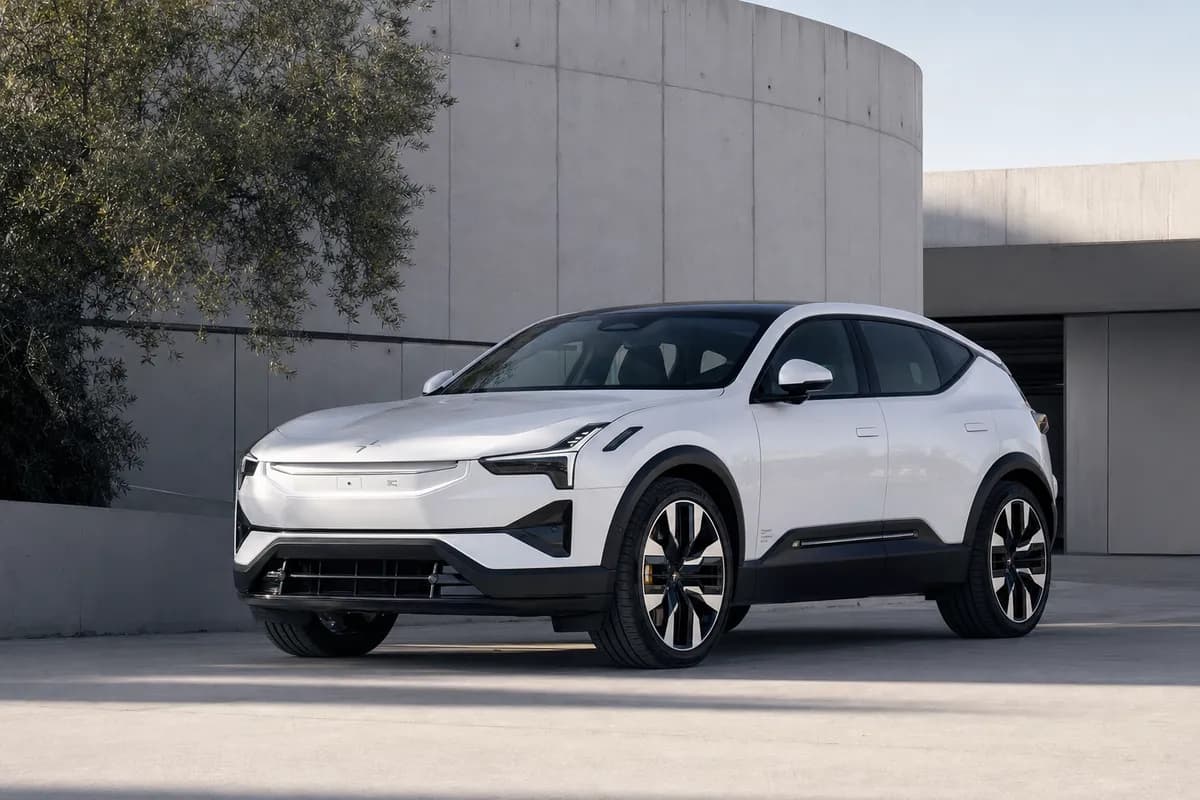
Polestar’s U.S. sales freeze begins June 2026 under China-linked connected-car rules. Here’s how it affects the 2027 Polestar 2 and EV buyers.
Polestar’s U.S. retail pipeline is heading into a hard stop. New federal rules targeting China-linked connected-car hardware and software are set to block the sale of certain imported smart vehicles from June 2026, putting the 2027 Polestar 2 and potentially other models squarely in the crosshairs.
For shoppers, this is no longer an abstract trade-policy story. It could affect what you can buy, what dealers can deliver, how software features are supported, and which imported EVs remain viable in the U.S. market through 2026 and 2027.
Why Polestar is exposed to the new U.S. connected-car restrictions
The core issue is not that Polestar sells electric cars. The problem is that modern EVs are rolling computers, packed with telematics modules, cameras, Bluetooth, cellular links, over-the-air update systems, and software that can transmit vehicle and location data.
The new China-linked connected vehicle rules are designed to keep certain hardware and software tied to Chinese entities out of the U.S. light-vehicle fleet. If a vehicle’s connected systems fall under the ban, automakers would be barred from selling new affected models in the U.S. once the rule takes effect in June 2026.
That creates a direct risk for Polestar because its lineup is deeply international. The Polestar 2 has been sourced for global markets from China, while the Polestar 3 for the U.S. market has been tied to production in South Carolina, with some supply-chain and software questions still highly relevant under any connected-vehicle screening regime.
For buyers searching terms like Polestar U.S. ban June 2026, the practical takeaway is simple: this is not a blanket ban on all EVs from China, and it is not automatically a permanent shutdown of the brand. It is a compliance problem centered on connected-car systems, supplier relationships, and whether Polestar can re-engineer vehicles quickly enough for U.S. approval.
What the June 2026 ban could mean for the 2027 Polestar 2 and Polestar 3
The most vulnerable vehicle is the 2027 Polestar 2. If that model year continues to rely on China-linked connected hardware, telematics, or software stacks covered by the rule, Polestar may not be able to import and sell it in the United States after the June 2026 deadline.
The Polestar 2 is especially exposed because it has been one of the clearest examples of a software-heavy imported EV. It runs Google-based infotainment, depends on over-the-air updates, and packs the kind of always-connected architecture regulators are now scrutinizing much more aggressively.
The Polestar 3 U.S. market outlook is more nuanced. U.S. assembly in South Carolina gives Polestar a better shot at staying on sale, but local assembly alone does not solve the regulatory problem if key connected systems or software suppliers still fall under the restriction.
That means the June 2026 deadline could split Polestar’s range in two:
- Polestar 2: highest risk of a sales interruption if U.S.-compliant hardware and software are not in place.
- Polestar 3: potentially more secure due to U.S. production, but still dependent on supplier and software compliance.
- Future models: their U.S. viability will depend less on badge origin and more on where critical connected components and code come from.
This is why the rule matters beyond one automaker. It turns connected architecture into a gatekeeper for market access.
What happens to current owners, dealer service, and software support?
Current owners should separate two issues: selling new cars and supporting cars already on the road. A ban on new-vehicle sales does not automatically mean existing Polestar 2 or Polestar 3 vehicles become illegal to drive, unregisterable, or suddenly unsupported.
Dealer service should continue for routine maintenance, repairs, recalls, tires, brakes, and parts supply, assuming parts remain available through normal channels. Polestar’s service partners and retail footprint may face added pressure if new sales pause, but service obligations to existing customers do not disappear.
The bigger gray area is software. If regulators restrict certain connected systems, automakers may need to modify over-the-air update pathways, replace specific modules, or certify revised software stacks for U.S. vehicles.
Owners should watch for changes in these areas:
- Over-the-air update timing or temporary pauses
- Connected app features and remote services
- Telematics hardware swaps or retrofit campaigns
- Navigation, data-sharing, and in-car connectivity terms
Resale values could also move. If a model is frozen out of new U.S. sales, used demand can go either way: scarcity may help values for a time, but uncertainty over software support and long-term parts sourcing can weigh on pricing.
Which other imported smart cars could be affected?
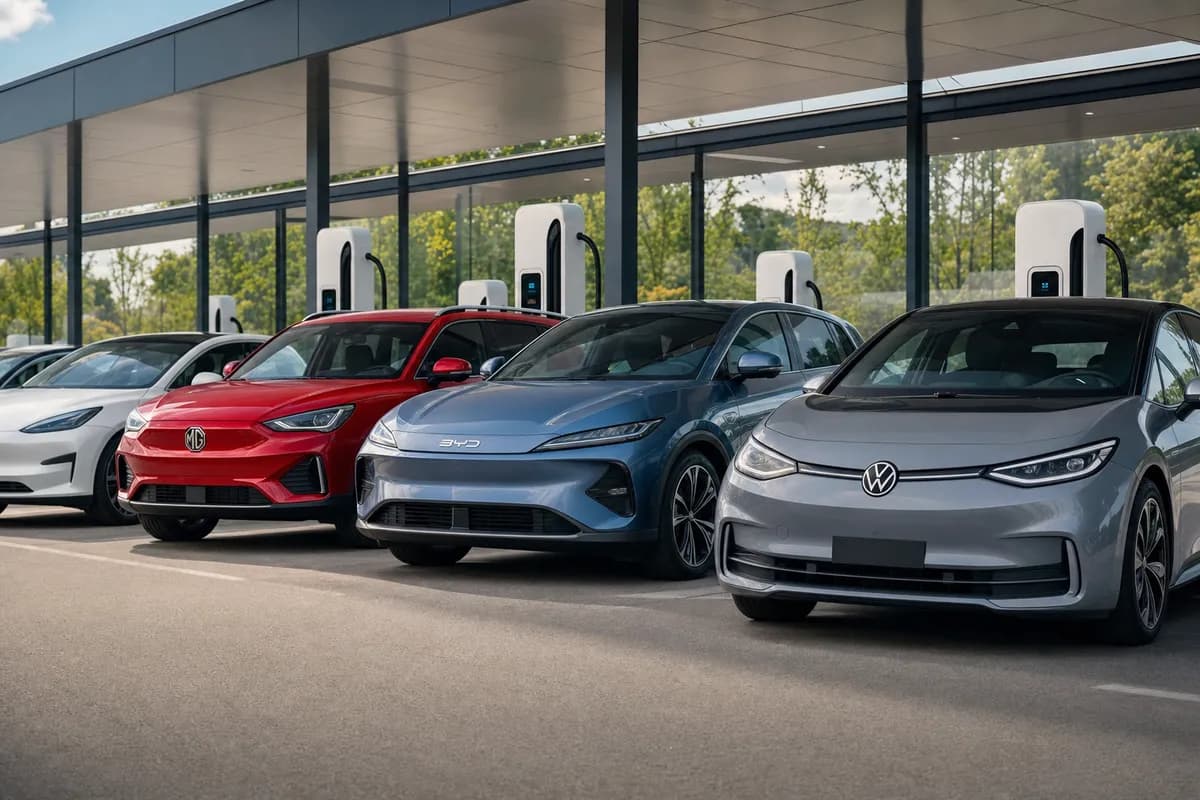
Polestar is the headline case because it sits at the intersection of premium EV demand, Chinese manufacturing exposure, and software-defined vehicle design. But the broader issue is much larger than one brand.
Any automaker selling imported EVs with software restrictions tied to covered Chinese suppliers could face added scrutiny. That includes not just startups and China-based brands, but also established global automakers using shared supplier ecosystems for connectivity, cameras, sensors, and telematics control units.
Vehicles most at risk typically share several traits:
- They are imported rather than built in North America.
- They rely heavily on cloud-connected features and over-the-air updates.
- Their key connectivity modules come from suppliers with links covered by the rule.
- The automaker has limited time to re-source hardware or rewrite software for U.S. compliance.
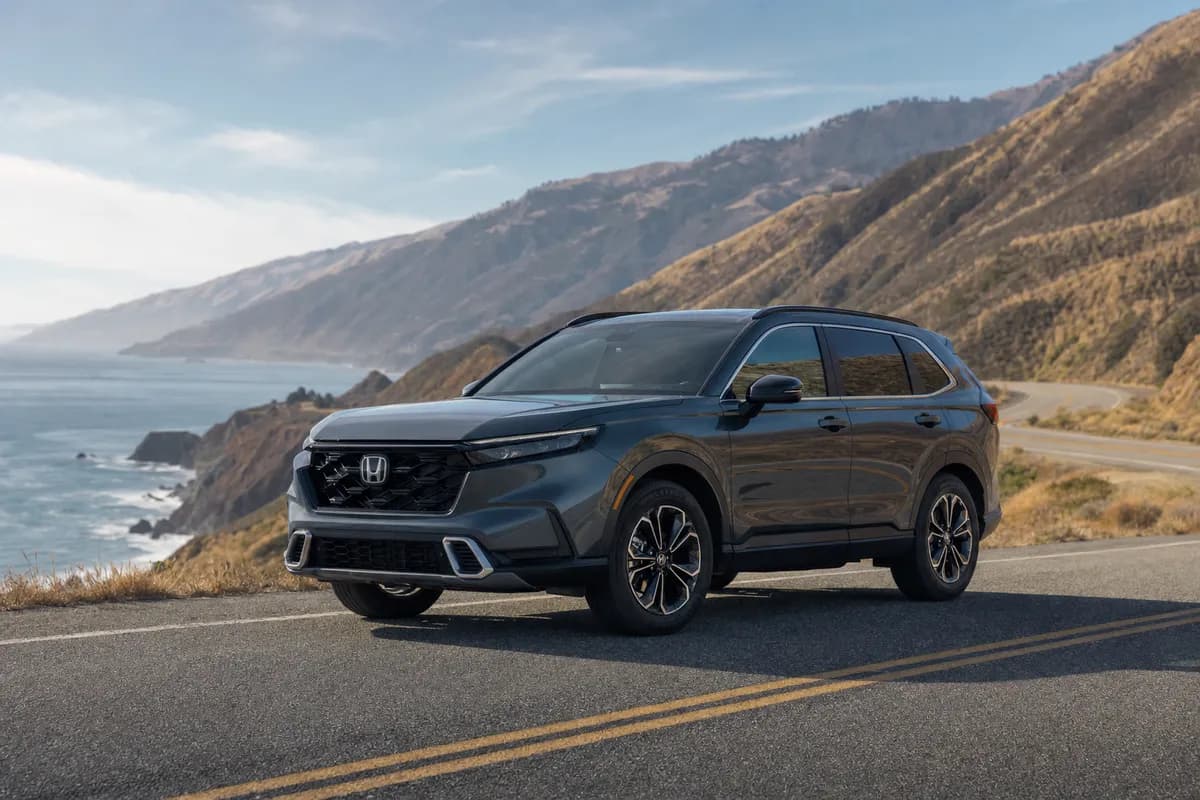
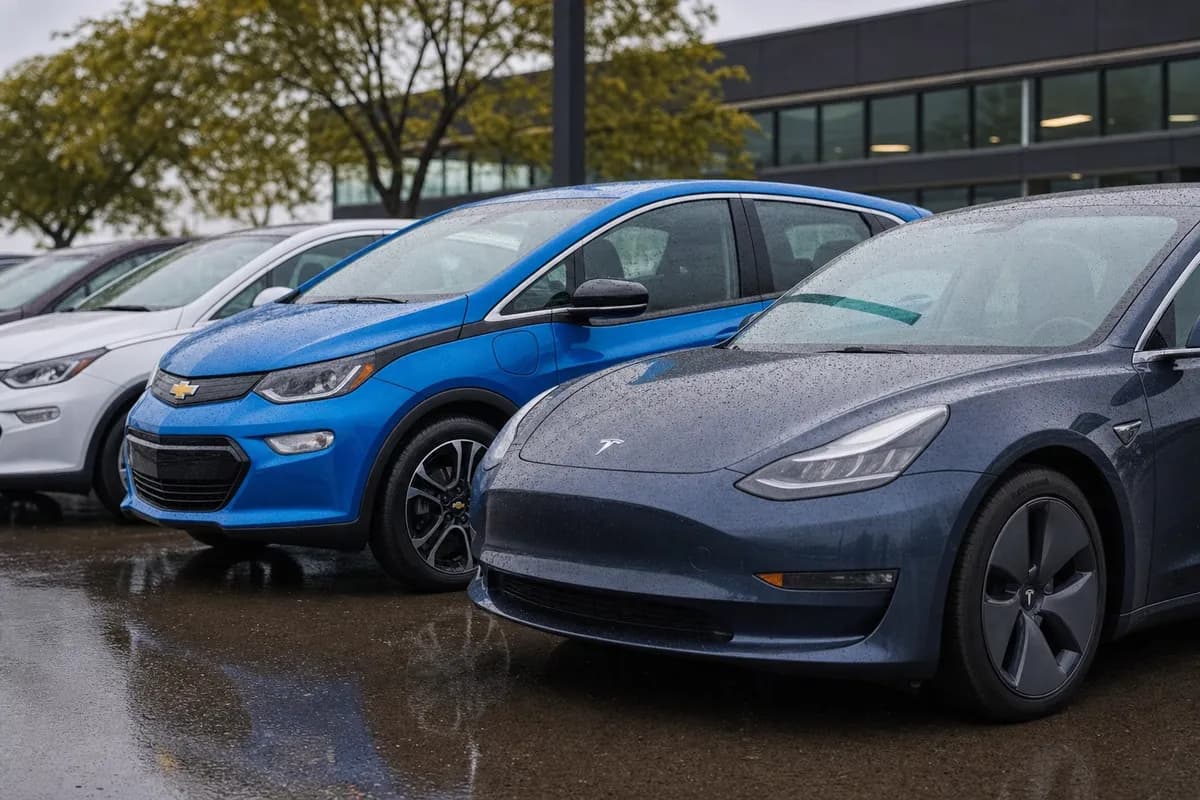
That raises the stakes for brands competing in the same price bands as Polestar. A buyer cross-shopping a Polestar 2 against a Hyundai Ioniq 5, Tesla Model 3, BMW i4, or Volvo EX30 may soon care as much about software provenance and sourcing transparency as range, charging speed, or lease pricing.
The contrast matters. Tesla’s U.S.-built mainstream models and Hyundai Motor Group’s expanding North American manufacturing footprint offer a potential compliance cushion. By comparison, import-heavy programs with complex global electronics sourcing could face slower adaptation.
The new rules do not redraw the market by powertrain alone. They favor automakers that can prove control over their connected-vehicle stack, from hardware sourcing to software integration.
What EV buyers should do before and after June 2026
If you are considering a Polestar or another imported smart EV, timing and paperwork now matter more than usual. The safest approach is to treat connected-system compliance as a core buying question, not a footnote.
Questions to ask before placing an order
- Is this exact model and model year confirmed for U.S. sale after June 2026?
- Where is the vehicle built?
- Have any telematics, modem, or software suppliers changed for U.S. compliance?
- Will all app features and over-the-air updates remain active in the U.S.?
- What happens if delivery slips past the regulatory deadline?
If you already own a Polestar
- Keep records of software versions, service visits, and any connected-feature subscriptions.
- Watch for official notices on OTA updates, recalls, or hardware retrofits.
- Ask your service center how parts and connectivity support are being handled for your VIN.
- If resale matters, monitor used-market pricing before panic selling into uncertainty.
For some buyers, the easiest answer may be to choose a vehicle with established U.S. assembly and a clearer domestic compliance path. For others, especially shoppers drawn to Polestar’s design and driving character, waiting for a confirmed U.S.-compliant version may be the smarter move than rushing into a late-cycle order.
Verdict: Polestar’s problem is really the market’s next big test
Polestar may be the most visible brand hit by the June 2026 shift, but this is bigger than one sales freeze. The U.S. is moving from tariff politics to systems-level scrutiny of how connected cars are built, coded, and linked to foreign suppliers.
For the 2027 Polestar 2, the risk of a U.S. sales halt looks real unless Polestar can rework the vehicle’s connected architecture in time. The Polestar 3 U.S. market position is better, but not immune, because local assembly does not override software and hardware compliance rules.
The broader lesson for EV buyers is clear. In 2026 and 2027, the key question will not just be where a car is assembled or how far it goes on a charge. It will be whether its digital backbone meets a much tougher U.S. standard for connected vehicles.
Affiliate disclosure: This article contains affiliate links. RevvedUpCars may earn a small commission on qualifying purchases at no extra cost to you.