Honda’s 2026 EV reset adds weight to hybrids. What will change for 2027 Civic, CR-V, future Prologue models, and shoppers waiting on affordable EVs.
Honda’s EV strategy in 2026 looks less like a sprint and more like a reset. The company is still committed to battery-electric vehicles, but it is clearly putting more weight behind hybrids as U.S. demand for affordable EVs stays uneven and charging, pricing, and battery sourcing remain real constraints.
For buyers, that shift matters now. It could shape what the 2027 Honda hybrids lineup looks like, how quickly a true Honda Prologue successor arrives, and whether Honda’s long-promised lower-cost EVs show up on time and at the right price.
Why Honda Is Rebalancing Its EV Push in 2026
Honda entered the middle of the decade with an ambitious electrification plan. It launched the Prologue in the U.S. using General Motors’ Ultium-based architecture, confirmed a new in-house EV family under the 0 Series banner, and backed a major battery investment in North America. But the market has not moved in a straight line.
In the U.S., EV sales are still growing, yet the growth rate has cooled from the early-adopter rush. High transaction prices, uneven public charging reliability, and uncertainty around federal policy have all made mainstream buyers more cautious. At the same time, hybrids have become the industry’s sweet spot, offering better fuel economy without the charging compromises that still turn away many compact and crossover shoppers.
That makes Honda’s 2026 pivot pragmatic rather than surprising. The company is not abandoning EVs, but it appears to be slowing an aggressive all-electric timeline in favor of a broader mix that leans harder on gasoline-electric models in the second half of the decade.
Honda has good reason to do that. Its two-motor hybrid system is already competitive in the Accord and CR-V, and Toyota’s recent success has shown just how strong demand remains for efficient, non-plug-in vehicles priced for the mass market. For Honda, hybrids can protect volume, margins, and emissions targets while its dedicated EV programs mature.
What It Could Mean for the 2027 Civic and CR-V
The most immediate impact of the Honda EV strategy 2026 reset will likely show up in core products, not halo cars. The Civic and CR-V are central to Honda’s U.S. business, and both are logical places to expand hybrid availability before lower-cost EVs are ready in meaningful numbers.
The 2025 Civic hybrid already gave a clear signal. Honda added hybrid sedan and hatchback variants and positioned them as high-efficiency mainstream choices rather than niche trims. That strategy could deepen for the 2027 model year, with hybrid powertrains taking a larger share of the Civic lineup and potentially becoming the default upgrade path over higher-output turbo gasoline options.
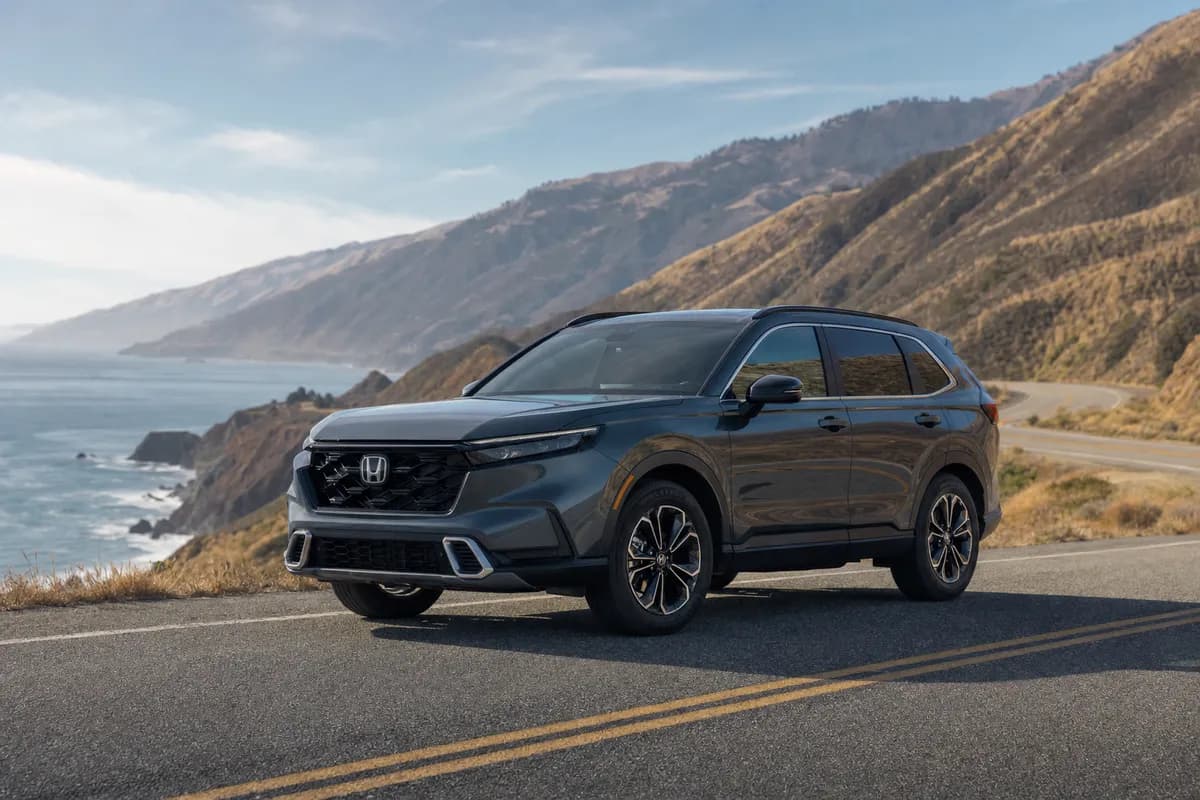
The CR-V is even more important. It is one of Honda’s highest-volume vehicles in North America, and the CR-V Hybrid has become a critical bridge product for buyers who want lower fuel costs but are not ready for a full EV. A 2027 update could bring wider hybrid trim coverage, stronger supply, and tighter pricing spreads between gasoline and hybrid versions.
- 2027 Civic: Expect Honda to keep pushing hybrid trims as the volume choice, especially if battery EV pricing remains high in the compact segment.
- 2027 CR-V: A broader hybrid mix is likely, with Honda aiming to make the electrified CR-V a mainstream purchase, not a premium outlier.
- Accord: The sedan already leans heavily on hybrids, and that formula could continue as Honda prioritizes proven, efficient powertrains.
For buyers, this is not bad news. A stronger hybrid lineup can lower fuel consumption quickly, avoid charging headaches, and often deliver a better real-world ownership case than a still-pricey EV. The tradeoff is that buyers waiting for a truly affordable Honda battery-electric compact may have to wait longer.
The Prologue, 0 Series, and the Search for a Real Honda EV Successor
The current Prologue helped Honda get into the U.S. EV market quickly, but it was always an interim solution. Built on GM underpinnings, it gave Honda a near-term entry in the midsize electric crossover class while the company developed its own architecture and software stack.
That is why the question around a Honda Prologue successor matters so much. If Honda is slowing its all-EV expansion, the transition from GM-based products to in-house EVs could become more gradual than originally expected. That does not mean the Prologue formula disappears overnight, but it could mean a longer overlap between existing EV partnerships and Honda’s next-generation internal programs.
Honda’s dedicated 0 Series models are supposed to define the brand’s next phase. Early concepts pointed to sleeker packaging, a new electronic architecture, and a stronger software identity. But if the company is emphasizing hybrids in 2026 and 2027, those launches may face closer scrutiny on price, range, battery cost, and whether they can move beyond early adopters.
The key challenge is simple: Honda needs a successor strategy that feels unmistakably its own and lands at a price point below many current long-range EVs. Without that, the Prologue’s replacement risks being technically better but still commercially limited.
- Near term: Prologue remains an important bridge product in the U.S.
- Medium term: Honda’s own EV architecture must replace dependency on outside platforms.
- Big question: Can Honda launch an EV with mainstream pricing, not just premium features?
Why Honda’s U.S. Battery Plans Still Matter
A slower EV ramp does not make battery investment irrelevant. It arguably makes it more important, because cost control and local sourcing will determine whether Honda can eventually offer the kind of EV many shoppers are waiting for.
Honda and its partner LG Energy Solution previously committed to a major U.S. battery plant in Ohio, part of a broader strategy to localize EV production and reduce exposure to imported cells. That Honda battery plant U.S. investment remains one of the company’s most important long-term assets, even if EV launch timing shifts.
Local battery production can help in three major ways:
- Cost: Shorter supply chains and higher scale can lower pack costs over time.
- Eligibility: U.S.-built batteries can improve the odds of vehicles qualifying for policy incentives, depending on future rules.
- Flexibility: Honda can better match battery output to actual demand instead of overcommitting to a fast EV ramp.
This matters because affordable EVs are still, above all, a battery cost problem. Styling, software, and acceleration get attention, but mainstream pricing depends on pack economics. If Honda’s battery strategy stays on track, the company will be in a better position to launch lower-cost EVs later in the decade, even if 2026 and 2027 lean more heavily on hybrids.
What Buyers Waiting for an Affordable Honda EV Should Expect
The near-term answer is mixed. Buyers hoping Honda would quickly roll out a low-cost electric Civic equivalent may not like this reset. The stronger likelihood is that Honda uses hybrids to cover its volume segments while it works to bring dedicated EV costs down.
That means the next two buyer paths are becoming clearer. If you need a new Honda soon and want better efficiency without uncertainty, the company’s expanding hybrid lineup is the safer bet. If you want a budget-friendly Honda EV, patience may still be required.
There are practical advantages to this approach. Hybrids usually carry a smaller price premium than EVs, they do not rely on home charging access, and resale anxiety is lower because the technology is already widely accepted. For many compact-car and crossover buyers, that is a more rational ownership proposition in 2026 than stretching for a battery EV that still commands a significant upfront premium.
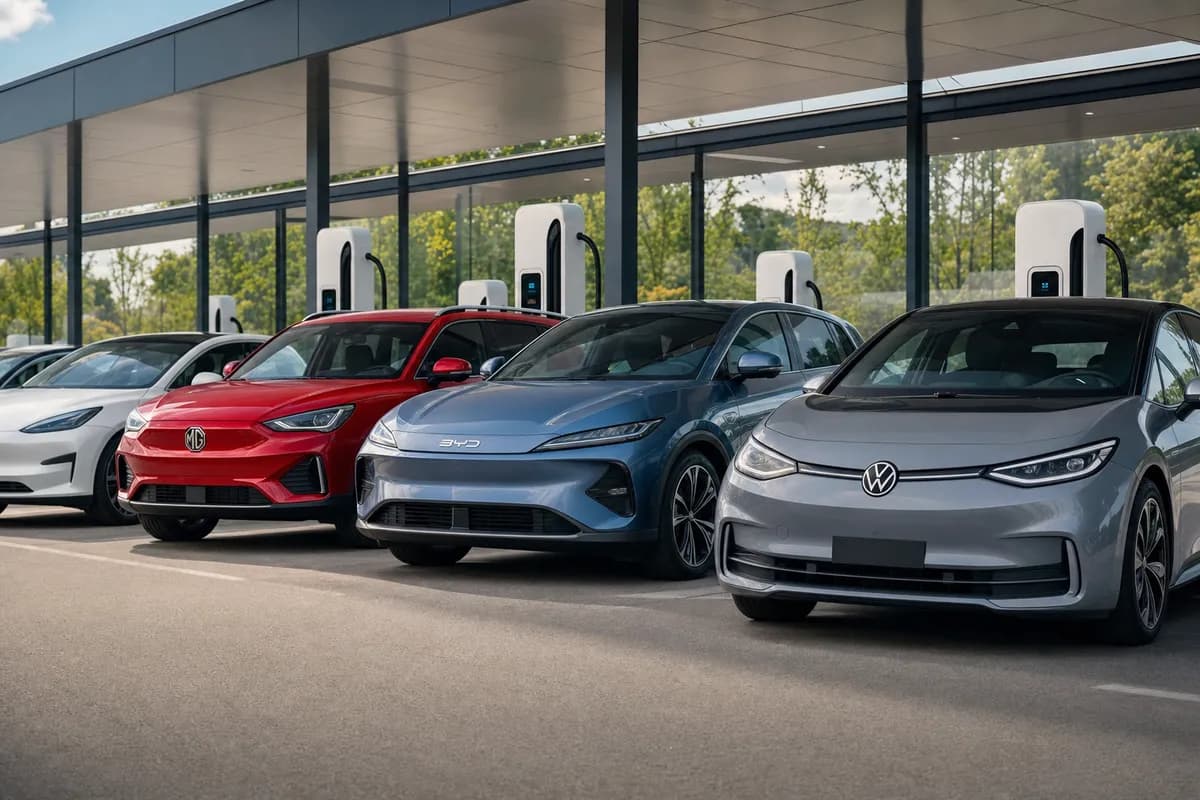
Still, Honda cannot lean on hybrids forever if it wants to compete globally. Rivals are working on smaller, cheaper EVs, and Chinese manufacturers continue to show how quickly battery-electric pricing can move when scale improves. Honda’s affordable EV plans will need to turn into real showroom products, not just long-range promises.
Verdict: A Smarter Short-Term Move, but the Clock Is Still Running
Honda’s 2026 strategy reset looks like a realistic response to the market, not a collapse of its electric ambitions. More hybrids in the 2027 Civic, CR-V, and related models would give the brand a stronger near-term business case while buying time for its next-generation EVs and U.S. battery operations to mature.
For consumers, that likely means better hybrid availability, more balanced pricing, and a slower path to a truly affordable Honda EV. For Honda, the bigger test comes next: whether it can translate its battery investments, 0 Series development, and Prologue follow-up plans into electric vehicles that ordinary buyers can actually afford.
If it can, this pause will look disciplined. If it cannot, the company risks arriving late to the most important price war the EV market has yet to fight.
Affiliate disclosure: This article contains affiliate links. RevvedUpCars may earn a small commission on qualifying purchases at no extra cost to you.