Canada is weighing Chinese EV import quotas in June 2026, which could limit low-cost options like BYD and shift 2027 prices and availability.
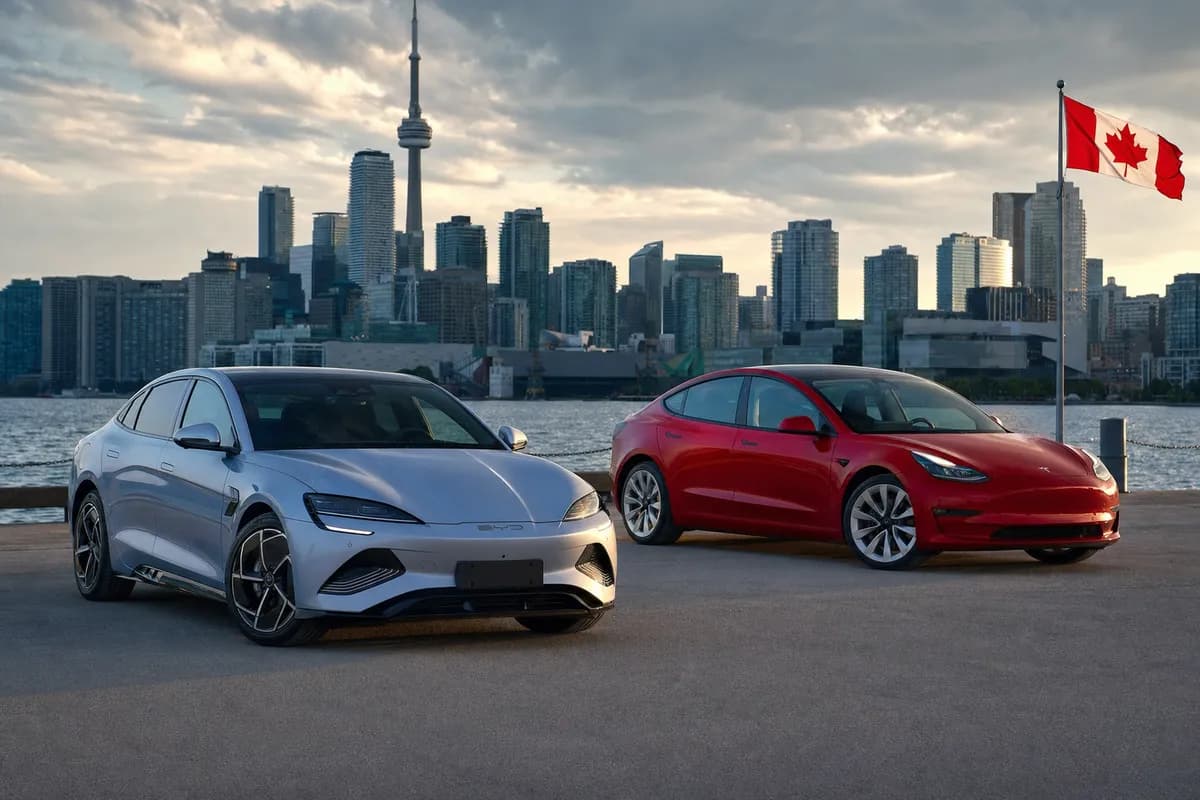
Canada’s EV market could face a sharp policy turn before 2027 models even reach showrooms. Ottawa is weighing possible quotas on Chinese electric-vehicle imports in June 2026, a move that would directly affect low-cost brands such as BYD and could also touch Tesla’s China-built supply.
For buyers, the debate is not abstract trade politics. It could shape which EVs Canadians can actually buy in 2027, how much they pay, and how automakers reorganize North American sourcing to stay ahead of new limits.
Why Canada Is Considering Chinese EV Import Quotas Now
The Canadian government has been under growing pressure to align more closely with the broader North America EV trade policy shift already underway in the U.S. and Mexico. Washington has taken a harder line on Chinese EVs and battery supply chains, arguing that state-backed overcapacity could undercut domestic manufacturing before new plants in the region have time to scale.
Canada has a lot riding on that same industrial buildout. Billions in public and private investment have been committed to battery plants, cathode production, and assembly operations in Ontario and Quebec, including projects tied to Volkswagen, Stellantis-LG Energy Solution, Northvolt, and Honda’s planned EV supply chain footprint.
That is the backdrop for the current discussion over Canada Chinese EV import quotas. A quota system would not necessarily ban Chinese-built EVs outright. Instead, it could cap annual import volumes by brand, by country of assembly, or by vehicle class, allowing some low-cost entries while limiting the scale of disruption to Canadian and North American production plans.
The timing also matters. Chinese automakers, especially BYD, have been expanding aggressively outside China with lower-priced EVs, plug-in hybrids, and vertically integrated battery supply. If Ottawa waits until Chinese-built models are already established in meaningful volume, officials may see any later restrictions as harder to implement without bigger consumer backlash.
Which Brands and Models Could Be Affected
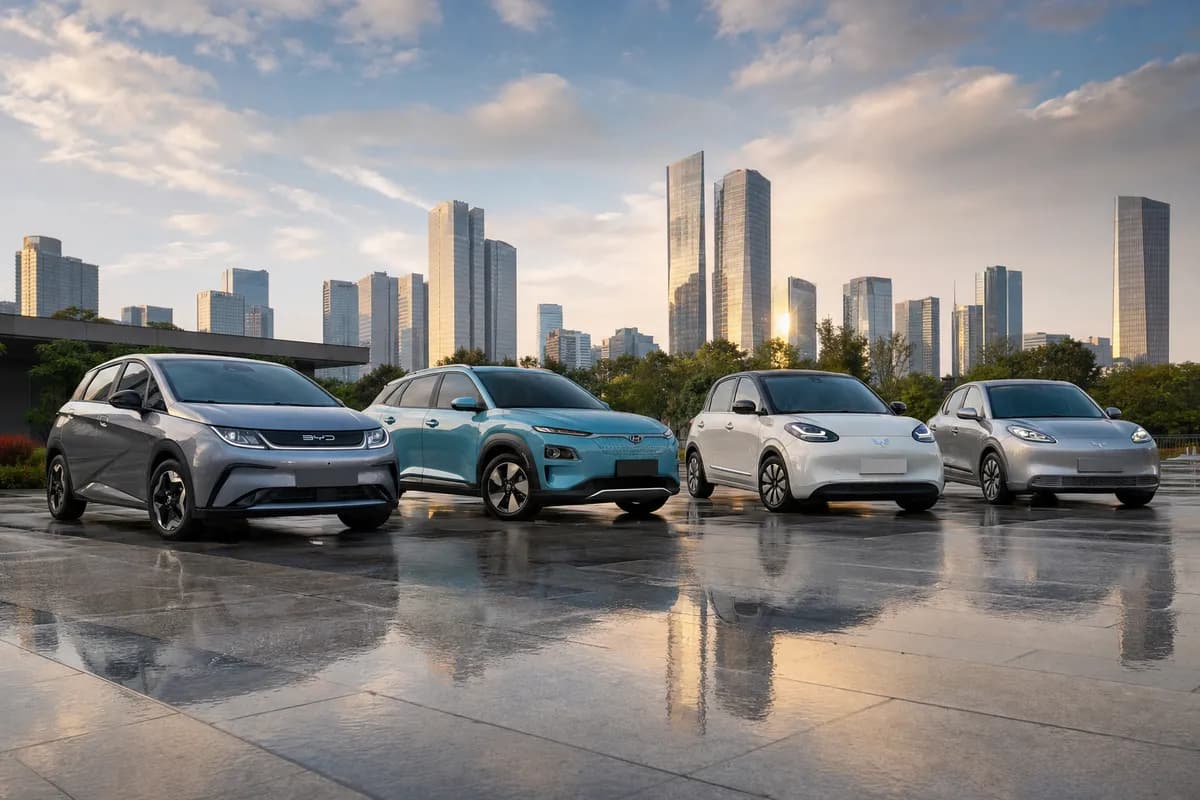
The most obvious focus is BYD Canada 2026. BYD has become one of the world’s biggest electrified-vehicle makers and has shown it can compete across multiple price points, from smaller city cars to mainstream crossovers and sedans. Even limited entry into Canada could put pressure on established brands if its pricing lands well below current EV norms.
Likely candidates for Canadian interest would include global-market vehicles such as the BYD Dolphin, Atto 3, Seal, and Seagull-derived small EVs, depending on safety certification, localization, and dealer strategy. In other markets, BYD has often undercut legacy rivals while still offering competitive range, large battery options, and strong standard equipment.
Tesla is a more complicated case. The company sells vehicles from multiple factories, and any policy aimed at Tesla China-built EV Canada supply would depend on whether Canadian deliveries include Shanghai-built vehicles in material numbers at the time quotas are enacted. Tesla’s global logistics are fluid, and the company has historically shifted sourcing between factories to manage tariffs, shipping costs, and regional demand.
Other automakers could also be caught if they import Chinese-built EVs under non-Chinese brands. That list could include select Volvo, Polestar, Mini, Smart, or other global products assembled in China. A quota based on assembly origin rather than corporate nationality would be wider and harder for automakers to route around quickly.
- Most exposed: BYD and other Chinese-headquartered brands seeking first-time Canadian expansion
- Potentially exposed: Tesla if Canada relies on Shanghai-built inventory for certain trims or periods
- Also at risk: European or global brands selling China-assembled EVs into Canada
- Least exposed: EVs built in Canada, the U.S., or Mexico under USMCA-compliant supply chains
What Quotas Could Mean for 2027 EV Prices in Canada
The biggest consumer effect would likely be on pricing. If Canada limits the flow of lower-cost Chinese-built EVs, one of the strongest downward pressures on the market weakens. That would make it easier for incumbent brands to hold pricing higher in 2027, especially in entry-level segments where affordable EV choice is already thin.
Right now, many battery-electric options in Canada still cluster well above the price points mass-market buyers want. Compact and subcompact EVs remain limited, and incentives do not fully close the gap with gasoline vehicles. A fresh wave of low-cost imports could force price competition; quotas would blunt that effect.
For 2027 EV prices Canada, the likely outcomes split into two paths. If quotas are broad and tight, Canadians could see fewer sub-C$40,000 battery EV launches than expected. If quotas are moderate or include carve-outs, prices may still come down, just more slowly and unevenly.
- Tighter quotas: higher average transaction prices, fewer low-cost entrants, stronger pricing power for incumbents
- Targeted quotas: some competitive pressure remains, but supply stays constrained in the cheapest EV classes
- No quotas: more price compression likely, especially if BYD or similar brands scale quickly
Tesla pricing is worth watching separately. If Canada were drawing on China-built Teslas to balance supply, any cap could force the company to redirect units from Fremont, Austin, Berlin, or Mexico if available. That would not automatically raise prices, but it could reduce trim availability, lengthen wait times, or narrow the gap between Tesla and competing crossovers.
Model Availability and Sourcing Strategies Will Matter as Much as Sticker Price
Quotas would not just determine whether a vehicle is cheap. They would affect whether specific configurations are available at all. A capped import pool often pushes automakers to prioritize higher-margin trims, larger battery versions, or better-equipped models, because those generate more profit per limited slot.
That means Canadian buyers could see fewer base trims and less choice in lower-cost variants. A brand facing an annual quota may decide to ship only premium versions of a crossover instead of the most affordable one. The result is a market that looks supplied on paper but is less accessible in practice.
Automakers would respond by reworking sourcing maps across North America. Brands with Chinese assembly exposure would likely accelerate shifts to plants in Mexico, the U.S., or Canada where possible, especially for high-volume EVs meant for mainstream buyers.
This is where the wider North America EV trade policy fight comes into focus. The region is trying to build a protected EV manufacturing base while keeping vehicles affordable enough to drive adoption. Those goals can conflict. Restricting Chinese imports can support local investment, but it can also reduce immediate consumer choice and delay lower prices.
Quotas would buy time for North American EV manufacturing, but buyers would probably pay for that time through fewer low-cost options and slower price declines.
There is also a strategic risk for Canada if its rules diverge too far from the U.S. or Mexico. If Ottawa is looser than Washington, Canada could become an easier entry point for Chinese-built EVs. If it is stricter, Canadians could end up with fewer choices than U.S. buyers even as they share much of the same vehicle ecosystem.
What Canadian and U.S. Buyers Should Watch Next
The details will matter more than the headline. A quota can be narrow or sweeping, temporary or effectively permanent. Buyers and industry planners should focus on how Ottawa defines covered vehicles, whether annual volume thresholds are generous or restrictive, and whether exemptions exist for brands already in market.
Key questions include whether the policy is based on brand ownership, assembly location, battery content, or a mix of those factors. A China-assembly rule would hit more products than a rule aimed only at Chinese-owned automakers. It would also make supply planning more complicated for companies that use China as one manufacturing hub among several.
- Will Canada set a fixed unit cap per year or a tariff-rate quota that becomes punitive after a threshold?
- Will Tesla, Polestar, Volvo, Mini, or other non-Chinese brands with China-built models be included?
- Will plug-in hybrids be treated the same as full battery EVs?
- Will there be transition periods for 2027 model-year planning?
- Will any policy be coordinated with U.S. trade and customs enforcement?
For American buyers, the direct impact may be limited at first, but the regional effect is real. If Canada becomes harder to enter, Chinese automakers may push more aggressively into Mexico or other global markets instead. If Canada remains relatively open, it could become a test case for how low-cost Chinese EVs perform in a North American retail environment.
The Bottom Line
Canada’s June 2026 quota debate is really a fight over what kind of EV market the country wants by 2027. One path favors stronger protection for domestic and regional manufacturing. The other favors faster price competition and broader access to low-cost electric cars.
For shoppers, the practical takeaway is simple. If Ottawa imposes meaningful limits on Chinese-built EVs, expect fewer bargain-priced newcomers, tighter supply of some imported models, and slower relief on entry-level EV pricing. If quotas are modest or delayed, BYD and other low-cost players could apply real pressure to a market that still needs cheaper choices.
That makes this more than a policy story. It is a preview of how Canada plans to balance industrial policy, consumer affordability, and competitive pressure as the North American EV market moves into its next stage.
Get the latest car reviews in your inbox
Join thousands of car enthusiasts. No spam, unsubscribe any time.



Comments
Leave a comment