Ford, GM, Mercedes-Benz, Volvo and more scaled back EV plans in 2026. Here’s how that could reshape 2027 prices and your buying timing.
The 2026 EV market is no longer a simple story of nonstop expansion. Several automakers have delayed, downsized, or outright canceled electric programs, and that changes the math for anyone wondering whether to buy now or hold out for a 2027 model.
For shoppers, the key question is no longer just range or charging speed. It is whether the EV you are waiting for will actually arrive on time, at the price originally promised, and with the tax-credit eligibility you expect.
Why 2026 EV delays are piling up
The list of 2026 EV delays is growing for a few clear reasons. EV demand is still rising in the U.S., but not at the pace many automakers projected in 2021 and 2022, especially for higher-priced models.
At the same time, manufacturers are dealing with high battery costs, slower charging-network buildout than many buyers want, and pressure to protect profits on gas-powered trucks and SUVs. The result is a more cautious industry, with companies stretching launch timelines and putting more emphasis on hybrids.
That does not mean EV adoption is reversing. It does mean buyers should be careful about making a purchase plan around a future model that has already slipped once.
The canceled electric cars and delayed launches shaping 2026
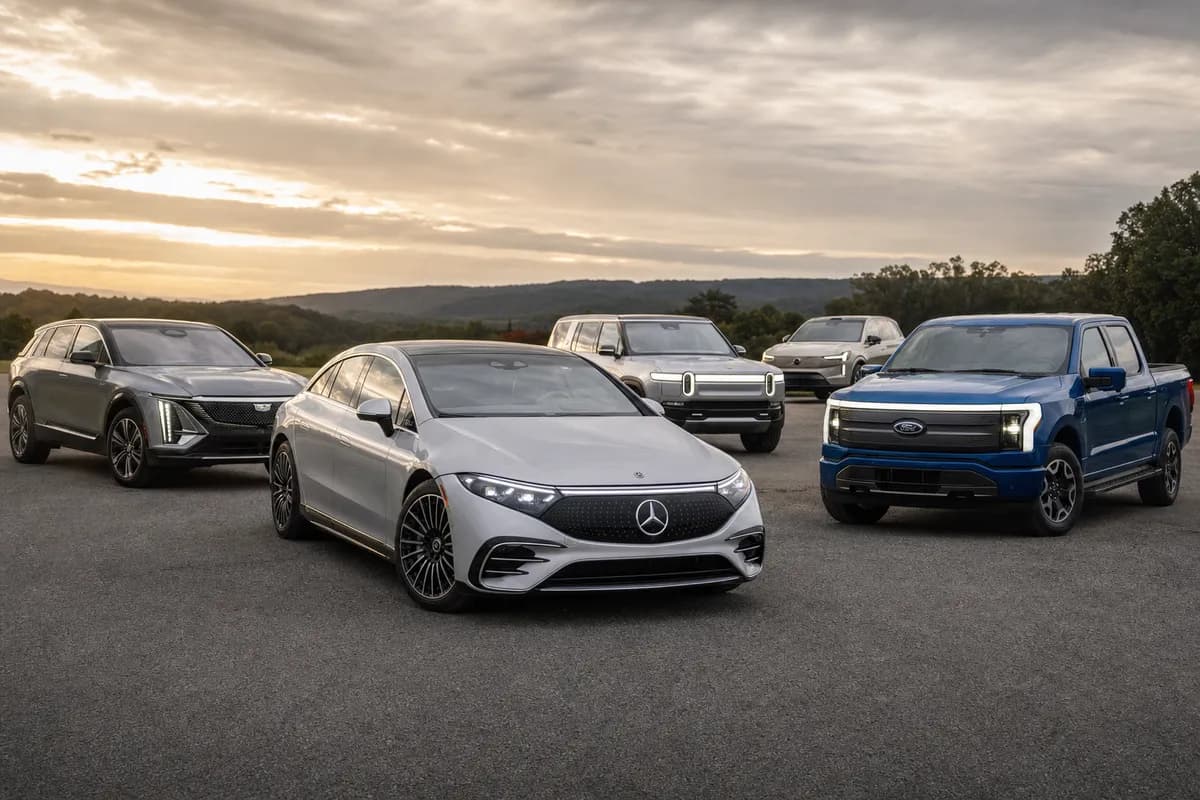
Ford, GM, Mercedes-Benz, Volvo, and several others have all adjusted EV plans. Some changes involve factory timing. Others affect specific vehicles that were supposed to broaden choices in key price bands.
- Ford: Ford pushed back parts of its next-generation EV rollout and shifted strategy toward lower-cost EVs and hybrids. The company canceled plans for a three-row electric SUV, a notable retreat from a segment it once highlighted as a growth opportunity. Ford has also delayed a next-generation electric pickup, moving that launch deeper into the decade.
- General Motors: GM has repeatedly adjusted the timing of several Ultium-based products and factory ramps. Chevrolet Equinox EV and Silverado EV launches stretched beyond earlier expectations, while the company also slowed spending in some EV capacity areas to better match demand.
- Mercedes-Benz: Mercedes has softened its all-electric timetable and said it expects to keep selling electrified combustion models longer than previously planned. That matters because the brand had once targeted a much faster transition, especially in premium segments where EV demand has proven uneven.
- Volvo: Volvo walked back its prior goal of becoming fully electric by 2030 in all markets, citing market conditions and infrastructure realities. It still plans a broad EV lineup, but the shift signals less urgency and a longer runway for plug-in hybrids.
- Honda and Acura: Honda delayed a large electric SUV project in North America and has grown more vocal about hybrids as a bridge strategy. Acura’s ZDX remains in market, but Honda’s broader EV rollout is now more measured than earlier announcements suggested.
- Stellantis: Stellantis has continued to reevaluate launch cadence for some North American EVs, even as it talks up future products. Buyers looking at Jeep, Ram, and Dodge EV timelines should assume some flexibility until production is firmly underway.
The practical takeaway is simple. Some of the most anticipated models in the affordable crossover, family SUV, and electric truck categories are either late or no longer coming in the form originally advertised.
What Ford, GM, Mercedes EV plans mean for real-world shoppers
For buyers, these pullbacks matter most in three areas: price, selection, and timing. If a delayed model was supposed to push the market down in price or bring new competition to a segment, its absence keeps pressure on current inventory.
Take Ford and GM. If Ford delays a next-generation truck and GM slows the ramp of electric pickups and crossovers, buyers shopping under $50,000 have fewer mainstream choices than expected. That can keep transaction prices higher, especially for larger EVs with strong demand and limited supply.
Mercedes and Volvo affect the premium side in a different way. Their slower transition means luxury shoppers may see fewer all-new dedicated EVs in 2026 than the industry once promised, but they may also get more discounts on current EQ, EX, and plug-in hybrid inventory as dealers work through mixed demand.
This is where the Ford GM Mercedes EV plans become more than corporate strategy. They directly influence whether waiting gets you a better car, a better deal, or just another year of uncertainty.
Should you buy now or wait for 2027?
The answer depends less on the calendar and more on the kind of EV you want. The best strategy for a compact or midsize crossover shopper is different from the strategy for a truck buyer or a luxury buyer.
Buy now if you fit one of these groups
- You found a current EV with strong incentives: Many 2024, 2025, and carryover 2026 EVs have lease deals, dealer discounts, or federal tax-credit advantages that may outweigh the benefits of waiting.
- You are replacing an aging car soon: Waiting only makes sense if the future model is likely to arrive on time. In today’s market, that is far from guaranteed.
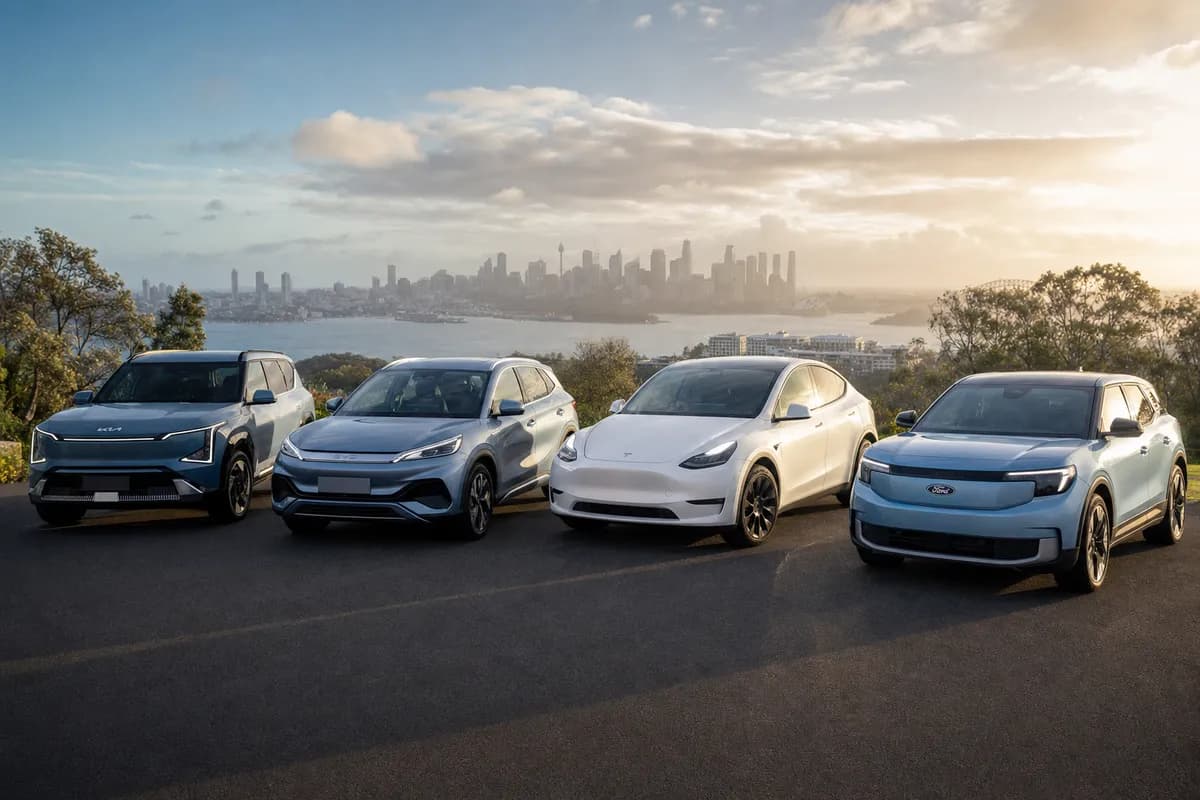
- You want a proven model: Vehicles like the Tesla Model Y, Hyundai Ioniq 5, Kia EV6, Ford Mustang Mach-E, Chevrolet Equinox EV, and Volvo EX30 or EX40 alternatives already have real-world owner data and known charging behavior.
- You lease: Leasing reduces the risk of buying just before a major technology jump. It also lets you revisit the market in two or three years, when more 2027 EVs should be firmly established.
Wait for 2027 if these points apply
- You want a lower-cost next-generation EV: Several automakers are now prioritizing cheaper battery chemistry and lower-cost platforms. That could produce better value by 2027, especially below the $35,000 mark.
- You need better public charging confidence: The North American Charging Standard transition and broader Supercharger access should make many 2027 launches easier to live with.
- You are shopping electric trucks or three-row SUVs: These are exactly the segments where timelines have slipped. If your current vehicle is fine, waiting could still make sense because the biggest product changes are still ahead.
- You care about software and efficiency gains: Newer EV architectures are likely to improve charging curves, cabin tech, heat-pump performance, and energy efficiency.
A practical 2027 EV buyers guide: how to shop during a launch slowdown
The smartest way to use a 2027 EV buyers guide in this market is to separate confirmed products from aspirational ones. A model shown at an investor day is not the same thing as a vehicle with a production start date, plant assignment, EPA timeline, and dealer allocation plan.
- Prioritize vehicles already in production. If two EVs meet your needs and one is on sale now while the other is due “late next year,” the on-sale vehicle carries much less risk.
- Track incentives, not just MSRP. A discounted current EV can undercut a future model even if the future car launches at a lower headline price.
- Watch battery sourcing and tax-credit rules. A delayed launch can change where a vehicle is built or where batteries are sourced, which can affect U.S. incentive eligibility.
- Be realistic about first-year models. New platforms often bring software bugs, supply shortages, and uneven dealer knowledge. Waiting for a 2027 launch may mean paying more to be an early adopter.
- Use leases as a hedge. If you think 2027 will bring a better wave of EVs, a short lease on a current model can bridge the gap without locking you into today’s technology for too long.
There is also a broader pricing point here. Canceled electric cars in 2026 reduce competitive pressure in some segments, but slower launches can also force automakers to keep discounting existing inventory to maintain EV sales momentum. That creates opportunity for disciplined shoppers who compare effective monthly cost rather than waiting for a hypothetical future bargain.
The verdict: most buyers should shop the EV market that exists, not the one being promised
If you need an EV in the next 12 months, buy from the strong current field and focus on incentives, charging access, and real-world range. The market already offers several solid choices, and many are better deals today than they were a year ago.
If you are chasing a specific not-yet-launched truck, affordable crossover, or three-row family EV, patience may still pay off. Just do not assume every delayed model will arrive in 2027 exactly as originally planned.
That is the real lesson from the 2026 pullbacks. The next wave of EVs is still coming, but for now, shoppers should treat future launch calendars as tentative and make decisions based on products, prices, and incentives that are real today.
Get the latest car reviews in your inbox
Join thousands of car enthusiasts. No spam, unsubscribe any time.



Comments
Leave a comment