BYD wants to top the world’s carmakers within five years, and its June 2026 EV push could make 2027 electric options notably cheaper.
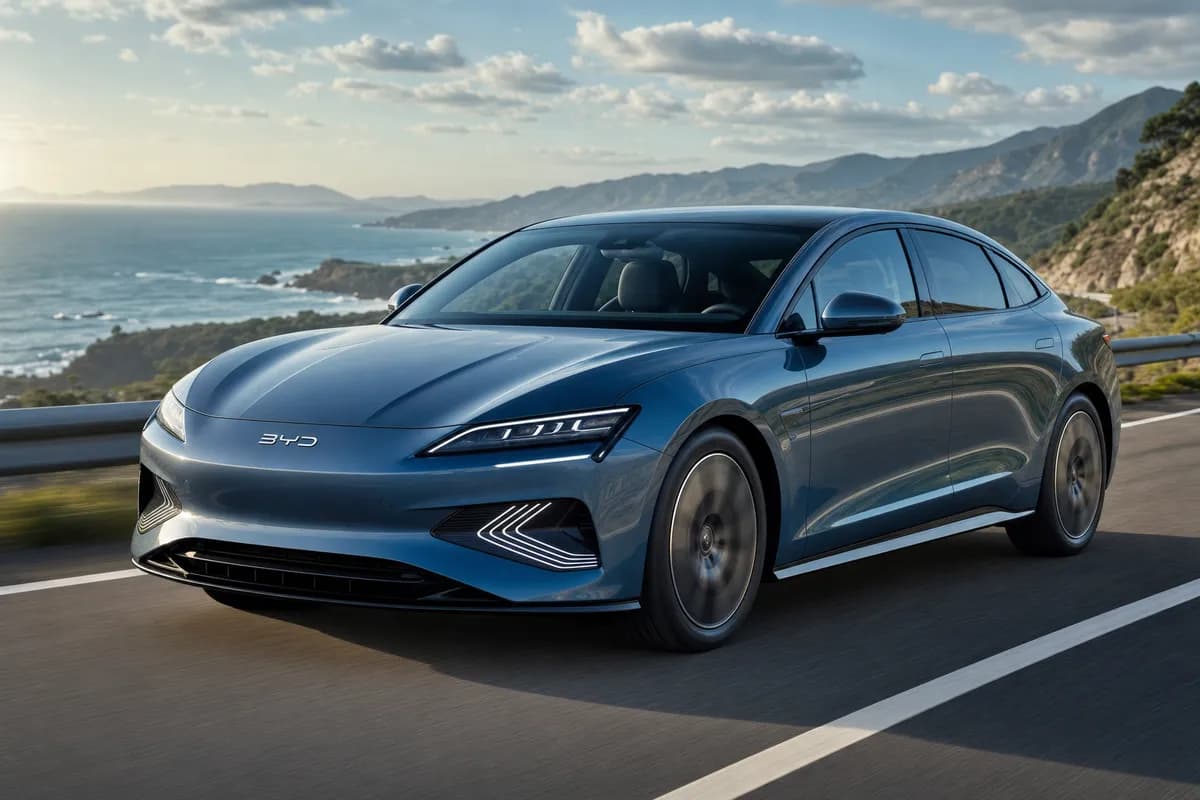
BYD is no longer talking like a fast-growing EV brand. It is talking like a company that wants to sit above Toyota, Volkswagen, and Tesla. Its June 2026 global expansion push matters because if BYD gets even part of the way there, the 2027 electric car market could look cheaper, more crowded, and far more competitive.
BYD’s five-year ambition is bigger than an EV headline
The core message from the latest BYD June 2026 news is simple: the company wants to become the world’s biggest carmaker within five years. That is an extraordinary target in an industry where Toyota still leads global volume, Volkswagen remains massive across Europe and China, and Tesla continues to shape EV pricing and software expectations.
BYD is not making that claim from nowhere. The company already has scale that many rivals spent decades building. It is vertically integrated, it builds its own batteries, it sells plug-in hybrids as well as battery EVs, and it has expanded aggressively across China, Europe, Southeast Asia, Latin America, and parts of the Middle East.
That matters because the phrase BYD world biggest carmaker is not just about bragging rights. It signals a strategy built on volume, factory expansion, export growth, and a broader model range that reaches from low-cost city cars to premium SUVs and luxury sub-brands.
Why BYD’s global expansion in 2026 matters now
BYD global expansion 2026 is not a single move. It is a layered push that combines new factories, wider dealer networks, shipping capacity, and model localization. The company has been building a stronger presence in Europe while also deepening its position in emerging markets where EV adoption is still in an earlier phase.
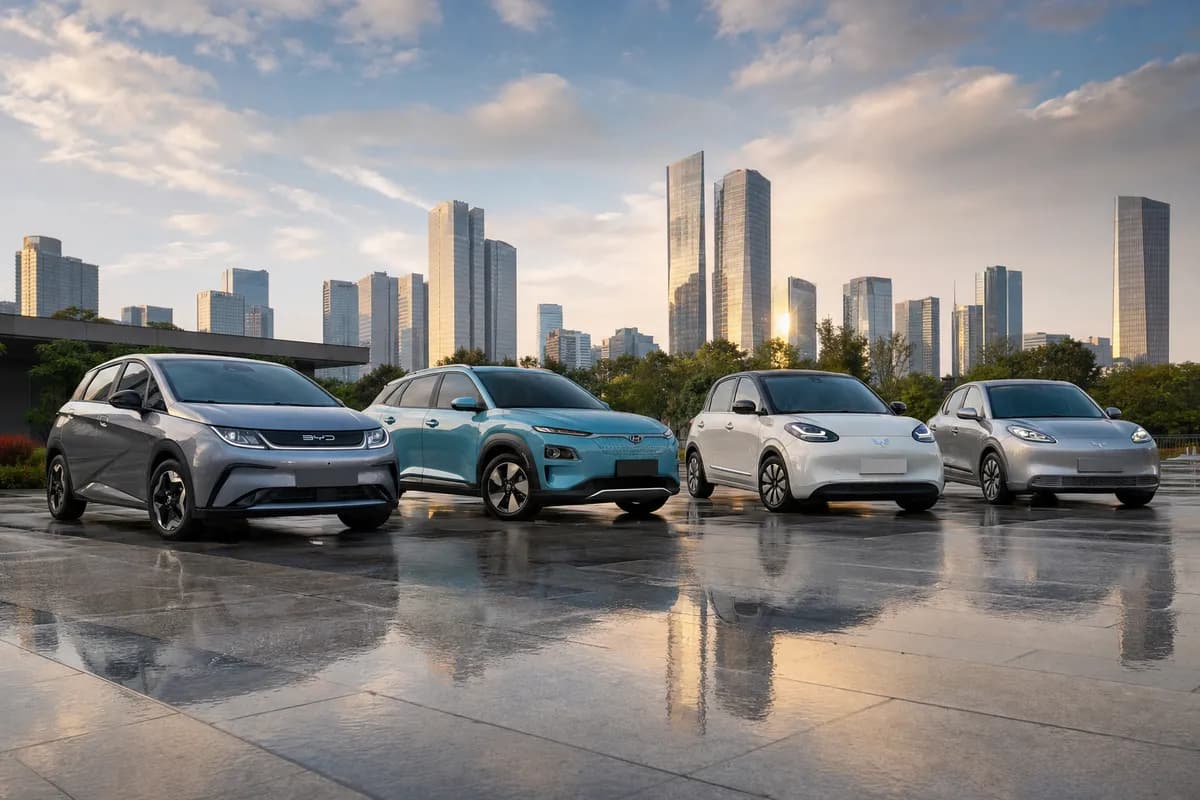
Its product spread is central to that effort. BYD already fields global nameplates such as the Dolphin, Atto 3, Seal, Seal U, Han, Tang, and Seagull, with different trims and battery sizes aimed at different regions. That gives it something some rivals lack: the ability to attack multiple price bands at once.
BYD also has an advantage many legacy automakers still struggle to match. It controls key pieces of its supply chain, especially battery production through its Blade battery technology. That can help it protect margins while lowering prices, which is one of the sharpest weapons in today’s EV market.
- Low-cost entry point: Seagull and Dolphin-class vehicles can pressure affordable EV segments.
- Mainstream family market: Atto 3, Seal, and Seal U target the heart of global crossover and sedan demand.
- Higher-margin expansion: Denza, Fang Cheng Bao, and Yangwang give BYD room to move upmarket.
- Hybrid bridge: Plug-in hybrids let BYD grow in regions where charging remains uneven.
That last point is especially important for 2027. While headlines focus on pure EVs, many buyers still want electrification without full dependence on public charging. BYD’s dual-track strategy could let it gain share faster than brands betting on battery EVs alone.
What this means for Toyota, Tesla, and Volkswagen
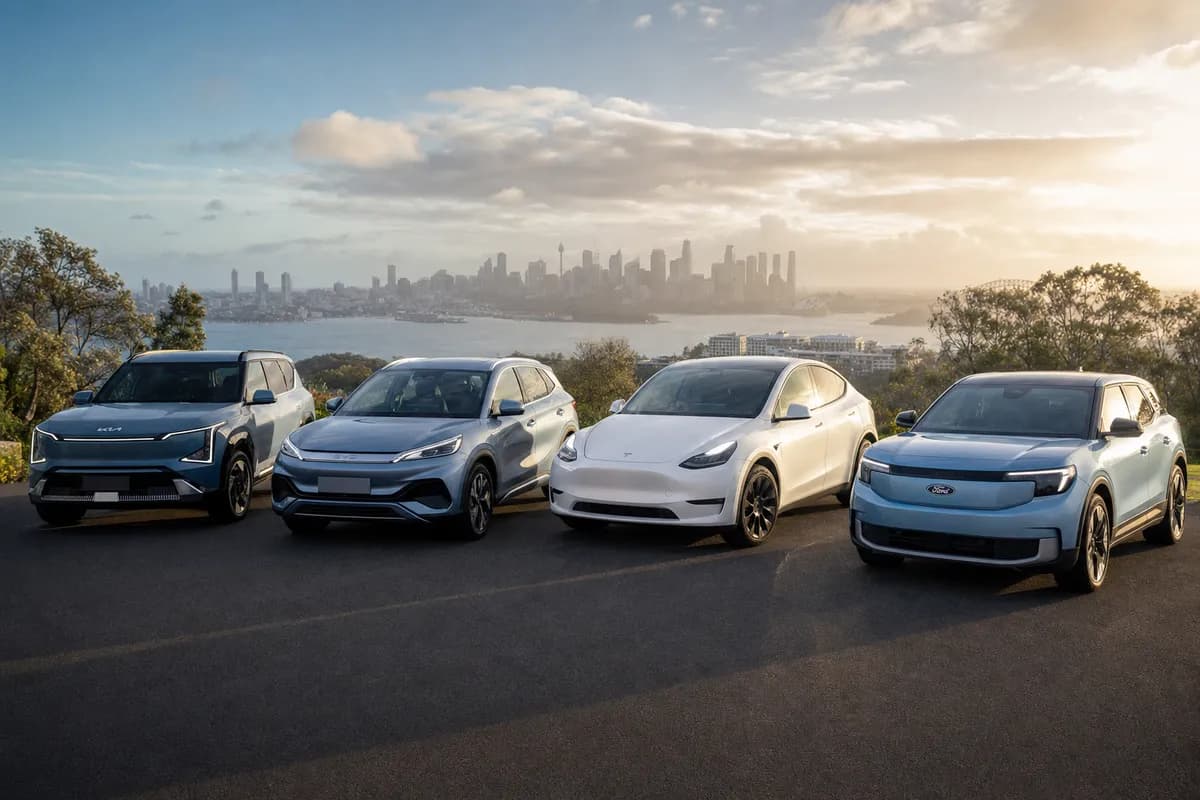
The big question behind Toyota Tesla Volkswagen EV competition is not whether those companies can survive BYD’s rise. They can. The real question is how much pricing power, market share, and strategic freedom they lose if BYD keeps expanding at speed.
Toyota: still huge, but under pressure in full EVs
Toyota remains the benchmark for global automotive scale, manufacturing discipline, and hybrid leadership. But in battery EVs, it has moved more cautiously than BYD, Tesla, and several Chinese rivals. That caution may protect margins in the short term, yet it leaves an opening in mainstream EV segments.
If BYD grows quickly in Europe, Southeast Asia, and Latin America, Toyota could face a two-front fight. One front is affordable EVs. The other is plug-in hybrids, where BYD is increasingly credible and where Toyota has long been strongest with conventional hybrids.
Tesla: brand strength meets pricing pressure
Tesla still sets the pace in software integration, charging convenience in key markets, and EV brand recognition. But its global lineup is relatively narrow compared with BYD’s. A company selling everything from a tiny urban EV to a full-size luxury SUV can attack more volume opportunities than one centered mainly on the Model 3, Model Y, Cybertruck, Model S, and Model X.
Price is the biggest issue. Tesla has already shown it will cut prices to defend share. If BYD continues exporting aggressively and localizing production, Tesla may have to keep sacrificing margin to stay competitive in the volume end of the market.
Volkswagen: broad lineup, slower execution
Volkswagen has the brand portfolio and manufacturing depth to respond, especially in Europe. It has EVs across VW, Audi, Skoda, Cupra, and Porsche, and it knows how to scale globally. But software setbacks, uneven rollout pace, and cost pressure have made the transition harder than expected.
BYD’s threat to Volkswagen is straightforward. It can undercut European brands on price while offering range, features, and increasingly polished interiors that no longer feel like budget compromises. That is especially dangerous in compact and midsize segments, where buyers compare monthly payments more than brand heritage.
- Toyota risk: losing EV relevance in key global markets if its rollout stays measured.
- Tesla risk: margin erosion from repeated price competition.
- Volkswagen risk: being squeezed between low-cost Chinese rivals and premium European peers.
How the 2027 electric car market could change for buyers
For consumers, the most immediate effect of BYD’s expansion may be price pressure. If BYD keeps entering new markets with locally tailored EVs and plug-in hybrids, rivals will be pushed to respond with incentives, cheaper lease deals, or more standard equipment. That is good news for 2027 car buyers.
The other likely change is model choice. In many markets today, affordable EV options are still limited, especially for buyers who want a practical hatchback or compact crossover instead of a premium-branded vehicle. BYD is one of the few companies trying to fill that gap at scale.
Expect the 2027 electric car market to be shaped by three main shifts if BYD’s push continues:
- Lower entry prices: More subcompact and compact EVs priced for mainstream buyers, not early adopters.
- More feature-loaded value cars: Heat pumps, large screens, advanced driver-assist systems, and fast charging will spread faster into lower segments.
- Greater hybrid-EV overlap: Plug-in hybrids will remain a key battlefield in regions where charging infrastructure lags.
There are limits, though. BYD still faces tariffs, political scrutiny, safety and quality perception challenges in some markets, and the complexity of building trust outside China. Dealer support, service networks, parts supply, and residual values will matter just as much as battery specs.
That means 2027 buyers should not assume the cheapest sticker price is automatically the best deal. They should compare warranty terms, charging speed, software support, and long-term ownership costs. BYD’s expansion could improve all of those categories through competition, even for buyers who never purchase a BYD.
Verdict: BYD does not need to beat Toyota outright to change the market
BYD may or may not become the world’s biggest carmaker inside five years. Toyota’s scale is enormous, and global leadership depends on more than EV momentum alone. But BYD does not need to fully achieve that target for its strategy to have major consequences.
If the company sustains its BYD global expansion 2026 pace, the industry will feel the effects well before 2030. Toyota will be pushed harder in electrified mainstream cars. Tesla will face more pricing pressure in volume EVs. Volkswagen will have to prove it can build compelling, affordable EVs fast enough.
For buyers, that is the key takeaway from this latest BYD June 2026 news. The company’s ambition is not just about one corporate ranking. It is about whether a new global force can make EVs and plug-in hybrids cheaper, more common, and harder for established giants to overprice in 2027.
Bottom line: BYD’s bid to become the world biggest carmaker is ambitious, but its real significance is more immediate. Even a partial win could reset global EV pricing and expand buyer choice across the mainstream market by 2027.
Get the latest car reviews in your inbox
Join thousands of car enthusiasts. No spam, unsubscribe any time.



Comments
Leave a comment