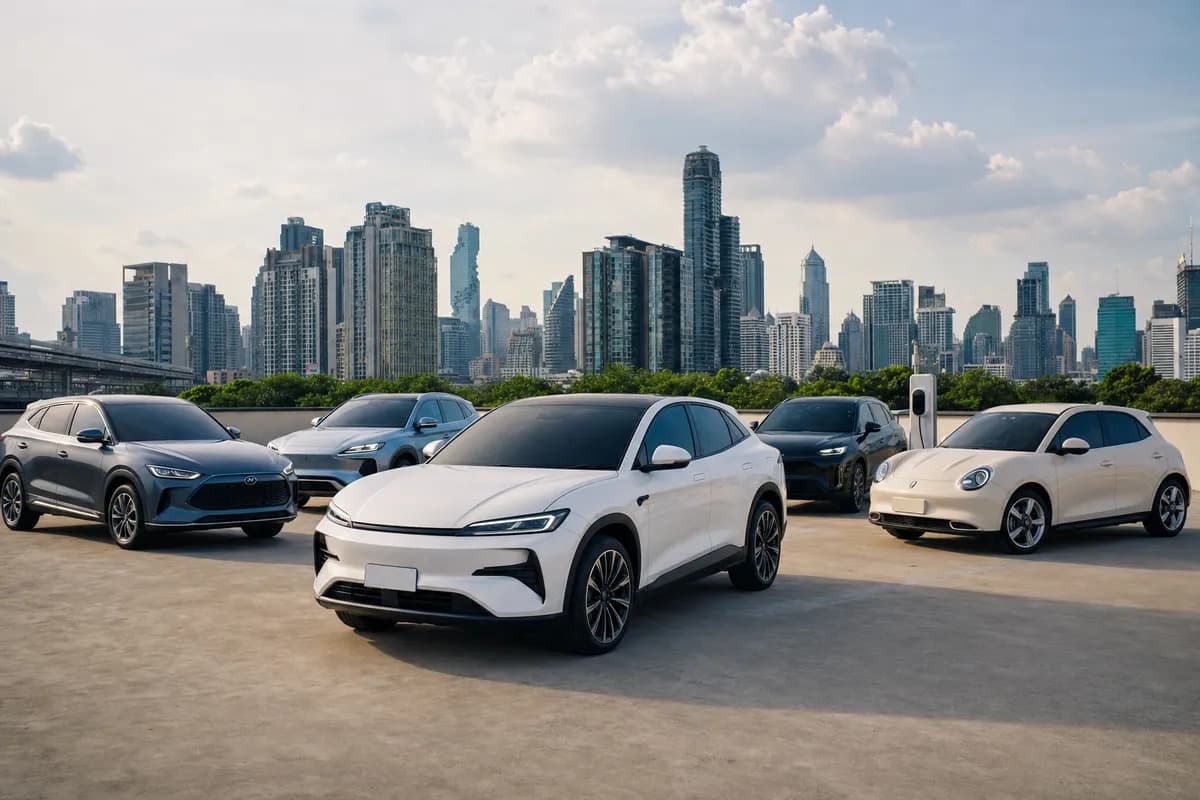
EV prices are dropping fast, pushing record 2026 sales as federal credits fade, and it could change what buyers choose next in 2027.
For years, the federal EV tax credit helped close the gap between electric cars and gasoline rivals. In 2026, that math is changing fast. Lower sticker prices are doing more to move metal than subsidies, and that shift is starting to redraw the U.S. EV market.
2026 EV sales are rising for a different reason
The big story in 2026 EV sales is not just volume. It is what is driving that volume. After a period when incentives, lease loopholes, and tax credits carried much of the load, automakers are now leaning harder on simpler pricing: cheaper vehicles, sharper financing, and more trims priced for mainstream buyers.
That matters because the federal support picture is less certain than it was a few years ago. Eligibility rules tied to battery sourcing and assembly already narrowed which models qualified for the full U.S. consumer credit. On top of that, buyers have grown wary of shopping around a subsidy that can change with policy, income limits, or manufacturing rules.
What they understand immediately is the window sticker. If a compact or midsize EV lands close to a comparable gasoline or hybrid model, demand broadens beyond early adopters. That is the backdrop for record U.S. EV volume in 2026: more buyers are entering the market because more vehicles are simply priced better.
The shift also marks a more mature phase for the U.S. EV market. Subsidies can accelerate adoption, but they are not a permanent business model. When prices fall on their own, the strongest products and brands become easier to identify.
Tesla started the price war, but the field is changing
Tesla price cuts set the tone. Starting in 2023 and carrying through later model-year adjustments, Tesla repeatedly lowered pricing on the Model 3 and Model Y, forcing rivals to rethink margin targets and equipment strategies. The result was painful for residual values and profits, but it reset consumer expectations for what an EV should cost.
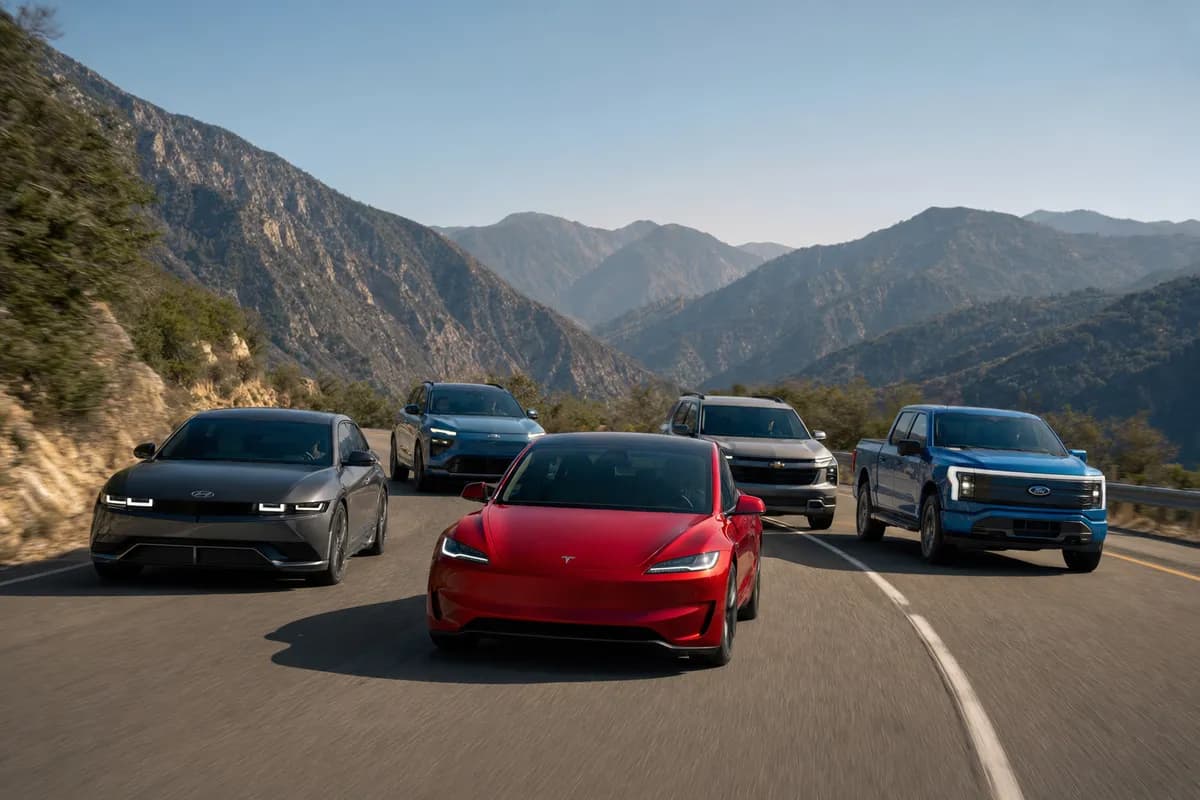
By 2026, Tesla no longer has the pricing conversation to itself. General Motors, Ford, Hyundai, and Kia now have clearer reasons to compete on transaction price, not just range and software. That is a more difficult contest for Tesla, especially as its core lineup ages and competitors offer fresher interiors, better feature packaging, and in some cases stronger lease deals.
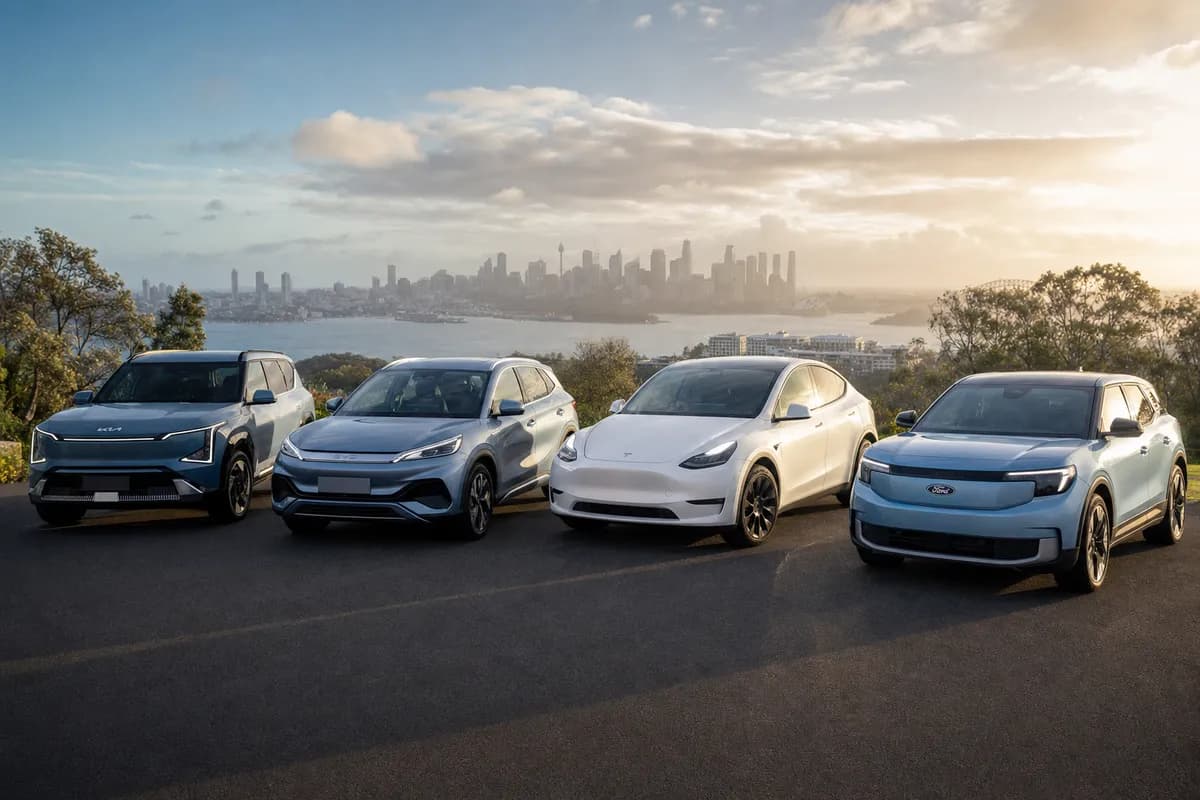
The most important point is that lower prices are no longer synonymous with one brand. Buyers shopping below the luxury tier can now cross-shop several credible battery-electric options. That was not true in the same way even two years ago.
Key models shaping 2026 demand
- Tesla Model Y and Model 3: Still central to U.S. EV volume thanks to scale, charging access, and aggressive pricing.
- Chevrolet Equinox EV: A crucial GM product because it targets the heart of the crossover market at a more accessible price point.
- Chevrolet Blazer EV: Broader appeal than niche luxury EVs, though pricing discipline matters.
- Ford Mustang Mach-E: Competitive range and brand recognition, but Ford needs pricing and incentives to stay sharp.
- Hyundai Ioniq 5 and Ioniq 6: Efficient, fast-charging, and increasingly important as Hyundai expands U.S. production.
- Kia EV6 and EV9: Strong design and packaging, with the EV9 showing how three-row EVs can move toward the mainstream if prices fall.
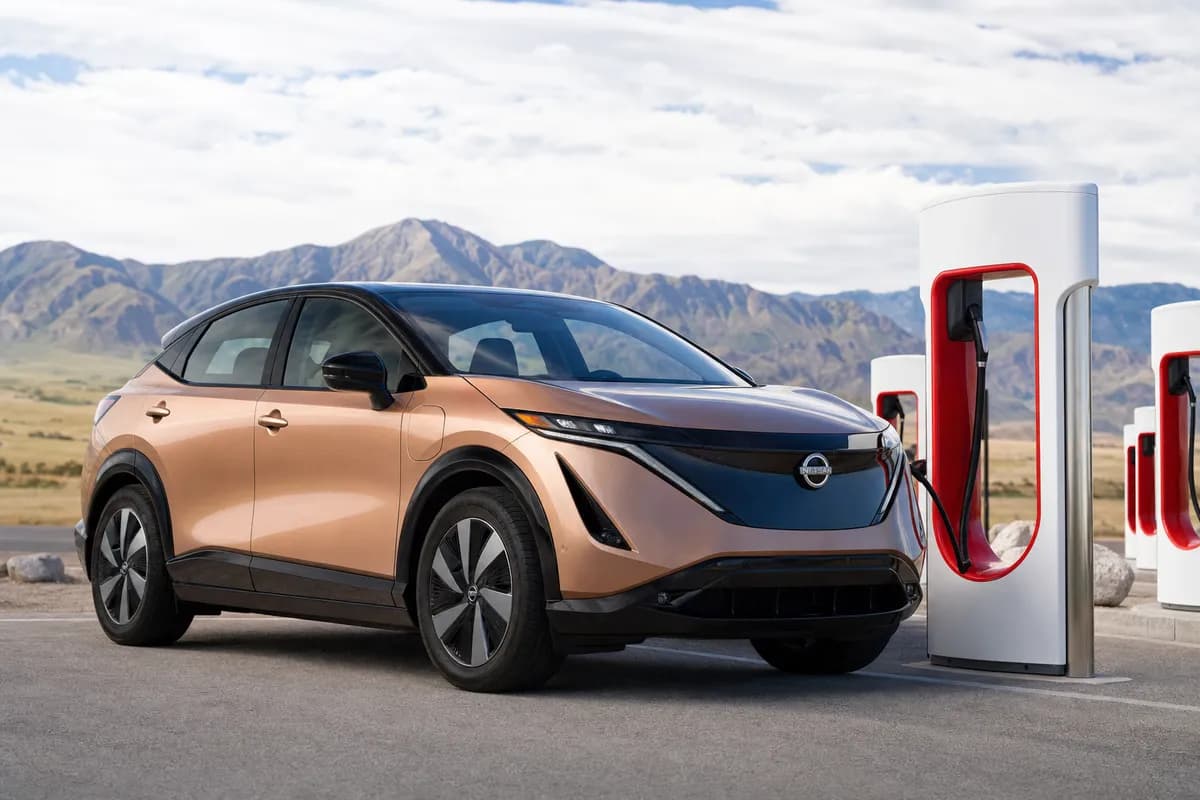
Tesla still benefits from brand awareness and the Supercharger network, even as more rivals gain access to it. But once that charging advantage becomes less exclusive, price and product freshness matter more. That is where Tesla faces a tougher 2026 and 2027 than it did earlier in the decade.
Why fading tax credits matter less than they used to
The federal EV tax credit is not irrelevant. For many households, a $7,500 incentive can still make or break a purchase. But the market is becoming less dependent on that support because automakers are finding ways to lower effective prices through manufacturing scale, domestic battery investment, and leasing.
Leasing has already blurred the tax-credit landscape. Commercial clean vehicle rules allowed many leased EVs to access incentive value even when retail eligibility was more complicated. That helped keep monthly payments attractive and gave brands a bridge while localizing supply chains.
Now another force is taking over: cost compression. Battery prices have eased from prior peaks, EV platforms are being used across more models, and U.S. assembly is reducing some political and logistical risks. Those are slower, less dramatic changes than a tax break, but they are more durable.
For buyers, this means the market is getting easier to understand. A lower MSRP, or a clearly lower lease payment, has more staying power than a subsidy with shifting rules. For automakers, it means products that only worked because of incentives are under more pressure.
What buyers are responding to in 2026
- Lower base prices: More EVs are entering the low-to-mid $30,000 range before incentives.
- Better lease offers: Monthly affordability often matters more than theoretical tax-credit eligibility.
- Charging access: Tesla’s network opening to other brands reduces one major barrier.
- Familiar body styles: Compact and midsize crossovers remain the volume core of the market.
- Improved efficiency: More range per kilowatt-hour helps lower operating costs even when electricity prices vary.
Who stands to win in 2026 and who must adjust for 2027
GM may be the biggest beneficiary if execution holds. The Chevrolet Equinox EV is exactly the kind of product the market needs: a mainstream-nameplate electric crossover positioned well below premium rivals. If GM can build enough of them, keep software issues in check, and avoid pricing drift, it has a real path to larger EV share.
Ford’s picture is more mixed. The Mustang Mach-E remains relevant, but Ford has already shown it understands that EV pricing can destroy profits quickly. Its challenge is to stay competitive without relying too heavily on discounts that erode margins, especially as it recalibrates future EV rollouts.
Hyundai and Kia look well placed because they have competitive dedicated EV architectures, good charging performance, and a broadening U.S. manufacturing footprint. That gives them a better shot at staying in the game as policy changes. If they can move more production and battery sourcing into North America, they become even stronger in 2027.
Tesla remains the benchmark for scale, but its advantage is narrowing in important ways. Price cuts can still stimulate demand, yet repeated reductions are harder to use as a strategic weapon once rivals have lower-cost products of their own. Tesla also needs fresh volume drivers, not just cheaper versions of familiar cars.
Brand outlook at a glance
- Tesla: Still a volume leader, but less protected by charging and more exposed to lineup age.
- GM: Strong upside if Equinox EV and other Ultium-based models hit price and production targets.
- Ford: Competitive products, but margin pressure remains a major constraint.
- Hyundai: Well positioned on technology and design; U.S. manufacturing scale is the next lever.
- Kia: Similar strengths to Hyundai, with standout utility in larger EV segments.
What affordable electric cars in 2027 will look like
The next stage of the market is not just more EVs. It is more affordable electric cars in 2027 that feel normal to buy, finance, and live with. That means practical crossovers, honest pricing, and charging access that does not require brand loyalty.
Buyers should expect more competition around the $30,000-to-$40,000 band, especially in compact and midsize utility vehicles. Some of the strongest products may not be the ones with the most headline-grabbing range. Instead, they will be the models that balance price, efficiency, reliability, and charging convenience.
There is also a broader industry implication. Once price becomes the main demand engine, EV adoption stops looking like a policy experiment and starts looking like a normal market transition. Brands that built plans around permanent incentives will struggle. Brands that can build compelling EVs at mainstream prices will pull ahead.
Lower prices are doing what subsidies alone never could: turning EV shopping into a straightforward value decision for a much larger group of Americans.
Verdict: the winners will be the brands that can make EVs feel ordinary
Record 2026 EV sales do not mean tax credits no longer matter. They mean the market is finally becoming less dependent on them. The brands best positioned for 2026 and 2027 are the ones that can offer good EVs at prices buyers recognize as reasonable before government help enters the picture.
That favors Tesla only if it keeps improving value, not just cutting prices. It gives GM a major opening with Chevrolet. It keeps Ford under pressure to balance growth and profitability. And it creates a clear lane for Hyundai and Kia as they expand U.S. production and push deeper into the mainstream.
For 2027 buyers, the takeaway is simple: the best EV deals may come from competition, not Washington. That is a healthier sign for the U.S. EV market than any single subsidy ever was.
Affiliate disclosure: This article contains affiliate links. RevvedUpCars may earn a small commission on qualifying purchases at no extra cost to you.