UK new car registrations jumped 11.4% in June as EVs hit a record 30% share, turning the ZEV mandate fight into a pricing battle.
Britain’s new car market found real momentum in June. Registrations rose 11.4% year over year, and battery-electric vehicles claimed a record 30% of the market, turning a policy fight into a pricing fight.
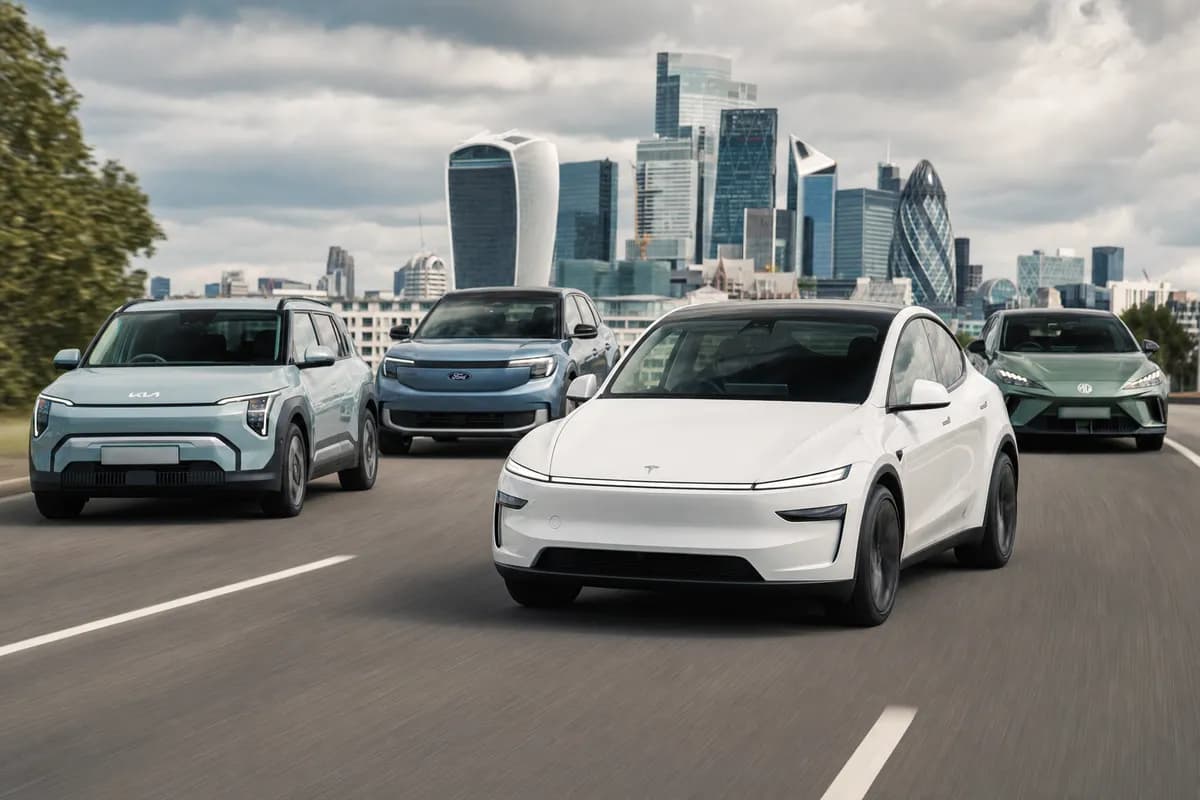
That matters well beyond one strong month. The surge sharpens the debate over the ZEV mandate 2026, while setting up a crucial 2027 battle between value-focused EVs like the MG4 and Kia EV3, volume crossovers like the Ford Explorer EV, and brand leaders such as the 2027 Tesla Model Y UK.
June 2026 was a milestone for the UK EV market
The headline number is simple: UK EV sales June 2026 hit a new high in share terms, with BEVs taking 30% of the market. At the same time, the broader new car market grew 11.4%, showing this was not just an EV gain caused by a weak overall market.
That combination matters. When EV share rises during a growing market, it suggests demand is broadening rather than simply shifting within a flat pool of buyers.
The UK has been trending toward this point for months, helped by heavy manufacturer discounts, salary-sacrifice demand, better fleet uptake, and a wider spread of compact and mid-size electric models. June’s result also shows how quickly EV mix can move once pricing becomes competitive enough in the mass market.
- New car market: up 11.4% in June 2026
- BEV share: 30% of the market, a record for June
- Key demand drivers: discounts, fleet demand, tax advantages, and more mainstream model choice
The big question now is whether 30% becomes a normal level in the second half of 2026, or whether it proves to be a peak driven by quarter-end and half-year tactics. Either way, it raises the pressure on carmakers arguing that EV targets are unrealistic.
Why the ZEV mandate fight just got harder for the industry
The UK’s Zero Emission Vehicle mandate requires carmakers to hit annual EV sales targets or use flexibilities and credits to comply. For 2026, that framework remains one of the most important forces shaping model pricing, dealer incentives, and fleet strategy.
June’s 30% BEV share gives both sides ammunition, but not equally. Carmakers lobbying for looser rules can still argue that profitability is under strain and that retail demand remains discount-dependent. But the government can now point to a market that is clearly capable of absorbing a much higher EV mix than it did just a year or two ago.
This is the core of the ZEV mandate 2026 fight: not whether EVs can be sold, but how much margin manufacturers must sacrifice to hit the targets. Many brands are meeting mandate pressure with cash support, subsidized finance, and tactical registration pushes rather than with naturally strong retail pricing power.
A 30% EV market share does not mean the policy debate is over. It means the argument shifts from “can this market reach the target?” to “who pays for reaching it?”
That distinction will shape 2027. Brands with efficient EV platforms, local scale, or room to cut prices stand to gain. Brands carrying high costs, weak lineups, or patchy dealer execution face a harder road, even if headline EV demand keeps rising.
Which mainstream EVs are best placed for 2027?
The next phase of the UK market will be defined less by early adopters and more by mainstream buyers comparing monthly payments. That favors EVs with clear value, practical range, and enough supply to support fleet and salary-sacrifice channels.
Tesla Model Y: still the benchmark, but under pressure
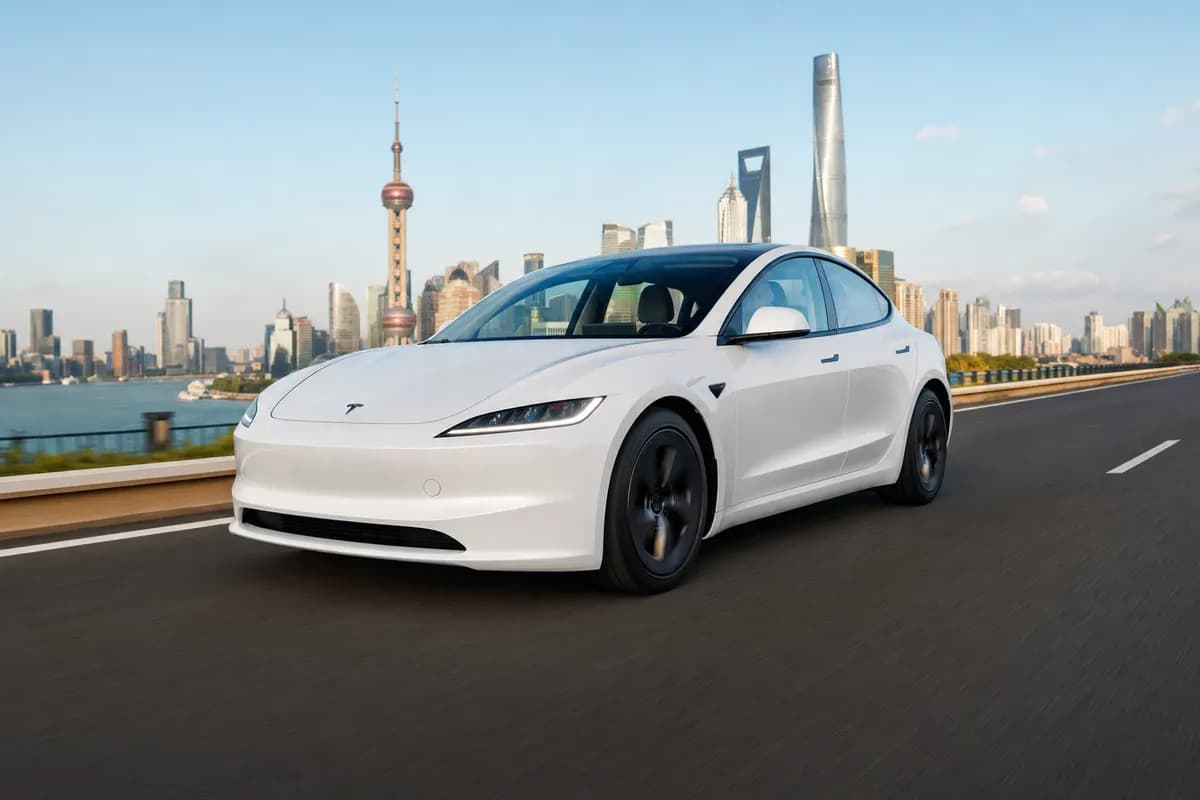
The 2027 Tesla Model Y UK story is less about whether the car remains competitive and more about whether Tesla can hold its pricing edge. Model Y still offers strong efficiency, charging access, software appeal, and brand recognition, all of which matter in the UK.
But the field around it is getting tougher. If rivals keep narrowing the gap on range, equipment, and finance offers, Tesla may need to lean further on price or trim-level strategy to protect share.
Kia EV3: one of the biggest winners from the market shift
The Kia EV3 looks well positioned for the next volume phase of UK EV growth. It brings a right-sized format for British buyers, strong design, and a brand with a solid reputation for warranty cover and everyday usability.
Most of all, it enters the market at the point where the UK needs more compact electric crossovers with believable monthly costs. In a market shaped by the mandate, that is a strong place to be.
Ford Explorer EV: a critical test for Ford’s UK EV push
The Ford Explorer EV has a real opportunity if Ford gets pricing, supply, and fleet execution right. The badge still carries weight in Britain, and the crossover shape sits in the market’s strongest demand zone.
But Ford cannot rely on brand equity alone. In a market now crowded with capable EVs, Explorer EV needs aggressive finance deals and strong real-world value to avoid being squeezed between cheaper Chinese-backed rivals and better-known segment leaders.
MG4: still the value disruptor others have to beat
The MG4 remains one of the most important cars in the UK EV market because it reset expectations on price. It proved that a mainstream electric hatchback could be good enough, spacious enough, and cheap enough to pull EV demand into the core of the market.
That does not guarantee long-term dominance. Rivals are responding, and MG’s own challenge is to maintain the value lead without losing margin or letting newer crossovers steal attention from traditional hatchbacks.
Winners and losers if the 30% EV share trend holds
If June is a sign of where the market is heading, some brands are heading into 2027 with a tailwind. Others may find that hitting volume targets becomes steadily more expensive.
- Best placed: Tesla, Kia, MG, and brands with efficient EV supply and strong finance support
- Potential gainers: Ford, if Explorer EV lands at the right price and reaches fleets in volume
- Most exposed: legacy brands with few affordable EVs and heavy dependence on ICE profits
- Key battleground: compact and mid-size electric crossovers, where most UK growth is now centered
The shape of the market is also changing. Hatchbacks still matter, but compact SUVs and crossovers now dominate the volume conversation, which helps cars like the Kia EV3, Ford Explorer EV, and Tesla Model Y.
That puts extra pressure on brands that still treat EVs as niche halo products or premium-margin experiments. In the UK, the mandate and the market are now pulling in the same direction, even if profitability still lags behind.
Verdict: June’s surge makes 2027 a pricing war, not a waiting game
The June result is not just another monthly registration story. 30% EV market share UK is a political marker and a commercial warning: the transition is moving into the mainstream, and carmakers will have less room to argue that demand simply is not there.
For buyers, that should mean more choice and more aggressive deals through 2027. For manufacturers, it means the winners will be the brands that can deliver desirable EVs at credible monthly costs, not just the ones with the loudest zero-emission messaging.
That is why the names to watch are clear. The 2027 Tesla Model Y UK remains the benchmark, the Kia EV3 looks like a timely mainstream hit, the Ford Explorer EV could become a serious volume player, and the MG4 still defines the value end of the market.
As the ZEV mandate 2026 battle rolls on, June’s data suggests one thing above all: the UK market is no longer waiting for an EV breakthrough. It is already in it.
Affiliate disclosure: This article contains affiliate links. RevvedUpCars may earn a small commission on qualifying purchases at no extra cost to you.