With the UK ZEV mandate tightening in 2026, carmakers are freezing 2027 EV factory calls. Here’s what it could change for your next British EV.
Britain’s car industry is caught between a sales mandate that tightens again in 2026 and factory decisions that cannot be made on a quarterly timetable. Any move to soften the rules may ease near-term pressure on manufacturers, but it could also delay the UK-built EVs ministers want on the road.
The UK ZEV mandate 2026 is now central to factory planning
The Zero Emission Vehicle mandate requires car makers to ensure that a set share of their new-car registrations are zero-emission. The target rises from 28% in 2025 to 33% in 2026 and 38% in 2027, before climbing more sharply later in the decade.
Manufacturers that fall short can buy credits from rivals that outperform, use certain flexibility mechanisms or face a financial penalty. Under the revised framework announced in 2025, the maximum penalty is £12,000 per non-compliant car, although credit trading means the real cost can vary widely between brands.
That is why the policy fight matters beyond Westminster. Carmakers say demand for EVs is growing, but not evenly enough across the market to match a rigid annual percentage target without large dealer incentives, discounting or costly credit purchases.
- 2026 ZEV target: 33% of each major manufacturer’s new-car registrations.
- 2027 ZEV target: 38%.
- 2030: new petrol and diesel-only cars are due to leave sale, although some hybrid models can continue until 2035.
- 2035: all newly sold cars and vans are intended to be zero-emission at the tailpipe.
The mandate applies to vehicles registered in Britain, not vehicles built here. That distinction is crucial: a manufacturer can meet its target with imported EVs, while a company that builds electric cars in Sunderland, Solihull or Ellesmere Port still needs a competitive business case for the factory itself.
Reports of delayed decisions should therefore be treated carefully. No single “UK industry freeze” exists, and each manufacturer has different products, supply chains and deadlines. But uncertainty over 2026 and 2027 compliance costs makes boards less willing to approve long-term investment until they know the policy direction.
What the dispute could mean for UK EV factory investment
Building an EV is not simply a matter of replacing an engine with a battery. Plants need new body-in-white equipment, high-voltage assembly areas, battery logistics, trained staff and reliable supplies of cells, power electronics and software.
Those projects run for years and cost hundreds of millions of pounds. A softer mandate could reduce the urgent need to sell EVs at discounted prices, but it could also weaken the certainty suppliers use when deciding whether to locate battery and component production in the UK.
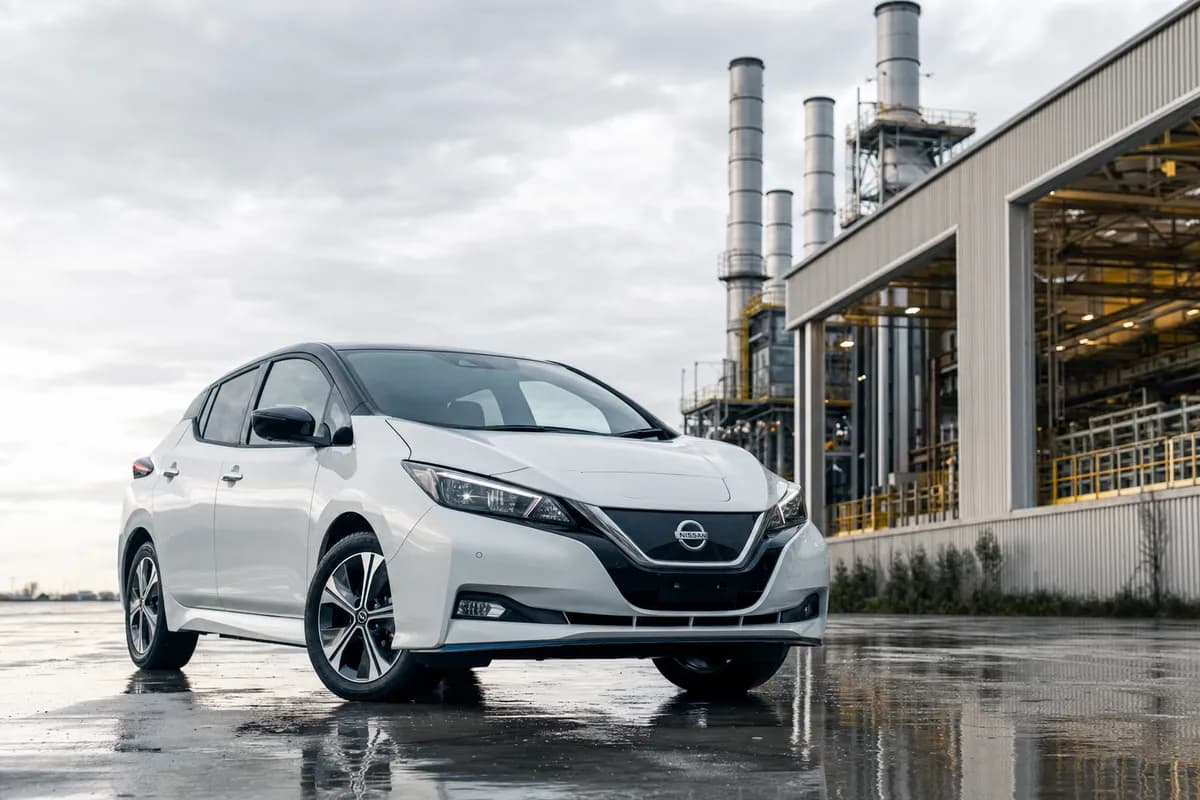
Nissan’s Sunderland operation is the strongest near-term test. The company committed up to £3 billion in 2023 for three electric models in Britain, including future electric versions of the Qashqai and Juke alongside the next Nissan Leaf, supported by AESC battery investment.
JLR has also committed to electrification at Solihull, where the electric Range Rover is due to be built. BMW, by contrast, has already demonstrated how quickly plans can move: in February 2025 it delayed previously announced electric MINI production at Oxford, while the current electric MINI Cooper and Aceman are produced in China.
Stellantis presents a different case. Its Ellesmere Port factory has been converted to build electric vans, including Vauxhall, Opel, Peugeot, Citroën and Fiat Professional products. That gives the site a defined EV role, but it does not make Vauxhall’s passenger-car range British-built.
| Model or programme |
UK production link |
Current position |
What 2027 could mean |
| Nissan Leaf |
Sunderland |
New-generation Leaf is part of Nissan’s UK EV plan |
A key measure of whether EV36Zero investment converts into UK-built customer cars at scale |
| Range Rover Electric |
Solihull |
JLR has confirmed Solihull production for its first electric Range Rover |
Demand and margins will matter more than mandate volume alone for a premium model |
| MINI Cooper Electric |
Not currently Oxford-built |
Current electric Cooper is made in China; Oxford EV production plans have been delayed |
British buyers can buy one, but their purchase does not currently support UK EV assembly directly |
| Vauxhall electric vans |
Ellesmere Port |
Plant builds electric light-commercial vehicles for Stellantis brands |
Fleet demand and van-market rules will be central to output and jobs |
The 2027 Nissan Leaf, electric Range Rover and MINI Cooper are not equal cases
The 2027 Nissan Leaf is likely to be the clearest mainstream example of British EV production. Nissan has positioned the new Leaf as a crossover rather than the hatchback shape of its predecessors, and has quoted up to 375 miles of WLTP range for the larger 75kWh battery version.
Exact UK trim levels, pricing and delivery timing remain subject to Nissan’s final market plans. But Sunderland production gives the Leaf more direct relevance to the UK EV factory investment debate than most imported rivals in its class.
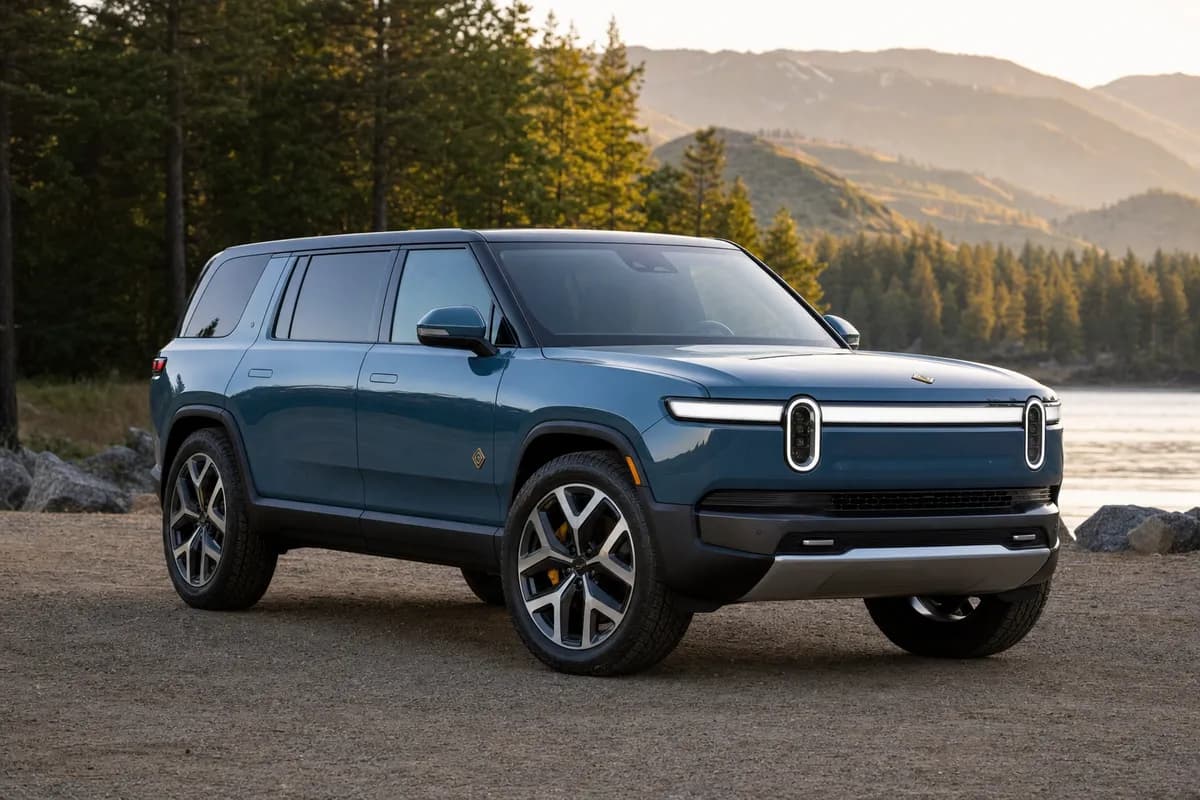
The JLR electric Range Rover sits at the other end of the market. It will be a high-priced luxury SUV, where customers are less dependent on monthly-payment deals than buyers of affordable hatchbacks, but where battery performance, charging refinement and residual values will be scrutinised closely.
JLR has not yet published final customer specifications, range or UK pricing for the production car. Its importance is industrial as much as commercial: Solihull is being retooled for electric architecture while JLR develops battery capability and prepares a broader electric range.
The electric MINI Cooper illustrates a more uncomfortable reality for British buyers who want to support domestic manufacturing. The latest battery-electric Cooper is a strong small EV, but it is built in China, and BMW’s pause means Oxford is not due to become its EV production base on the originally expected timetable.
Vauxhall is similarly easy to misunderstand. Vauxhall sells electric passenger cars such as the Corsa Electric, Mokka Electric and Astra Electric, but its UK manufacturing story currently centres on Ellesmere Port’s electric vans. A buyer choosing a Vauxhall EV may support the brand’s UK retail network, yet that does not necessarily mean the car was assembled in Britain.
Will softer ZEV rules make EVs cheaper for British drivers?
Not automatically. A demanding mandate can prompt manufacturers to subsidise finance deals, offer deposit contributions and cut lease payments to move enough EVs before the registration deadline. That can produce attractive offers, especially on cars that need volume.
Relaxing the rules could reduce the need for those tactical discounts. It may protect manufacturer margins and reduce pressure on dealers, but it could also mean fewer cut-price EV offers for private buyers in the short term.
There is a longer-term counterargument. Stable rules can support larger production volumes, a deeper used-EV market, more public charging investment and lower battery costs. Those factors are more likely to make electric motoring affordable than a one-year registration push.
- For new-car buyers: watch monthly finance costs, insurance groups and charging tariffs, not just list price.
- For used-car buyers: greater new-EV volume usually creates more choice and lower prices after three to four years.
- For company-car drivers: Benefit-in-Kind tax remains a major EV advantage, although rates are scheduled to rise gradually.
- For rural and flat-dwelling drivers: charging access may matter more than any mandate target.
The government’s challenge is to avoid treating the choice as either strict targets or no targets. Carmakers need a credible pathway, workable flexibilities and faster charging deployment. Consumers need confidence that an EV will be practical, affordable and retain sensible value.
Verdict: policy certainty matters more than a short-term retreat
The pressure to revisit the UK ZEV mandate 2026 reflects a real problem: manufacturers cannot force every private buyer to switch at the same speed, particularly where home charging is unavailable or finance remains expensive. Sensible flexibility is not the same thing as abandoning the transition.
But a broad weakening of the 2026 and 2027 targets could create a different risk. It would tell global boards that Britain wants electric-car investment while becoming less certain about the market for the cars those factories will build.
For British drivers, the result will show up in choice as much as policy. A strong Sunderland-built Nissan Leaf, a locally built electric Range Rover and a thriving Ellesmere Port van operation would give the UK tangible industrial stakes in electrification. Delayed decisions, meanwhile, would leave buyers with more imported EVs and fewer domestic jobs attached to them.
Frequently Asked Questions
What is the UK ZEV mandate target for 2026?
The UK ZEV mandate requires major car makers to make 33% of their new-car registrations zero-emission in 2026. The target then rises to 38% in 2027, with credit trading and other compliance mechanisms available.
Will the 2027 Nissan Leaf be built in the UK?
Nissan has included the next-generation Leaf in its Sunderland EV production plan. Final UK delivery timing and specifications are still for Nissan to confirm, but the model is central to the company’s British EV manufacturing strategy.
Will the electric Range Rover be made at Solihull?
Yes, JLR has confirmed that the electric Range Rover will be produced at its Solihull plant. The company has yet to disclose final production-model range, pricing and full technical specifications.
Is the electric MINI Cooper built in the UK?
No, the current battery-electric MINI Cooper is built in China. BMW has delayed its plan to begin electric MINI production at Oxford, so buying an electric Cooper does not currently mean buying a UK-built EV.
Get the latest car reviews in your inbox
Join thousands of car enthusiasts. No spam, unsubscribe any time.



Comments
Leave a comment