Used EV sales surged to a June 2026 record, reshaping resale values and 2027 pricing while raising battery-health questions for new buyers.
June 2026 was a breakout month for the used electric-car market. Pre-owned EV sales reached a new record in the U.S., signaling that affordability—not novelty—is now driving the next phase of EV adoption. That shift matters well beyond dealer lots, because it will influence 2027 electric car prices, resale assumptions, and how first-time buyers judge battery risk.
Used EV sales in June 2026 hit a turning point
The headline is simple: used EV sales June 2026 climbed to their highest monthly level on record as lower prices, broader inventory, and improved buyer confidence pulled more shoppers into the market. Industry trackers have been showing the same pattern for months—used EV listings are moving faster, transaction prices have stabilized after steep declines in 2023 and 2024, and mainstream buyers are stepping in where early adopters once dominated.
That matters because the used market is where EVs either become normal consumer products or remain niche. New EV sales can be boosted by incentives and fleet deals. The second-hand market is more exposed to what ordinary households actually want: a predictable payment, acceptable range, and confidence that the battery will last.
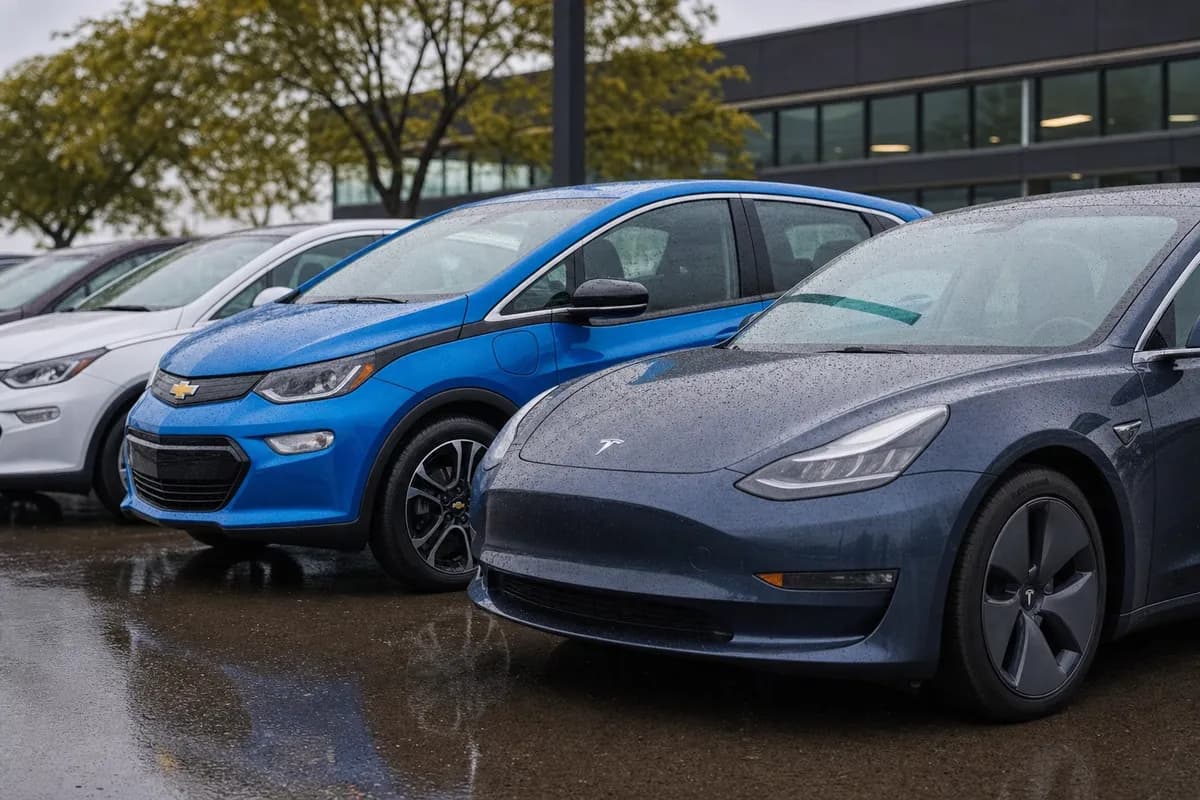
Several forces came together in June. Off-lease Teslas, Hyundai Ioniq 5s, Kia EV6s, Nissan Leafs, and Chevrolet Bolts expanded supply. At the same time, average used EV prices stayed well below comparable new models, even after the market’s earlier price correction absorbed much of the shock from Tesla’s repeated new-car price cuts.
Why demand is surging: affordability, tax credits, and better model choice
The used EV story in 2026 is mostly an affordability story. After years of high MSRPs and volatile pricing, buyers can now find late-model EVs at price points that compete directly with used compact SUVs and midsize sedans. For many households, this is the first time an EV pencil-outs without stretching the budget.
The federal used clean vehicle credit has also helped anchor demand. For eligible vehicles sold by a dealer, qualified buyers can get up to $4,000 off, subject to income and price caps. That incentive has been especially important for sub-$25,000 models, where a few thousand dollars can decide whether a buyer enters the EV market at all.
Model availability has improved sharply. Buyers are no longer choosing between a handful of compliance cars and premium EVs with uncertain repair paths. In many regions, the used inventory now spans city cars, crossovers, pickups, and long-range family vehicles.
- Tesla Model 3 and Model Y: Still the volume leaders in many used EV searches, with strong charging access and familiar software.
- Chevrolet Bolt EV and EUV: A price-driven favorite thanks to practical range and lower entry costs.
- Ford Mustang Mach-E: More common on the used market as lease returns rise.
- Hyundai Ioniq 5 and Kia EV6: Attractive to buyers who want fast charging and newer design.
- Nissan Leaf: Continues to draw budget shoppers, though range and battery considerations remain more limiting.
Lower operating costs are part of the pull as well. A used EV may still cost more upfront than an older gas car, but many buyers now understand the fuel and maintenance trade-off. With gasoline prices still prone to spikes and routine service costs climbing, the used EV pitch has become easier to make.
What this means for Tesla resale value in 2026 and the Chevrolet Bolt used market
Tesla resale value 2026 remains one of the market’s most closely watched signals. Tesla’s aggressive price changes over the past few years hurt residual values, especially for owners who bought near peak pricing. But in 2026, the picture is more balanced: lower used prices have made Model 3 and Model Y vehicles more attractive, and stronger buyer demand is helping absorb inventory faster.
That does not mean Teslas have fully recovered their old pricing power. Instead, they appear to be settling into a more mature resale curve. Strong charging-network access, broad brand recognition, and over-the-air software support continue to help, but used buyers are now more price-sensitive and less willing to pay a premium simply for the badge.
The Chevrolet Bolt used market may be the most revealing part of the June surge. The Bolt EV and Bolt EUV have become gateway products for first-time EV buyers because they combine usable real-world range with relatively low purchase prices. In many markets, they sit in a sweet spot: cheap enough to qualify for budget shoppers, modern enough not to feel like compromised early-generation EVs.
The Bolt’s reputation has also improved since GM’s battery-recall saga was resolved through module replacements and pack remedies. For some buyers, that history is no longer a warning sign—it is reassurance that many cars on the market have refreshed battery components and documented service records. That has supported resale demand more than many analysts expected two years ago.
- Tesla advantage: Charging ecosystem, software, market familiarity.
- Tesla risk: Price volatility on new models can still pressure used values overnight.
- Bolt advantage: Affordability, straightforward packaging, strong value per dollar.
- Bolt risk: Slower DC fast charging and a more basic ownership experience than newer rivals.
If June 2026 proved anything, it is that both vehicles can succeed in the used market for different reasons. Tesla attracts buyers who want the most established EV experience. The Bolt wins shoppers who simply want an electric car that is attainable.
Battery health is still the biggest question—and the market is learning how to price it
Used EV battery health remains the central concern for many shoppers, but the fear is becoming more measurable. Buyers are increasingly asking for state-of-health reports, charging-history information, and battery warranty details before signing. Dealers and marketplaces that can provide that data are gaining an edge.
This is one of the biggest structural changes in the used EV business. A gasoline car’s mechanical condition can often be judged by mileage, service records, and a test drive. A used EV needs a different checklist, with battery performance at the center.
What buyers should check on a used EV
- Battery warranty status: Many EVs still carry 8-year/100,000-mile coverage, with some brands offering more.
- State of health: A battery diagnostic can show remaining usable capacity relative to new.
- DC fast-charging history: Heavy fast-charging alone is not a deal-breaker, but it is worth understanding in context.
- Software and recall history: Confirm updates and campaign work have been completed.
- Real-world range: Compare current displayed range and owner reports with original EPA estimates.
The good news is that battery durability data has generally been better than many skeptics predicted. Most modern EVs do not lose range in a sudden cliff-like pattern. Degradation is typically gradual, which makes used values easier to model and buyer confidence easier to build.
Still, battery uncertainty will continue to separate winners from losers in the second-hand market. Models with strong thermal management, clear diagnostics, and solid warranty coverage should hold value better than EVs with weaker documentation or less predictable range retention. That is already visible in how shoppers compare a used Tesla or Bolt with an older Leaf.
How the used EV boom could shape 2027 electric car prices and buyer behavior
The June record is not just a used-car story. It will feed back into how automakers think about 2027 electric car prices on the new-car side. A healthier used market improves residual values, and better residual values can support lower lease payments. That gives automakers more room to move metal without relying solely on direct cash discounts.
If used EV demand stays strong into late 2026 and early 2027, several pricing effects are likely. First, brands may feel less pressure to slash new-EV prices as aggressively as they did during the market reset. Second, leasing could become more competitive because future resale assumptions will look less risky. Third, entry-level new EVs may face tougher scrutiny if lightly used alternatives offer better value.
That last point is critical. A shopper comparing a new compact EV at roughly $35,000 with a two-year-old Model 3, Bolt EUV, or Ioniq 5 at a much lower transaction price may decide that buying used is the smarter move. If enough consumers reach that conclusion, automakers will have to sharpen pricing, financing, or features on 2027 models.
The used EV market is no longer just where depreciation shows up. It is becoming the place where the industry’s pricing discipline gets tested.
First-time buyers will drive much of this change. They are less attached to the newest hardware and more focused on monthly cost, charging access, and trust. If used EVs continue to deliver on those basics, they could bring a large new customer base into electric driving without waiting for brand-new cars to get dramatically cheaper.
Verdict: June’s record suggests the EV market is getting more normal
The surge in used EV sales June 2026 is a sign of maturation, not hype. Buyers are finding real value in pre-owned electric cars, and the market is learning how to price battery condition, brand strength, and depreciation with more confidence. That is good news for affordability and a necessary step toward broader EV adoption.
For Tesla, stronger used demand helps steady resale values even if old price volatility still lingers. For the Chevrolet Bolt used market, the takeaway is even clearer: low-cost, practical EVs have a large audience when the price is right. And for shoppers worried about used EV battery health, better diagnostics and warranty transparency are turning a once-vague fear into a manageable buying factor.
Heading into 2027, the second-hand market may do more to shape electric-car pricing than flashy new launches. If used EVs remain affordable, dependable, and easy to shop, they will force the new-car market to become more competitive. That is how EVs stop being early-adopter products and start becoming ordinary cars.
Affiliate disclosure: This article contains affiliate links. RevvedUpCars may earn a small commission on qualifying purchases at no extra cost to you.