The 2027 BMW X5 keeps its winning formula while adding electrification and a sharper cabin to stay ahead of the GLE and XC90.
In this article
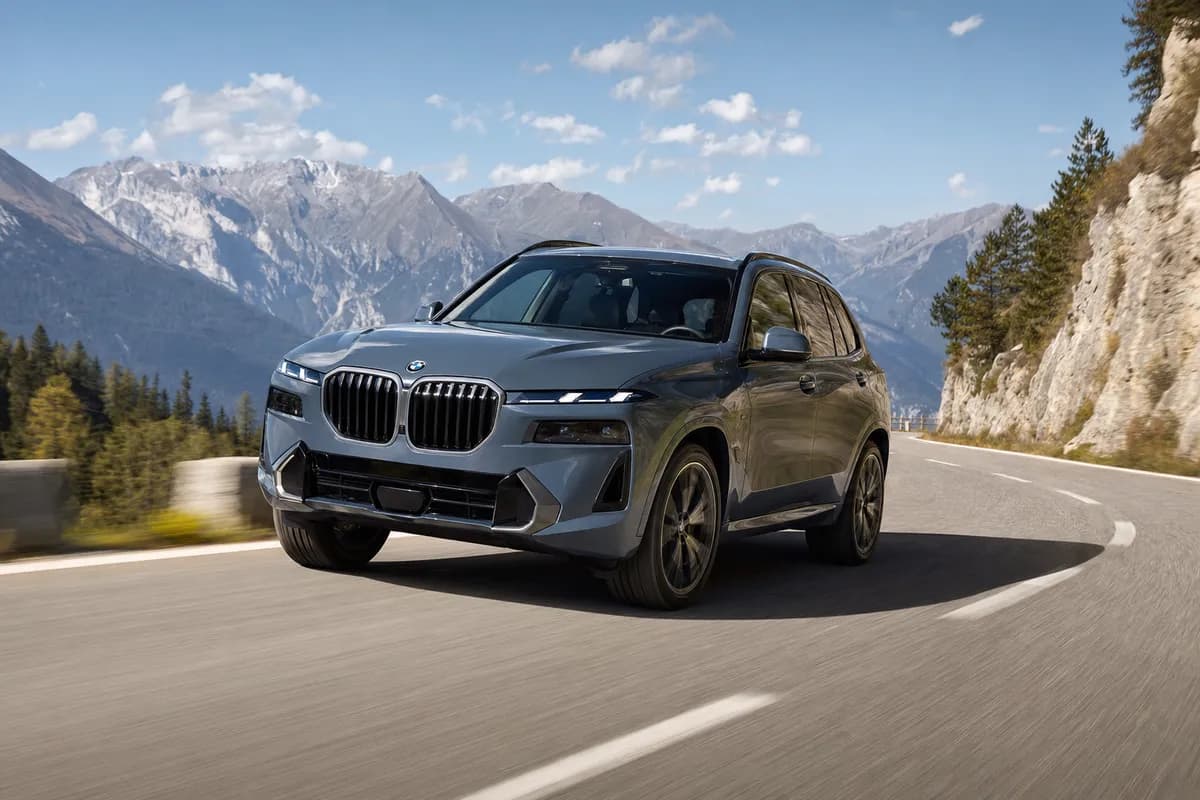
BMW didn’t reinvent the X5 for 2027. Smart move. What it’s done instead is sharpen the formula that made this SUV the default answer for wealthy parents who still enjoy an on-ramp: more electrification, a flashier cabin, and just enough dynamic polish to keep the Mercedes-Benz GLE and Volvo XC90 chasing.
This 2027 BMW X5 first drive matters because the segment is changing fast. Buyers now expect real hybrid range, seamless tech, and proper luxury without giving up the athleticism that made the X5 famous in the first place.
What’s New for the 2027 BMW X5?
The 2027 X5 is a heavy update rather than a ground-up redesign, but don’t mistake that for laziness. BMW has reworked the powertrain lineup, upgraded the electrical architecture, and given the cabin a more convincingly premium, more digital feel.
In Europe and North America, the heart of the range is expected to center on mild-hybrid gasoline and diesel options, plus a much-improved plug-in hybrid. The big story for many buyers is the BMW X5 hybrid 2027, which builds on the current xDrive50e’s formula with stronger EV usability, quicker charging capability, and smoother transitions between electric and combustion power.
X5 xDrive40i: turbocharged 3.0-liter inline-six with 48-volt mild-hybrid assist, around 375 hp
X5 xDrive50e: plug-in hybrid six-cylinder, expected around 480-490 hp combined
X5 M60i: twin-turbo 4.4-liter V8 with mild-hybrid tech, 523 hp territory
All models: eight-speed automatic, xDrive all-wheel drive widely available or standard depending on trim
That means BMW is still covering the whole luxury-SUV brief. You can have sensible, fast, or absurd. Better yet, most versions remain more engaging than the class average, which is not something you can say about every rival wearing a six-figure price tag.
First Drive Impressions: Still the Athlete of the Class
The X5’s core advantage hasn’t changed: it shrinks around you. For a mid-size luxury SUV tipping the scales north of 5,000 pounds in many trims, it still turns in with unusual precision and resists the lurchy, over-assisted nonsense that plagues softer competitors.
On the road, the steering remains quick if not overflowing with feedback. The front end bites cleanly, body control is excellent, and the brake pedal feels better calibrated than many hybrid SUVs, which often stumble when blending regen and friction braking.
The plug-in hybrid is the one to watch in this BMW X5 review 2027. In xDrive50e form, the outgoing model already produced 483 hp and 516 lb-ft, with 0-60 mph in roughly 4.6 seconds and an EPA electric range of 38 miles. If BMW nudges that formula forward for 2027 with a bit more battery usability and cleaner software integration, it will remain one of the best real-world powertrains in the class.
The M60i is still a sledgehammer. Its V8 punch is hilarious in a family SUV, and the 0-60 sprint sits around 4.2 seconds. But unless you truly want the noise and swagger, the six-cylinder models make more sense. They’re smoother than most four-cylinder rivals and less thirsty than the V8.
Advertisement
The X5 doesn’t drive like a sports car. It drives like an SUV built by people who remember what BMW used to stand for. That still counts for a lot.
Cabin and Tech: More Screen, Better Execution
BMW’s latest cabin treatment gives the X5 a cleaner, richer look without going full nightclub. The curved display setup remains dominant, pairing a 12.3-inch digital cluster with a 14.9-inch central touchscreen, but the 2027 execution feels less gimmicky and more polished.
Materials are mostly excellent where it matters. You get convincing leather options, sturdier trim finishes, and better ambient-light integration than some recent BMW interiors, which occasionally tried too hard to impress. The X5 now feels expensive in the right way, not just busy.
BMW Operating System 9 brings quicker graphics, better menu logic, and stronger connected services. Voice controls are improved, navigation remains one of the better native systems in the business, and smartphone integration is as easy as it should have been years ago.
Digital cluster: crisp, configurable, and finally less cluttered
Infotainment: fast response times, strong navigation, wireless Apple CarPlay and Android Auto
Practicality: roomy second row, useful split tailgate, competitive cargo flexibility
There are still a few annoying touch-heavy controls, because apparently every automaker has sworn a blood oath against physical buttons. But BMW’s system is less infuriating than Mercedes’ latest MBUX overload, and it’s worlds tidier than the aging Volvo interface in the XC90.
BMW X5 vs Mercedes GLE vs Volvo XC90
This is where the X5 earns its keep. The BMW X5 vs Mercedes GLE debate usually comes down to feel: the GLE majors on plushness, the X5 on balance. The Volvo XC90, meanwhile, still charms with Scandinavian design and safety credibility, but it is showing its age dynamically and digitally.
The Mercedes-Benz GLE rides softly and isolates well, particularly in higher trims with air suspension. But it can feel remote and slightly cumbersome on a twisty road, and its interior tech, while flashy, leans too hard on complexity. The BMW is cleaner to use and more composed when pushed.
The Volvo XC90 plug-in hybrid remains attractive on paper, especially in T8 form with around 455 hp. Yet it lacks the BMW’s steering precision, drivetrain smoothness, and overall polish. Volvo’s cabin still looks lovely, but the package no longer feels segment-defining.
BMW X5: best driver engagement, excellent PHEV, strong cabin quality, broad powertrain appeal
Volvo XC90: elegant design, solid safety story, aging platform, less competitive infotainment and dynamics
For shoppers doing a luxury SUV comparison 2027, the X5 still lands in the sweet spot. It’s not the softest, not the flashiest, and not the cheapest. It is, however, the most complete.
Efficiency, Value, and the Real Buying Decision
The smartest version is likely still the plug-in hybrid. If the 2027 model maintains or improves on the outgoing xDrive50e’s 38-mile EPA electric range, it will be one of the few luxury PHEVs you can genuinely use as an EV for short daily trips without sacrificing road-trip competence.
That matters because many buyers are not ready to jump into a full EV SUV. They want lower fuel bills, tax incentives where available, and silent school-run operation, but they also want a gas engine for longer drives. The X5 hybrid answers that brief better than most.
Pricing will likely continue to place the X5 above mainstream rivals and right in the thick of premium competition. Expect the six-cylinder models to start in the low-to-mid $70,000 range, with the plug-in hybrid pushing higher and the M60i marching deep into serious-money territory once options do their usual damage.
And yes, options still pile up like a casino tab. BMW remains extremely talented at turning “reasonable luxury purchase” into “why is this nearly $100,000?” Keep an eye on wheel size, trim packages, and tech bundles, because the standard car is often the better-riding, better-value choice.
Verdict: Is the 2027 BMW X5 Still the Benchmark?
Mostly, yes. The 2027 X5 doesn’t win by being radical. It wins by being ruthlessly competent in every area that matters, then adding a layer of driver appeal that the Mercedes GLE can’t quite match and the Volvo XC90 can no longer fake.
If you want the cushiest cruiser, buy the GLE. If you want minimalist Nordic vibes and don’t mind an older-feeling package, the XC90 still has charm. But if you want the best all-rounder, this 2027 BMW X5 first drive points to the same conclusion buyers have been reaching for years: the X5 remains the one to beat.
The best pick? The plug-in hybrid, assuming pricing doesn’t get silly. It’s quick, genuinely efficient, and truer to the modern luxury-SUV brief than the thirsty V8. In a class full of compromises, the X5 still feels suspiciously like the answer.
Affiliate disclosure: some links on this page earn us a commission at no extra cost to you.
Alex Torque is a lifelong gearhead who grew up in Detroit with motor oil in his veins. After a decade as a performance driving instructor at Laguna Seca and the Nurburgring, he traded his racing helmet for a keyboard—though he still logs track days whenever possible. Alex specializes in sports cars, supercars, and anything with forced induction. His reviews blend technical precision with the visceral thrill of pushing machines to their limits. When he’s not testing the latest performance machines, you’ll find him restoring his 1973 Datsun 240Z or arguing about optimal tire pressures. Alex believes that driving should be an event, not a commute.
Get the latest car reviews in your inbox
Join thousands of car enthusiasts. No spam, unsubscribe any time.



Comments
Leave a comment