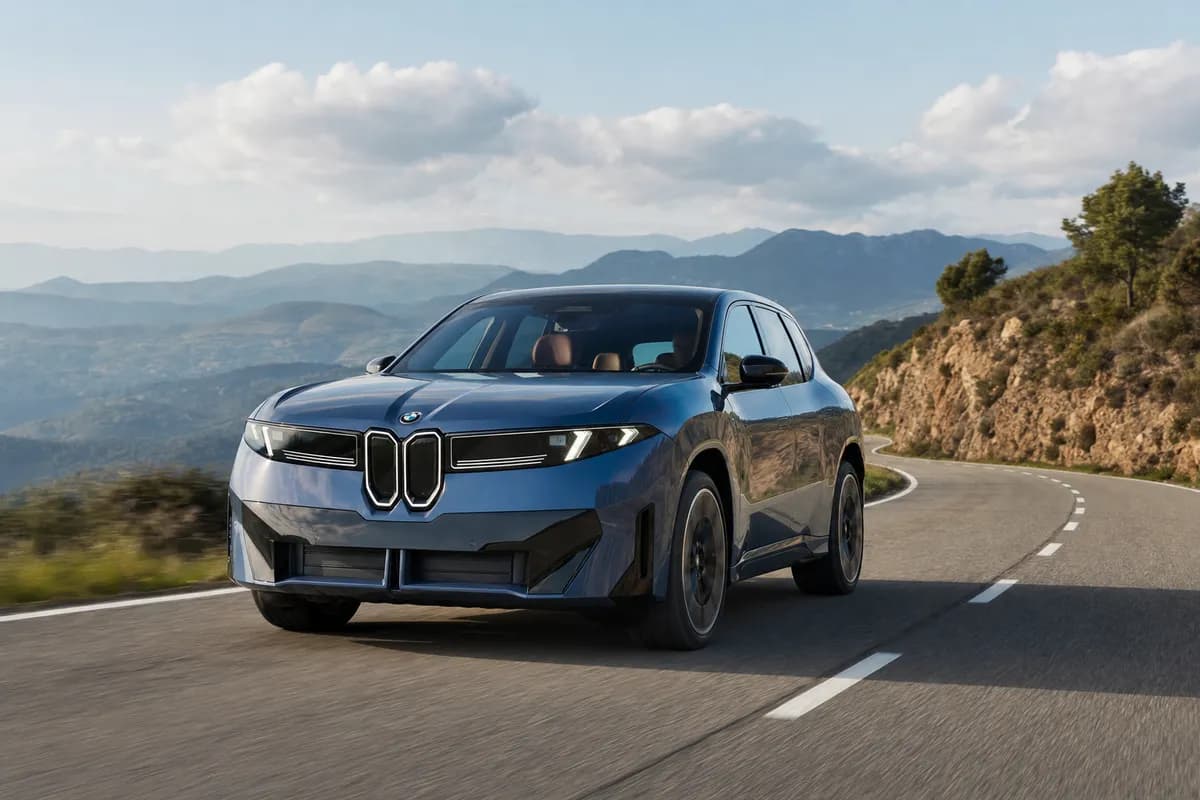
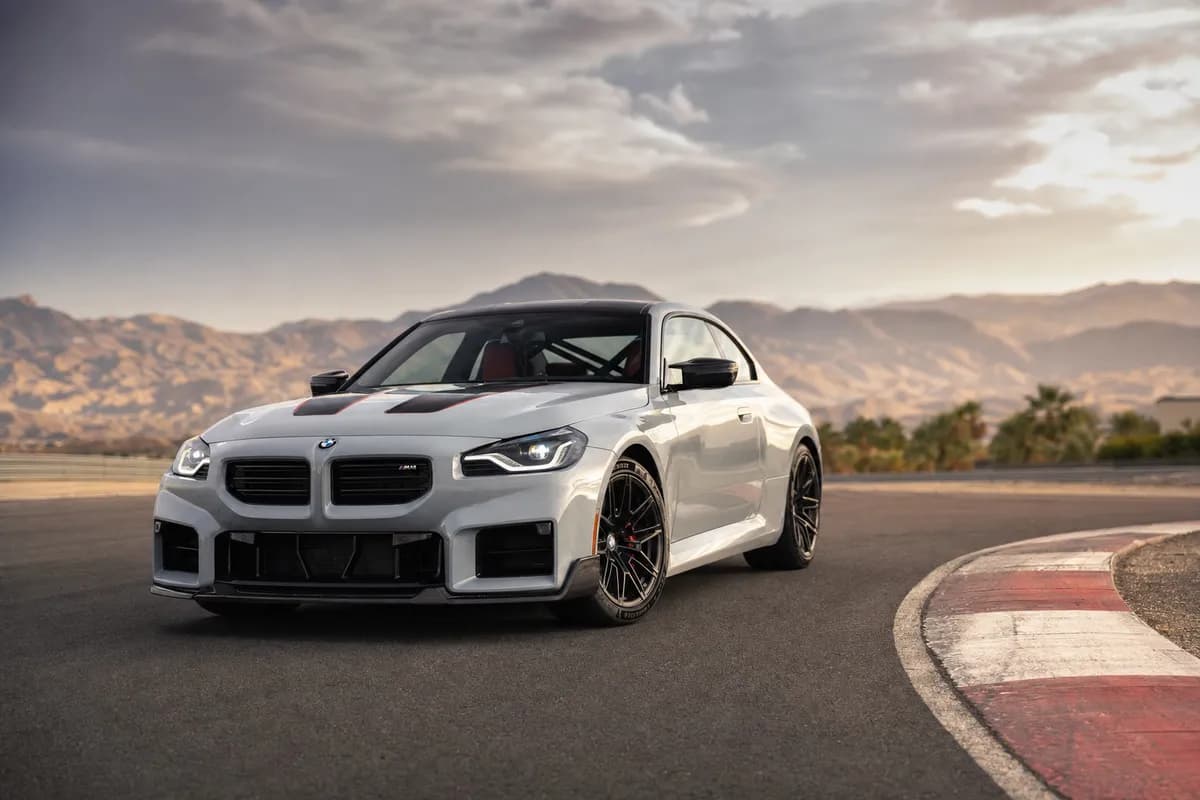
The 2026 BMW iX3 feels like BMW’s EV future finally landing—ambitious enough to challenge the Audi Q6 e-tron and Porsche Macan Electric.
BMW has spent years talking about its electric future. The 2026 iX3 is the first time that future feels fully formed, properly ambitious, and dangerous for its rivals.
This is the Neue Klasse moment: new EV architecture, new electronics, new motors, and a new benchmark to chase. The real question is simple: can this BMW iX3 first drive prove Munich has finally built the luxury electric SUV that beats the Audi Q6 e-tron and Porsche Macan Electric where buyers actually care — range, efficiency, tech, and how the thing drives?
The Neue Klasse SUV BMW Actually Needed
The outgoing iX3 was a competent placeholder. The 2026 BMW iX3 is not that. It is the first serious mainstream showcase for BMW’s Neue Klasse platform, and you can feel the shift immediately in both packaging and intent.
BMW says Neue Klasse brings 800-volt charging capability, a major leap in computing power, new cylindrical battery cells with higher energy density, and a big efficiency gain over today’s EV lineup. The company is targeting up to 30 percent faster charging, up to 30 percent more range, and around 25 percent better overall efficiency depending on model and spec. If those numbers hold in the real world, BMW hasn’t just caught up — it has skipped a development cycle.
That matters because the premium EV SUV segment is no longer forgiving. The Audi Q6 e-tron is already a deeply credible package with PPE underpinnings shared with the Porsche Macan Electric, while Porsche has built the class dynamic benchmark. The new iX3 doesn’t need to be merely good. It needs to be obviously better in enough areas to justify the badge, the price, and the hype.
Range, Charging, and Efficiency: This Is Where BMW Had to Land a Punch
On paper, the early signs are strong. BMW is pointing to WLTP figures that should put upper trims of the iX3 somewhere around or above 600 km, which translates to roughly the kind of real-world competitiveness needed to sit comfortably against the Audi Q6 e-tron and several Macan Electric variants. As ever, EPA numbers will matter more for U.S. buyers, but the core point is clear: the iX3 looks built to go far without dragging a massive battery around like dead weight.
That efficiency angle is arguably the bigger story. BMW has talked up improved aerodynamics, lower drivetrain losses, smarter thermal management, and new-gen battery chemistry. Premium EV buyers have learned the hard way that giant battery packs are an expensive bandage. Efficiency is what separates the clever cars from the heavy ones.
Here’s where the key rivals stand today:
- Audi Q6 e-tron: up to 321 miles EPA-estimated in U.S.-spec rear-drive form, with 800-volt charging and strong packaging.
- Porsche Macan Electric: blistering performance and superb chassis tuning, but efficiency varies widely by trim and wheel choice.
- 2026 BMW iX3: early factory claims suggest class-leading efficiency is a core engineering target, not a marketing afterthought.
If BMW delivers real-world consumption that undercuts both Audi and Porsche, that is not a minor win. It means quicker road-trip charging stops, better cold-weather resilience, and smaller penalties for choosing larger wheels or faster trims. In luxury EVs, efficiency is the difference between a product that feels polished and one that feels compromised.
Charging should be another iX3 strong suit. Neue Klasse’s 800-volt architecture is expected to support very high DC fast-charging rates, likely in the 270 kW range or better depending on battery spec. More important than the headline is the curve. The best EVs don’t just hit a big number once for a camera crew; they sustain useful charging power long enough to make 10-to-80 percent stops genuinely quick.
BMW iX3 vs Audi Q6 e-tron vs Porsche Macan Electric: The Tech Fight
BMW is not being subtle here. Neue Klasse introduces a new digital backbone, a next-generation operating system, and a panoramic display concept designed to push more information into the driver’s sightline without turning the cabin into a startup’s failed tablet experiment.
That last bit matters. Audi’s Q6 e-tron cabin is flashy and screen-heavy, with sharp graphics and plenty of wow factor, but it can also feel like it is trying a bit too hard. The Porsche Macan Electric is cleaner and more disciplined, though still deeply digital. BMW’s opportunity is to split the difference: modern without becoming irritating.
The most interesting piece is the new “superbrain” strategy. BMW says Neue Klasse vehicles will use vastly more powerful computing architecture to manage infotainment, automated driving functions, powertrain control, and vehicle dynamics. In plain English, that should mean quicker response times, smarter energy management, and more seamless integration between the car’s hardware and software.
Luxury buyers should care because weak software ruins expensive cars. It doesn’t matter how premium the leather feels if the interface lags, route planning is dumb, and preconditioning is hidden in submenus. BMW has historically been better than Mercedes at keeping core controls usable, and usually more intuitive than Audi once the novelty wears off. The iX3 needs to continue that trend, not sabotage it with gimmicks.
What the iX3 needs to get right
- Route planning with charging stops that reflect real consumption, weather, and elevation.
- Battery preconditioning that works automatically and transparently.
- Fast, stable software with minimal menu-diving for common functions.
- Driver displays that prioritize clarity over graphic-design theater.
So far, early impressions suggest BMW understands the assignment. That alone puts it in a strong place for anyone shopping the best luxury electric SUV for 2026.
Finally, the Important Bit: Does It Drive Like a BMW?
This is where BMW still has more to lose than most brands. If the iX3 is merely efficient and tech-rich, fine — that gets it on the shortlist. If it also drives with real balance, body control, steering fidelity, and predictable brake blending, then Audi has a problem and Porsche has a genuine rival.
Initial reports from prototype drives and engineering previews are encouraging. BMW’s new control architecture is said to process drivetrain and chassis inputs far faster than before, improving both stability and naturalness. That sounds dry until you drive a heavy EV on a broken road and realize how much software tuning determines whether it feels tied down or seasick.
The Macan Electric remains the dynamic reference. It hides mass brilliantly, turns in with real intent, and feels engineered by people who still believe driving should involve your wrists and inner ear. The Audi Q6 e-tron is more neutral and less playful, but it is composed, refined, and far more engaging than several bloated premium EVs from elsewhere.
The iX3 appears to be aiming squarely between them. Expect better ride comfort than the Porsche, sharper responses than the Audi, and a more rear-driven character than many two-motor luxury SUVs manage. If BMW nails steering calibration and brake feel — two areas where EVs often go to die — the iX3 could be the sweet spot of the segment.
The best BMW EV won’t be the one with the wildest launch control number. It’ll be the one that feels light on its feet when physics says it shouldn’t.
That has always been BMW’s trick when the company is on form. The good ones don’t just corner flat. They shrink around you.
Where the New iX3 Looks Strongest — and Where Caution Is Still Warranted
There is a lot to like here, but let’s not get drunk on pre-production optimism. BMW is making big claims, and the history of EV launches says some of those claims will get sanded down by reality, regulation, and option-list bloat.
The likely strengths are easy to identify:
- Efficiency that could set a class benchmark.
- Charging performance enabled by 800-volt hardware.
- Packaging improved by a dedicated EV architecture.
- Driving dynamics with more polish than most luxury EV SUVs.
The possible weak spots are familiar too:
- Price creep, especially once desirable options arrive.
- Wheel and tire choices that could hurt range and ride.
- Software complexity if BMW overthinks the interface.
- Real-world charging consistency in less-than-ideal conditions.
This is why the BMW iX3 vs Audi Q6 e-tron comparison is so important. Audi already has a mature, polished answer with excellent charging fundamentals. And the BMW iX3 vs Porsche Macan Electric matchup matters because Porsche still owns the emotional side of the segment. BMW has to beat one on logic and the other on feel. That is a brutal assignment.
Verdict: The Most Promising Luxury EV SUV of 2026, With One Job Left
The 2026 BMW iX3 first drive suggests BMW finally understands what a modern premium electric SUV must do. It must go far, charge fast, waste little, and feel expensive in ways that matter after the first week. Screens alone do not cut it anymore. Neither do giant batteries masking mediocre efficiency.
On early evidence, the new iX3 looks like the most complete Neue Klasse statement yet and a serious contender for the best luxury electric SUV of 2026. It appears better targeted than the old iX, more broadly appealing than the Macan Electric, and potentially more satisfying to drive than the Audi Q6 e-tron. That is not a small claim. It is a warning shot.
The final verdict will depend on production-spec range, pricing, and whether BMW’s software behaves like premium engineering instead of premium marketing. But if the company delivers what it is currently promising, the iX3 will not just join the top tier of electric SUVs. It may end up defining it.
Affiliate disclosure: This article contains affiliate links. RevvedUpCars may earn a small commission on qualifying purchases at no extra cost to you.