The 2026 BMW iX3 moves beyond battery-bolted vibes with Neue Klasse range, fast charging, and upscale cabin tech to challenge EV rivals.
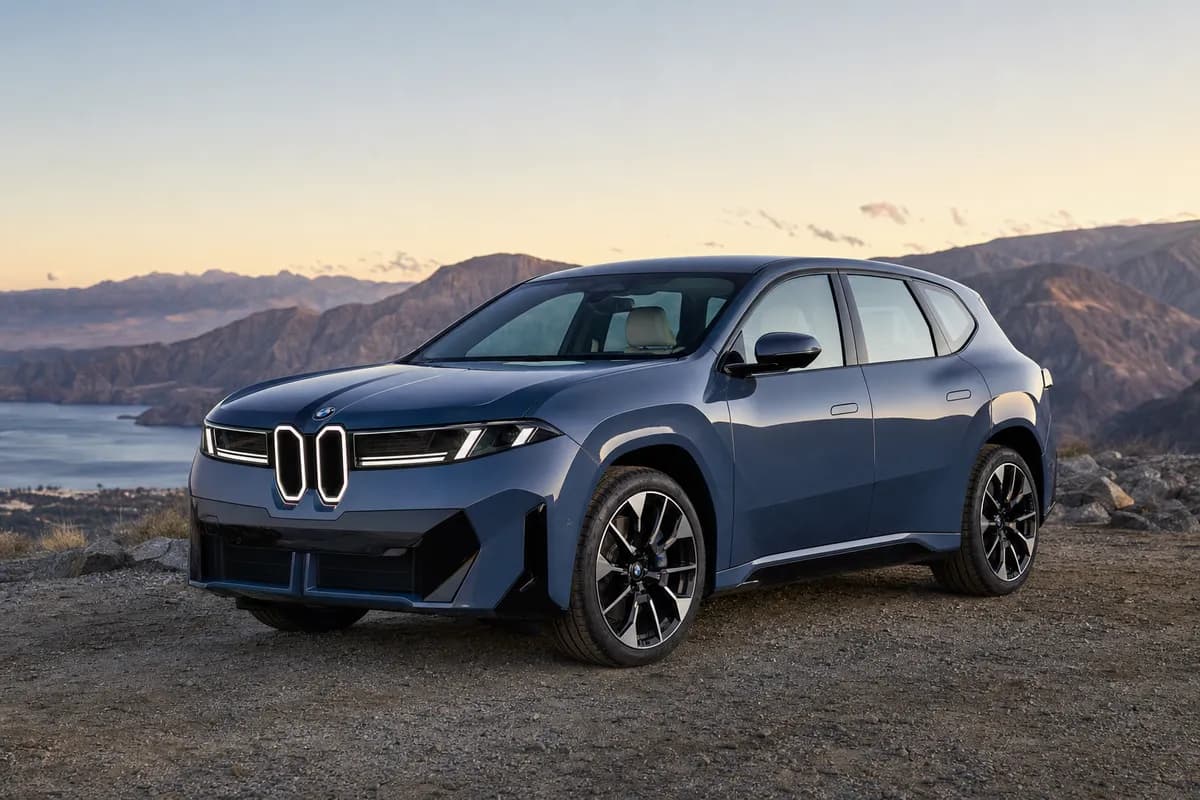
BMW has spent years selling electric SUVs that felt like petrol BMWs with a battery bolted underneath. The 2026 iX3 is different: a clean-sheet Neue Klasse EV with enough range, charging muscle, and cabin tech to make the Tesla Model Y look dated and give Porsche’s Macan Electric a proper headache.
The old iX3 was a sensible conversion job. The new BMW Neue Klasse iX3 is the real thing: an 800-volt electric SUV designed around BMW’s sixth-generation eDrive hardware, cylindrical battery cells, and a software-led electrical architecture BMW calls its “superbrains.” Yes, that name is mildly embarrassing. The hardware is not.
The launch version, the iX3 50 xDrive, uses a dual-motor all-wheel-drive system producing 345 kW, or roughly 463 horsepower. BMW quotes 0-62 mph in 4.9 seconds, which means this family SUV is quicker than a BMW X3 M40i in everyday traffic and will embarrass plenty of old M cars between traffic lights.
The more significant number is the battery. BMW fits a 108.7-kWh usable pack using new round lithium-ion cells with higher energy density than the prismatic cells used in previous BMW EVs. The company claims up to 805 km, or 500 miles, on the WLTP cycle. Expect the eventual EPA figure to be lower, but a real-world 330- to 370-mile highway range should be plausible if BMW’s efficiency claims survive contact with American interstates and 75-mph headwinds.
- Battery: 108.7 kWh usable lithium-ion pack
- System output: 463 hp / 345 kW
- Drivetrain: Dual-motor all-wheel drive
- Claimed WLTP range: Up to 500 miles / 805 km
- Peak DC charging: Up to 400 kW
- 10-80 percent DC charge: About 21 minutes under ideal conditions
BMW says the iX3 can add up to 230 miles of range in 10 minutes at a suitably heroic 400-kW charger. That is a useful claim, not brochure confetti. The caveat is obvious: 400-kW chargers remain uncommon, and charging curves matter more than peak figures. Still, the iX3’s 800-volt system puts it in the proper fast-charging league with Porsche and Mercedes, while Tesla’s Model Y is beginning to feel like yesterday’s excellent appliance.
BMW iX3 range and charging: the premium EV comparison gets serious
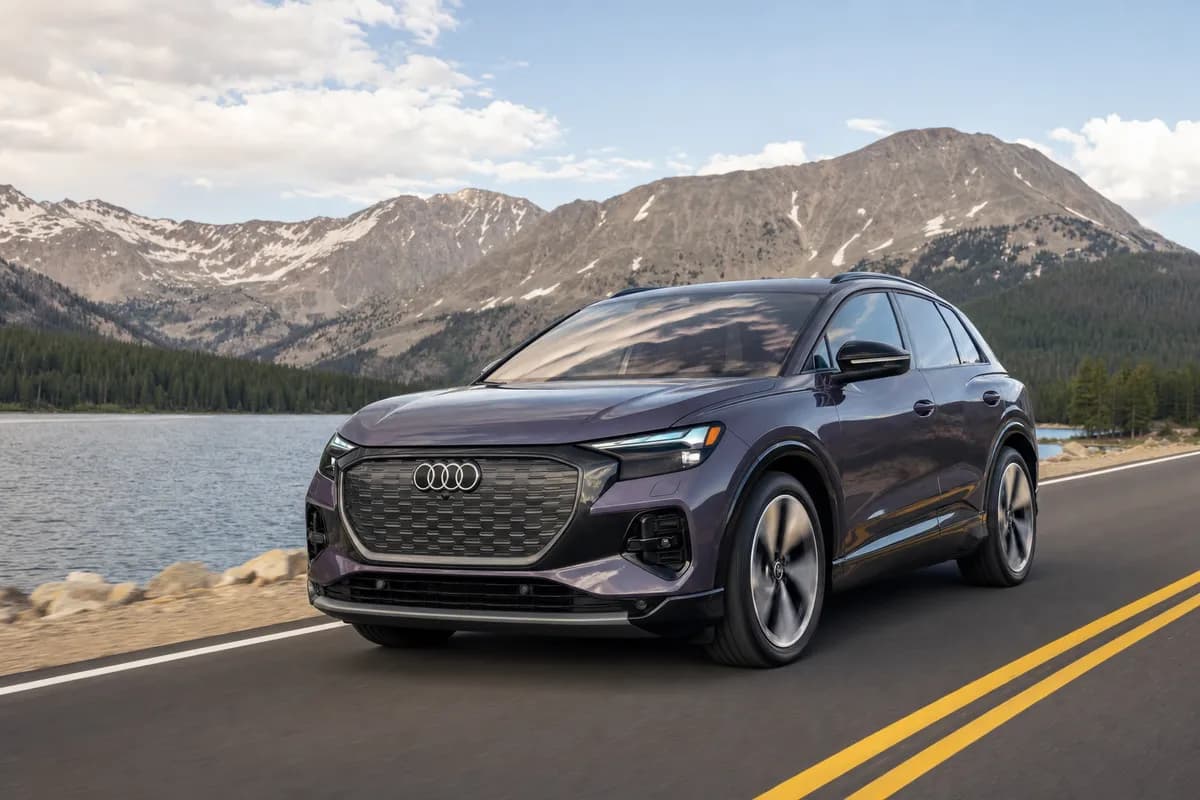
The BMW iX3 vs Porsche Macan Electric fight is more interesting than it first appears. The Porsche is the sharper tool, especially in Turbo form, but it is expensive enough to make your accountant develop a twitch. BMW’s new SUV appears to offer comparable long-distance capability with more space, more usable technology, and likely a less savage transaction price.
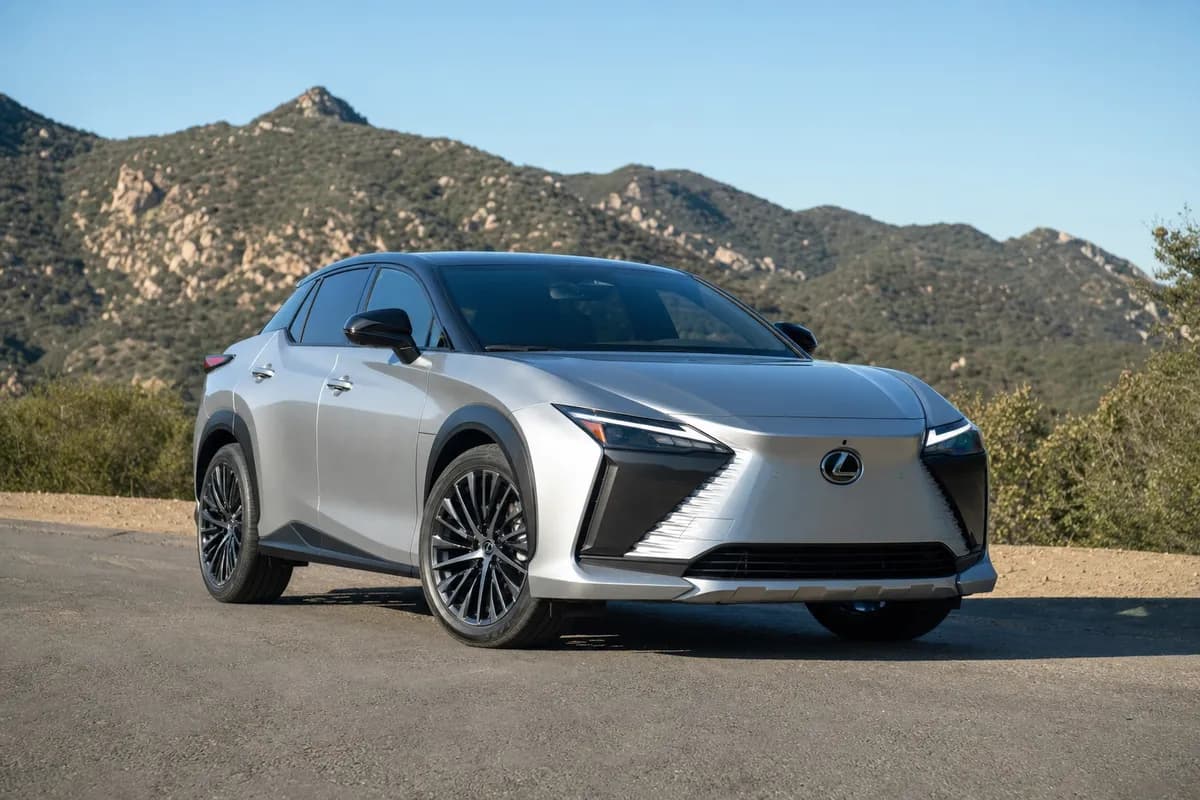
The Tesla Model Y remains the value and charging-network champion, but its advantages are shrinking. Tesla’s Supercharger network is still the least stressful public-charging ecosystem in North America, yet the iX3 will support 800-volt charging and should have access to compatible NACS infrastructure. The Mercedes-Benz GLC with EQ Technology is BMW’s closest luxury rival on paper, but Mercedes’ enormous grille and screen-heavy cabin will not be everyone’s idea of progress.
| Model |
Power |
0-60 mph |
Range |
Peak DC charging |
| 2026 BMW iX3 50 xDrive |
463 hp |
About 4.7 sec estimated |
Up to 500 miles WLTP |
400 kW |
| Porsche Macan 4 Electric |
402 hp with overboost |
4.9 sec |
308 miles EPA |
270 kW |
| Tesla Model Y Long Range AWD |
Not officially stated |
4.6 sec |
327 miles EPA |
250 kW |
| Mercedes-Benz GLC 400 4Matic with EQ Technology |
483 hp |
About 4.3 sec |
Up to 443 miles WLTP |
330 kW |
Those range numbers are not directly interchangeable. EPA and WLTP testing use different methods, and manufacturers are very good at finding the friendliest possible conditions. Even so, BMW’s 805-km WLTP claim is bold enough to matter. If the iX3 lands near 350 EPA miles, it will immediately become one of the most compelling long-range luxury electric SUVs on sale.
The Porsche Macan Electric remains the driver’s choice because it has the steering precision, damping control, and low-slung confidence of a proper Porsche. But the Macan 4 starts in serious-money territory, and the Macan Turbo is a six-figure indulgence. The iX3 looks positioned to deliver 90 percent of the road-trip usefulness, more cabin practicality, and enough pace to make the Porsche badge less decisive than Stuttgart would prefer.
Cabin tech: BMW has removed the instrument cluster, and that is not automatically madness
The iX3’s interior is where BMW makes its biggest bet. Traditional gauges are gone. In their place is BMW Panoramic Vision, a full-width display projected along the lower windscreen, supplemented by a large central touchscreen and an optional 3D head-up display.
This could have been a gimmick. Instead, it has the potential to solve a problem created by modern infotainment: drivers need information, but they do not need to hunt through a 17-inch tablet to find it. Speed, navigation prompts, and driver-assistance information live in the driver’s natural sightline, while secondary functions remain on the central screen.
BMW Operating System X runs the show, bringing customizable widgets, richer voice control, route-based charging planning, and over-the-air updates. The iX3 also uses four high-performance computing units, including BMW’s “Heart of Joy” control computer, which coordinates drivetrain, regenerative braking, steering, and stability systems far faster than a traditional collection of separate modules.
That sounds like technical theater until you consider what it can do. BMW claims the integrated control system enables smoother braking transitions and allows regenerative braking to handle the overwhelming majority of normal stops. A one-pedal EV should not feel like a supermarket trolley with a software update; the iX3 has the ingredients to feel more natural than most.
Luxury, however, will depend on material quality rather than processing power. BMW’s recent cabins have sometimes mixed lovely leather and metal with plastics that belong in a cheaper X1. The Neue Klasse design language is cleaner and more modern, but BMW needs to make sure the production iX3 feels expensive at the places your hands actually touch. A panoramic display will not rescue a flimsy door pull.
Luxury value and the real buying decision
The 2026 luxury electric SUV comparison comes down to priorities. Buy the Tesla Model Y if you want the easiest charging experience, strong efficiency, and a lower entry price; it remains brutally competent. Buy the Porsche Macan Electric if you care most about handling and can justify paying heavily for the privilege.
The Mercedes GLC with EQ Technology will appeal to buyers who want a plush, tech-saturated cruiser with serious power. But BMW has a more balanced proposition. The iX3 promises Macan-grade 800-volt hardware, near-Tesla efficiency potential, Mercedes-level digital sophistication, and the kind of practical SUV packaging BMW understands better than almost anyone.
Pricing will decide whether this is a knockout or merely a very good first round. If BMW keeps the iX3 50 xDrive meaningfully below a comparable Macan 4 Electric and avoids loading basic features into absurd option packages, it will be the premium EV sweet spot. If it wanders too close to $80,000 before options, the Porsche starts looking less irrational and the Tesla starts looking like theft.
Verdict: the BMW Neue Klasse iX3 is the electric SUV to wait for
The 2026 BMW iX3 is not just another electric crossover with a giant screen and a vague sustainability story. It is BMW’s first serious answer to the question Tesla, Porsche, Mercedes, and Chinese EV specialists have been asking for years: can Munich build an EV from scratch without losing its soul?
On the available numbers, the answer is yes. The iX3 should beat the Porsche Macan Electric on range and likely value, outclass the Tesla Model Y in cabin presentation and charging voltage, and challenge the Mercedes GLC with EQ Technology with a cleaner, more driver-focused interface.
My verdict: wait for the iX3 before signing for any premium electric SUV unless you absolutely need a car now. Porsche still owns the handling crown, Tesla still owns charging convenience, but BMW may have built the most complete package. That is the sort of thing that makes the luxury EV market suddenly very uncomfortable for everyone else.
Frequently Asked Questions
What is the expected range of the 2026 BMW iX3?
BMW quotes up to 805 km, or roughly 500 miles, under the WLTP test cycle for the iX3 50 xDrive. The eventual EPA rating will be lower, but the iX3 has the hardware to target roughly 330 to 370 miles of real-world range depending on weather, speed, and wheel choice.
How fast can the BMW Neue Klasse iX3 charge?
The iX3 supports DC fast charging at up to 400 kW thanks to its 800-volt electrical system. BMW claims a 10 to 80 percent charge in around 21 minutes and up to 230 miles of added range in 10 minutes under ideal charging conditions.
Is the BMW iX3 better than the Porsche Macan Electric?
The Porsche Macan Electric should remain the more engaging performance SUV, particularly in high-output Turbo form. The BMW iX3 looks better suited to buyers prioritizing range, rapid charging, cabin space, and luxury value over ultimate cornering brilliance.
Will the 2026 BMW iX3 have access to Tesla Superchargers?
BMW is adopting the North American Charging Standard, which should allow compatible BMW EVs to use much of Tesla’s Supercharger network. Exact access timing, adapter requirements, and charger compatibility will depend on the final North American iX3 specification and Tesla’s network rollout.
Get the latest car reviews in your inbox
Join thousands of car enthusiasts. No spam, unsubscribe any time.



Comments
Leave a comment