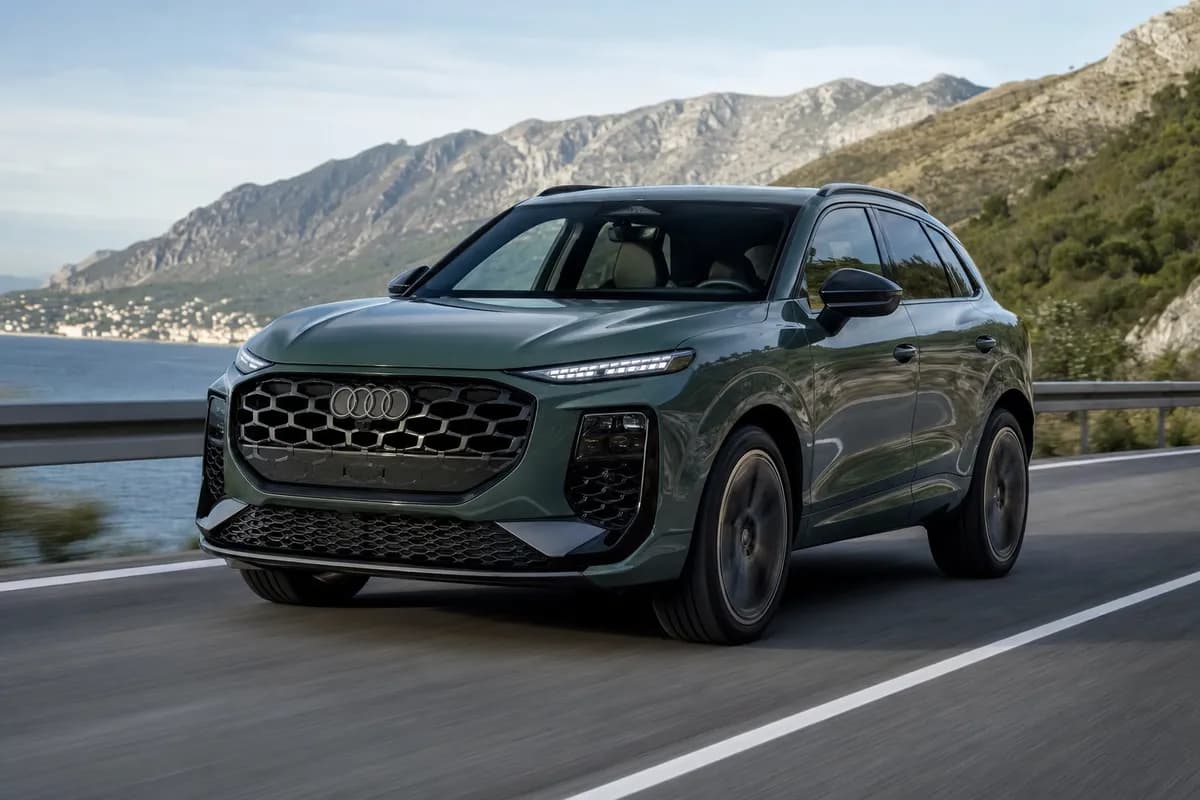
The 2026 Mazda CX-5 sharpens the drive, upgrades the cabin tech, and adds hybrid power. Does it finally outshine the CR-V Hybrid and RAV4 Hybrid?
The compact SUV class has become a blood sport. Buyers want 40 mpg, sane tech, real cargo space, and something that doesn’t feel like a dishwasher on stilts. The 2026 Mazda CX-5 arrives swinging at exactly the right moment.
A Bigger Moment for Mazda Than Another Routine Redesign
This 2026 Mazda CX-5 review matters because the old CX-5 was easy to admire and harder to justify. It looked great, steered better than most rivals, and had an upscale cabin, but the Honda CR-V Hybrid and Toyota RAV4 Hybrid kept winning shoppers with superior efficiency and practicality. Subaru’s Forester, meanwhile, kept cleaning up with outdoorsy buyers who value visibility, space, and standard all-wheel drive.
Mazda knows all of that. So the redesigned 2026 CX-5 doesn’t simply polish the sheetmetal and call it progress. It brings a sharper chassis, a new-generation interior interface, and, crucially, a stronger hybrid push aimed right at the heart of the segment.
That makes this Mazda CX-5 first drive more than a style check. It’s a reality test. Can Mazda finally build the compact SUV that enthusiasts and normal humans both want?
What Mazda Changed: Sharper, Smarter, and More Competitive
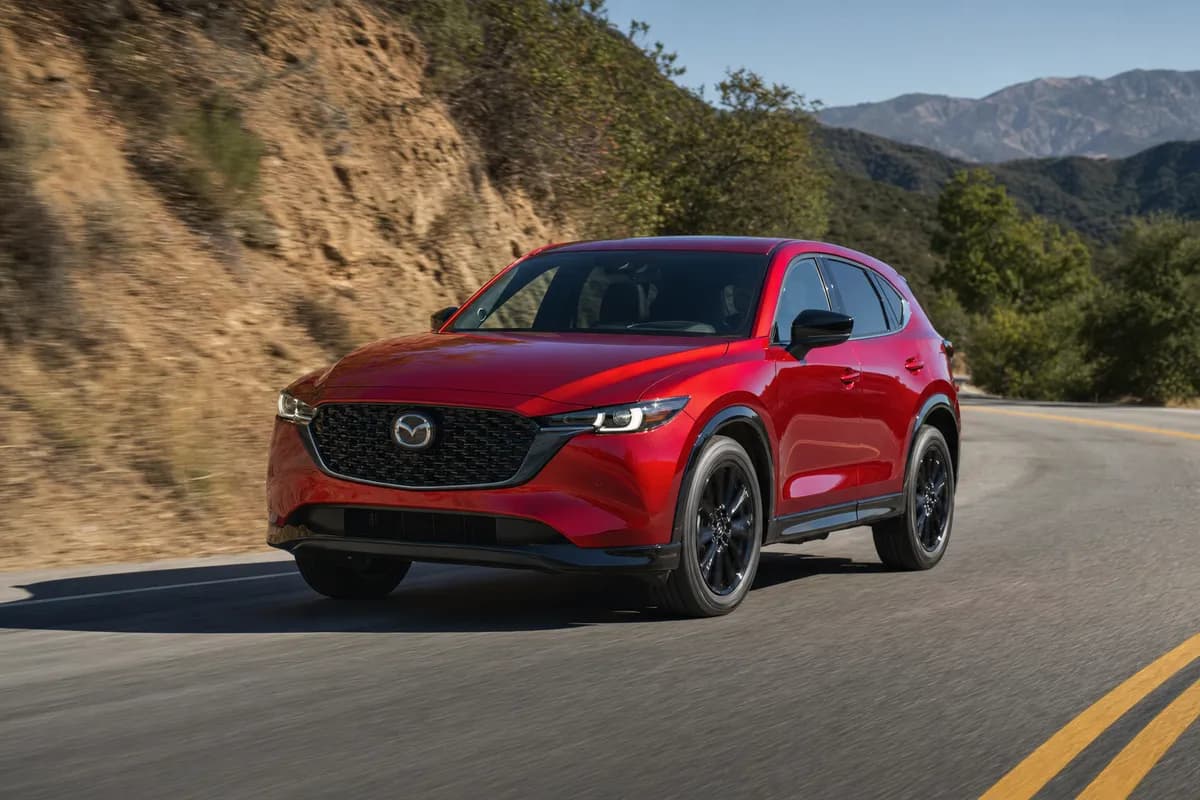
The new CX-5 is still instantly recognizable as a Mazda, but it has grown up where it needed to. The body is cleaner, the proportions are slightly tougher, and the stance remains lower and more athletic than the boxier CR-V, RAV4, and Forester. Mazda has not gone full origami like Hyundai, which is a blessing.
Underneath, the big story is refinement with intent. Mazda says the revised platform increases rigidity, improves ride isolation, and reduces noise, vibration, and harshness. On the road, that claim holds up. The new CX-5 rides with more maturity than before, yet still turns in with the eagerness that made the old one stand out.
Cabin tech also gets dragged into the present. The prior CX-5’s rotary-controller setup had its defenders, but it was starting to feel like a stubborn relic in a world of faster, cleaner interfaces. The 2026 model introduces a larger central display, quicker software, improved voice functionality, and more intuitive menus that no longer require a PhD in Mazda-ism.
- New focus: hybrid powertrain availability and better efficiency
- Reworked chassis: improved body control without wrecking ride comfort
- Updated cabin: larger infotainment screen, better processing speed, cleaner interface
- Refined packaging: more useful rear-seat and cargo usability
The result is a cabin that feels premium in the way Mazda usually gets right: tasteful materials, tight assembly, and controls that don’t scream “supplier catalog.” It still isn’t as airy as a Subaru Forester, and it may not match the CR-V’s family-room spaciousness, but it finally feels modern enough to stop apologizing for itself.
On the Road: Still the Driver’s Choice, But Less Compromised
If you’re shopping this class with even a faint pulse, the CX-5 remains the one to drive. Steering is precise and naturally weighted. Body motions are tidy. The front end bites into corners with a kind of discipline the RAV4 simply does not possess, and the whole thing feels more settled than a Forester when the road gets interesting.
That said, Mazda has wisely backed away from turning the CX-5 into a sport wagon cosplay act. The suspension breathes better over rough pavement now. Impacts are rounded off more cleanly than before, and highway composure is excellent, putting it much closer to the polished, easygoing character of the CR-V Hybrid.
The hybrid model is the one that matters most. Mazda hasn’t had the luxury of phoning this in, because the benchmarks are brutal. A current Toyota RAV4 Hybrid makes 219 horsepower and is rated up to 39 mpg combined. The Honda CR-V Hybrid makes 204 horsepower and returns up to 40 mpg combined. That pair owns the center of the market for a reason.
If Mazda’s hybrid lands near those numbers while preserving the CX-5’s superior steering and cabin quality, it has a real fight on its hands. If it misses badly on mpg, the usual “but it’s nicer to drive” excuse will not save it. Most buyers will not trade 6 or 8 mpg for marginally better turn-in, and frankly they shouldn’t.
The old CX-5 was the compact SUV you recommended to people who said they liked driving. The 2026 model feels like Mazda finally wants everyone else, too.
CX-5 vs CR-V Hybrid vs RAV4 Hybrid vs Forester: Where It Wins, Where It Doesn’t
The toughest part of the CX-5 vs CR-V Hybrid matchup is not dynamics. Mazda wins that one. The Honda still counters with exceptional packaging, a roomy back seat, and one of the best hybrid powertrains in the class for smoothness and real-world usability.
The CX-5 vs RAV4 Hybrid comparison is even more revealing. Toyota’s bestseller is efficient, quick enough, and backed by a hybrid reputation that could survive a small meteor strike. But the RAV4’s interior quality, road noise, and general sense of finesse have never exactly been class-leading. Mazda smells blood there, and rightly so.
Then there’s the Subaru Forester, the perennial sensible shoe of the segment. It offers excellent visibility, lots of practical space, and standard all-wheel drive with genuine rough-weather confidence. What it doesn’t offer is the CX-5’s steering feel, design sophistication, or premium ambiance.
- 2026 Mazda CX-5: likely class leader for handling feel, interior richness, and driver engagement
- Honda CR-V Hybrid: benchmark for family usability, space, and all-around hybrid smoothness
- Toyota RAV4 Hybrid: benchmark for efficiency reputation, resale, and broad-market appeal
- Subaru Forester: benchmark for visibility, rugged practicality, and AWD confidence
Here’s the honest buying logic. If you want the safest mainstream choice, the CR-V Hybrid remains very hard to beat. If you want proven hybrid credibility and don’t care if the cabin feels a bit rental-spec, the RAV4 Hybrid still makes a brutally rational case. If you need a rolling REI membership card, get the Forester.
But if Mazda’s new hybrid can keep pace on fuel economy and price within striking distance, the CX-5 becomes the one with the least emotional penalty. That matters. People live with these things for years. Enjoying the steering wheel and not hating the dashboard is worth something.
Interior, Tech, and Day-to-Day Use: Better, Finally
The redesigned interior fixes one of Mazda’s biggest self-inflicted wounds. The old system was fine once you learned it, which is another way of saying it was annoying for everyone else. The new setup is quicker, clearer, and more in line with what shoppers expect in the best compact SUV 2026 conversation.
Space appears improved where the old CX-5 needed it most. Rear passengers get a little more breathing room, cargo usability is better, and the cabin layout is less style-first at the expense of family function. No, it still does not become a mini-minivan like the CR-V, but it no longer feels like it was designed by people who believe children should simply fold smaller.
Mazda also continues to nail the details that separate acceptable interiors from memorable ones. Seat comfort is strong. Material choices look expensive even when they aren’t. Switchgear feels engineered rather than sourced from a bin labeled “good enough.”
- If infotainment frustration kept you out of the old CX-5, revisit this one.
- If rear-seat space was the deal-breaker, it’s improved, though likely not segment-best.
- If cabin quality matters, Mazda still outclasses most mainstream rivals.
Verdict: Is the 2026 CX-5 Finally the One to Beat?
The 2026 CX-5 looks like the most complete version of Mazda’s compact SUV formula yet. It still drives with genuine polish, now rides better, and finally gets the cabin tech overhaul it desperately needed. Those are not minor corrections. They were the exact holes rivals kept exploiting.
Whether this becomes the segment king depends on one thing: hybrid execution. If Mazda delivers competitive pricing and fuel economy close to the CR-V Hybrid’s 40 mpg combined and the RAV4 Hybrid’s 39 mpg combined, the CX-5 could be the most compelling all-rounder in the class. If it falls short, it remains a stylish, satisfying alternative rather than the new benchmark.
So here’s the verdict from this early 2026 Mazda CX-5 review. The redesigned CX-5 absolutely deserves a place at the top of your test-drive list. It is sharper than the Forester, richer than the RAV4, and more interesting than the CR-V.
Beating all three outright? That depends on the final hybrid numbers. But for the first time in years, Mazda is not merely building the compact SUV you settle for with your heart. It might be building the one you choose with your head, too.
Affiliate disclosure: This article contains affiliate links. RevvedUpCars may earn a small commission on qualifying purchases at no extra cost to you.