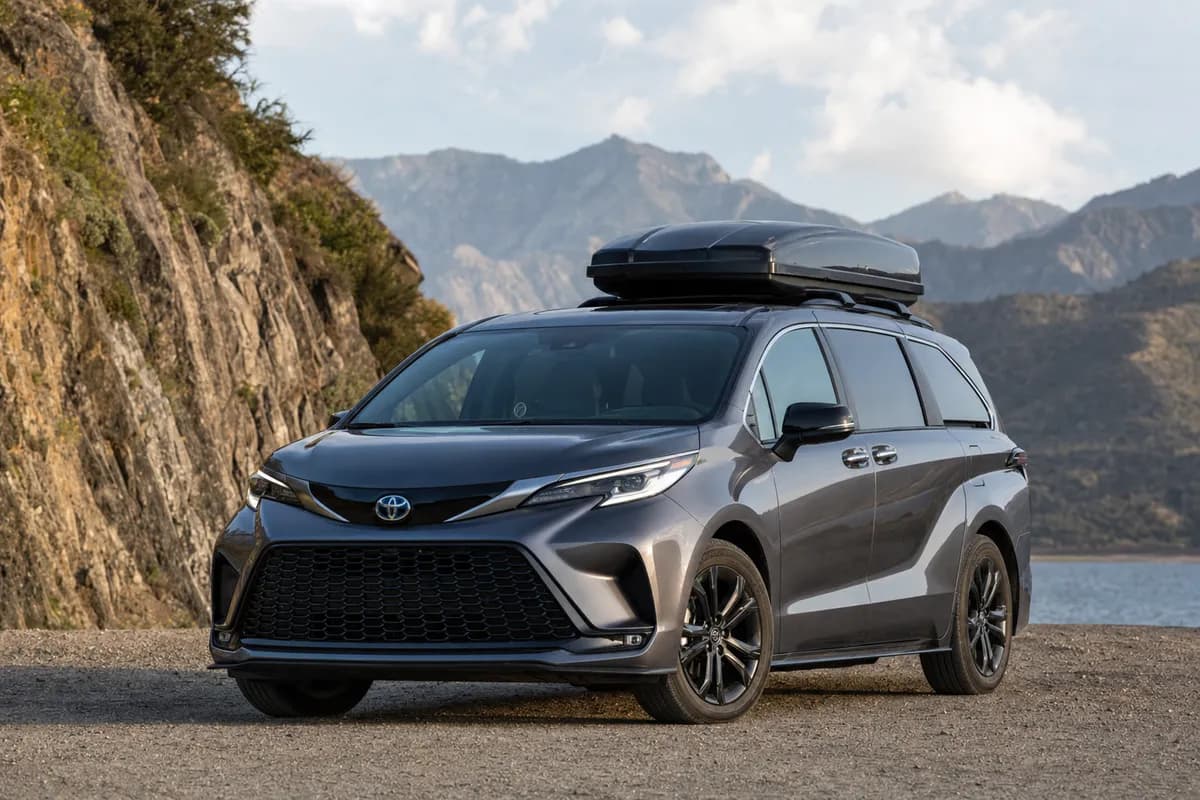
A growing DIY community is upgrading 2026 and 2027 minivans with smarter brake service, correct tire load ratings, and thoughtful roof-box planning for real road trips.
Minivans are having a quiet enthusiast moment. Not the slammed-show-build kind, but the smarter, road-trip-tool kind, where 2026 and 2027 Toyota Sienna, Kia Carnival Hybrid, and Honda Odyssey owners are swapping brake tips, load-rating charts, and roof-box measurements like hot-hatch people swap wheel specs. The result is a new DIY community built around making family haulers better without making them look ridiculous.
Why the modern minivan suddenly has a real DIY scene
A big reason is simple: these vans are expensive, capable, and used hard. A 2026 Toyota Sienna can spend Monday doing school duty, Friday hauling home-improvement supplies, and Saturday knocking out a 600-mile interstate run. That kind of use makes owners care about maintenance, comfort, and subtle upgrades in a very hands-on way.
The other reason is that modern vans are genuinely good platforms. The Sienna’s hybrid setup delivers strong efficiency, the 2027 Kia Carnival Hybrid brings SUV-like styling with family-van utility, and the 2026 Honda Odyssey remains one of the best-driving choices in the segment. None of them need cartoonish mods. They need thoughtful ones.
That is where the minivan OEM plus mods crowd comes in. These owners want factory-level fit, quiet operation, and clean looks. Think upgraded pads, better tires, cargo systems that do not whistle, and interior fixes that make long trips easier on kids and adults alike.
Brake service and tire choices are where many owners start
Talk to enough owners and you see the same pattern. The first real DIY job is often a brake inspection, pad swap, or fluid service, usually after a few loaded trips through hilly terrain. A minivan carrying seven people, luggage, and a roof box works its brakes much harder than a commuter sedan.
On the 2026 Sienna, owners tend to focus on pad compound and rotor life because the hybrid system can mask wear until a van starts feeling grabby or noisy at lower speeds. Odyssey owners, especially those who tow small trailers or frequently run fully loaded, usually pay closer attention to fluid condition and rear pad wear. For the 2027 Kia Carnival Hybrid maintenance crowd, the discussion often centers on how regenerative braking changes feel, not the need for periodic mechanical brake service.
A smart brake-service baseline for any of these vans includes:
- Pad inspection at every tire rotation, especially if the van sees mountain travel
- Rotor thickness and runout check before simply slapping in new pads
- Brake fluid exchange roughly every 2-3 years if the van lives in humid climates or sees frequent towing and long descents
- Caliper slide service to prevent uneven pad wear and sticking
Tires are the bigger deal, though, because this is where family-road-trip safety and ride quality meet. Search activity around tire load rating for minivans keeps rising because more owners are realizing that not every 18- or 19-inch crossover tire is a good match for a fully loaded van. The wrong tire can feel fine around town, then get sloppy, noisy, or overheated on a summer interstate run.
Load index matters as much as tread pattern. Many minivan owners upgrading to all-weather or touring tires are learning to compare the vehicle’s door-jamb placard, OE tire specifications, and actual travel load before ordering a set online. That is enthusiast behavior, just pointed at practical hardware.
What DIY owners check before buying tires
- Match or exceed the factory load index and speed rating
- Confirm XL or reinforced construction if the van is frequently packed with passengers and cargo
- Watch overall tire diameter if moving to a different wheel design
- Check roof-box, hitch-rack, and cargo loads as part of the full weight picture
The payoff is real. A properly rated touring tire often transforms steering stability, braking confidence, and noise levels more than almost any flashy wheel upgrade ever could.
Roof-box planning has become a whole subculture
One of the funniest developments in this scene is how deep owners get into roof-box planning. A modern family minivan can swallow a lot, but once you add a stroller, cooler, portable crib, and sports gear, the cargo math changes fast. That has pushed Sienna, Carnival, and Odyssey owners into a surprisingly nerdy world of crossbar spread, hatch clearance, and wind noise tuning.
The best setups are measured, not guessed. Owners on forums and social groups are sharing exact dimensions for factory rails, aftermarket crossbars, and popular cargo boxes from Thule, Yakima, and OEM accessory catalogs. The goal is not to hang a giant plastic loaf on the roof. It is to choose a box that clears the liftgate, keeps weight reasonable, and does not murder fuel economy.
That is especially relevant for hybrid vans. The Sienna and Carnival Hybrid reward clean airflow and moderate weight. A box that sits too high or too far forward can increase wind noise and chip away at one of the reasons buyers chose those vans in the first place.
Roof-box lessons owners keep repeating
- Measure liftgate arc before buying the box, not after.
- Keep heavy items inside the vehicle, light bulky items up top.
- Use quality crossbars with known dynamic load ratings.
- Test for whistle and hatch clearance before a long trip.
This is a perfect example of the new minivan DIY culture. It is not about looking overland-ready in the school pickup line. It is about making a road-trip tool work better with zero drama.
Cabin tech fixes and OEM-plus upgrades are the real sweet spot
The interior is where these vans live or die, and it is where many of the smartest upgrades happen. Owners are adding cleaner phone-mount solutions, better rear-device charging, fitted cargo liners, seat-back organizers, and improved LED interior lighting that does not turn the cabin into a blue-tinted nightclub. The best mods are almost invisible until you use them.
For 2026 Honda Odyssey family road trip upgrades, the conversation often starts with second-row management and rear entertainment alternatives. Families are replacing clumsy universal tablet mounts with better integrated systems, adding USB-C power distribution, and protecting high-touch trim with cut-to-fit film. Odyssey owners also remain big on all-weather floor protection because those sliding-door openings bring in a lot of dirt fast.
The 2026 Toyota Sienna DIY mods crowd leans heavily toward convenience and NVH improvement. Popular moves include better cargo-area lighting, reversible cargo mats, door-edge and sill protection, and subtle sound-deadening in the liftgate and rear cargo trim. None of it sounds glamorous, but on a 10-hour drive, less rattling and better organization matter more than almost anything else.
Carnival Hybrid owners are stepping into the same rhythm. Because the Kia blends near-luxury design with family duty, many owners want upgrades that preserve the clean interior theme. That means hardwired dash cams, tidy cable routing, better-fit sunshades, and accessory storage solutions that look factory installed.
Popular OEM-plus minivan upgrades
- All-weather mats and cargo liners with full edge coverage
- Hardwired front and rear dash cams
- Factory-style roof rails, crossbars, and hitch receivers
- Higher-quality brake pads for low dust and quiet operation
- Interior LED lighting tuned for warm, usable output
- Paint-protection film on door sills, liftgate edges, and loading areas
The best minivan mods do not announce themselves in a parking lot. They reveal themselves 300 miles into a family trip, when the cabin is quieter, the brakes feel stronger, the tires stay composed, and nobody is digging through a pile of loose charging cables.
The new minivan enthusiast formula: useful, subtle, and repeatable
What makes this community interesting is that it is highly transferable between brands. A roof-box measurement trick learned by a Sienna owner helps an Odyssey owner. A tire-load lesson from a Carnival Hybrid discussion saves somebody else from buying the wrong touring tire. This is enthusiast culture stripped of ego and focused on results.
There is also a strong anti-tacky streak running through it. Owners are avoiding fake off-road accessories, giant wheels that compromise ride quality, and cosmetic mods that age badly. They want durable parts, OE-level fitment, and upgrades that can survive years of juice boxes, dog hair, and interstate heat.
That mindset feels refreshingly mature. These vans are not passionless appliances anymore, and they are not trying to be sports cars either. They are becoming platforms for smart personalization, the same way old wagons, SUVs, and pickups once did for earlier generations of DIY owners.
Verdict: modern minivans have become a legit enthusiast project
The 2026 Toyota Sienna, 2027 Kia Carnival Hybrid, and 2026 Honda Odyssey are proving that practical vehicles can still inspire real community. Owners are building a shared knowledge base around brake service, tire selection, roof-box setup, cabin-tech fixes, and subtle upgrades that make long trips easier and safer.
That is why this movement matters. It treats the family hauler as worthy of attention, not just transportation to be endured. If the new enthusiast ideal is a vehicle that works hard, looks clean, and gets better with smart DIY effort, the modern minivan fits the brief better than a lot of trendier machines.
Affiliate disclosure: This article contains affiliate links. RevvedUpCars may earn a small commission on qualifying purchases at no extra cost to you.