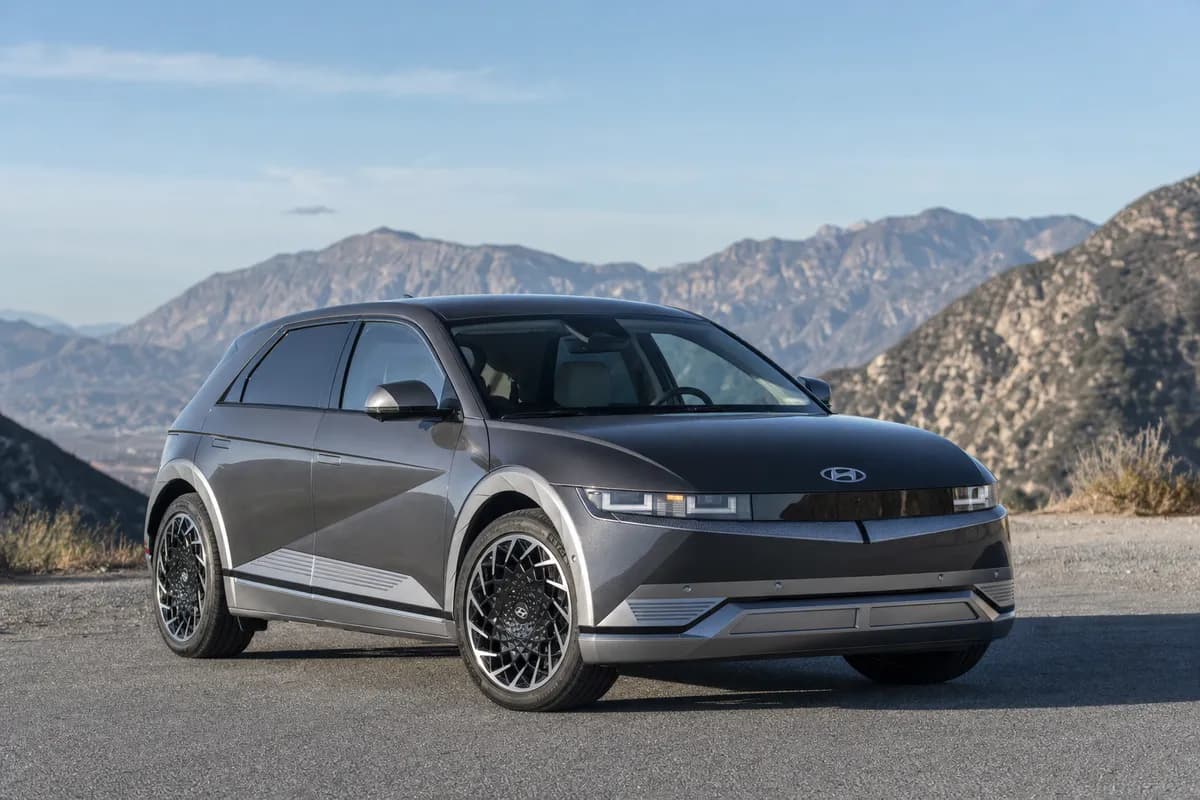
Turn your Camry, Accord, or Sonata Hybrid into a quiet commuter sleeper with brake basics, tire-and-alignment strategy, and OEM-plus upgrades that feel stock.
The new hybrid midsize sedan is supposed to be invisible. That is exactly why a growing DIY crowd is turning the 2026 and 2027 Toyota Camry Hybrid, Honda Accord Hybrid, and Hyundai Sonata Hybrid into commuter sleepers with smarter maintenance, cleaner responses, and zero tacky bolt-ons.
This is not the old tuner formula. The new playbook is quieter tires, better brake habits, sharper alignments, healthier 12-volt systems, and OEM-plus touches that make these sedans feel expensive, precise, and a little bit sneaky.
The Rise of the DIY Hybrid Sedan Community
If you spend time in owner forums, Reddit threads, or Cars and Coffee side lots, you can see the shift. Younger owners are less interested in giant wings and fake vents, and more interested in subtle, reversible upgrades that improve daily life. The anti-tacky mod debate is real, and these cars sit right in the middle of it.
The 2026 Toyota Camry Hybrid, the latest Honda Accord Hybrid, and the Hyundai Sonata Hybrid all make sense as commuter canvases. They are roomy, efficient, quick enough in traffic, and packed with driver-assist tech. More importantly, they respond well to careful setup work.
Toyota’s current Camry Hybrid lineup makes up to 232 combined horsepower in all-wheel-drive form, depending on trim. The Accord Hybrid remains one of the class benchmarks for chassis balance and smooth two-motor hybrid operation, while the Sonata Hybrid brings standout highway efficiency and clean styling that already leans OEM-plus. None of them need a loud exhaust or a fake carbon hood to feel special.
That is the appeal of the DIY hybrid sedan community. Owners are discovering that a well-maintained hybrid sedan with good tires, fresh brake hardware, and a few tasteful factory-style upgrades can feel more satisfying than a badly modified “project” that is always broken.
Brake-Service Basics: Why Hybrids Need Attention Even When Pads Last Forever
One of the biggest myths in hybrid ownership is that the brakes take care of themselves. Regenerative braking absolutely reduces pad wear, and many hybrid owners see very long pad life. But friction brakes still matter, and neglect is where expensive problems start.
Because regen handles so much of the stopping load, pads and rotors can go years without getting properly worked. That sounds great until slide pins seize, pad edges crumble, or rotors rust badly from lack of use. In northern climates and humid coastal areas, that process can move fast.
What to inspect during routine brake service
- Pad thickness and taper wear — uneven wear usually points to sticking hardware
- Rotor faces and edges — look for deep rust lips, scoring, and hot spots
- Caliper slide pins — clean and lubricate with the correct high-temp brake grease
- Abutment clips — replace if corroded or loose
- Brake fluid condition — moisture-contaminated fluid hurts pedal feel and component life
On these hybrids, brake fluid service matters more than many owners think. Most manufacturers recommend periodic replacement by time rather than miles, often around every three years, though you should always verify the schedule for your exact model and trim. A moisture tester is cheap, and it can save an ABS actuator or brake control component from living in dirty fluid.
Use caution around electronic brake systems. The 2027 Honda Accord Hybrid maintenance routine, for example, may require service mode procedures for rear brakes depending on equipment. The same goes for late-model Toyota and Hyundai systems. If you do your own brake work, follow factory procedures and use a scan tool when required.
Tires and Alignment: The Sleeper Mod That Changes Everything
If there is one upgrade that transforms these cars without changing their character, it is tires. Factory low rolling resistance rubber helps fuel economy, but it often gives away grip, steering feel, and wet braking. A better grand-touring all-season or summer tire can make a hybrid sedan feel like it lost 300 pounds.
This is where many 2026 Toyota Camry Hybrid mods conversations are getting more mature. Instead of oversized wheels and stretched tires, owners are downsizing the drama and focusing on compound, sidewall quality, and road noise. The right 17- or 18-inch package usually rides better, protects the wheel, and keeps replacement costs sane.
Smart tire strategy for commuter sleepers
- Choose a premium grand-touring all-season if you want low noise and strong wet grip
- Stick close to OEM diameter to avoid speedometer and hybrid calibration issues
- Avoid ultra-heavy aftermarket wheels that hurt ride and efficiency
- Rotate every 5,000 to 7,500 miles to protect tread life on torque-rich hybrids
Alignment is the overlooked half of the equation. Many owners accept a factory “green zone” printout even if the car still wanders or chews outer shoulders. A precise alignment with front toe set carefully and left-right balance checked can make the Accord feel cleaner on center, the Camry calmer at freeway speed, and the Sonata less busy over expansion joints.
Ask for the before-and-after printout. On commuter cars, tire wear and straight tracking matter more than aggressive numbers. A subtle, performance-biased alignment can work, but the best setup is still one that keeps the car stable, predictable, and easy on tires.
12-Volt and Hybrid-Battery Awareness: The Maintenance Most Owners Ignore
Hybrid owners tend to focus on the big battery and forget the small one. That little 12-volt battery still boots control modules, wakes up relays, and supports every normal vehicle function from locks to lighting. When it gets weak, hybrids can throw weird warnings that look much scarier than the actual problem.
A lot of no-start or no-ready complaints in newer hybrids begin with a tired 12-volt battery, poor terminal contact, or a charging-system issue. Heat is especially rough on battery life, and southern states are brutal on them. If your car is two to four years old and acting odd, test the 12-volt battery first.
Basic hybrid electrical awareness
- Test the 12-volt battery with a proper conductance tester, not just a voltmeter.
- Keep terminals clean and tight.
- Do not leave the car parked for long periods with accessories running.
- Watch for blocked cooling paths to the hybrid battery, especially if the car carries pets, bags, or rear-seat clutter.
- Use OEM or high-quality replacement batteries when the time comes.
The traction battery itself usually needs less drama than the internet suggests. Modern Toyota, Honda, and Hyundai hybrid systems are generally robust when cooling airflow is maintained and the car is driven regularly. Still, awareness matters. If you notice reduced EV assist, sudden fan noise from the battery area, or repeated warning messages, do not ignore them.
For owners planning long-term upgrades, battery health also affects how the car feels after mods. Fresh tires and better dampers cannot mask a hybrid system that is pulling power due to temperature or battery-management concerns. Good sleeper builds start with a healthy foundation.
OEM-Plus Upgrades That Actually Improve the Car
The best Hyundai Sonata Hybrid OEM plus upgrades and equivalent Camry and Accord mods share one trait: they could have come from the factory. They look clean, work every day, and can usually be reversed without scars. That is what makes them enthusiast-approved and anti-tacky at the same time.
High-value, non-tacky commuter car mods
- Better tires — the single biggest improvement in grip, braking, and steering feel
- OEM accessory or higher-trim wheels — factory design language, better stance, no visual shouting
- Upgraded pads and coated rotors — cleaner braking, less rust, better pedal consistency
- Sound-deadening in doors and trunk floor — lowers road boom without changing appearance
- Factory-style lip spoiler or subtle decklid trim — enough visual tension without cosplay
- LED interior and puddle lighting upgrades — modern feel, especially on lower trims
- Quality dampers or matched spring-and-damper packages — only if ride quality stays intact
Notice what is not on that list. No fake hood scoops, no crackle tune, no bargain-basement coilovers, and no giant exhaust tips hanging under a hybrid bumper. Those are the mods that age badly and start internet fights for good reason.
The best non tacky commuter car mods are the ones your passengers notice only after a few miles. The cabin is quieter. The steering feels more settled. The brakes are smoother. The whole car feels tighter, like a higher trim level the manufacturer forgot to sell here.
A true commuter sleeper does not beg for attention. It earns respect when it tracks straight at 80 mph, stops cleanly in the rain, and still returns excellent fuel economy on Monday morning.
Verdict: The Smartest Hybrid Sedan Builds Start Small
The quiet OEM-plus movement around these sedans makes perfect sense. The Camry Hybrid, Accord Hybrid, and Sonata Hybrid already have the hard parts that matter: efficient drivetrains, solid packaging, and everyday usability. What they need is not reinvention, but refinement.
Start with brake service, alignment, and a real battery check. Add quality tires, subtle factory-style accessories, and maybe a carefully chosen suspension or noise-control upgrade. That is how you build a hybrid midsize sedan that feels sharper, quieter, and more fun without turning it into a rolling parts catalog.
For this new commuter-sleeper crowd, taste matters as much as torque. And that may be the most interesting enthusiast trend of all.
Affiliate disclosure: This article contains affiliate links. RevvedUpCars may earn a small commission on qualifying purchases at no extra cost to you.