Analysis: With Geely targeting the US market, are Chinese cars a real threat to Alabama automakers and US EV brands in 2026? Read our in-depth report.
In this article
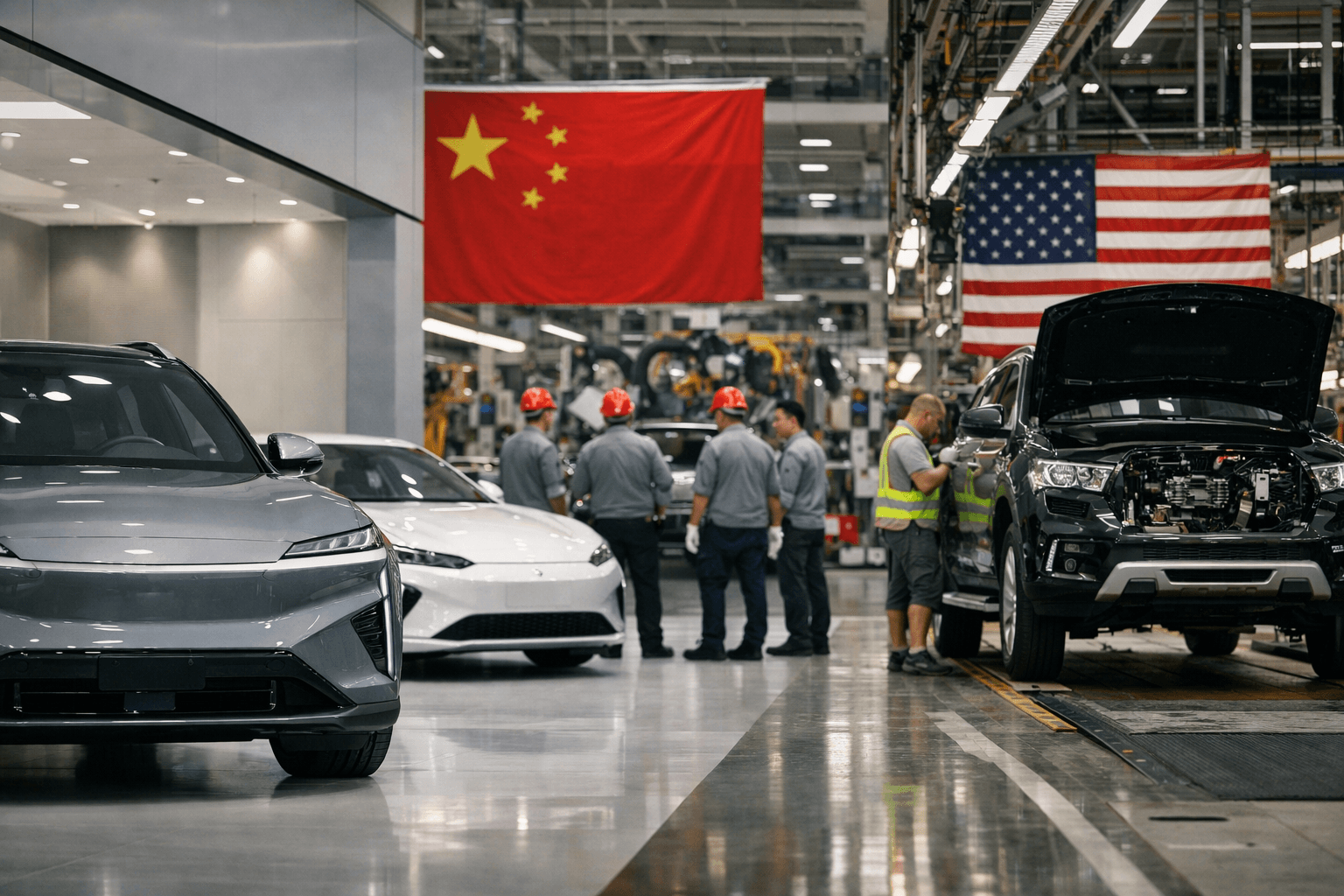
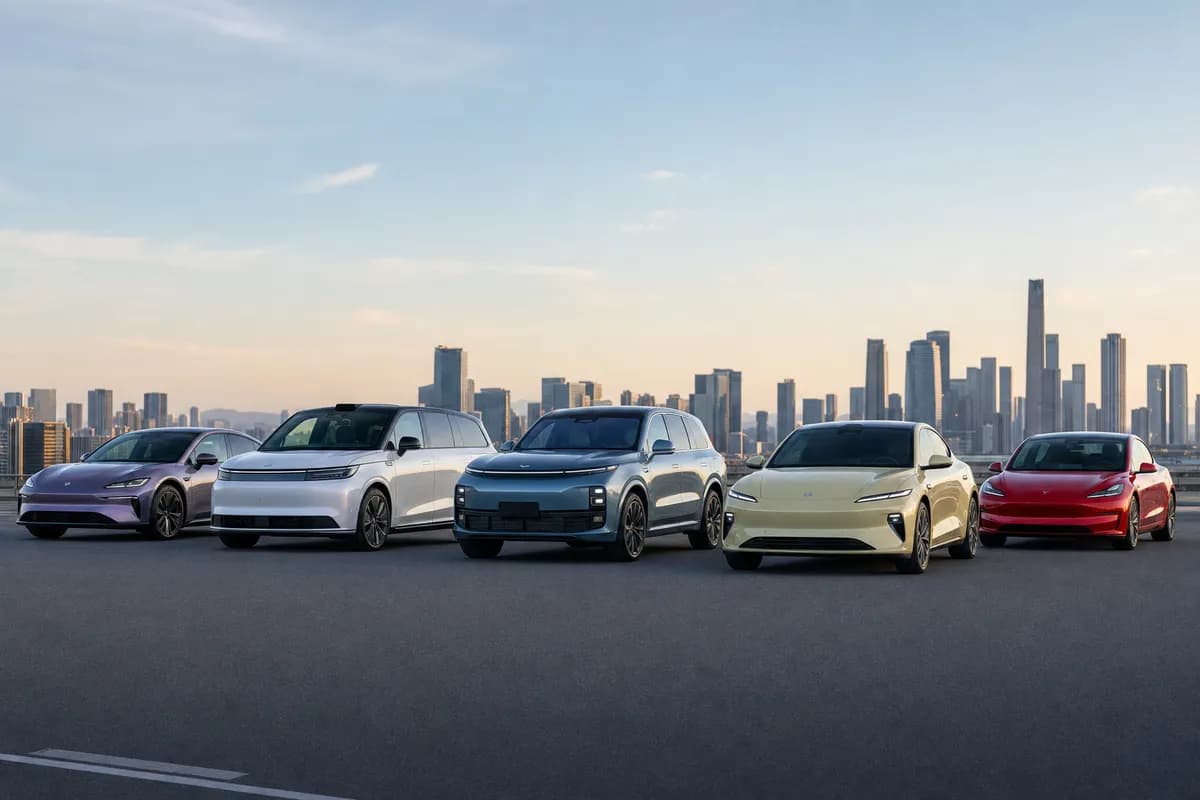
Tariffs may be blocking direct imports, but the debate over Chinese cars in America has shifted from “if” to “how.” In 2026, the question isn’t whether brands like BYD, Geely, and SAIC can build competitive vehicles — global sales data already answers that. The real question is whether they can crack the U.S. market despite political barriers, and whether Detroit and Alabama automakers should be worried.
As of April 2026, no major Chinese-branded passenger cars are sold in the United States under their original nameplates, largely due to a 100% tariff on Chinese EVs announced by the Biden administration in 2024, according to Reuters. However, Chinese automakers now account for more than 20% of global EV sales, per International Energy Agency estimates. That scale is reshaping global competition — even if U.S. showrooms remain tariff-protected for now.
The Headlines
What: Chinese automakers expand globally, but remain largely blocked from direct U.S. entry
Who: BYD, Geely, SAIC vs. GM, Ford, Stellantis, Tesla
When: 2026 market conditions following 2024–2025 tariff increases
Impact: Indirect pressure on pricing, EV strategy, and supply chains in the U.S.
Key Number: 100% U.S. tariff on Chinese EV imports
What Happened
Chinese automakers spent the past three years aggressively expanding outside their home market. BYD surpassed Tesla in global EV deliveries in late 2024 on a quarterly basis, according to company filings and Bloomberg reporting. Meanwhile, Geely — parent company of Volvo, Polestar, and a 17% stakeholder in Aston Martin — increased exports to Europe, Southeast Asia, and Latin America.
However, the U.S. government effectively shut the front door. In May 2024, the White House confirmed a 100% tariff on Chinese EV imports, citing national security and industrial policy concerns. The Office of the United States Trade Representative stated the goal was to protect domestic manufacturing and prevent “unfair trade practices.”
As a result, brands like BYD and SAIC’s MG division paused direct U.S. entry plans. Instead, companies are exploring indirect paths: Mexican assembly, European re-badging, or leveraging existing Western brands. Geely’s ownership of Volvo and Polestar already gives it a foothold, though those vehicles are increasingly built outside China to comply with U.S. sourcing rules tied to the Inflation Reduction Act.
Why It Matters
The threat isn’t about showroom floor presence today — it’s about cost structure tomorrow. Chinese automakers benefit from vertically integrated battery supply chains, strong domestic rare earth access, and scale advantages in lithium iron phosphate (LFP) battery production. According to the IEA, China controls roughly 60–70% of global battery manufacturing capacity.
That cost advantage shows up in pricing abroad. In Europe, several Chinese EV models undercut local competitors by 10–20%. If trade barriers soften — or if Chinese firms establish North American production — U.S. automakers could face a price war at a time when U.S. auto sales are already forecast to dip 2.6% in 2026.
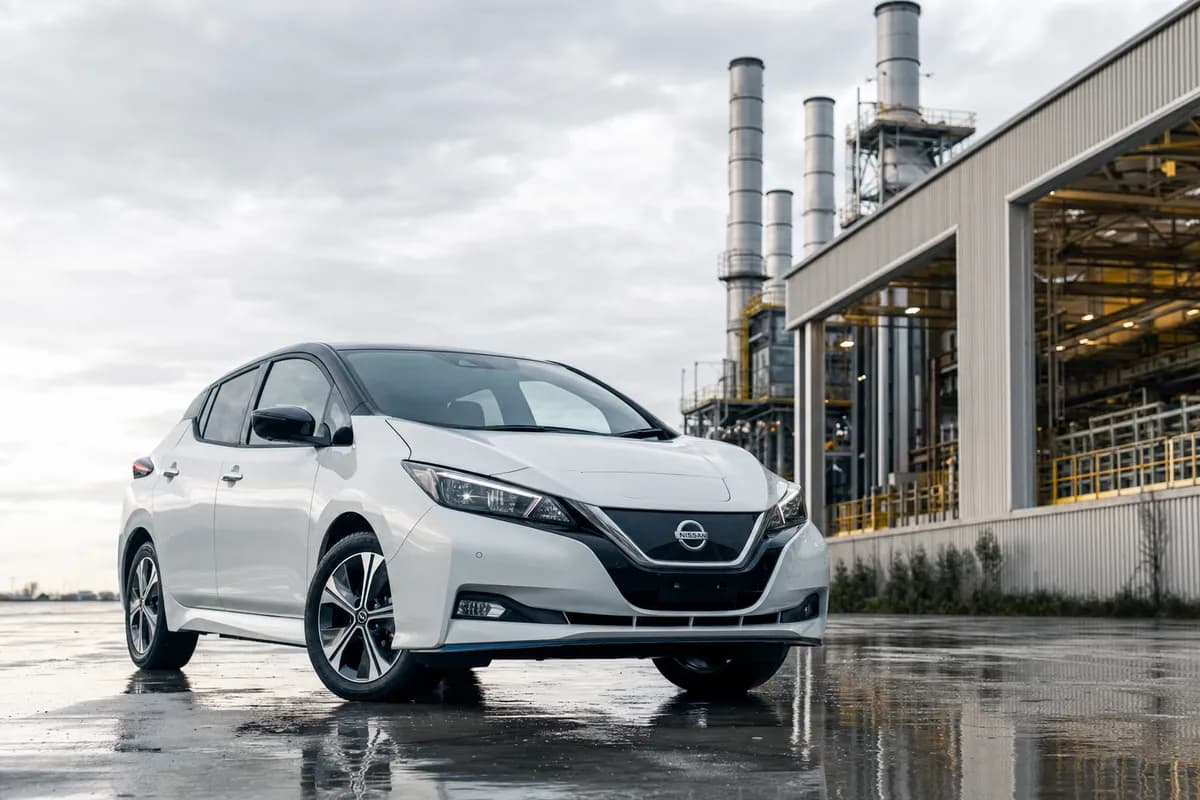
Alabama automakers, including Mercedes-Benz and Hyundai, have publicly supported tariff protections, according to regional reporting. The state builds more than 1 million vehicles annually. Therefore, any disruption from ultra-low-cost EV imports would ripple through jobs, supplier networks, and local tax bases.
Advertisement
The Bigger Picture
To understand the anxiety around Chinese cars in America, you have to look at Europe. In 2025, Chinese brands captured nearly 9% of Europe’s EV market, according to data cited by Reuters. The European Commission launched anti-subsidy investigations in response — a pattern that echoes U.S. concerns.
Historically, new entrants follow a familiar arc: enter at the low end, improve quality, then move upscale. Japanese automakers did it in the 1970s. Korean brands followed in the 1990s. Having covered three product cycles, I can tell you the early skepticism always sounds similar — until market share shifts become undeniable.
However, geopolitics complicates the script. U.S.-China trade tensions now extend beyond autos to semiconductors, AI, and clean energy. Furthermore, the Inflation Reduction Act ties EV tax credits to North American assembly and battery sourcing rules, per the U.S. Department of Energy. That policy architecture deliberately limits the impact of Chinese imports.
What the Competition Is Doing
Detroit isn’t standing still. General Motors is pushing Ultium-based EVs across Chevrolet, Cadillac, and GMC, while emphasizing U.S.-based battery plants in Ohio and Tennessee. Ford continues scaling BlueOval SK battery facilities in Kentucky. Stellantis is investing in domestic battery joint ventures while navigating internal cost pressures.
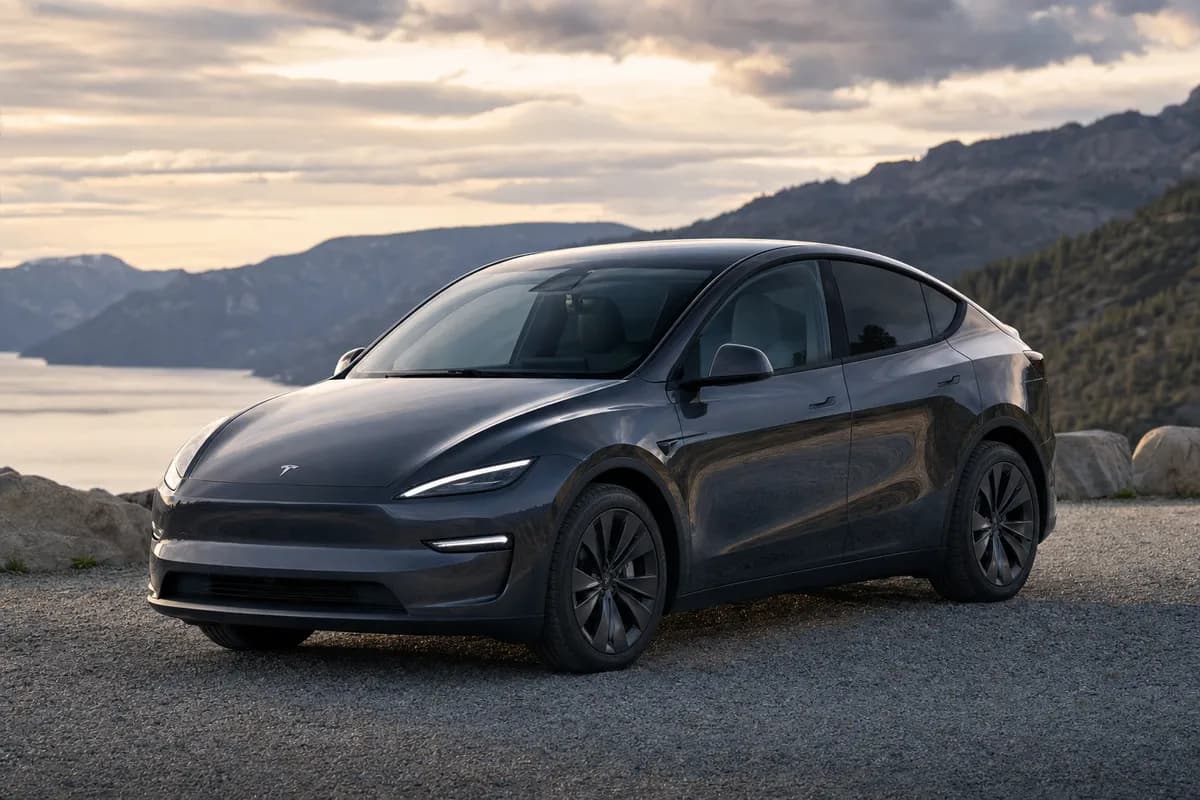
Meanwhile, Tesla still dominates U.S. EV market share at roughly 50%, though that figure has slipped from its 2022 peak, according to Cox Automotive estimates. Notably, Tesla itself sources some components globally but localizes final assembly to qualify for federal incentives.
Hyundai and Kia — often overlooked in this discussion — present an interesting middle ground. While South Korean, not Chinese, they compete aggressively on EV price and technology. Their rapid U.S. expansion, including the Georgia Metaplant, shows how foreign automakers can localize production to avoid tariff exposure. That’s the likely blueprint Geely US market strategists are studying.
In contrast, premium brands like BMW and Mercedes focus on differentiation. BMW’s continued emphasis on driver engagement — as explored in our coverage of the BMW Manual Transmission strategy — signals that legacy brands are leaning into brand identity rather than chasing lowest-cost competition.
What It Means for You
For American buyers in 2026, Chinese cars in America remain more of a policy debate than a dealership reality. You cannot walk into a showroom and buy a BYD-branded sedan today. However, you may already be driving a vehicle with Chinese-sourced battery cells or electronics.
Additionally, competitive pressure from overseas is one reason automakers are working to control costs and trim incentives. If tariffs were lifted tomorrow, EV prices could fall sharply — but domestic production jobs would face immediate pressure. That tension explains why bipartisan support for trade barriers remains strong.
Therefore, if you’re shopping for an EV, focus on eligibility for federal and state incentives, battery sourcing, and resale value. Our guide on choosing between hybrid and electric SUVs in 2026 breaks down how to evaluate options in a shifting policy environment.
What to Watch Next
First, watch the 2026 election cycle rhetoric around trade and industrial policy. Tariffs can change faster than factory footprints. Second, monitor whether Chinese automakers invest in Mexican or Canadian assembly plants to bypass direct import penalties under USMCA rules.
Additionally, keep an eye on battery joint ventures. If a Chinese battery giant partners with a U.S. firm under a minority structure that satisfies IRA sourcing rules, the competitive equation could shift quickly. Finally, track European trade decisions — they often foreshadow U.S. moves.
The Upside
Increased global EV competition pressures prices downward
Accelerates battery innovation and supply chain investment
Encourages U.S. automakers to improve efficiency and quality
Expands consumer choice if trade barriers ease
The Concerns
Potential job losses in U.S. manufacturing hubs
Geopolitical and national security tensions
Price wars that compress margins and reduce R&D budgets
Supply chain dependence on overseas battery materials
Sarah's Industry Impact Rating: 8/10
This matters because global cost leadership in EVs will define which automakers survive the next decade.
Chinese cars in America may not be lining dealership lots in 2026, but dismissing them would be a strategic mistake. The competitive threat is real — even if it’s currently filtered through tariffs, partnerships, and supply chains rather than badges.
If the past fifty years of automotive history teach us anything, it’s this: protection buys time, not immunity. The next two to five years will determine whether U.S. automakers use that time to build durable advantages — or simply delay the inevitable.
Disclosure: This article may contain affiliate links. If you make a purchase through these links, we may earn a small commission at no extra cost to you. This helps support RevvedUpCars.com. Learn more.
Affiliate disclosure: some links on this page earn us a commission at no extra cost to you.
Mike Wrenchworth is the guy you call when something breaks, rattles, or makes a noise it shouldn’t. With 20 years as an ASE-certified master technician and a decade running his own independent shop in Austin, Texas, Mike has seen every automotive disaster imaginable—and fixed most of them. Now he shares his hard-won wisdom with RevvedUpCars readers, covering everything from basic maintenance to weekend restoration projects. Mike believes in doing it right the first time, buying quality tools, and never skipping the torque wrench. His garage currently houses a work-in-progress 1969 Camaro, a bulletproof Toyota Land Cruiser, and whatever his wife is driving this week. Mike’s philosophy: every car can be a great car with proper maintenance and a little mechanical sympathy.
Get the latest car reviews in your inbox
Join thousands of car enthusiasts. No spam, unsubscribe any time.



Comments
Leave a comment