Hybrid half-ton owners swap 12-volt reliability tips, brake and tire strategy, and bed-power mods to create tow-ready DIY trucks.
Hybrid half-tons are no longer curiosities. In 2026, they are forming their own DIY culture built around making electrified pickups work harder, last longer, and tow smarter without turning them into science projects.
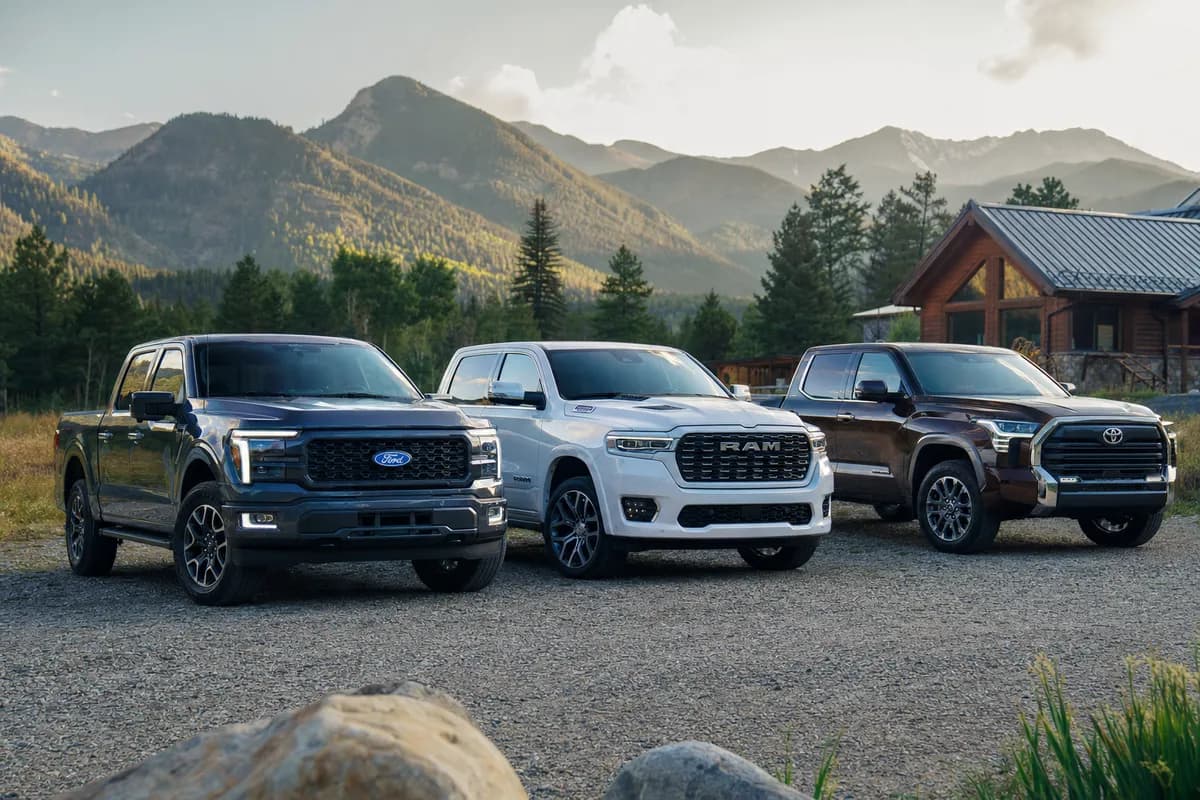
That shift matters because the Ford F-150 PowerBoost, Ram 1500 Ramcharger, and Toyota Tundra i-FORCE MAX are attracting owners who care less about flashy lifts and more about 12-volt reliability, brake strategy, bed power, and reversible upgrades. The result is a new community of practical tinkerers swapping jobsite-tested fixes instead of chasing parking-lot points.
The New Hybrid Truck DIY Scene Is Built on Use, Not Hype
The old truck-mod formula was easy: tires, leveling kit, exhaust, maybe a tune. The new 2026 hybrid truck DIY mods conversation is different because these trucks already arrive with big capability and more electrical complexity than a traditional half-ton.
Ford’s F-150 PowerBoost remains the best-known full hybrid in the segment, pairing a 3.5-liter EcoBoost V6 with an electric motor and available Pro Power Onboard. Toyota’s Tundra i-FORCE MAX uses a twin-turbo 3.4-liter V6 hybrid setup aimed at torque and drivability, while the Ram 1500 Ramcharger takes a different path with a battery-electric drive system backed by an onboard gasoline generator.
Those hardware differences change the owner culture. Instead of dyno sheets and coal-roller nonsense, the forums and owner groups are full of discussions about trailer brake controller calibration, auxiliary 12-volt support, proper load-range tire choices, and how to keep bed-mounted power setups safe in bad weather.
That practical focus also makes sense financially. These trucks are expensive, and most owners want upgrades they can undo later, preserve warranty relationships, and actually feel every day when towing, hauling, camping, or powering tools.
12-Volt Reliability Has Become Ground Zero
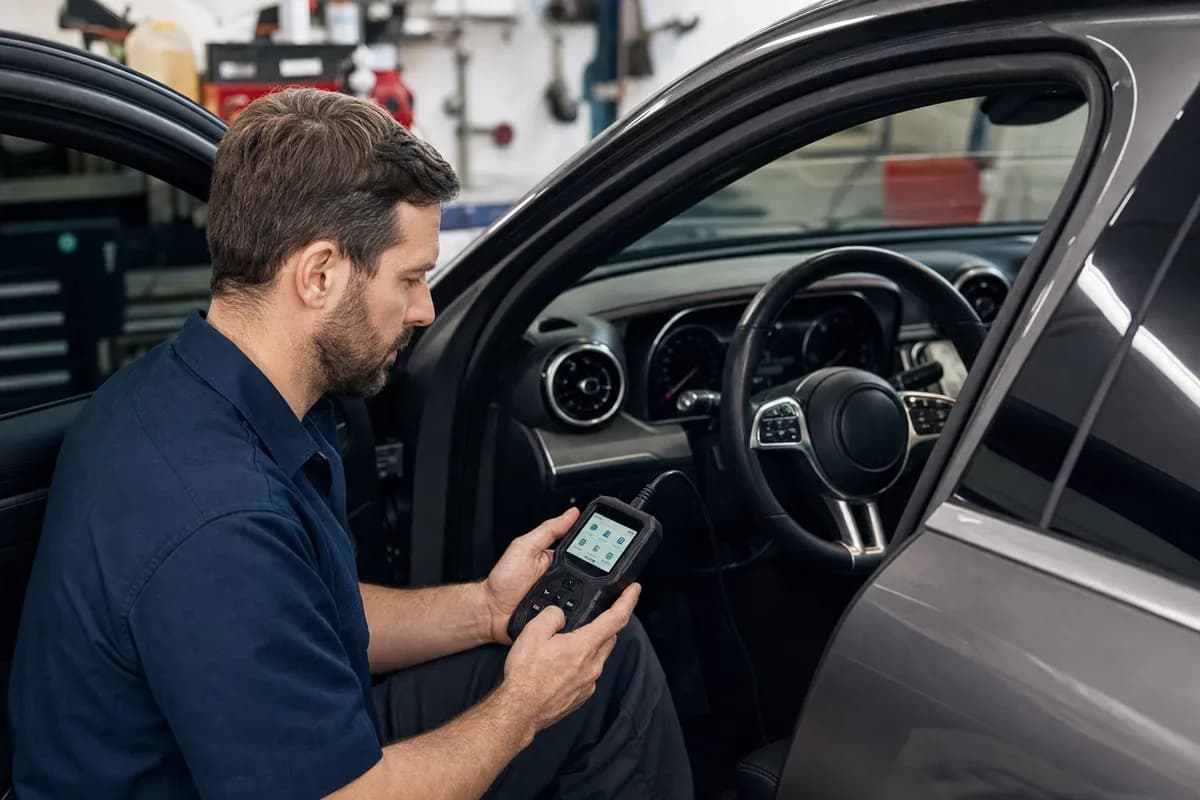
If there is one shared obsession across the Ram 1500 Ramcharger owner community, Ford F-150 PowerBoost maintenance groups, and Toyota hybrid truck pages, it is low-voltage system health. High-voltage batteries get the headlines, but a weak or unstable 12-volt battery still causes the weirdest headaches: communication faults, no-start conditions, contactor errors, warning lights, and accessory issues.
That is not unique to hybrid trucks, but electrified pickups are less tolerant of neglect. These trucks rely on multiple control modules, electric brake blending, battery management systems, telematics, and inverter hardware, so poor 12-volt health can create a domino effect of nuisance problems that feel bigger than they are.
The smartest DIY owners are treating the low-voltage system like a maintenance item, not an afterthought. They are logging battery voltage, keeping terminals clean, watching for parasitic draw from aftermarket accessories, and replacing weak batteries before winter or summer heat does it for them.
What owners are doing first
- Battery monitoring: Using Bluetooth battery monitors to track resting voltage and cranking performance.
- Cleaner accessory installs: Running fused distribution blocks instead of stacking ring terminals on the battery post.
- Ground inspection: Checking body and frame grounds after off-road use, corrosion exposure, or accessory installs.
- Software awareness: Staying current on dealer updates that affect charging logic, sleep cycles, or hybrid system behavior.
On the F-150 PowerBoost, this is especially relevant because owners often add dash cams, bed lighting, compressors, fridges, and trailer camera systems. A clean, reversible wiring strategy is the difference between a reliable work truck and a truck that throws random electrical tantrums on Monday morning.
Tundra i-FORCE MAX owners are heading in the same direction. The best Toyota Tundra i-FORCE MAX upgrades are often boring on paper: better cable routing, weather-sealed connectors, and smarter power management for overlanding or work accessories.
Brake Wear and Tire Strategy Matter More on Electrified Half-Tons
Hybrid pickups can mask weight with instant torque and regenerative braking, but physics still wins. These trucks are heavy, and that means owners who tow regularly are paying close attention to pad wear, rotor condition, tire load rating, and inflation strategy.
One of the biggest lessons spreading through owner groups is that regenerative braking changes how friction brakes age. Some trucks go longer between conventional brake service in light use, but towing, mountain driving, stop-and-go jobsite miles, and corrosion can still create uneven pad deposits, seized slide pins, or rotors that look worse than the odometer suggests.
The DIY answer is not always a big-brake kit. More often, it is a disciplined inspection schedule and better component choice when service time comes.
Common brake and tire upgrades owners actually recommend
- Severe-duty brake pads: Better suited for towing and repeated loaded stops than bargain replacements.
- High-quality coated rotors: Helpful in wet and salted climates where rust builds fast.
- Brake fluid refreshes: Often overlooked, but critical for trucks that tow or descend long grades.
- Load-appropriate tires: Choosing E-load or appropriately rated XL tires only when the truck’s real use demands it.
- Accurate pressure management: Running separate unloaded and towing pressures based on scale weight and tire charts.
This is where many owners improve ride and towing at the same time. Too many half-tons get over-tired with heavy all-terrains that hurt braking, efficiency, and wet-road performance. The smarter move is matching the tire to the mission: highway-terrain or mild all-terrain for frequent towing, strong wet grip, and stable sidewalls.
The Ramcharger community is already leaning hard into this logic because range, efficiency, and ride quality all matter when the truck is using electric drive full time. Extra-unsprung-weight mods might look tough, but they work against what makes an electrified truck so good in the first place.
Bed Power and Towing Setup Tips Are the Real Mod Frontier
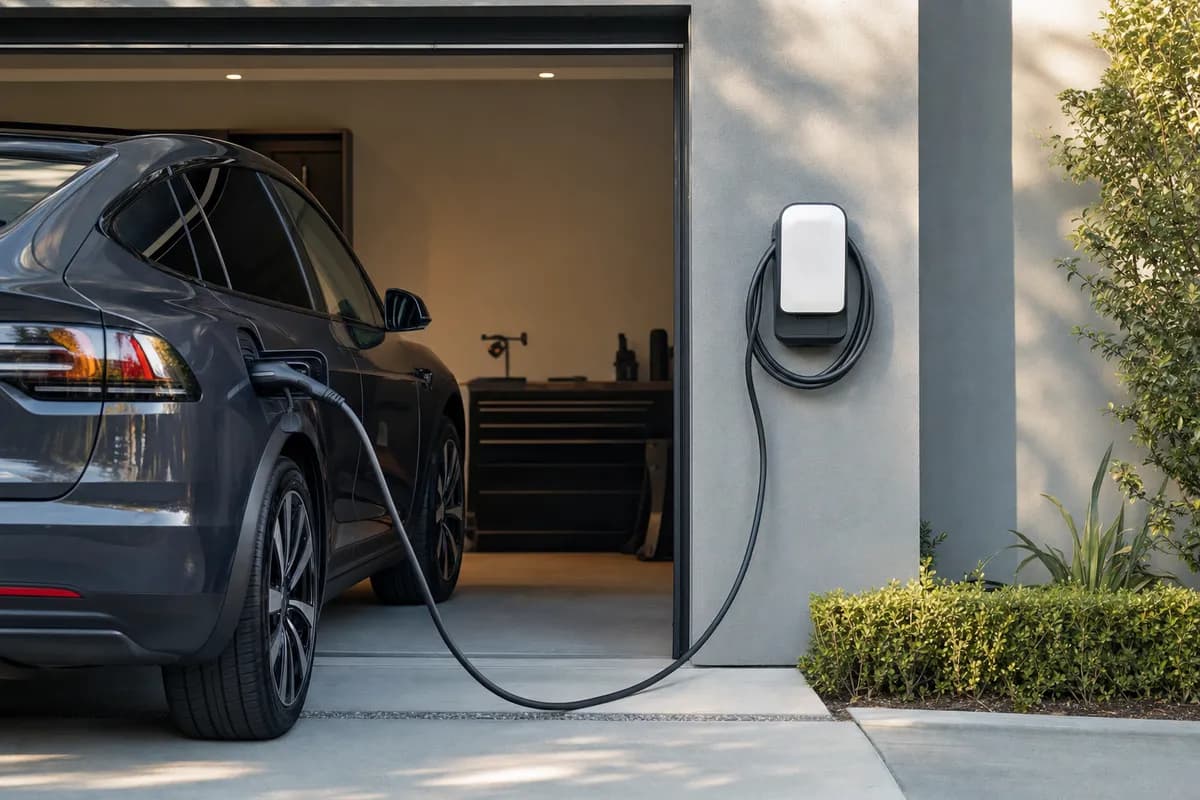
Ask owners what sold them on these trucks, and bed power comes up fast. Ford still has the strongest factory reputation here with Pro Power Onboard configurations that can run tools, campsite gear, or emergency home loads, but the broader idea is spreading: electrified trucks are becoming rolling power stations as much as tow rigs.
That changes the mod list. Instead of giant audio systems or cosmetic bed bars, people are building organized, reversible utility setups.
Best practices for bed power and towing
- Mount accessories on removable panels: Bed-side MOLLE panels and modular boards let owners mount inverters, chargers, and recovery gear without drilling the truck into oblivion.
- Weatherproof every connection: GFCI protection, sealed connectors, and loom-wrapped wiring prevent the kind of moisture failures that show up months later.
- Balance tongue weight correctly: Hybrid torque does not fix poor trailer loading. Owners are using tongue scales and weight-distribution setups more consistently.
- Upgrade trailer tires and brakes before truck mods: A stable trailer solves more towing drama than another inch of suspension height.
- Add rear suspension support carefully: Air helper springs or load-support systems can help, but they should complement—not exceed—the truck’s ratings.
The best bed power and towing setup tips all follow one rule: support the truck’s factory engineering instead of fighting it. That means no sketchy inverter tie-ins, no overloaded bed outlets, and no accessory wiring draped across sharp metal edges near the tailgate or hitch hardware.
For PowerBoost owners, this often means building clean bed-power layouts for contractor use or backup power duty. For Tundra and Ramcharger owners, it is about adding utility without compromising charging behavior, trailer-camera visibility, or bed access.
Reversible Mods Are Winning Because They Protect Value and Reliability
A decade ago, truck DIY culture often celebrated permanent changes. Cut the bumper, regear the axles, stack the lift, and sort it out later. The new electrified half-ton crowd is more disciplined, partly because these trucks cost real money and partly because owners know complexity punishes sloppy work.
That is why the most respected builds in the community are surprisingly restrained. They use bolt-on skid protection, smart tire sizing, modular bed storage, upgraded lighting, trailer assist tech, battery monitoring, and quality brake components rather than radical suspension geometry changes or mystery-brand electronics.
There is also a strong cross-brand effect happening here. A solid idea from a PowerBoost owner—like a cleaner auxiliary fuse panel install or a better under-seat tool and recovery layout—quickly gets adapted by Tundra i-FORCE MAX and Ramcharger owners. The platforms are different, but the use cases are similar.
The new hybrid truck enthusiast is not trying to prove the truck is tough. He is trying to make it more dependable at 6 a.m., with a trailer hooked up, tools in the bed, and weather moving in.
That mindset is healthy for the segment. It rewards maintenance, careful parts selection, and real-world testing over social-media theatrics.
Verdict: The Smartest Electrified Truck Mods Are the Ones You Notice at Work
The emerging DIY community around the 2026 and 2027 Ford F-150 PowerBoost, Ram 1500 Ramcharger, and Toyota Tundra i-FORCE MAX is not built on flash. It is built on reliability, towing confidence, usable bed power, and practical upgrades that can be reversed when it is time to sell, trade, or troubleshoot.
That makes this one of the most interesting truck subcultures right now. Owners are learning that the best 2026 hybrid truck DIY mods are usually the least dramatic: a healthy 12-volt system, smarter brakes and tires, clean accessory wiring, and towing setups that respect the whole truck-trailer package.
If this trend holds, electrified half-tons will not just create a new niche. They will create a better one—where the most admired truck is the one that starts every time, powers the jobsite, tows straight, and comes home without drama.
Get the latest car reviews in your inbox
Join thousands of car enthusiasts. No spam, unsubscribe any time.




Comments
Leave a comment