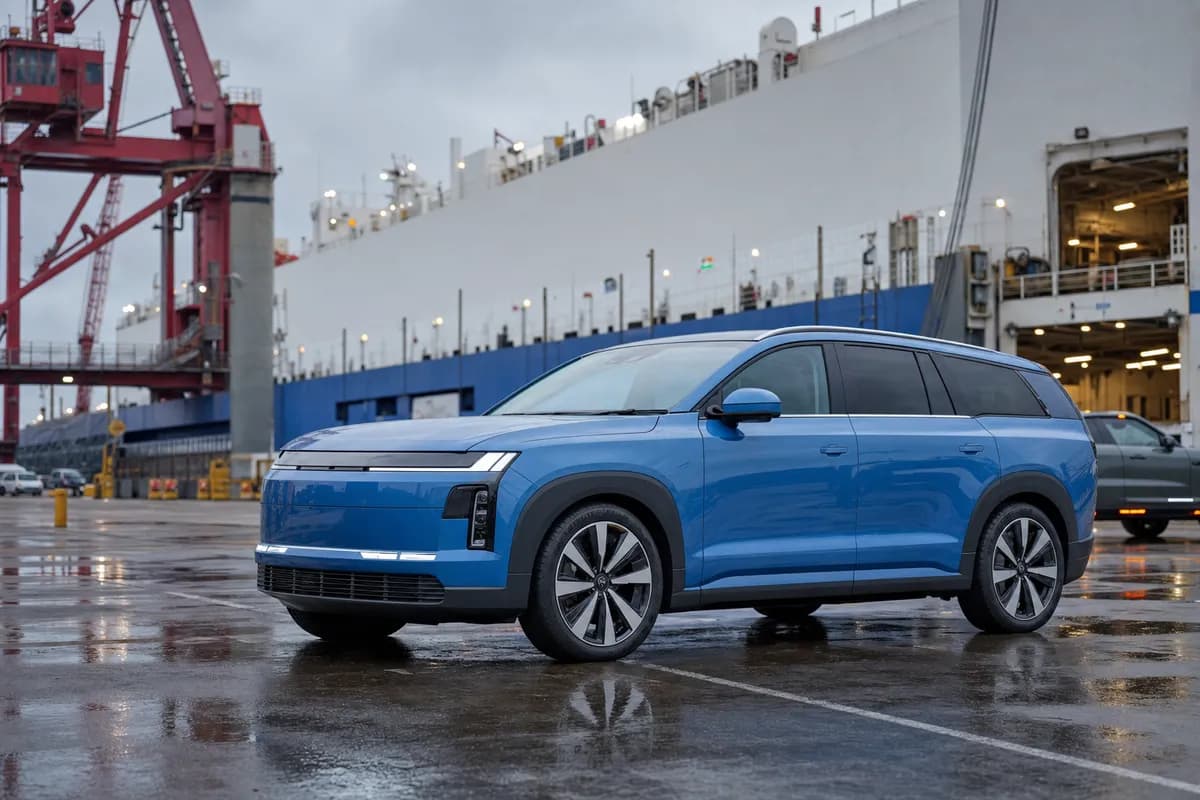
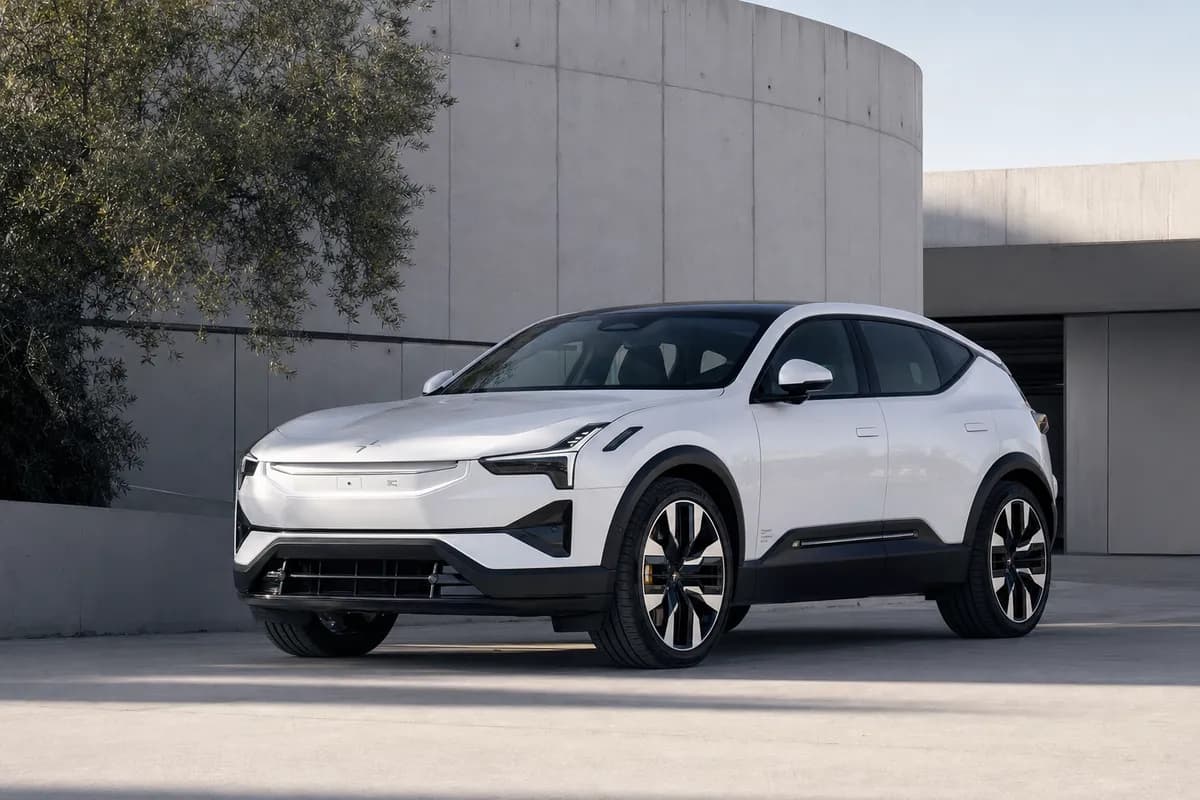
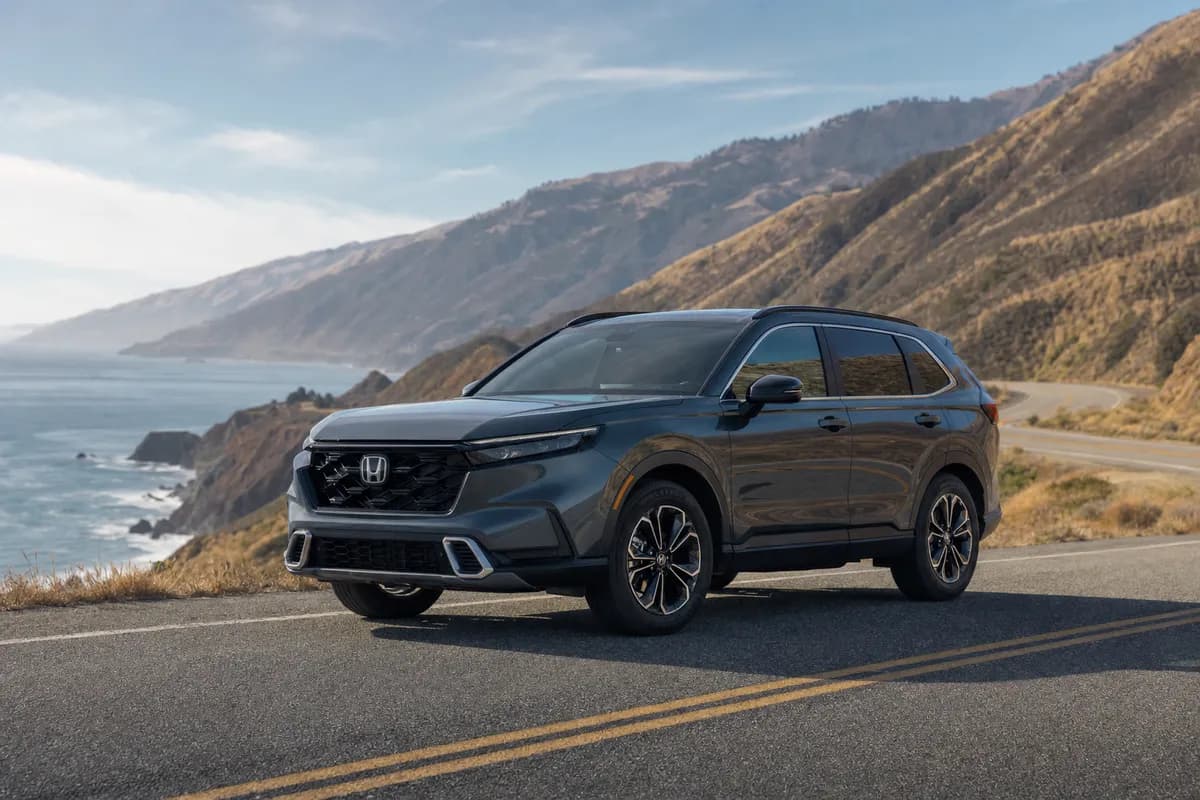
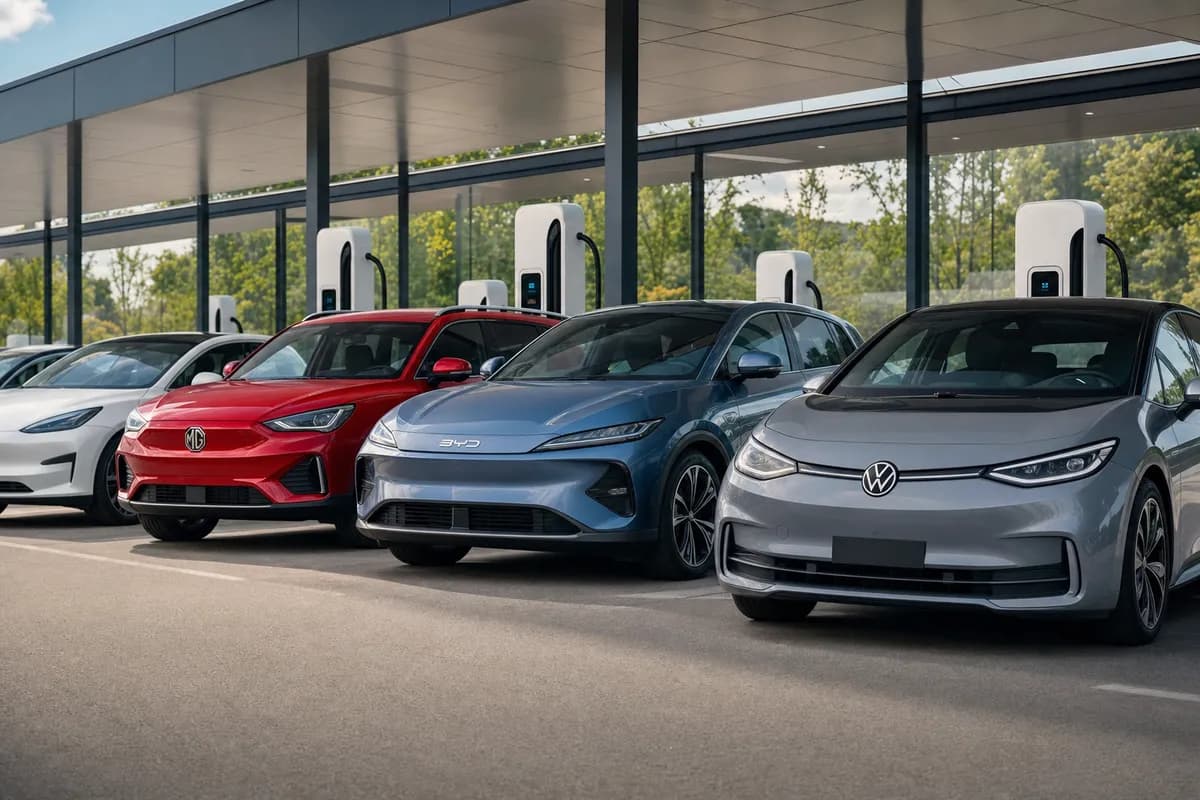
The 2026 electric-vehicle rollout is not going to plan. Across the industry, automakers are delaying launches, trimming production targets, and in some cases canceling programs outright as they confront slower-than-expected demand growth, high battery costs, changing incentives…
The 2026 electric-vehicle rollout is not going to plan. Across the industry, automakers are delaying launches, trimming production targets, and in some cases canceling programs outright as they confront slower-than-expected demand growth, high battery costs, changing incentives, and a tougher pricing environment led by Tesla and Chinese rivals. For buyers, that creates an awkward moment: some long-promised EVs are slipping into 2027, others may arrive in smaller numbers than originally expected, and a few may never make it to showrooms at all. But the pullback is not uniform. Some vehicles still look solid, and the models worth waiting for are increasingly the ones tied to flexible platforms, established battery supply, and clear business cases.
Why 2026 EV delays are piling up
The headline reason behind the current wave of 2026 EV delays is simple: the market did not expand as quickly as many automakers planned for when they made aggressive EV commitments in 2021 and 2022. EV sales are still growing in the U.S., Europe, and many global markets, but not at the straight-line pace executives once used to justify all-electric transitions by the end of the decade.
In the U.S., EV adoption continues to rise, but it remains heavily concentrated in a handful of brands and nameplates. Tesla still accounts for a large share of battery-electric sales, while Hyundai, Kia, Ford, GM, BMW, Mercedes-Benz, and Rivian compete for the rest. That means traditional automakers face a difficult middle ground: they need EVs to comply with emissions rules and stay relevant, but many buyers still prefer hybrids or lower-priced gasoline models.
Several factors are driving automaker EV production cuts and launch delays:
- Demand is growing unevenly. Premium EVs and compact crossovers are selling better than large, expensive electric trucks and three-row SUVs.
- Battery costs remain volatile. Lithium prices have cooled from peak levels, but automakers are still dealing with long-term supply contracts, investment costs, and pressure to localize manufacturing.
- Pricing pressure is intense. Tesla’s repeated price cuts reset buyer expectations and squeezed margins across the market.
- Charging concerns still matter. Public fast-charging access has improved, but reliability and convenience remain barriers for mainstream buyers.
- Hybrids are booming. Many automakers are shifting capital toward hybrids and plug-in hybrids because they are easier to sell profitably right now.
- Incentive rules are complicated. U.S. federal tax credit eligibility depends on assembly and battery sourcing requirements that some planned models do not yet meet.
The result is a more cautious industry. Automakers are not abandoning EVs altogether, but many are stretching timelines and focusing on fewer, more viable products. For shoppers, that means the EV market in 2026 will likely be defined less by a flood of new arrivals and more by selective launches and revised priorities.
Which electric cars are delayed, scaled back, or canceled?
The list of affected vehicles keeps changing, but several high-profile programs illustrate the broader trend in canceled electric cars 2026 coverage and delayed launches.
Ford: electric three-row SUV and next-gen pickup pushed back
Ford has been one of the clearest examples of an automaker rethinking timing. The company has delayed its large electric three-row SUV and pushed back the launch of its next-generation electric pickup. Ford has also revised EV spending plans as it works to reduce losses in its Model e division, which has posted multibillion-dollar operating losses while the company leans more heavily on hybrid demand.
That matters because Ford’s original roadmap suggested a broader, faster expansion after the Mustang Mach-E and F-150 Lightning. Instead, the company is now emphasizing affordable EV architecture, software improvements, and hybrids. For buyers, that means Ford’s next major all-new EVs may be more of a 2027 story than a true 2026 showroom event.
General Motors: some launches slowed by execution and battery ramp challenges
GM has continued launching Ultium-based EVs, but the rollout has been slower and less smooth than initially promised. Vehicles such as the Chevrolet Equinox EV, Blazer EV, Silverado EV, GMC Sierra EV, Cadillac Lyriq, and Cadillac Escalade IQ have all illustrated how hard it is to scale a new EV platform, battery architecture, and software stack at once.
GM has not broadly canceled its EV strategy, but repeated timing adjustments have effectively turned some 2025 and 2026 expectations into staggered, market-by-market rollouts. For consumers, that means availability can differ sharply from the launch announcements. A vehicle may technically be “on sale” while remaining difficult to find in meaningful volume.
The Equinox EV still looks important because it targets a lower price band than many rivals. But buyers waiting for cheaper trims or broad dealer inventory may need more patience than early launch timelines implied.
Volvo and Mercedes-Benz: moderation after aggressive EV targets
European brands have also softened their near-term transitions. Volvo has backed away from the rigid timetable it once set for becoming all-electric, reflecting slower market conditions and continuing demand for plug-in hybrids. Mercedes-Benz has similarly adjusted expectations, making clear that it will continue offering combustion and electrified models in parallel for longer than once forecast.
That does not necessarily mean specific nameplates are dead, but it does raise the odds of launch delays, production pacing changes, or market-specific rollouts. For premium buyers, the key takeaway is that luxury EV pipelines are still active, but automakers are less willing to push expensive low-volume models into weak demand conditions.
Apple car canceled, Fisker collapsed, and startup fallout still matters
Some of the most visible EV cancellations have come outside the traditional automaker ranks. Apple’s long-rumored car program was scrapped before reaching production. Fisker, after launching the Ocean, spiraled into bankruptcy proceedings. Other startups have scaled down plans, delayed factories, or shifted toward commercial vehicles to preserve cash.
Those examples matter for mainstream shoppers because startup instability can affect supplier confidence, charging partnerships, software support, and residual values across the segment. A canceled vehicle is not just a missed launch; it can become a cautionary tale for buyers worried about parts, service, and long-term support.
Stellantis and others: platform timing under pressure
Stellantis has a large multi-brand EV plan spanning Jeep, Dodge, Ram, Chrysler, Peugeot, Opel, and Fiat, but execution timing remains a watch point. Ram’s electric pickup strategy, in particular, faces a difficult market after the softer-than-expected response to expensive electric trucks across the segment. If demand remains strongest for hybrids and range-extended alternatives, some battery-electric launches could see further pacing changes.
Across the industry, that is becoming the pattern. Few automakers want to publicly frame these shifts as cancellations, but a launch moved from early 2026 to late 2027 can have much the same effect for buyers making purchase decisions today.
What is really behind automaker EV production cuts?
The sharpest pullbacks are happening where product planning collided with market reality. Large electric pickups and luxury SUVs were once seen as margin-rich ways to finance the EV transition. In practice, they have exposed several limits.
First, size and weight drive battery costs up fast. A full-size truck or big three-row SUV needs a large pack to deliver acceptable range, towing capability, and cold-weather performance. That makes these vehicles expensive before the automaker adds software, premium interiors, and dealer margin. Even with federal incentives, transaction prices can be difficult for mainstream buyers to justify.
Second, charging and use-case expectations are different in truck segments. Buyers who tow or travel long distances are more sensitive to charging speed, winter range loss, and infrastructure gaps than urban commuters shopping for compact crossovers. The F-150 Lightning, Chevrolet Silverado EV, GMC Sierra EV, and Tesla Cybertruck have all shown that enthusiasm for electric trucks exists, but demand is narrower and more price-sensitive than some product planners expected.
Third, hybrids are soaking up demand that many automakers once assumed would shift directly to full EVs. Toyota is the clearest example. Its battery-electric rollout has been cautious, but its hybrid lineup continues to sell strongly. Ford has also leaned into hybrids, while Hyundai and Kia have found that offering a broad mix of hybrid, plug-in hybrid, and battery-electric options better matches current demand than an all-EV push.
There is also a factory-level explanation. EV plants and battery facilities require huge up-front investment. If sales do not ramp quickly, underused capacity becomes expensive very quickly. Delaying a launch can be less damaging than flooding dealers with inventory, cutting prices heavily, and training consumers to wait for discounts.
That is the context for many current automaker EV production cuts. They are not always signs that EV demand is collapsing. More often, they reflect a reset from unrealistic launch pacing to more disciplined volume planning.
EV launch delays buyers guide: which models are still worth waiting for?
For consumers, the right response is not to avoid all future EVs. It is to be more selective. The best candidates to wait for are the models backed by mature platforms, credible pricing, and clear production plans. Here is an EV launch delays buyers guide for shoppers deciding whether to hold off.
Worth waiting for if pricing stays competitive
- Chevrolet Equinox EV: If GM can deliver this in real volume near its intended value position, it could remain one of the most important mainstream EVs. It targets the heart of the compact crossover market, where demand is strongest.
- Kia EV3 and other smaller Hyundai Motor Group EVs: Hyundai and Kia have generally executed better than many rivals on platform sharing, charging performance, and packaging. Smaller, lower-cost models from this group are among the more believable near-term launches.
- Volvo EX30: Timing and tariff-related questions have complicated the U.S. picture, but the concept remains sound: a smaller premium EV with more realistic pricing than many luxury rivals.
Worth watching, but buyers should expect delays or tight availability
- Ford’s next affordable EVs: Ford’s skunkworks-style lower-cost EV program may ultimately matter more than the delayed larger models, but these vehicles are more likely to shape 2027 electric car releases than the 2026 market.
- GM’s larger Ultium trucks and SUVs: Strong products on paper, but production scale, dealer inventory, and pricing remain critical questions.
- Ram 1500 REV and range-extended alternatives: Buyers interested in electric pickups may want to watch whether Stellantis prioritizes battery-electric or extended-range solutions.
Probably not worth waiting for unless you have very specific needs
- Large electric three-row SUVs with uncertain launch dates: These are costly, often heavy, and vulnerable to repeated timing changes. If you need a family hauler soon, a hybrid may make more sense.
- Low-volume startup models: Unless the company has a strong balance sheet, established service support, and actual production momentum, the risk is high.
- Any EV announced without clear battery sourcing and factory timing: In the current market, vague promises are a warning sign.
For many shoppers, the smartest move in late 2025 or 2026 may be to buy from the market that already exists rather than waiting for a heavily teased model with uncertain timing. Well-established options such as the Tesla Model Y, Hyundai Ioniq 5, Kia EV6, Chevrolet Equinox EV if supply improves, Ford Mustang Mach-E, and BMW i4 may offer less drama than chasing the next promised breakthrough.
What delayed launches mean for buyers and for 2027 electric car releases
The immediate effect of these delays is less choice in the near term, especially below the luxury segment. That is frustrating, because the biggest gap in the market remains affordable EVs with 250 to 300 miles of real-world range, strong charging performance, and pricing close to equivalent hybrids.
But there is also a potential upside. The EVs that do arrive in 2027 may be better aligned with what buyers actually want. Several automakers are now redirecting engineering resources toward lower-cost platforms, LFP battery chemistry in some applications, and software systems that are less ambitious but more stable. In other words, some delayed EVs may end up being better products because they were not rushed.
That is especially important for 2027 electric car releases. The next wave is likely to be shaped by three priorities:
- Affordability over spectacle: Smaller crossovers and hatchbacks should matter more than halo trucks.
- Flexible powertrain strategy: Automakers will continue offering hybrids, plug-in hybrids, and EVs side by side.
- Localized supply chains: Vehicles with North American battery sourcing and assembly will be better positioned for incentives and scale.
Buyers should also expect fewer moonshot announcements. After years of overpromising, the industry is learning that credibility matters. Launch windows, tax credit eligibility, and production targets are now being watched much more closely by investors, dealers, and consumers.
The verdict: pullback, not retreat
The wave of 2026 EV delays does not mean the electric transition is ending. It means the industry is entering a more disciplined phase. Automakers overestimated how quickly mainstream buyers would adopt expensive battery-electric trucks and SUVs, underestimated how resilient hybrid demand would be, and in some cases promised more new models than their battery supply, software systems, and factories could support.
For shoppers, the practical takeaway is straightforward. Be skeptical of any EV launch without firm production details. Prioritize models from automakers with proven manufacturing scale, strong charging strategies, and realistic price points. If you need a vehicle soon, do not assume a delayed 2026 EV will be worth the wait. In many cases, the better buy will be an EV already on sale or a well-executed hybrid.
Still, not every upcoming model should be written off. Smaller, more affordable crossovers from established brands remain the most promising part of the pipeline, even if some are now shifting toward 2027. If the first phase of the EV boom was driven by ambition, the next one will be shaped by execution. That may be less exciting for headlines, but it is better news for buyers.
Affiliate disclosure: This article contains affiliate links. RevvedUpCars may earn a small commission on qualifying purchases at no extra cost to you.